Most of us think of watching TV as something passive, something you simply fall into at the end of a long day. You pick up the remote, scroll for a few minutes, and before long you’re two hours deeper into a show you didn’t even plan to watch. That experience is not accidental. It’s the result of deliberate design decisions made by platforms and devices to keep you watching, spending, and sharing your data.
have started noticing these patterns, and they’re quietly pushing back. The habits that separate casual, reactive viewers from genuinely informed ones aren’t complicated. They come down to awareness, a bit of intention, and a few practical decisions most people never think about.
1. Letting Autoplay Keep Rolling Without Thinking
Autoplay is probably the single most effective tool streaming platforms have for extending watch time. The next episode loads before you’ve even had a chance to check whether you actually want to watch it. People often perform habitual actions in response to environmental cues rather than through conscious deliberation, which explains why habit has a stronger effect on binge-watching engagement than conscious intention.
Smart viewers turn autoplay off in their account settings, a simple step that forces the decision back into their own hands. When you’re engaged in something you enjoy, your brain produces dopamine, a chemical that promotes pleasure and excitement, and your brain craves more and more as long as you keep watching. Knowing that mechanism is there is often enough to change the habit.
2. Ignoring Their Smart TV’s Data Tracking
Most people assume they’re watching TV privately. They’re not. A 2024 study found that LG TVs capture screenshots every 10 milliseconds and Samsung captures every 500 milliseconds, even when the TV is being used as an external monitor. The technology is called ACR, or Automatic Content Recognition, and it identifies what you’re watching and sends that data to advertisers.
Nearly half of surveyed viewers aren’t sure if their TV watching habits are being monitored, even though nearly two thirds have TVs connected to the internet. Only about one in eight viewers who were being tracked actually knew it and remembered agreeing to the terms. Even though data companies claim to obtain consent, roughly three quarters of viewers didn’t know how they had given it. Smart viewers navigate into their TV’s privacy settings and disable ACR as a basic routine step when setting up any new device.
3. Watching in a Completely Dark Room
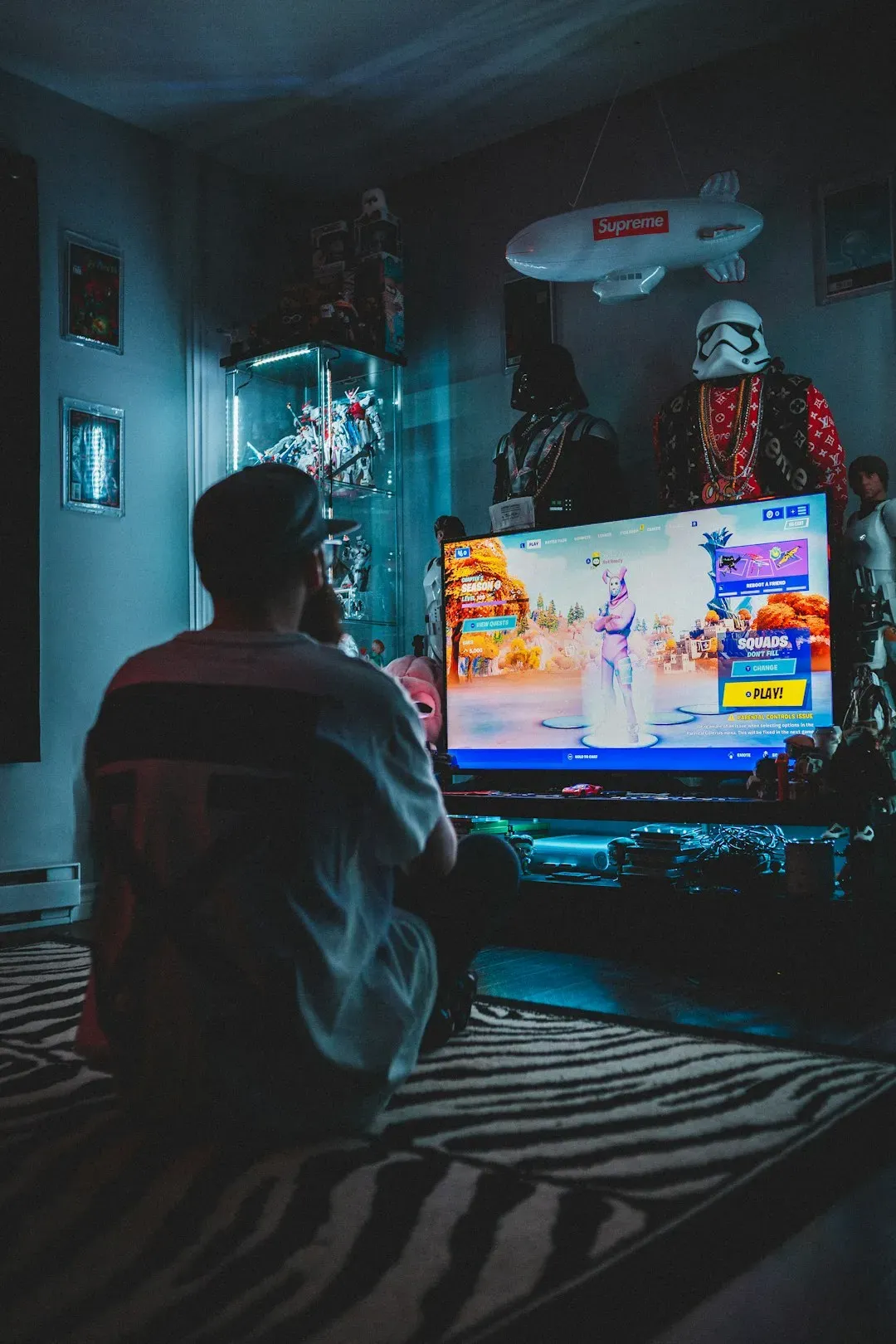
Watching TV in a fully dark room feels cinematic, but the contrast between a bright screen and a pitch-black background forces your eyes to work harder than necessary. Eyestrain can occur when the eyes are fixed on an object for a long period of time or when there is poor lighting or glare. One specific scenario believed to cause eyestrain is watching television in a dark room, because visual discomfort is caused by the large difference in brightness between the television screen and the dark background.
Blue light from TVs and digital screens can contribute to digital eye strain, causing symptoms like dry eyes, headaches, and blurred vision, though research shows that blue light from consumer displays is unlikely to cause permanent retinal damage at typical exposure levels. The bigger concern is sleep disruption, as bright screens at night may suppress melatonin and affect circadian rhythm. A simple lamp on low behind the television makes a measurable difference in comfort and keeps your eyes from fighting the contrast all evening.
4. Binge-Watching Until Late at Night
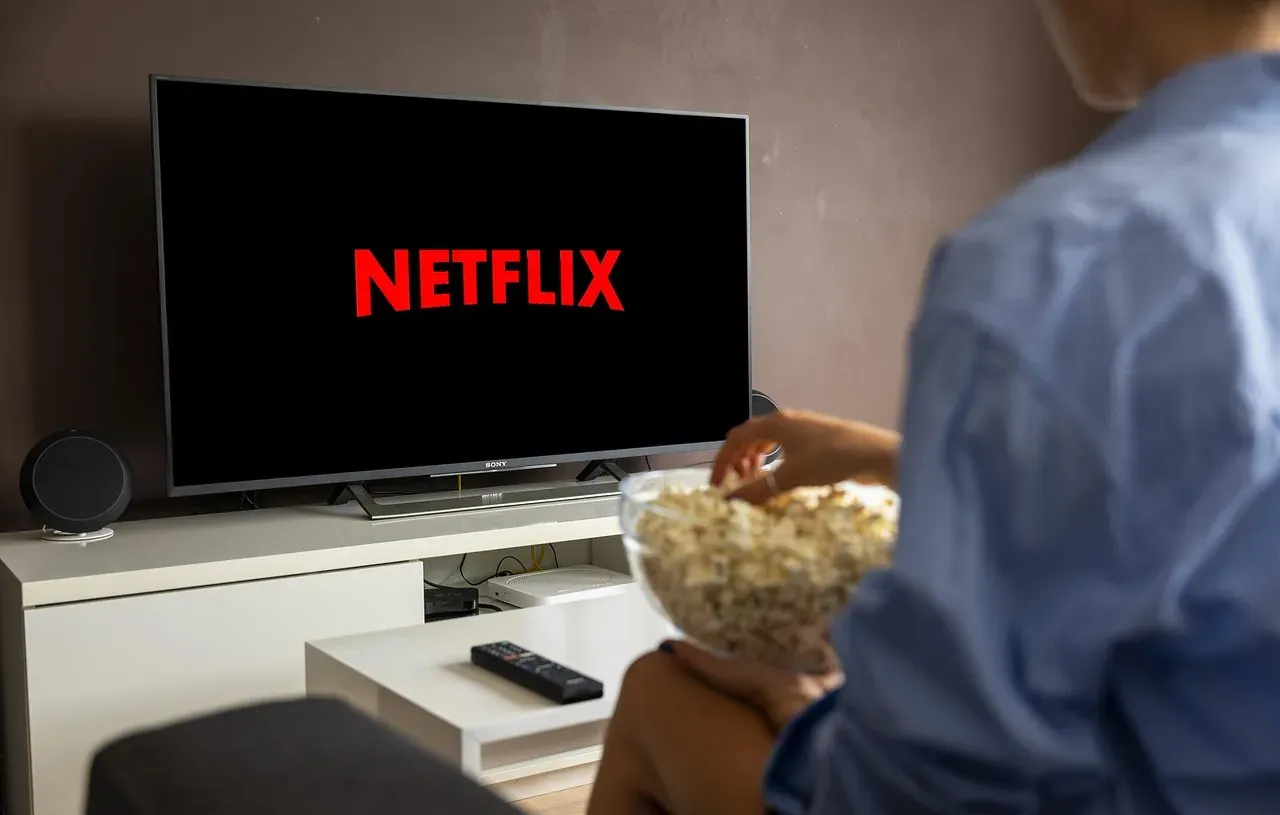
There’s a real cost to the “just one more episode” habit, especially when that episode starts after 10 pm. Research from Michigan State University suggests that binge-watching is associated with detrimental health behaviors such as foregoing sleep in order to continue watching, selecting unhealthy meals, unhealthy snacking, and sedentary behavior.
Research has found a strong link between binge-watching and mental health problems such as depression, insomnia, anxiety, stress, and loneliness. Too much exposure to blue light from screens in the evening can disrupt the body’s natural sleep cycle, known as the circadian rhythm, while light slows the production of melatonin, the sleep hormone, in the body. Smart viewers set a loose stopping point before they begin, not after they’re already tired and three episodes in.
5. Paying for Streaming Services They Barely Use
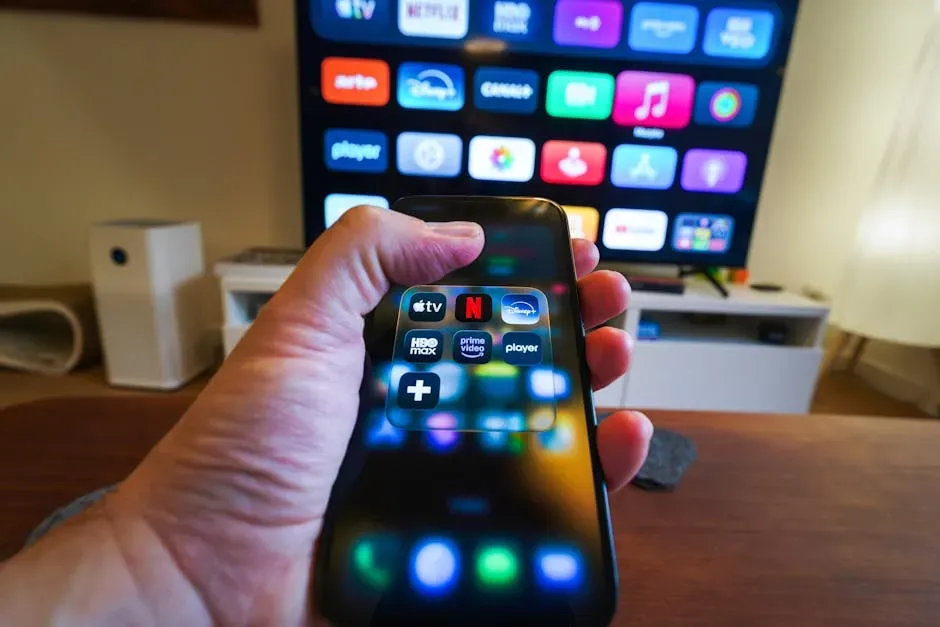
The streaming landscape has become expensive in a surprisingly quiet way. Prices have risen across nearly every major platform, and many households are now carrying subscriptions they’d forgotten about. A nationally representative Consumer Reports survey of more than 2,000 U.S. adults conducted in March 2025 found that roughly a third of households had used four or more paid streaming services at some point in the previous twelve months.
Partner offer
Many major video streaming subscription services raised their prices in 2025, and while individual services can be inexpensive, buying a few packages or one with live TV can quickly rival the cost of cable. Almost half of surveyed consumers said they pay too much for the streaming services they use, and a growing share believes the content isn’t worth the price. Smart viewers do a quarterly audit of their subscriptions and cancel services they haven’t touched in the past month.
6. Second-Screening Through Everything
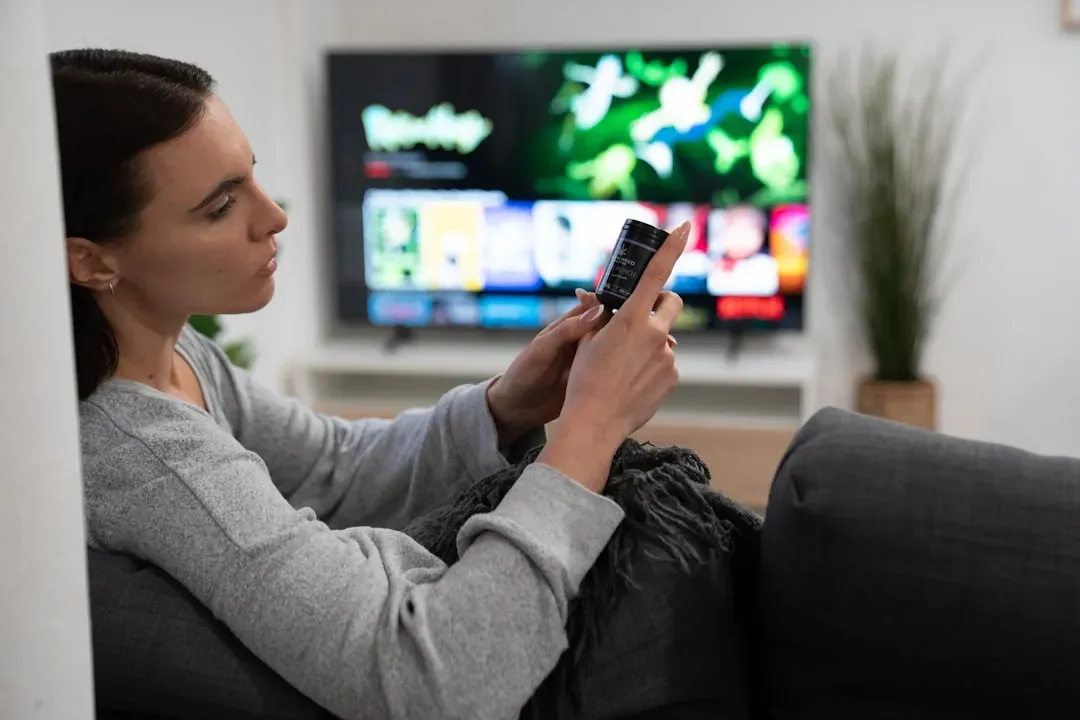
Using a phone while watching TV has become so common it barely registers as unusual anymore. The habit of “second-screening,” or using another device while watching TV, is prevalent across the vast majority of viewers regardless of age. The problem is that it undermines attention in both directions: you miss details in what you’re watching, and you’re not fully present in whatever you’re doing on your phone either.
Research on divided attention consistently shows that multitasking reduces performance quality in both tasks. For viewers who choose to watch something, that split focus means they’re rarely actually watching it. Smart viewers who genuinely want to enjoy a show put the phone in another room for that specific window, treating the viewing session as an intentional choice rather than background noise.
7. Trusting the Algorithm to Decide What to Watch
Smart TV operating systems are increasingly influencing what people watch, with more than a third of viewers reporting that the first thing they see when they turn on their TV is the apps installed on the home screen. That framing is powerful. What appears at the top of a home screen isn’t neutral, it reflects a combination of what’s trending, what’s being promoted, and what keeps people engaged the longest.
Some modern TVs, such as those using machine learning features, have improved interfaces and concierge-style algorithms that suggest movies and shows based on your viewing history and preferences. These tools are useful, but they also create feedback loops that narrow what you discover over time. Smart viewers browse with intent, use watchlists they build themselves, and periodically look beyond what the algorithm surfaces first.
8. Watching Without Checking the Viewing Environment
Screen settings matter more than most people realize. Factory-default picture modes on many TVs are calibrated for bright showroom floors, not living rooms, which means the screen is often running far brighter and warmer than necessary. Adjusting the brightness and contrast of your screen and dimming the lighting near your screen can help reduce eye strain during extended viewing.
The amount of time spent looking at a screen can make a significant difference in the symptoms experienced. In general, it’s a good idea to follow the 20-20-20 rule: after every 20 minutes of screen viewing, take a 20-second break to look at an object around 20 feet away. These frequent breaks allow the eyes to rest and prevent strain. Smart viewers take five minutes to adjust picture settings when setting up a new TV rather than leaving the defaults untouched for years.
9. Watching More Out of Habit Than Choice

Perhaps the most overlooked habit is the act of turning on the TV simply because it’s evening and that’s what evenings involve. Individuals might consider reducing their viewing due to feelings of regret but ultimately continue because of habit. Feelings of regret after binge-watching can reduce the intention to continue yet don’t necessarily stop the behavior.
Greater binge-watching frequency is associated with increased levels of depression, anxiety, and stress, as well as difficulties in social inclusion. The habit of watching without a specific reason compounds over time into hours each week that feel neither restful nor entertaining in retrospect. Smart viewers ask one simple question before pressing play: do I actually want to watch this right now, or am I just filling time?
None of these habits require giving up television or becoming suspicious of every streaming service. They’re mostly about small, deliberate choices that put the viewer back in control of the experience rather than the other way around. The platforms, the algorithms, and the autoplay features aren’t going away. But the viewers who understand what they’re designed to do tend to get a lot more out of their screen time, and lose a lot less.
Partner offer
Planning a trip to Vegas?
Compare hotel rates and show tickets on VEGAS.com.