Moving from a film set to a government office sounds like an unlikely career path. Yet it has happened often enough that it’s become a recognizable pattern in American public life.
Some of these performers treated politics as a second act, while others were serious public servants for years. Here are nine who actually won office or took official government posts.
Ronald Reagan
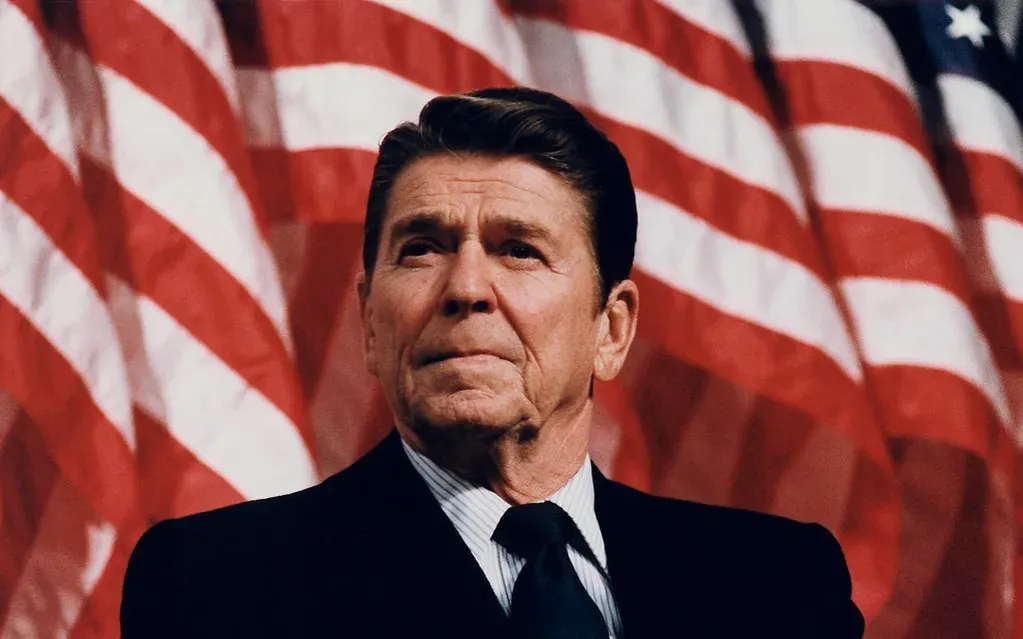
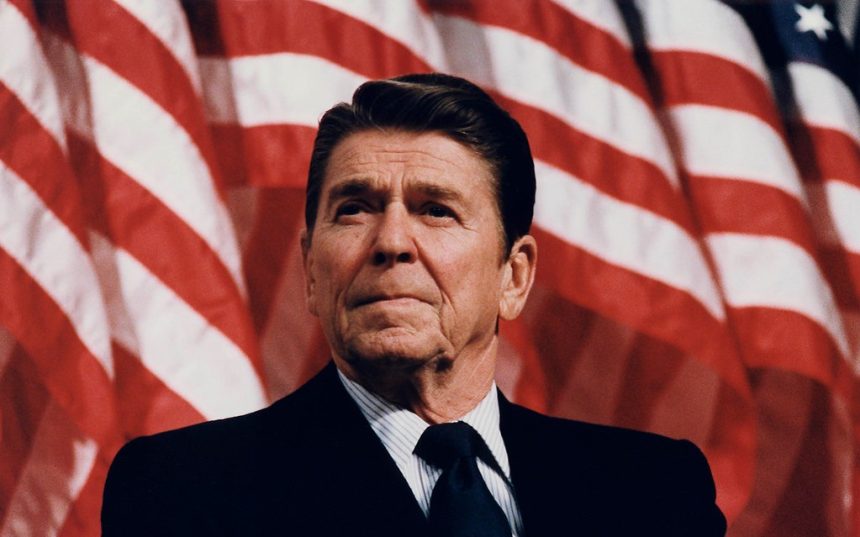
Reagan worked as a film actor for decades, appearing in dozens of movies from the late 1930s onward. He also served as president of the Screen Actors Guild, which gave him early experience in negotiation and public speaking.
He was elected governor of California in 1966 and served two terms. In 1980 he won the presidency and held it for two terms, until 1989. He remains the clearest example of an actor who reached the highest office in the country.
Arnold Schwarzenegger
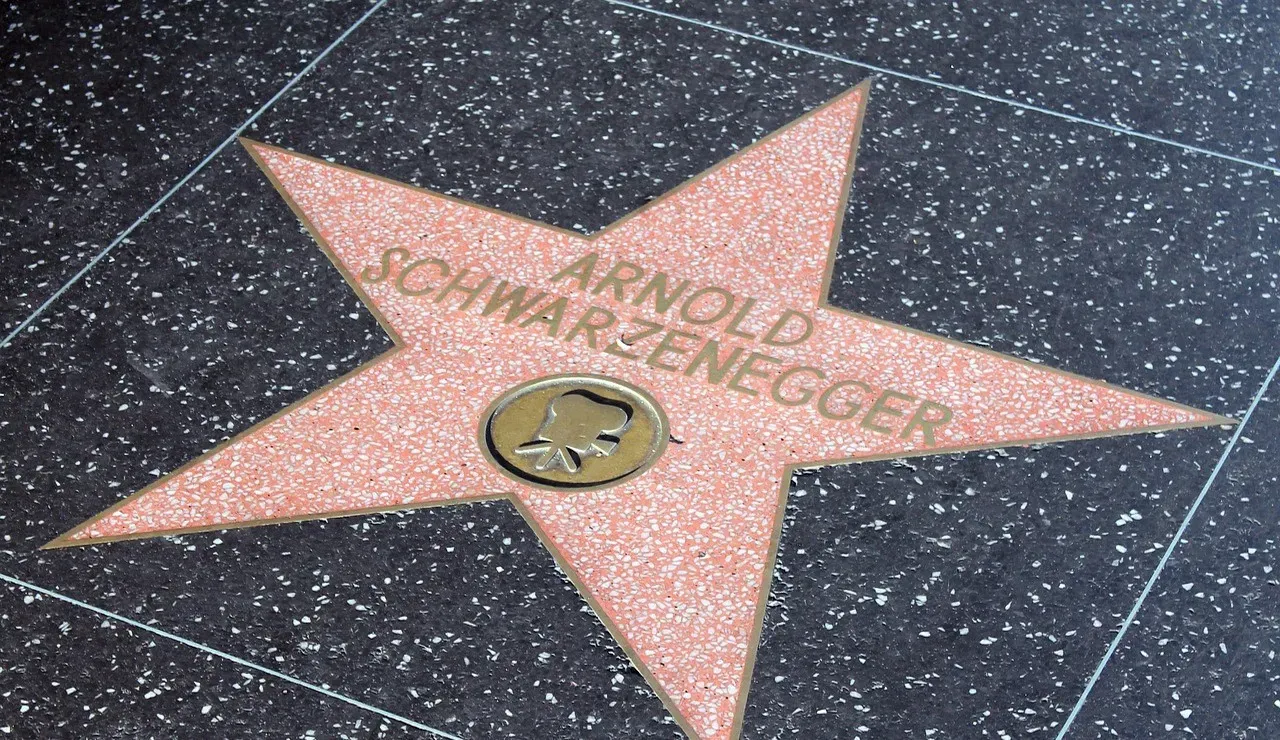
Schwarzenegger came to Hollywood as a bodybuilding champion and became one of the biggest action stars of the 1980s and 1990s. His films included The Terminator and Predator, and they made him famous around the world.
In 2003 he won California’s recall election, which removed Governor Gray Davis from office. He was then reelected in 2006 and served until January 2011. During his tenure he signed a major climate law, the Global Warming Solutions Act of 2006.
Clint Eastwood
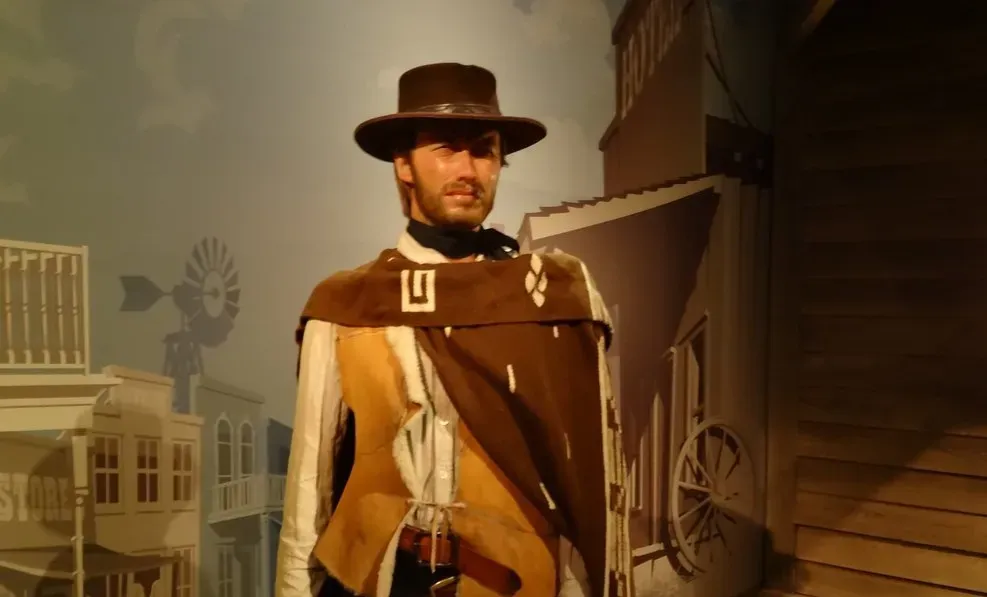
Eastwood rose to fame in Westerns and then in the Dirty Harry films, and later became an Oscar winning director. His political career was small in scale but real.
He was elected mayor of the coastal California town of Carmel in 1986 and served one two year term. He reportedly ran after a dispute with the town over a building permit. He didn’t seek a second term, and he returned to filmmaking.
Fred Thompson
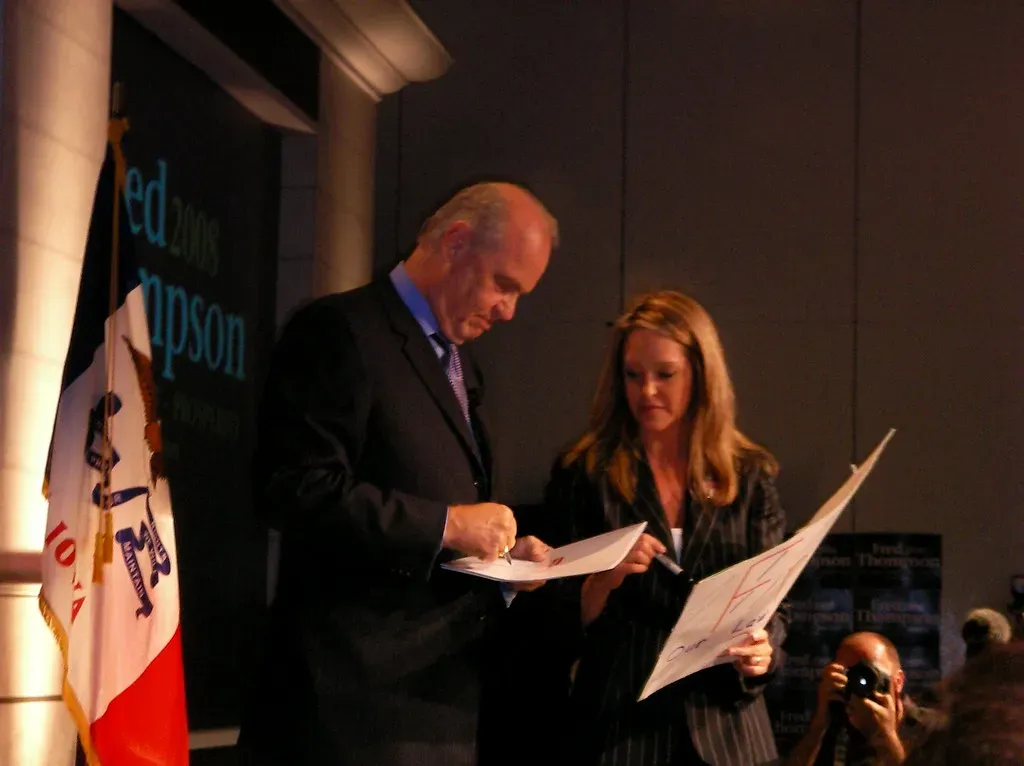
Thompson had an unusual path. He first became known as a lawyer who served as minority counsel during the Senate Watergate hearings, and he then took film roles in movies such as The Hunt for Red October.
He won a U.S. Senate seat from Tennessee in 1994 and served until 2003. Later he became widely recognized as District Attorney Arthur Branch on the TV drama Law & Order. He also made a brief run for the Republican presidential nomination in 2008.
George Murphy
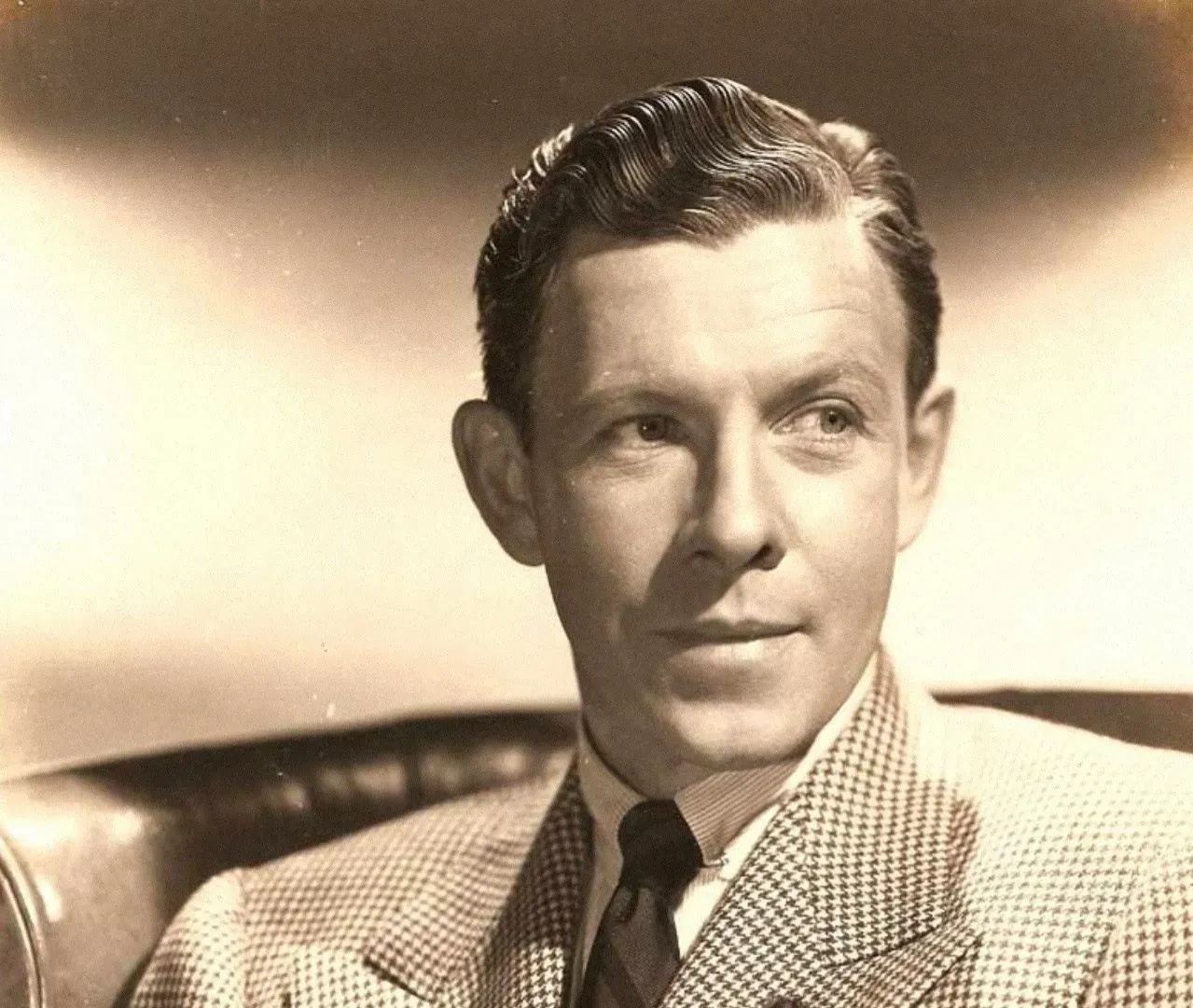
Murphy was a dancer and actor who appeared in musicals through the 1930s and 1940s. He later became active in Republican politics and also served as president of the Screen Actors Guild.
In 1964 he won a U.S. Senate seat from California, defeating Pierre Salinger. He served one full term, from 1965 to 1971. He lost his reelection bid in 1970 to John Tunney.
Sonny Bono
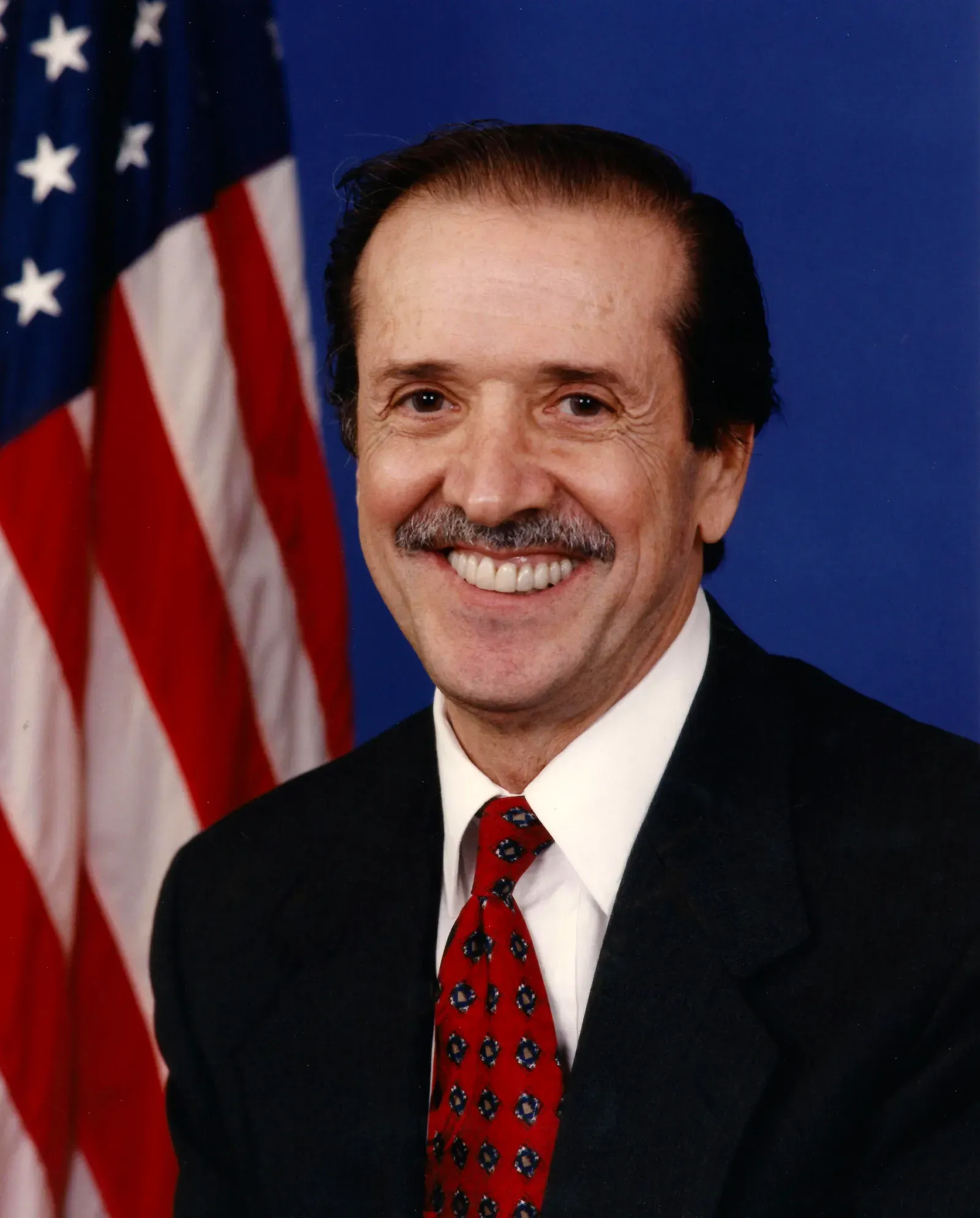
Bono became famous as half of the pop duo Sonny and Cher, and he later worked in television and film. His move into politics began in local government, after frustrations with red tape as a business owner.
He was elected mayor of Palm Springs, California, in 1988 and served until 1992. In 1994 he won a seat in the U.S. House of Representatives. He died in a skiing accident in January 1998 while still in office.
Helen Gahagan Douglas
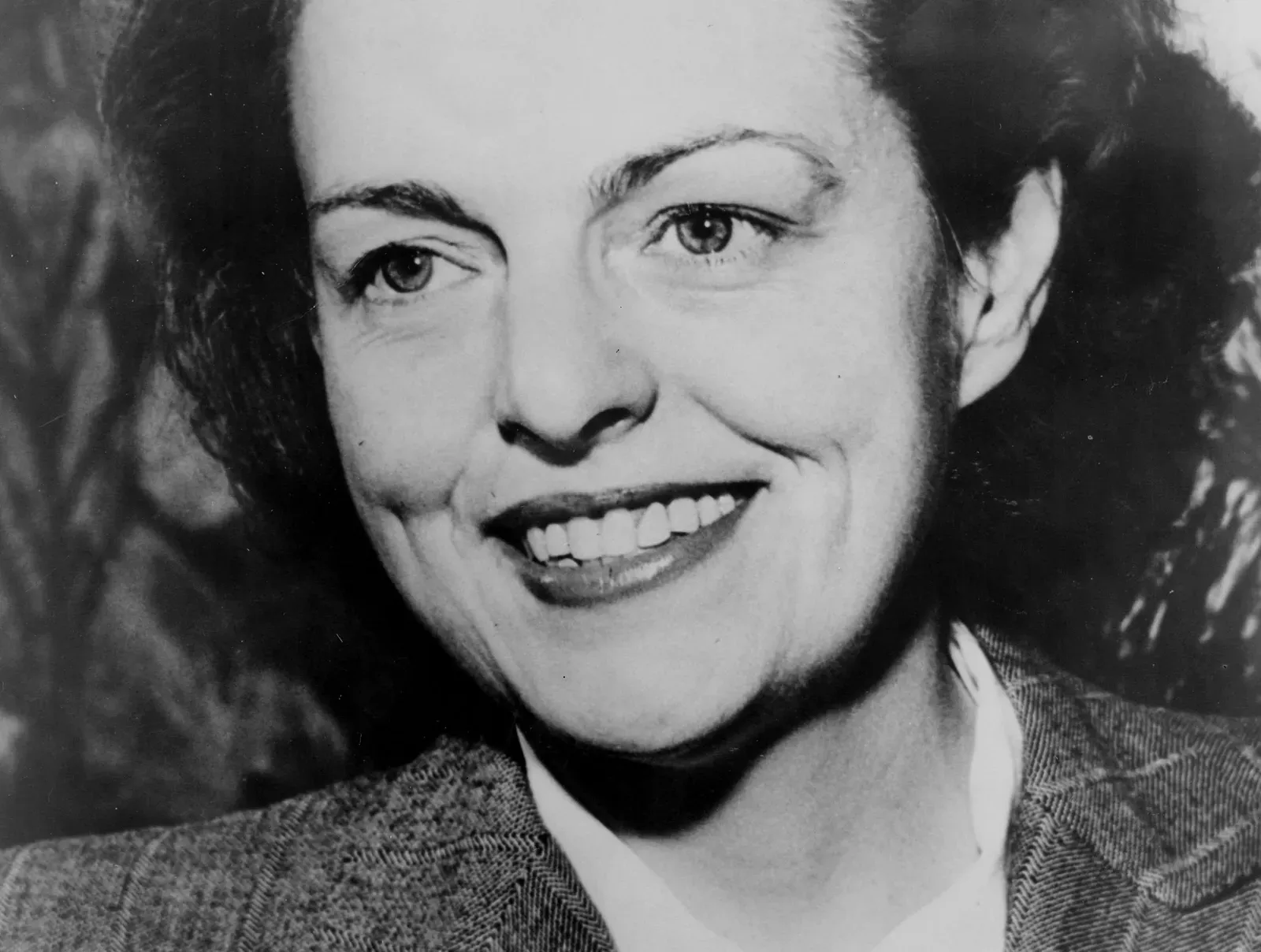
Douglas was a stage actress and opera singer who also appeared in the 1935 film She. She later moved into Democratic politics and was an advocate on issues such as labor and civil rights.
She was elected to the U.S. House of Representatives from California in 1944 and served three terms, until 1951. In 1950 she ran for the Senate and lost to Richard Nixon in a famously bitter campaign. Her career is a reminder that women were part of this crossover long before it became common.
Jesse Ventura
Ventura was a professional wrestler before he became an actor, and he appeared in films such as Predator. He then entered politics, serving as mayor of Brooklyn Park, Minnesota, from 1991 to 1995.
In 1998 he ran for governor of Minnesota as a Reform Party candidate and won, which surprised many political observers. He served one term, from 1999 to 2003, and chose not to run again.
Shirley Temple Black
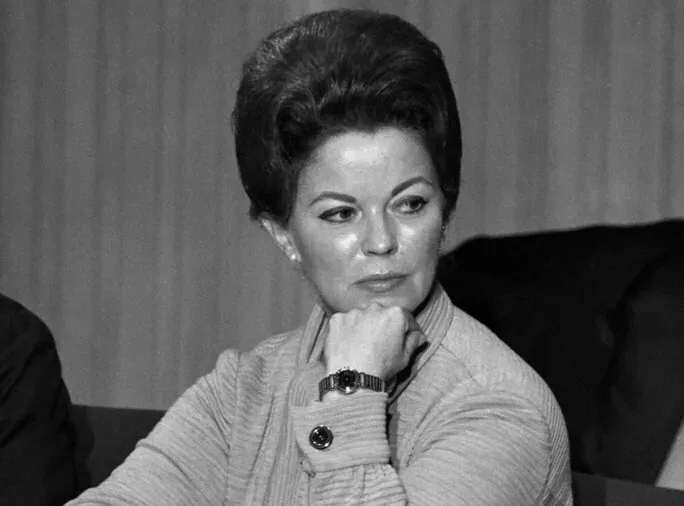
Temple was one of the most famous child stars in film history in the 1930s. She retired from acting as a young adult and later became active in Republican politics, running unsuccessfully for Congress in California in 1967.
Her government service came through appointments rather than elections. She was U.S. ambassador to Ghana from 1974 to 1976 and served as the State Department’s chief of protocol after that. In 1989 she was named ambassador to Czechoslovakia, where she served during the country’s transition away from communist rule.