Fame and a uniform don’t often show up in the same biography. Yet plenty of musicians spent real time in the armed forces, some by choice, others because a draft notice arrived at an awkward moment.
The eight below are widely documented cases, drawn from long-established biographical records. Each one carried that service into the music in a different way.
Elvis Presley
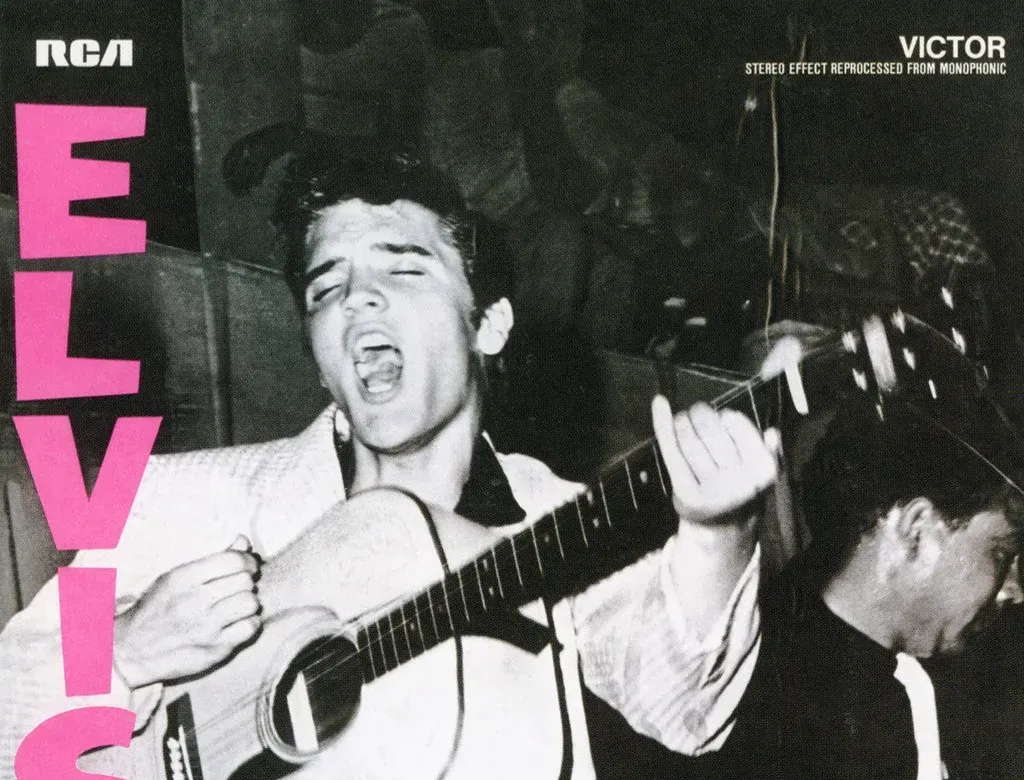
Elvis was drafted into the U.S. Army in 1958, at the peak of his fame. He could have chosen a lighter assignment in Special Services, but he opted for regular duty. He served in West Germany with an armored unit.
He was discharged in 1960 as a sergeant. Many people feared his career would stall, though he returned to number one records soon after. The Army years also introduced him to Priscilla, whom he met in Germany.
Jimi Hendrix
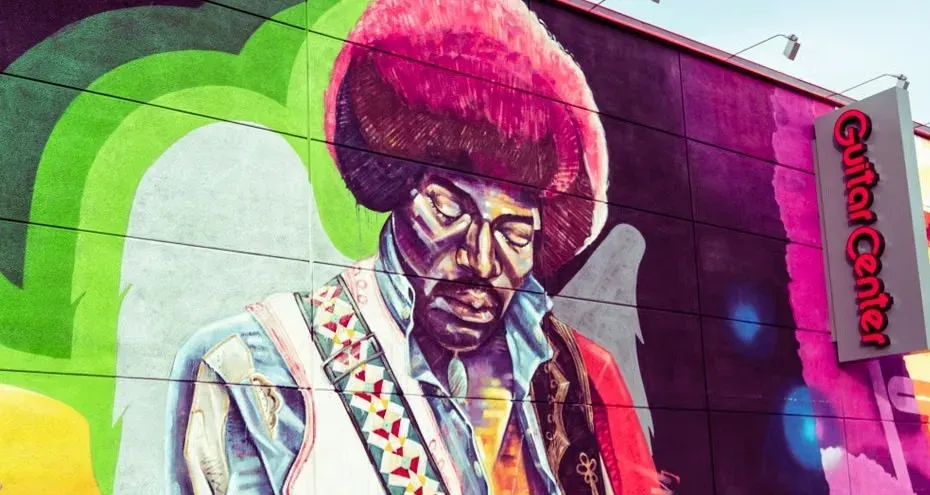
Hendrix enlisted in the U.S. Army in 1961 and trained as a paratrooper with the 101st Airborne Division at Fort Campbell, Kentucky. He earned his parachute wings, and the unit’s “Screaming Eagles” patch later became part of his story.
His service was short. He was discharged in 1962 after an injury, and he then turned to playing guitar full time. Within a few years he was reshaping rock with the Jimi Hendrix Experience.
Johnny Cash
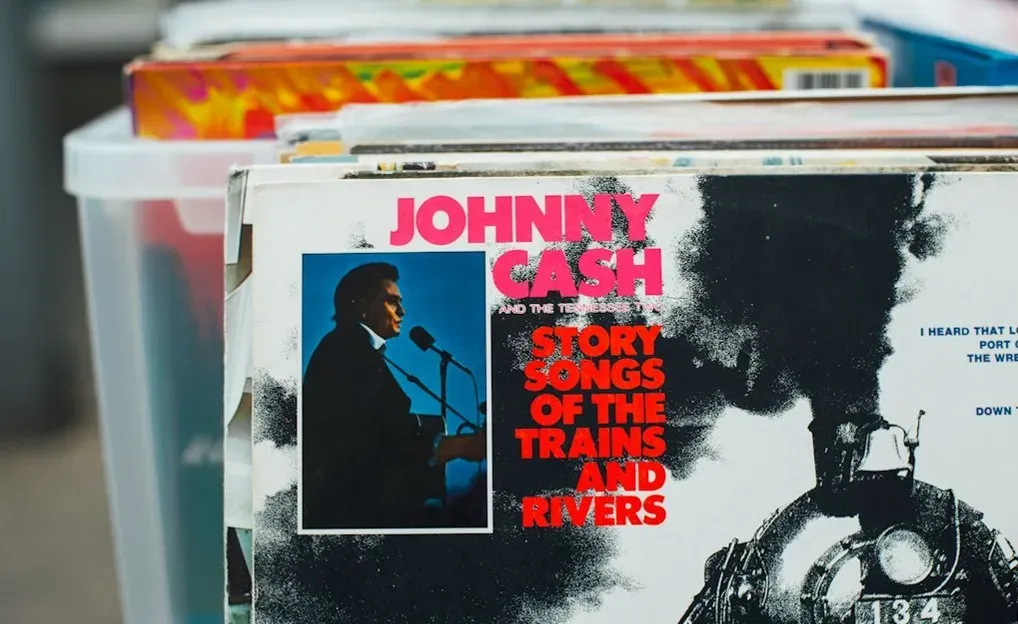
Cash joined the U.S. Air Force in 1950 and was stationed in West Germany. He worked as a radio intercept operator, listening to Soviet Morse code transmissions. It was there that he bought his first guitar and began writing songs.
He left the service in 1954 and soon signed with Sun Records in Memphis. His early hit “Folsom Prison Blues” was reportedly inspired by a film he watched while stationed overseas.
Bill Withers

Withers enlisted in the U.S. Navy at seventeen and served for nine years, working as an aircraft mechanic. He later said the time shaped his discipline, though he didn’t begin a music career until after leaving the service.
He was in his early thirties when “Ain’t No Sunshine” became a hit in 1971. His late start is part of what makes his story so distinctive among soul singers.
Tony Bennett
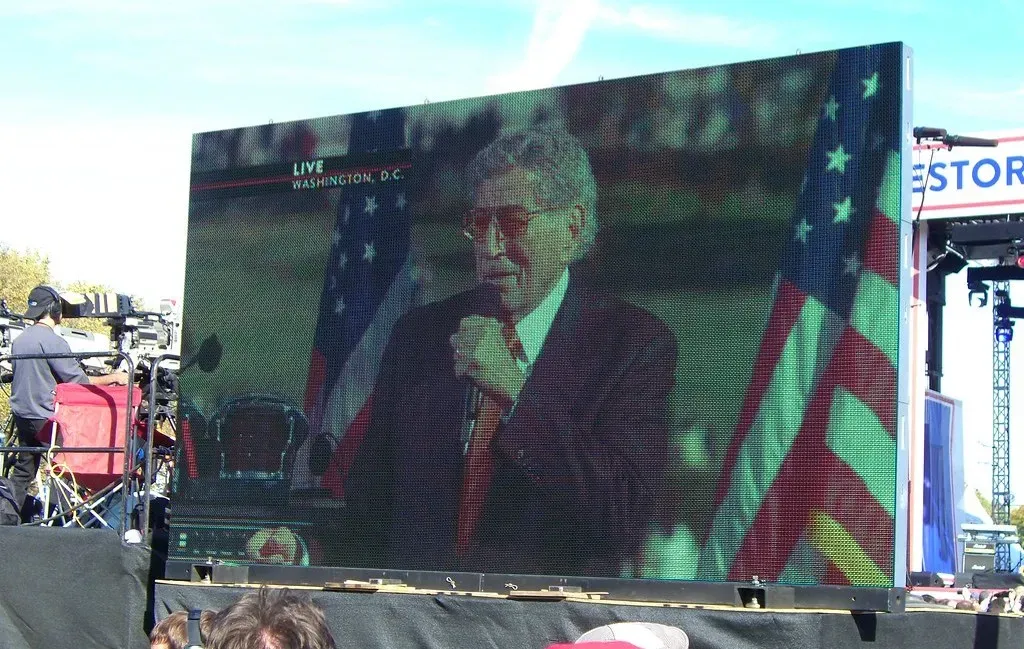
Bennett was drafted into the U.S. Army in 1944 and fought in Europe during World War II. He served as an infantryman and saw combat late in the war. He also took part in the liberation of a concentration camp, an experience that stayed with him for life.
After the war he used the G.I. Bill to study at the American Theatre Wing, which helped launch his singing career. He went on to become one of the great interpreters of the American songbook.
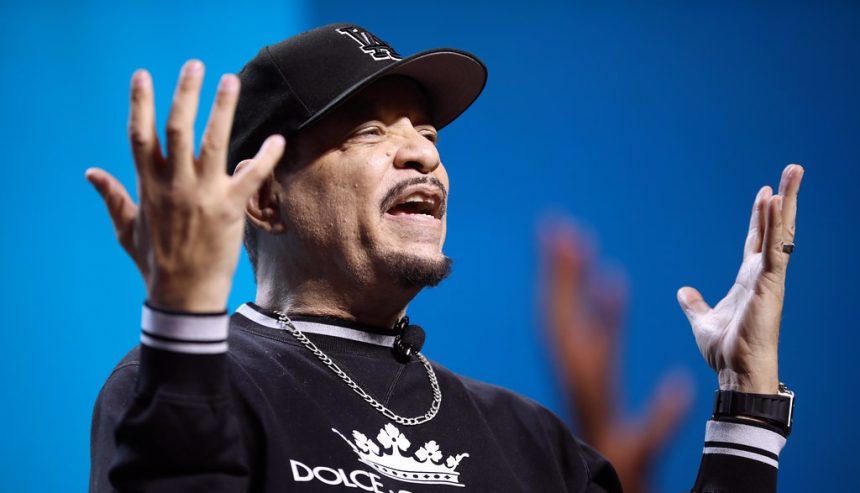
Ice-T
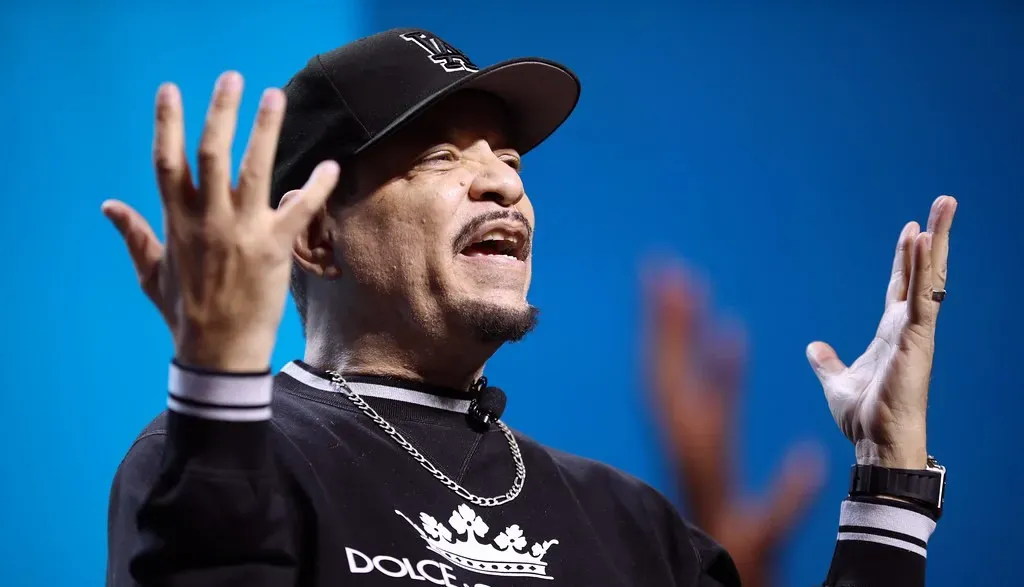
Before rap fame, Ice-T joined the U.S. Army and served in the 25th Infantry Division in Hawaii. He enlisted in his late teens, partly to support his young daughter. He has described the Army as a place that gave him structure.
He left the military and returned to Los Angeles, where he became a pioneer of gangsta rap. Later he found a second career as an actor, notably on Law & Order: SVU.
Bea Arthur’s Contemporary: Pat Boone? No, Meet Gene Autry
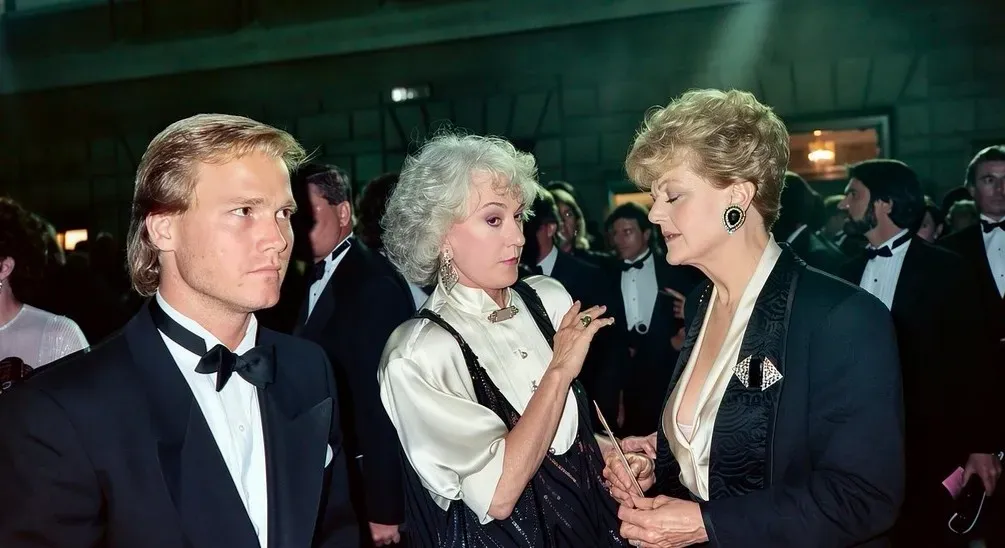
Gene Autry, the “Singing Cowboy,” enlisted in the U.S. Army Air Forces in 1942, when he was already a major star. He became a flight officer and flew transport missions in the China-Burma-India theater.
After the war he returned to entertainment and later became a successful businessman, owning the California Angels baseball team. His recording of “Here Comes Santa Claus” remains a holiday standard.
Kris Kristofferson
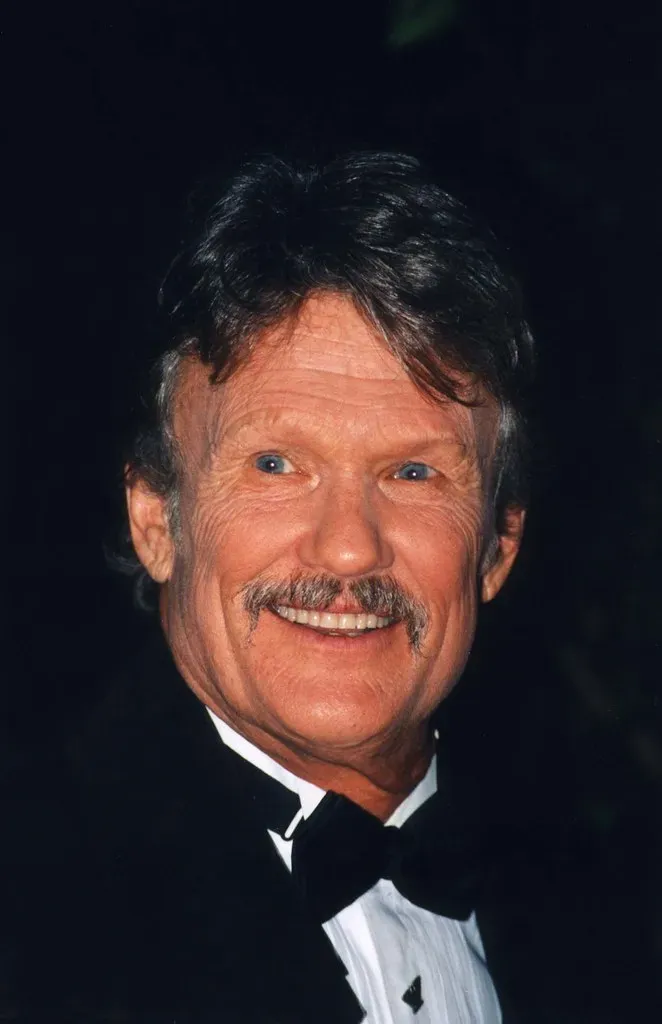
Kristofferson was a Rhodes Scholar at Oxford and then joined the U.S. Army, becoming a captain and helicopter pilot. He was offered a teaching post at West Point, but he chose instead to move to Nashville and pursue songwriting.
That decision cost him his family’s approval for a time. He went on to write “Me and Bobby McGee” and “Sunday Mornin’ Comin’ Down,” and he also had a long acting career.
Each of these artists brought something different out of uniform, whether discipline, restlessness or a story worth singing about.