
Walk through a typical American home in 1955 and you’d spot plenty of things that now look like museum pieces. Some vanished because technology moved on. Others faded as habits, regulations and shopping patterns changed.
The nine items below were once ordinary parts of daily life. None is completely extinct, since collectors, antique shops and a few stubborn users keep them around. Still, they’ve gone from the everyday to the unusual.
The Milk Box on the Front Step

Milk delivery to the doorstep was a routine service for many households. Bottles arrived early in the morning, and families often kept an insulated metal or wooden box by the door to protect them from heat and thieves. Some older houses even had a small built in milk door that opened from outside to inside.
Supermarkets and home refrigerators changed the math. Once families could buy several gallons at a time and store them safely, a daily delivery stopped making sense. A handful of dairies still run home delivery, but the service is now a niche offering, and those old boxes mostly show up as planters.
The Icebox

Before the electric refrigerator took over, many homes kept food cold with a wooden or metal icebox. A block of ice sat in an upper compartment, and the melting water drained into a pan below. Iceman routes were a familiar sight in some neighborhoods well into the postwar years.
Electric refrigerators had spread to most American homes by the 1950s, and the icebox became a leftover from an earlier era. Today you’ll find them as antiques or restored decor. Nobody is hauling ice up the back stairs anymore.
The Wringer Washer
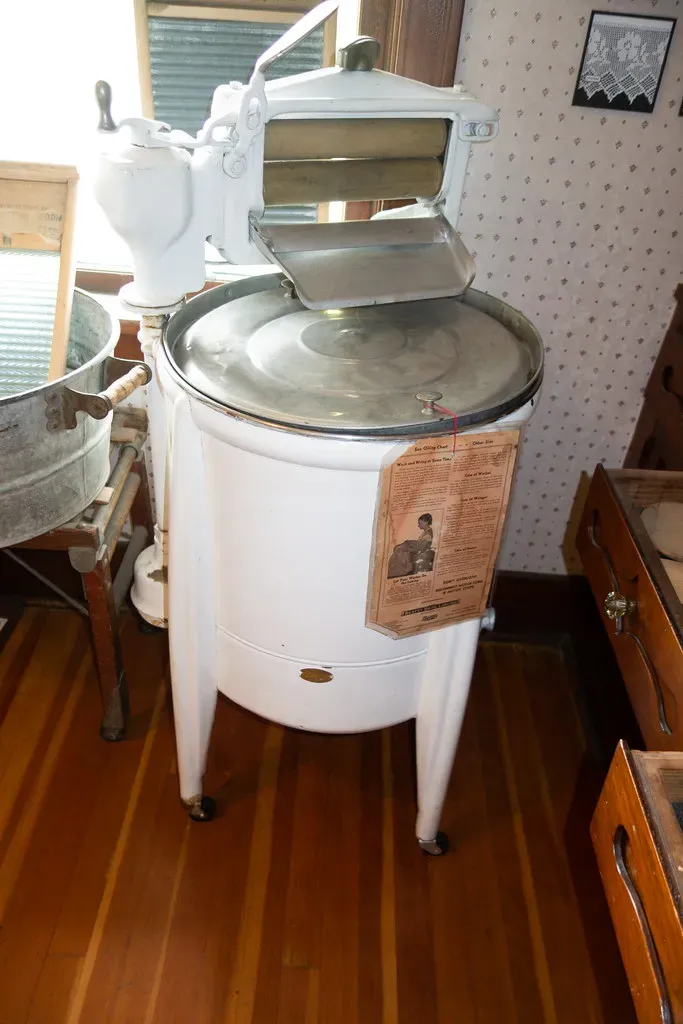
A wringer washer had a tub for agitating clothes and two rollers on top for squeezing out water. You fed each wet garment through by hand, which worked well, though it demanded attention. Fingers, sleeves and the occasional button could get caught, and the machines had a reputation for injuries.
Automatic washers gradually replaced them because they handled washing, rinsing and spinning without constant supervision. Production of wringer models continued for decades in the United States, but they became a rarity in ordinary homes. Today they survive mainly in rural pockets, among some communities that prefer simpler machines, and in collections.
The Party Line Telephone
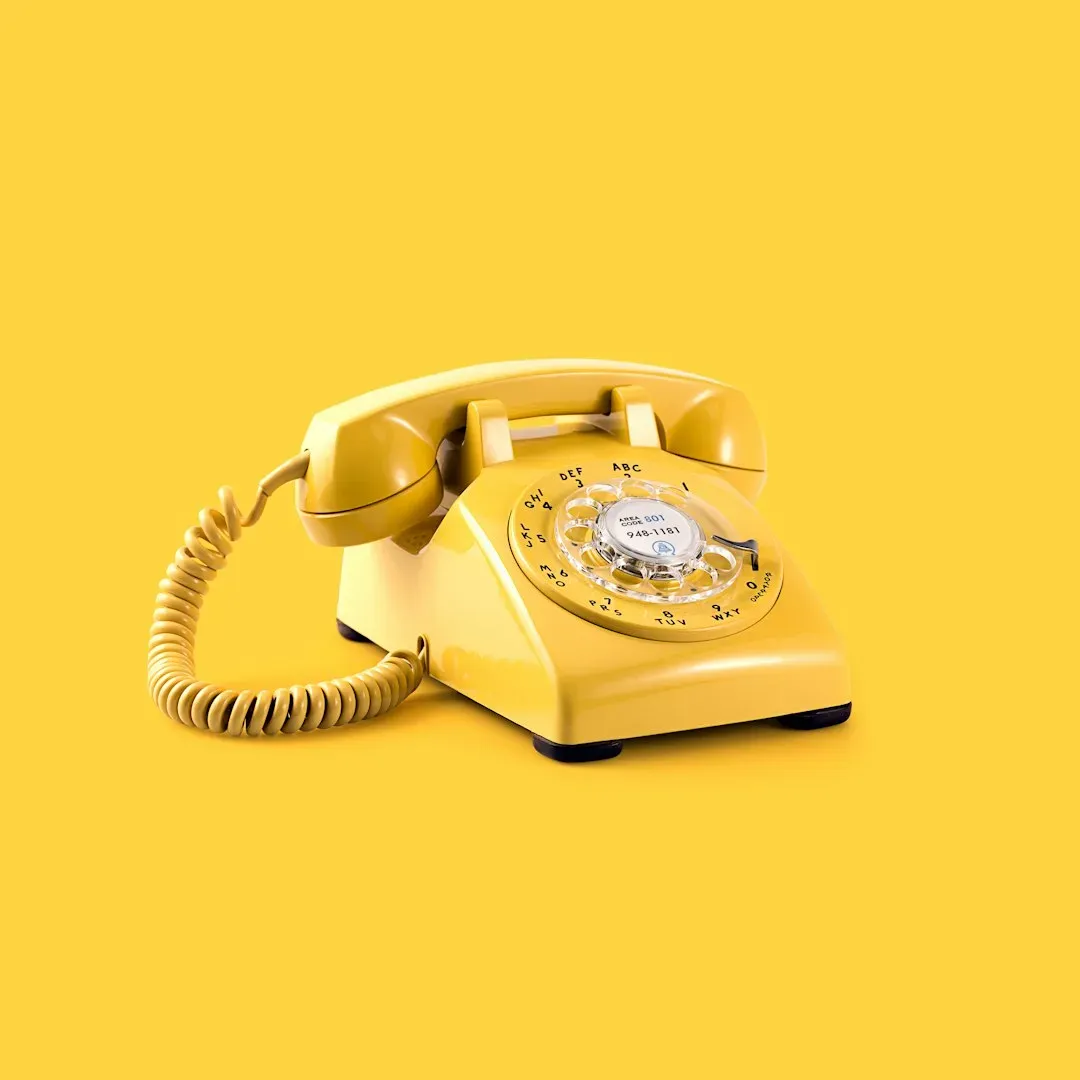
In many areas, several households shared a single telephone line. Each home had its own ring pattern, so you had to listen for your signal. Anyone on the line could pick up and hear a neighbor’s call, which made privacy a matter of good manners.
Private lines gradually became standard as phone networks expanded and demand grew. Party lines faded out over the following decades, and mobile phones have since made the whole idea feel foreign. The rotary dial desk phone that went with that era has also largely disappeared from daily use.
The Console Radio and Record Player
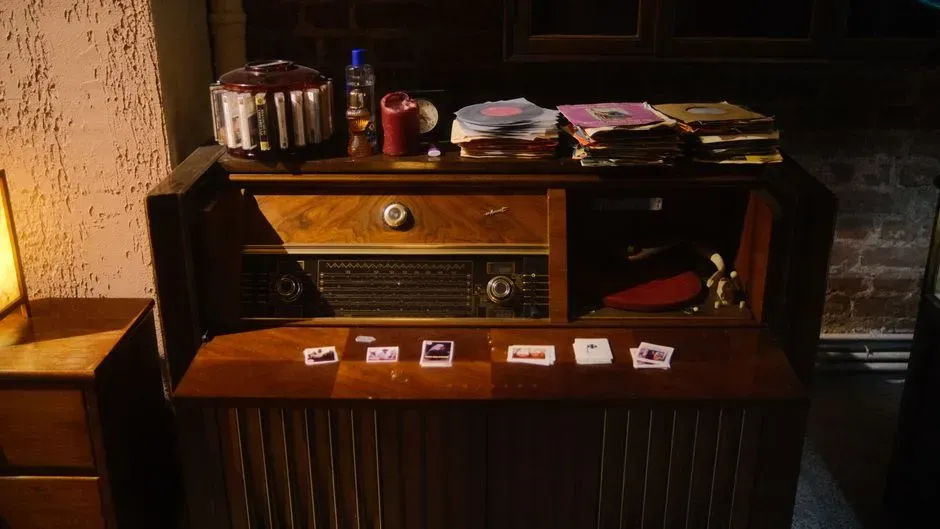
Large wooden console units often sat in the living room like a piece of furniture. Many combined a radio with a turntable, and the cabinet doubled as a statement of taste. Families gathered around them for music, news and radio programs.
Television took over the central spot in the room, and smaller, cheaper audio gear followed. Streaming and smartphones have since made a dedicated entertainment cabinet unnecessary. Vinyl has had a revival, but the old console itself is now a vintage find, not a household staple.
The Coal Chute and Coal Furnace

Plenty of houses were heated with coal, delivered through a small metal door in the foundation wall. The coal dropped into a basement bin, and someone had to feed the furnace and clear out the ash. It was dirty work, and the smell and soot were part of the routine.
Oil and natural gas heating became more convenient, and later electric systems added another option. Cleaner air rules and the sheer effort of coal also pushed households away from it. If you see a small iron hatch near the base of an old house, that’s often a coal chute that was sealed long ago.
The Living Room Ashtray
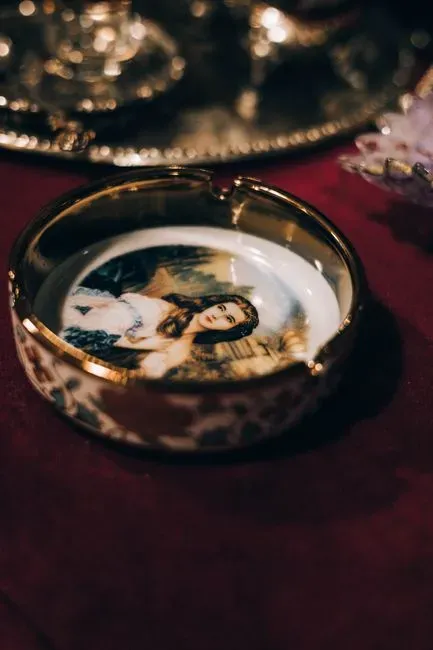
Ashtrays were everyday objects in 1950s homes, set on coffee tables, end tables and side stands. Hosts kept a few handy for guests, and decorative versions in glass, ceramic or brass were common gifts. Smoking indoors was far more socially accepted than it is now.
Growing awareness of the health risks of smoking, along with a long decline in smoking rates, changed how homes looked and smelled. Smoke free rules in public places also helped shift habits at home. Today an ashtray is more likely to be a vintage collectible than a standard piece of living room decor.
The Encyclopedia Set
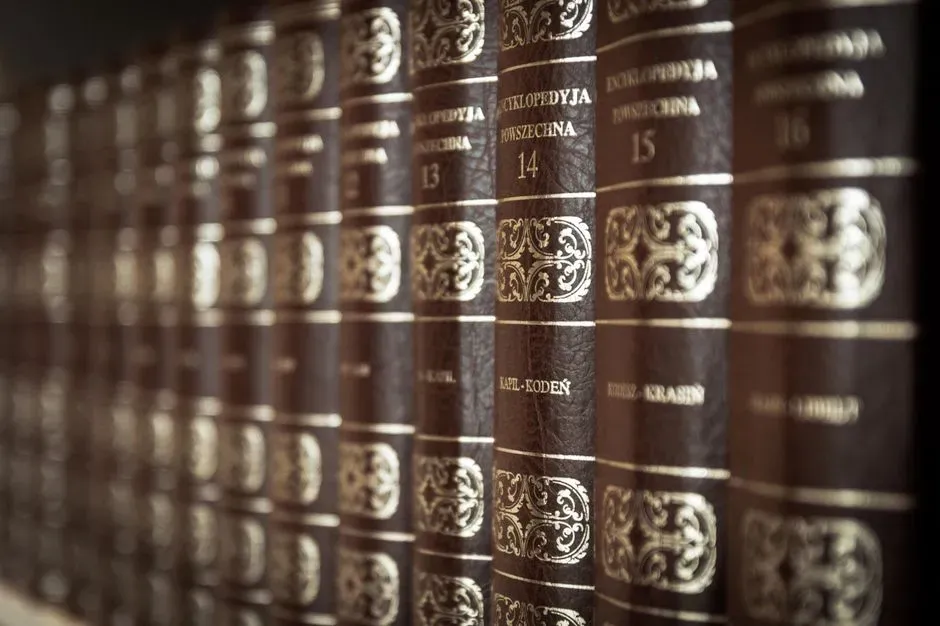
A shelf of bound encyclopedia volumes was a mark of a household that valued learning. Parents bought them for children’s homework, sometimes through door to door sales or installment plans. They were heavy, expensive and a little imposing.
Digital reference tools made them unnecessary. Encyclopaedia Britannica announced in 2012 that it would stop printing its print edition and focus on digital products. Used sets are now widely available secondhand, and many are donated or recycled.
S&H Green Stamps
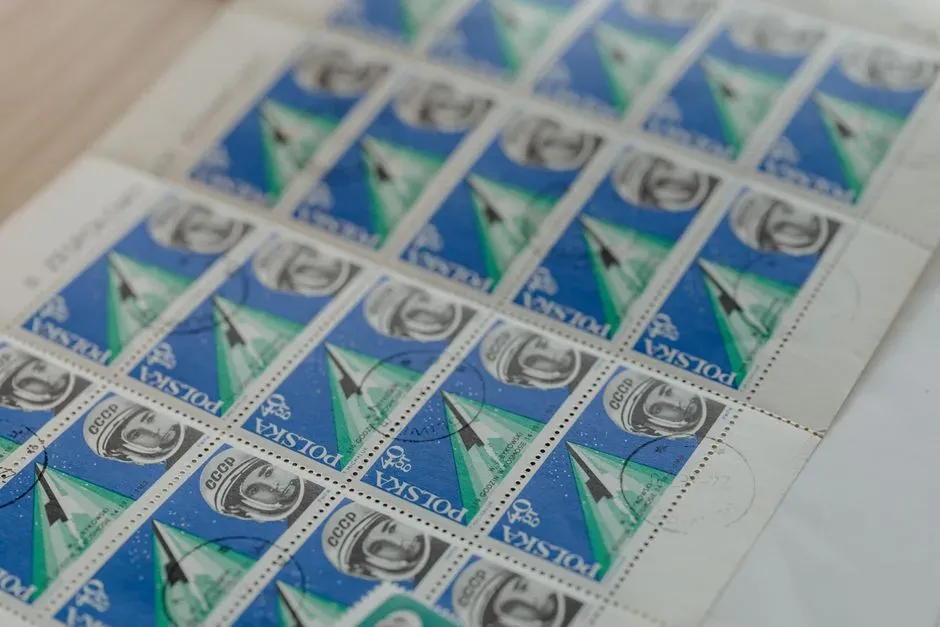
Shoppers received small adhesive stamps at checkout, which they pasted into booklets and later exchanged for household goods. Filling a book felt like a slow, tangible reward. The system was a regular part of grocery and gas station shopping for many families.
Modern loyalty cards and phone apps took over the same job with less paper. The S&H name survived in various forms, but the sticky stamp booklet is no longer part of daily shopping. Old booklets turn up in attics and antique shops as small relics of mid century consumer habits.