There’s a quiet thread running through the history of popular music that doesn’t always get named directly: some of the most emotionally powerful songs ever written came from people who grew up with a mother-shaped hole in the center of their world. Absence, whether through death, abandonment, or distance, has a way of pressing itself into creative work. It becomes a compass point that artists keep returning to, consciously or not. The nine musicians gathered here each experienced that absence in different ways. Some lost their mothers suddenly; others were surrendered to relatives and grew up in the complicated space between presence and absence. All of them turned that wound into art that outlasted them or continues to define them.
1. John Lennon
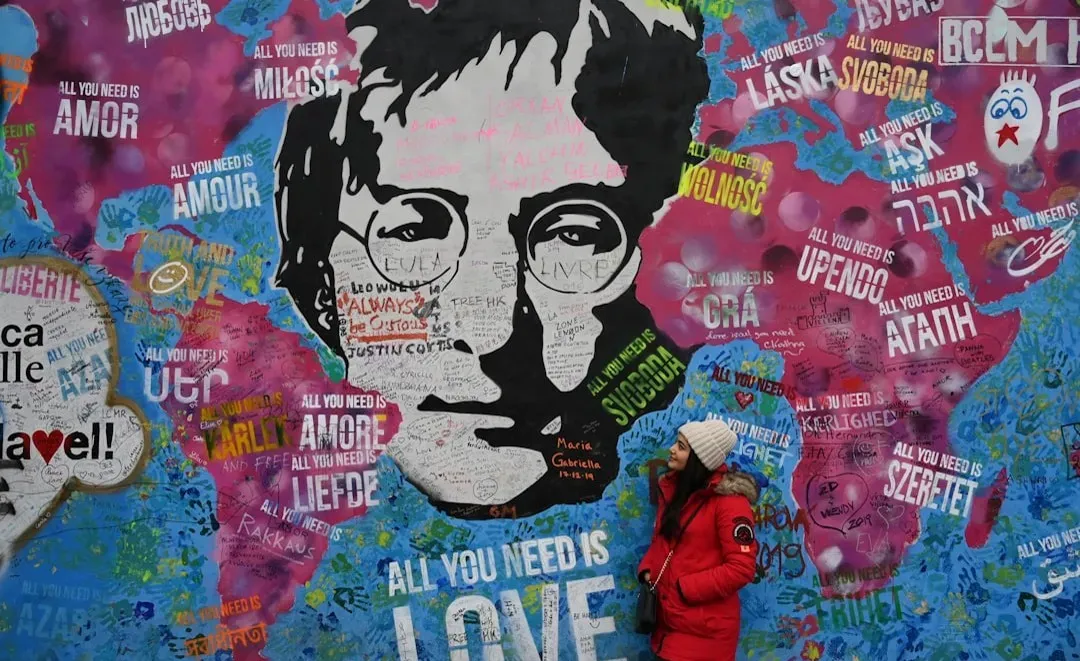
John Lennon was raised by his aunt Mimi Smith from the age of five, after his parents Julia and Alfred Lennon separated. Julia, who was described as high-spirited and musical, taught her son John how to play the banjo and the ukulele – a bond of warmth that made what followed all the more devastating. Later in life, John remarked that he had lost his mother twice: once at five, when he was sent to live with his aunt, and once at seventeen when she died.
An off-duty policeman struck Julia in the street in 1958, killing her instantly. Julia’s death traumatised John, and it also served to draw him closer to McCartney, who had also lost his mother at an early age. Songs such as “Mother” and “My Mummy’s Dead” were both written under the influence of Arthur Janov’s Primal Scream therapy and released on his solo album John Lennon/Plastic Ono Band in 1970. Biographer Ian MacDonald wrote that Julia was, “to a great extent… her son’s muse.”
2. Paul McCartney
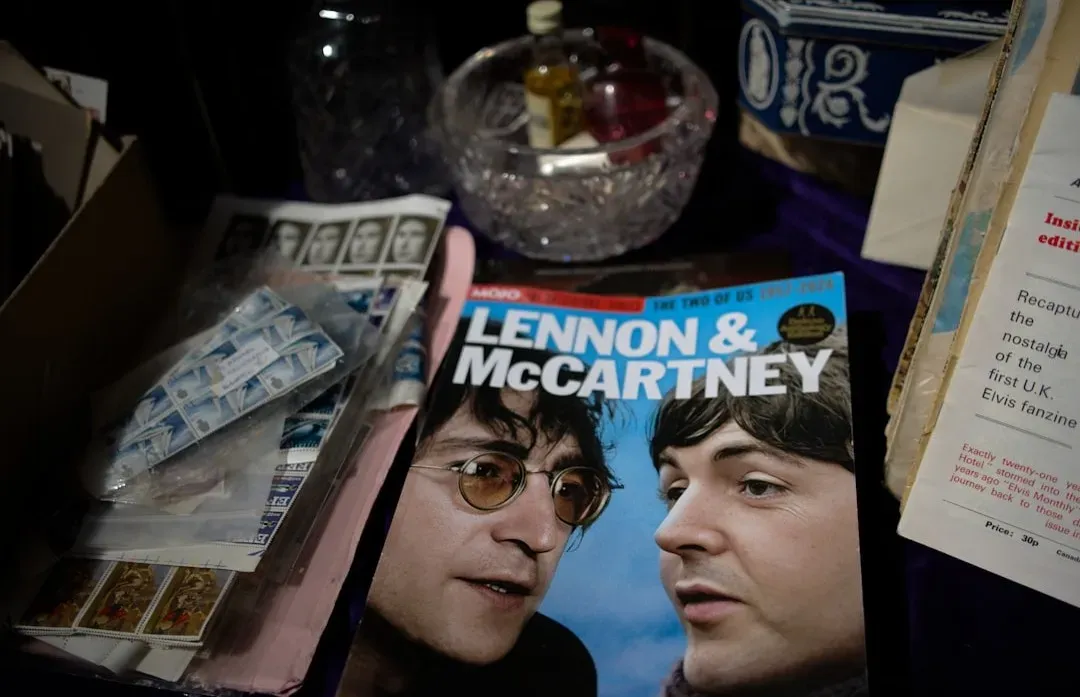
Mary Patricia McCartney died on 31 October 1956 at the age of 47. She had been suffering from breast cancer, and died of an embolism shortly after an operation to stop the spread of the disease. Paul was just fourteen years old when his mother died of cancer. It was a loss that left him suddenly adrift, reaching for music in a way that only someone grasping for comfort truly can.
“Let It Be,” the classic song written by Paul McCartney, was inspired by a dream about his mother. McCartney confirmed that the “Mother Mary” mentioned in the song is his own mother, not a religious figure. The loss also served to draw him and Lennon closer personally and creatively, bonded by a shared grief that few others in their circle could truly understand.
3. Tupac Shakur
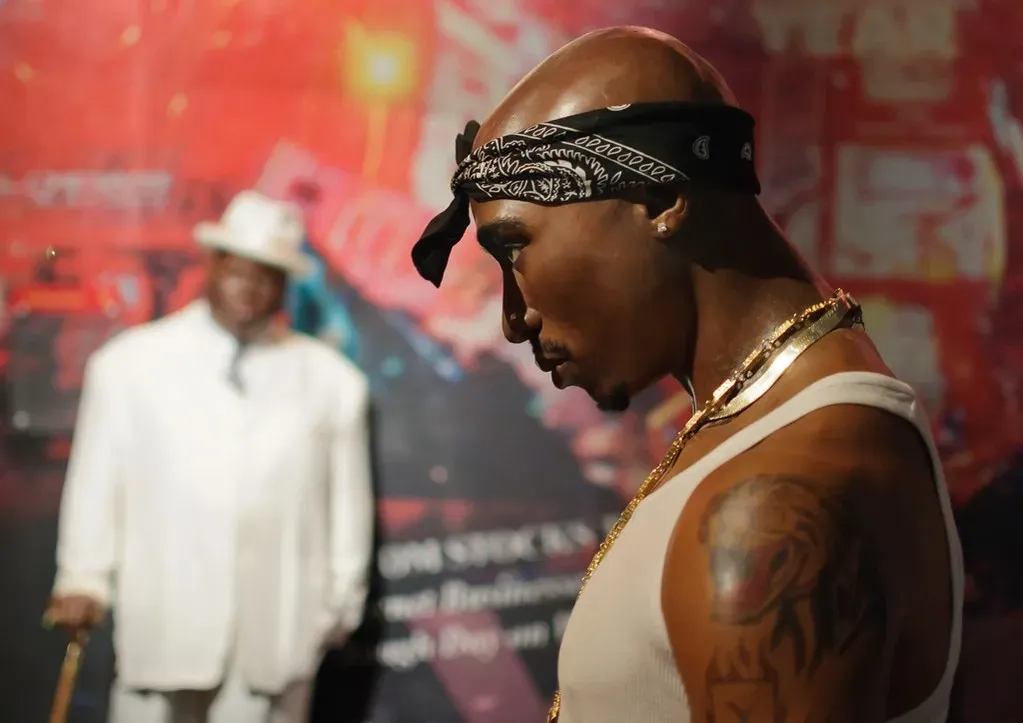
The son of two Black Panther members, Tupac Shakur was born in New York City. His parents had separated before he was born, and Afeni, his revolutionary mother, moved him and his sister around the country for much of their childhood. Frequently, the family was at the poverty level, but Shakur managed to gain acceptance to the prestigious Baltimore School of the Arts as a teenager, where his creative side flourished as he began writing raps and acting.
Afeni raised Tupac without a father, as they had split from each other before Tupac was born. The instability of that childhood, fatherless and frequently homeless, produced an artist whose relationship with his mother was deeply complicated and deeply documented. He was one of the most influential musical artists of the 20th century and a prominent political activist, and the urgent empathy that runs through so much of his music traces directly back to witnessing his mother’s struggles. Songs like “Dear Mama” stand as one of the most searching tributes to maternal sacrifice in the history of recorded music.
4. Eminem

Eminem grew up in poverty and was raised by a single mom. His relationship with his mother, Debbie Nelson, was far from nurturing. She has been described by Eminem in interviews and song as neglectful and unstable, and much of his early catalog was fueled by the particular anguish of a child who felt unseen and unprotected by the one person who was supposed to be there.
Rather than finding comfort in a mother’s presence, Eminem found fuel for some of the most confessional and emotionally raw records of the 1990s and 2000s. Songs like “Cleanin’ Out My Closet” and “My Name Is” filtered the wounds of his upbringing through blistering, sometimes darkly comic, hip-hop. The irony is striking: the very absence of a steady maternal figure that scarred him became the engine of an unparalleled creative voice that rappers like Nas, Jay-Z, and others have cited as an inspiration.
5. Jay-Z
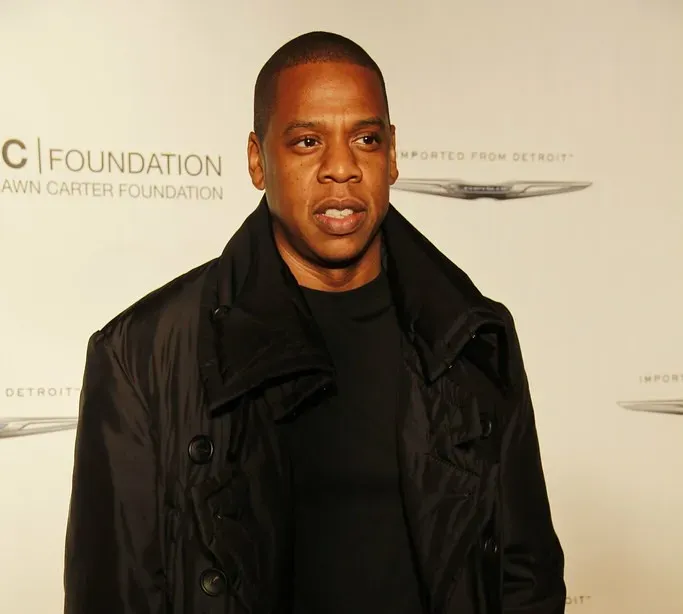
Jay-Z, born Shawn Carter in Brooklyn, was largely raised by his mother Gloria Carter after his father, Adnis Reeves, abandoned the family when Jay-Z was still young. While his mother was present in his life, the painful absence of his father and the instability that followed shaped a worldview that runs through practically every verse he has ever written. His debut album, “Reasonable Doubt,” is steeped in the texture of a childhood where adults couldn’t always be counted on.
Partner offer
The complicated emotional landscape of growing up without a fully stable parental foundation eventually produced one of Jay-Z’s most poignant moments: his 4:44 album, released in 2017, which included the track “Smile,” a tribute to his mother and her truth. Shakur’s body of work, much like Jay-Z’s, encompassed contrasting themes including social inequality, injustice, compassion, and hope – and in both cases, the roots of that complexity stretch back to the instability of early family life.
6. Kurt Cobain
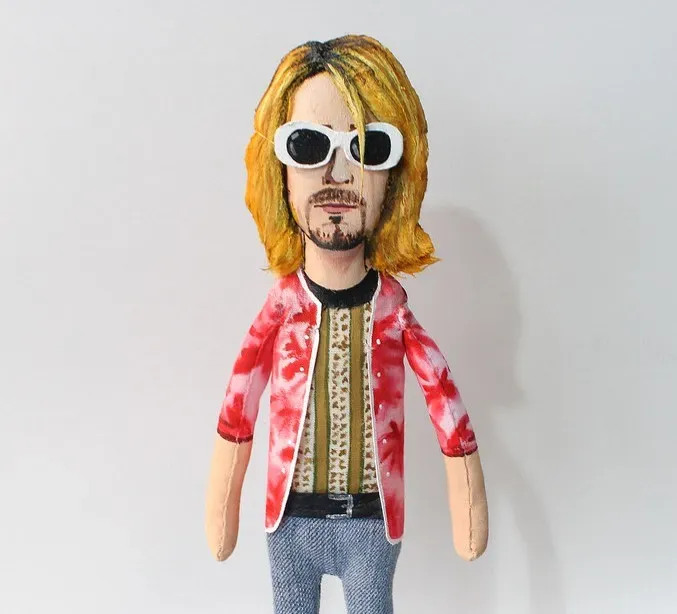
Kurt Cobain’s parents divorced when he was nine years old, and the split left him cycling between relatives, unable to settle anywhere. He has spoken candidly in interviews about feeling profoundly unwanted in the years that followed. His mother Wendy eventually remarried and built a new household that Cobain didn’t always fit into, and he spent portions of his adolescence couch-surfing and living under a bridge in Aberdeen, Washington.
That displaced, unwanted feeling is essentially the emotional DNA of Nirvana’s music. The distortion and anguish of songs like “Dumb,” “Pennyroyal Tea,” and “Something in the Way” make far more sense when set against the backdrop of a boy who craved stability and never quite found it. Artists like Tupac Shakur and Kurt Cobain had a strong influence on popular music by providing fans with timeless music instead of just being part of a trend – and that timelessness, for Cobain, was purchased at a very personal price.
7. Alicia Keys

Born as Alicia Augello-Cook in 1981, Alicia Keys owes much to the single mother who raised her alone from age two onward. Her mother was a paralegal and part-time actress. Keys was effectively raised as an only child, although her estranged father had two children by other relationships. Growing up in the Hell’s Kitchen neighborhood of Manhattan, she was largely fatherless, and her mother carried the full weight of raising a musically gifted child in a demanding city.
That singular, striving mother-daughter dynamic runs through Keys’ entire catalog. Her music is full of the kind of emotional directness that comes from someone who learned very young that vulnerability is not weakness. The piano-driven intimacy of her work, from “Fallin'” to “If I Ain’t Got You,” reflects a child who had to process large emotions in small spaces. The absence of one parent and the fierce presence of the other created an artist who understood both need and resilience from the inside out.
8. Mariah Carey

Mariah Carey had a toxic relationship with her mother when she was growing up and stated that she subjected her to significant neglect as a child. This was only worsened by Mariah’s fame, as her mom grew jealous of her own daughter. She stated that her mom’s interest in her was never unconditional. For Mariah, it wasn’t the physical absence of a mother that shaped her – it was the emotional absence inside a presence that could never quite be trusted.
The effect on her music is everywhere. Mariah has spoken about using songwriting as a private language, a way to process pain that had no other outlet. Her vocal acrobatics are dazzling, but the ache underneath them is real. Albums like “Butterfly” and “The Emancipation of Mimi” carry the weight of a woman who taught herself to survive in an environment where even love from her own mother came with conditions attached. That survival instinct is inseparable from her artistry.
9. Mary J. Blige
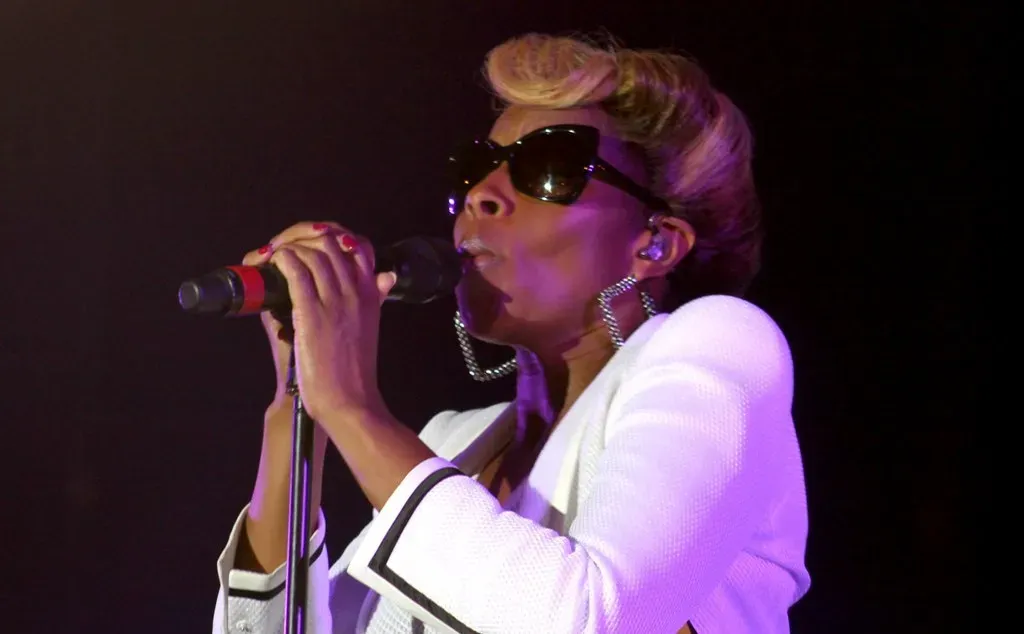
R&B and soul artist Mary J. Blige faced a turbulent upbringing in the Bronx, raised by her single mother, Cora Blige. Drawing from her life experiences, Blige’s powerful voice and emotional lyrics have resonated with fans worldwide, making her a musical legend. Her father was largely absent throughout her childhood, and the instability of her early years, including a period of housing insecurity, gave her songwriting an autobiographical rawness that most artists spend careers trying to fake.
Blige’s albums, particularly “What’s the 411?”, “My Life,” and “Share My World,” function almost as a running conversation with her own past. “My Life,” released in 1994, is widely regarded as one of the most emotionally honest albums in the history of R&B precisely because it doesn’t dress up pain to make it comfortable. The absence of a fully intact family structure didn’t just inform her lyrics – it determined the emotional register at which she sings, which is one of the most unguarded and recognizable in popular music.
Grief and absence are among the oldest human experiences, and music has always been one of the most natural places to put them. What’s striking about this group of artists is that none of them turned their losses into simple sorrow. They turned them into questions, into rage, into longing, and sometimes into the most tender moments their discographies contain. The wound didn’t define them. What they chose to make from it did.Partner offer
Planning a trip to Vegas?
Compare hotel rates and show tickets on VEGAS.com.