Every product on a store shelf has a backstory, but most of those stories are duller than the object itself. Then there are the handful of inventions that took a hard left turn somewhere between the lab and the living room, ending up nothing like what their creators had in mind. A chemist chasing rocket parts, a nurse cleaning up after a coal furnace, a naval engineer trying to keep instruments steady at sea. None of them set out to make the things we now take for granted. What follows are nine everyday products with origin stories that rarely make it onto the packaging. Some began as failures. Others were successful at something entirely different before someone noticed a side effect worth chasing. Either way, the gap between “what it was” and “what it became” says a lot about how invention actually works.
1. Play-Doh started life as a wallpaper cleaner
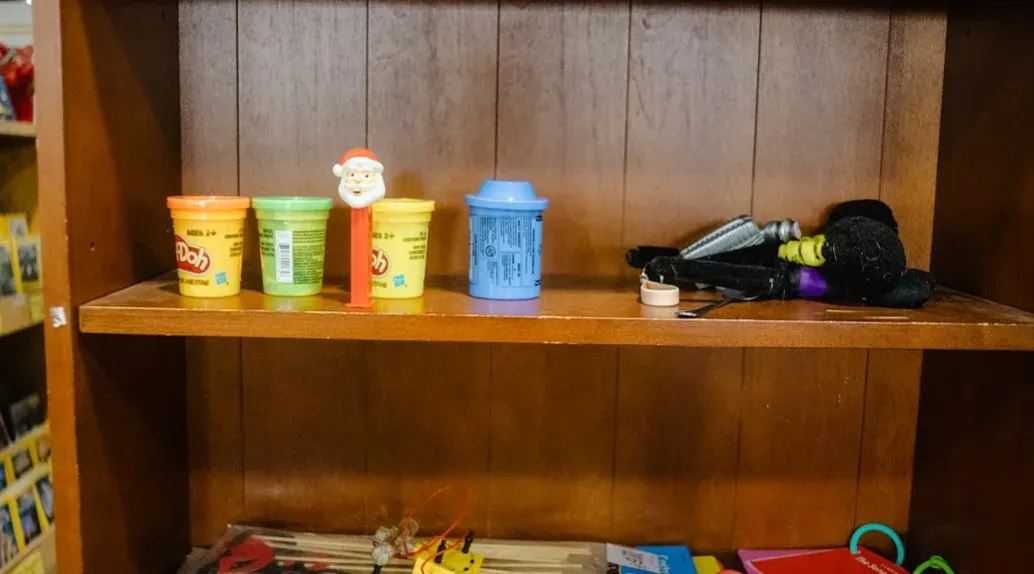
Long before it was squished into rainbow colors by preschoolers, Play-Doh was a soot remover. Back in 1912, the Cincinnati-based Kutol Products Company made a soft, doughy compound designed to lift soot from walls. Homes at the time were heated with coal, and that left a grimy film on wallpaper that couldn’t just be wiped down with water.
The cleaner sold well for decades, right up until heating habits changed. It worked like a charm, until homes switched from coal heat to cleaner fuels around 1950, and suddenly nobody needed it. The company was on the verge of folding when a relative’s connection to a nursery school teacher, who was hunting for a safer alternative to modeling clay, gave the leftover putty a second act as a toy.
2. Bubble Wrap was meant to be textured wallpaper
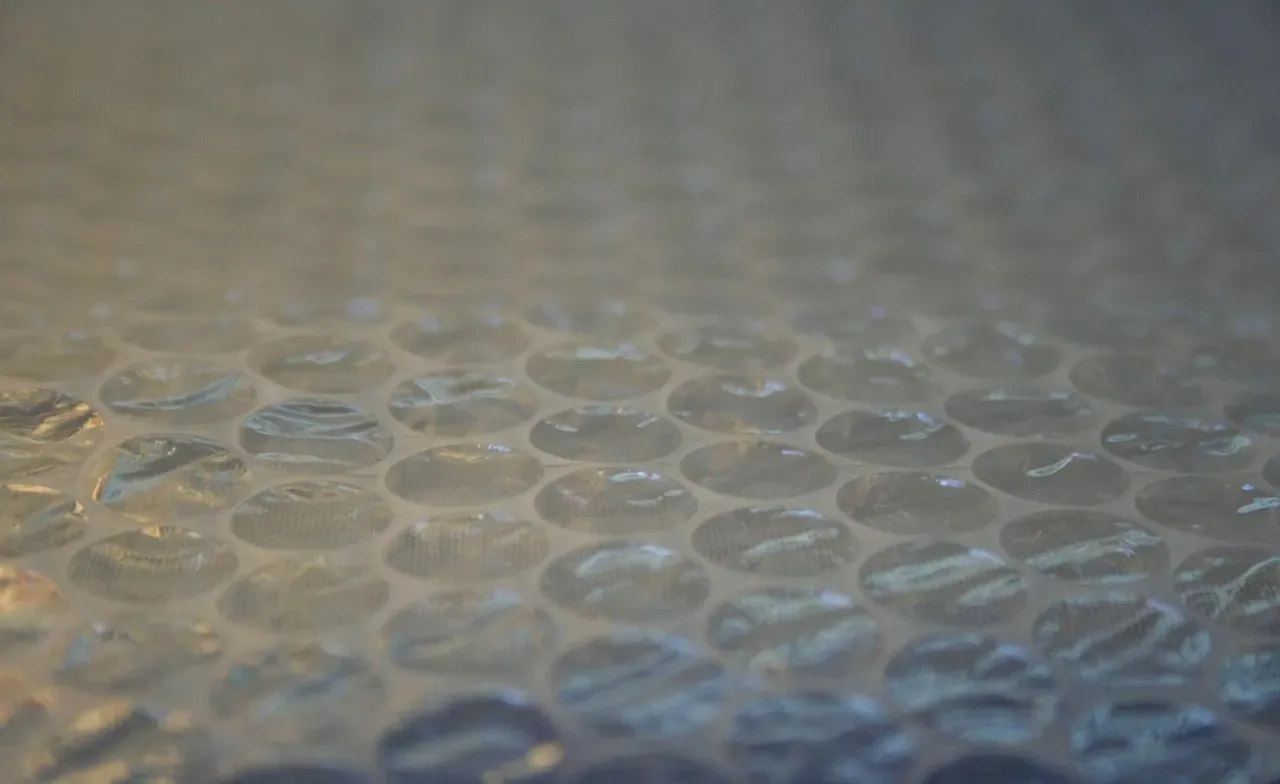
It seems almost too fitting that another item on this list also failed as home decor first. Bubble Wrap was invented in 1957 by two engineers named Alfred Fielding and Marc Chavannes, who were attempting to create a covering for walls consisting of two plastic shower curtains laminated together, which had trapped air bubbles between the layers. The look was meant to appeal to a design crowd hungry for something new.
Nobody wanted bubbled walls, so the pair pivoted. Fielding and Chavannes founded the Sealed Air Corporation in 1960, and the pair initially tested the bubble material for use as insulation in greenhouses. That flopped too, until a marketer realized the cushioning material was perfect for shipping fragile IBM computers, which is the job it has done ever since.
3. Listerine began as a surgical antiseptic
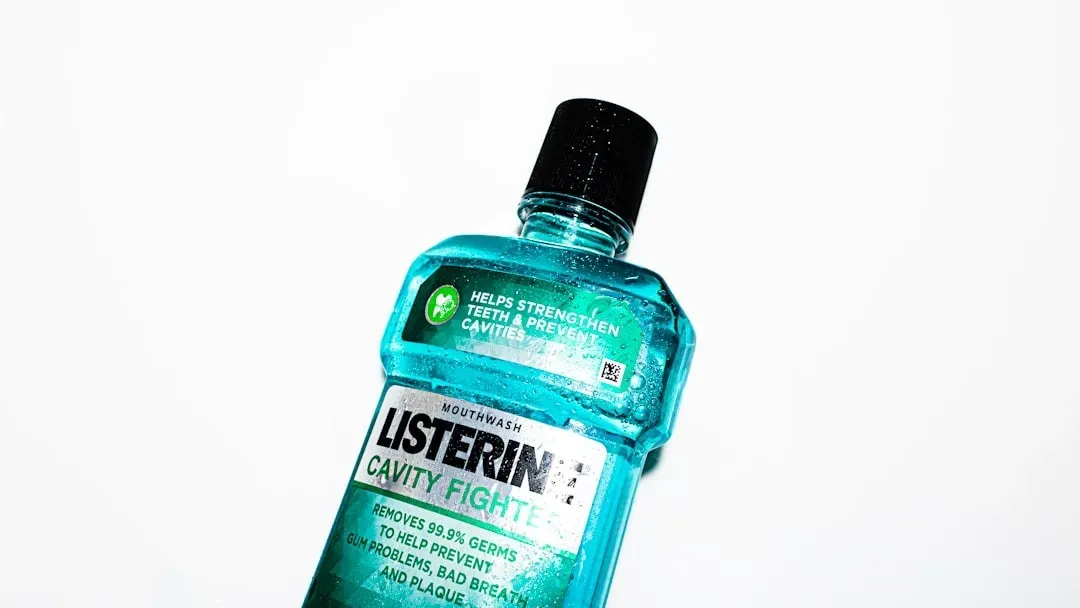
Long before it sat on bathroom shelves promising fresher breath, Listerine had a much more clinical purpose. Listerine, now a household name in oral hygiene, was originally formulated in the 19th century as a surgical antiseptic, and it was named after Joseph Lister, who pioneered antiseptic surgery. The formula was designed to kill germs on skin and surgical instruments, not to freshen anyone’s breath.
Over the following decades, the same antiseptic properties got marketed for a whole range of uses, including as a floor cleaner and a treatment for dandruff, before the company eventually settled on mouthwash as its winning application. That shift succeeded partly because of clever advertising that popularized the term “halitosis” as a medical-sounding word for bad breath, turning an ordinary condition into something people felt they needed a product to fix. The antiseptic origins are still visible in the sting of the original formula, which many people either love or can’t stand.
4. Corn Flakes were designed as a bland health food
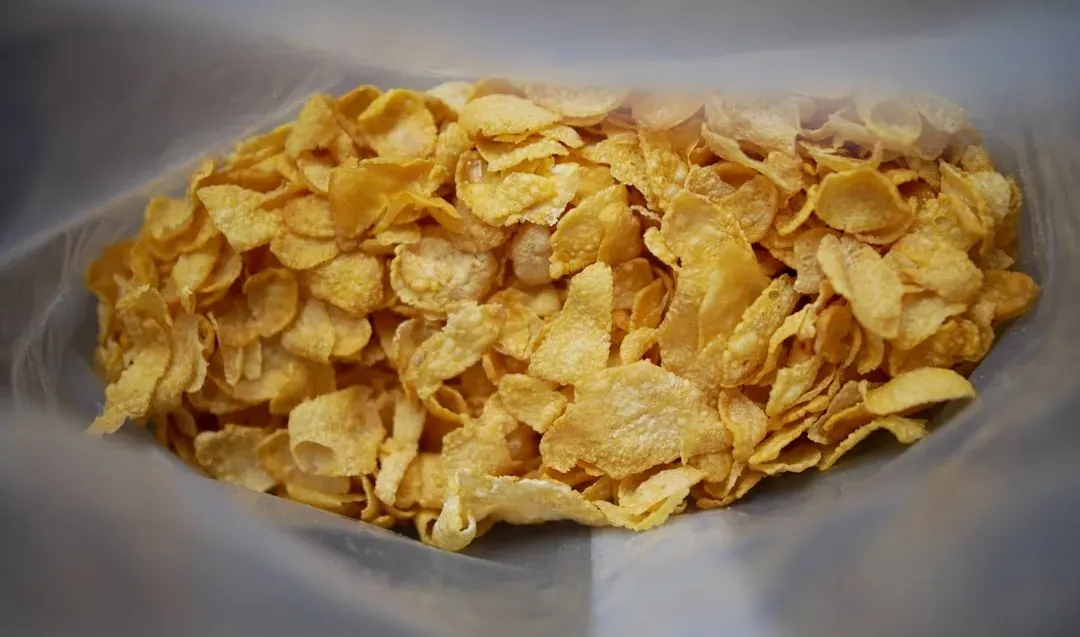
Corn Flakes weren’t dreamed up as a breakfast staple. Dr. John Harvey Kellogg developed them at his Battle Creek Sanitarium in Michigan as part of a strict dietary regimen meant to keep patients calm, regular, and free of what he considered unhealthy urges and rich, stimulating foods. The bland, dry flakes were one piece of a much larger philosophy about diet and moral discipline that dominated wellness thinking in the late 1800s.
His brother, Will Keith Kellogg, saw a commercial opportunity the sanitarium never intended and eventually added sugar to make the flakes more palatable to a general audience, which led to a business split between the two brothers. What started as an institutional health food aimed at curbing appetite became one of the most recognizable breakfast brands in the world, a transformation that had almost nothing to do with the original medical intent.
5. Coca-Cola was sold as a medicinal tonic
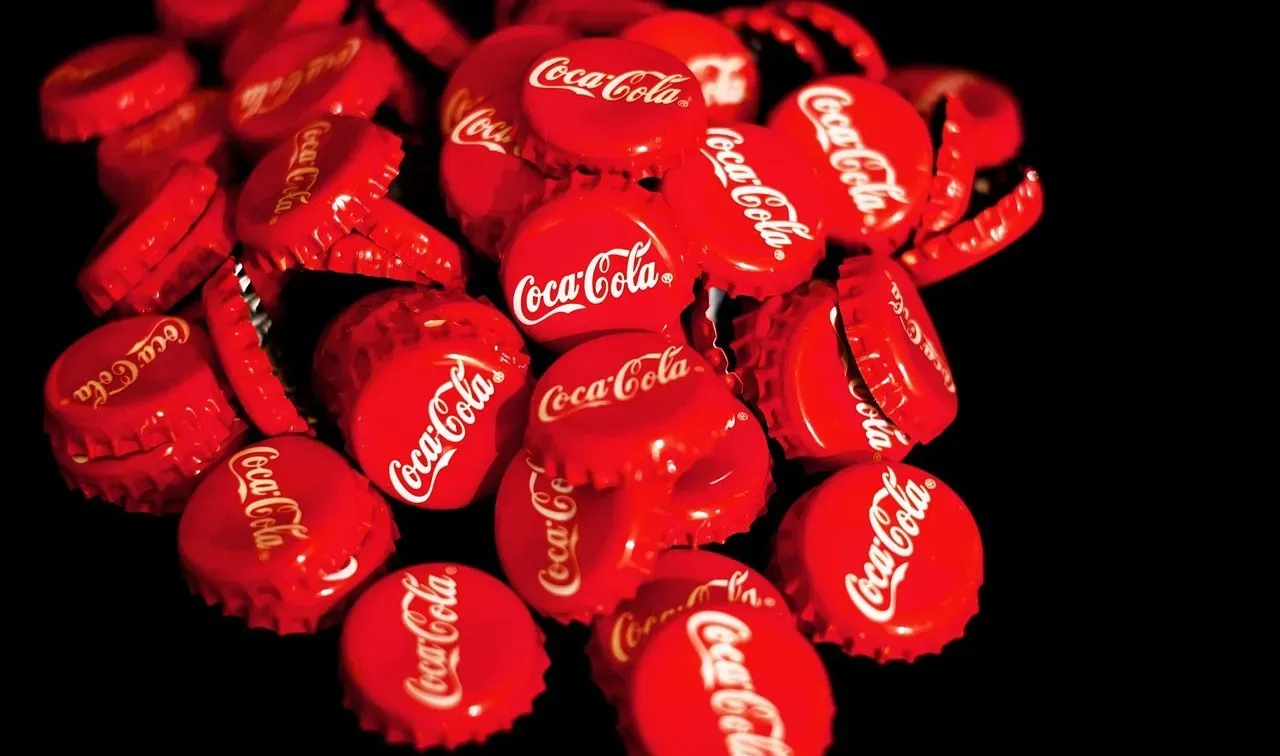
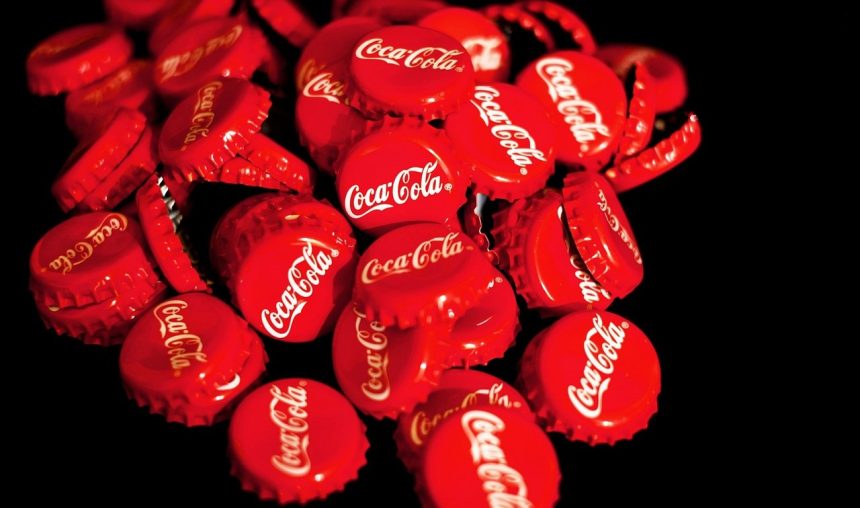
Coca-Cola’s earliest incarnation had nothing to do with refreshment on a hot day. Pharmacist John Pemberton created it in the 1880s as a patent medicine, marketed as a cure for headaches, morphine addiction, and general nervous complaints, sold through drugstores rather than as a soft drink. The original recipe included extracts from coca leaves and kola nuts, which is where the name and the caffeine kick both came from.
It was Pemberton’s business partner and later owners who reshaped it into a carbonated beverage meant purely for enjoyment, stripping out the medical claims as regulations around drug marketing tightened. The tonic framing faded quickly once the drink found its footing as a soda fountain treat, but the name never changed, a small linguistic fossil from its pharmaceutical past.
6. Viagra was built to treat chest pain
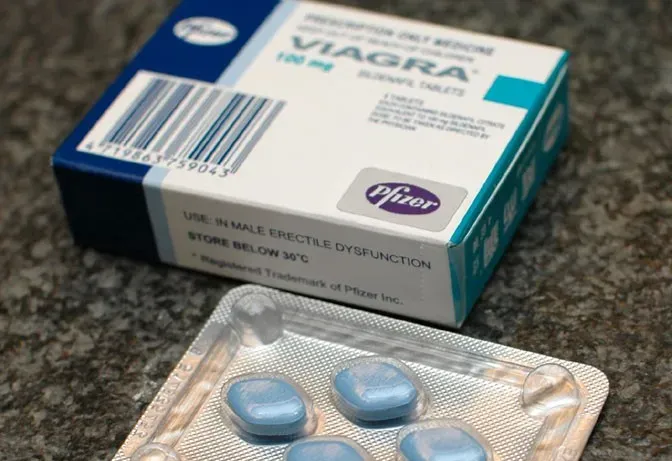
Sildenafil, the compound behind Viagra, had a very different job when Pfizer scientists first synthesized it. British Pfizer scientists Peter Dunn and Albert Wood create a drug called sildenafil citrate that they believe will be useful in treating high blood pressure and angina, a chest pain associated with coronary heart disease. The idea was to relax blood vessels around the heart and ease that pain.
The angina results were underwhelming, but researchers noticed something else during the trials. During the heart clinical trials, researchers discovered that the drug was more effective at inducing erections than treating angina, and Pfizer realized ED was an unmet medical need and a major opportunity for financial gain. In 1998, the FDA approved Viagra, the first oral treatment for erectile dysfunction, under a priority review. Sildenafil is still prescribed today for a form of pulmonary hypertension, a distant cousin of its original heart-focused purpose.
7. WD-40 was built for missiles, not squeaky hinges
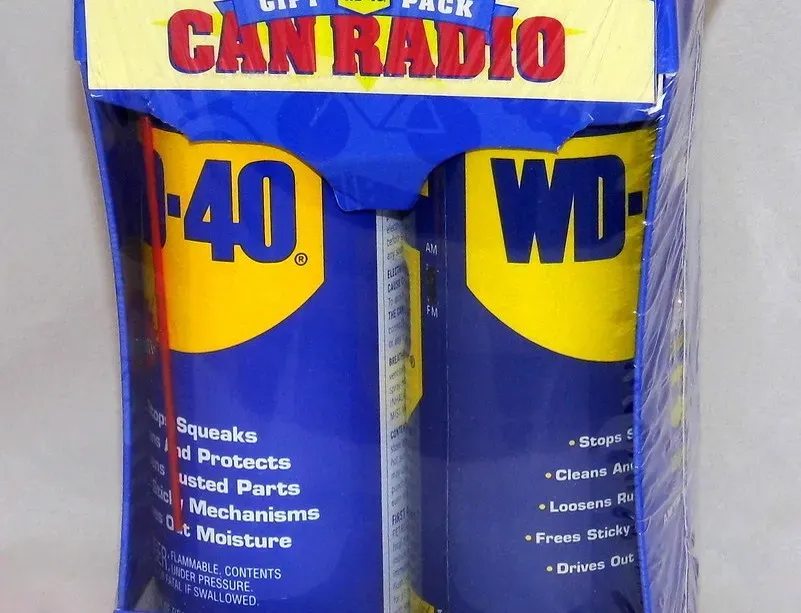
The garage staple known for silencing every squeak in the house had nothing to do with household chores at first. In 1953, in a small lab in San Diego, California, the fledgling Rocket Chemical Company and its staff of three set out to create a line of rust-prevention solvents and degreasers for use in the aerospace industry. The name itself is a technical footnote rather than a marketing invention, since WD-40 stands for Water Displacement, 40th formula.
Its first real job was protecting missile hardware. The first company to use WD-40 Multi Use Product commercially was Convair, an aerospace contractor, to protect the outer skin of the Atlas Missile from rust and corrosion. Employees liked it so much for home repairs that they started taking cans home in their lunchboxes, which eventually convinced the company to package it for consumers, and it hit store shelves in 1958.
8. The Slinky was meant to steady equipment on ships
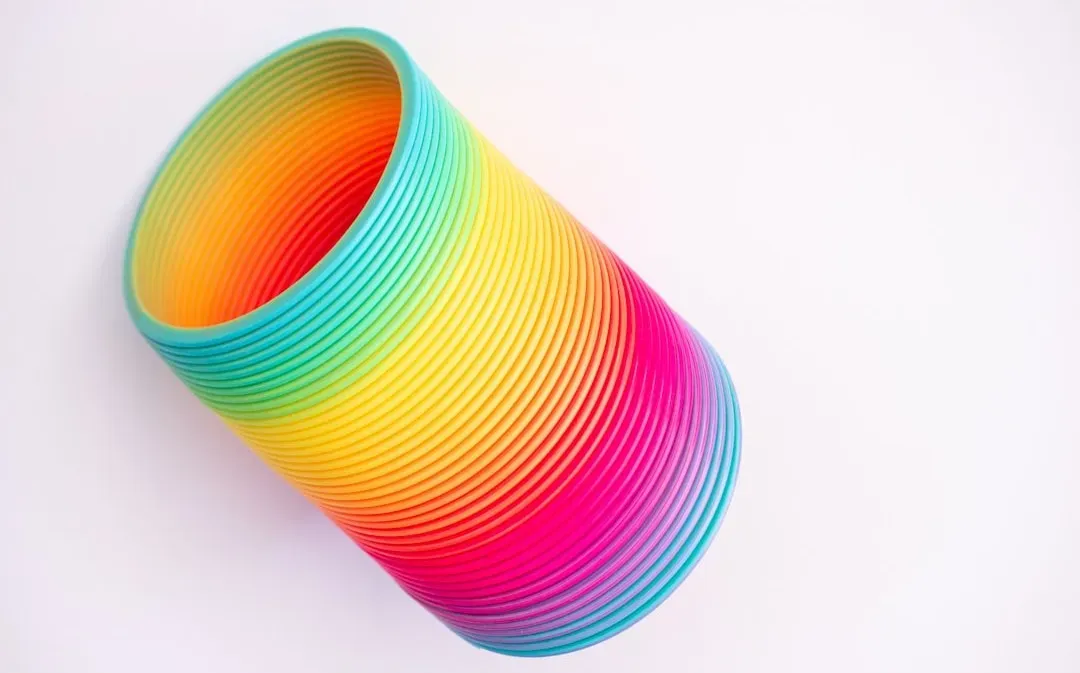
Few toys have a more literal engineering pedigree than the Slinky. In 1943, Richard T. James, a 1939 graduate of Penn State University who was stationed at a Naval shipyard in Philadelphia, searched for a way to use springs so that sensitive equipment could be operated in turbulent sea conditions. The goal was strictly practical, keeping delicate instruments from shaking apart on a rolling deck.
The toy idea arrived by accident when one of his prototypes hit the floor. While conducting his experiments, he accidentally knocked one of the springs from a shelf, and watched as it stepped in a series of arcs to a stack of books, to a tabletop, and finally to the floor, where it recoiled itself and stood upright, and later that night, James told the story to his wife, Betty, and suggested that the spring could function as a toy. Betty named it, the pair demonstrated it at a Philadelphia department store, and it sold out almost immediately.
9. Super Glue was developed for military gun sights
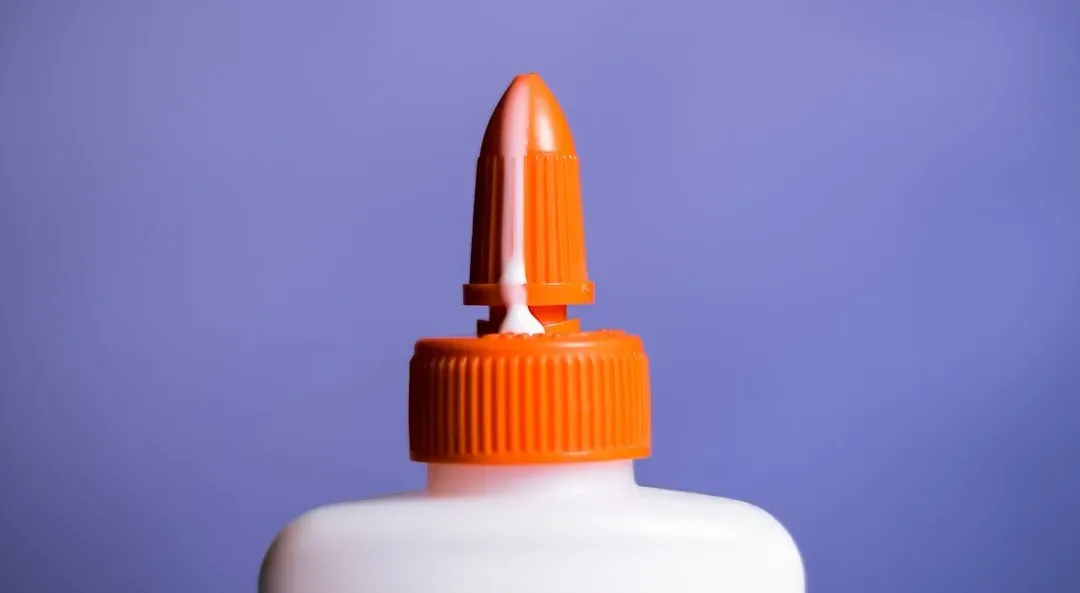
Cyanoacrylate, the adhesive behind Super Glue, first showed up during World War II as chemist Harry Coover was trying to create clear plastic for precision gun sights. The compound stuck to absolutely everything it touched, which made it useless for optics and got it shelved as a failed experiment rather than a breakthrough. Coover moved on, and the discovery sat quietly for close to a decade.
Coover rediscovered the same sticky compound years later while working on heat-resistant coatings for jet aircraft canopies, and this time he recognized what he was holding. Its ability to bond almost instantly, with no need for heat or pressure, made it a natural fit as a household and industrial adhesive rather than an optical material, and it hit the market as an adhesive in the late 1950s under the name that eventually became Super Glue.
Looking at these nine cases together, a pattern shows up more than once. A product fails at its intended job, sits around looking useless, and then someone notices it solves a completely different problem better than anything else available. Wallpaper cleaner became a toy. A missile coating became a household fix-it spray. A heart medication became something else Pfizer never expected to be famous for. None of these reinventions were planned from the start. They happened because someone paid attention to an unexpected result instead of writing it off, which is probably the real lesson buried in all nine stories.