Every year, a handful of small films slip past the big studio machine and end up rewriting what people thought was possible on a shoestring budget. Some were shot in garages or borrowed houses, others were financed on credit cards or with money scraped together from friends and family. What they share is a simple, stubborn lesson: a strong idea, executed with conviction, can outperform films with budgets a hundred times larger.
1. The Blair Witch Project (1999)
Shot on a budget widely reported at around sixty thousand dollars, this found footage horror film turned three unknown actors wandering through the woods into a cultural phenomenon. The filmmakers leaned into a viral internet marketing campaign that blurred the line between fiction and reality, convincing many early viewers the footage was genuine. That mix of low cost and clever mystery helped it become one of the most profitable films ever made relative to its budget.
Worldwide box office receipts climbed past two hundred million dollars, a staggering multiple of what it cost to produce. Studios took notice, and found footage horror became a viable genre almost overnight. The film’s success also proved that a shaky camera and genuine dread could do more than any special effects budget.
2. El Mariachi (1992)

Robert Rodriguez famously made this Spanish language action thriller for around seven thousand dollars, funding part of it by participating in a medical drug trial. He shot without a proper crew, borrowed equipment, and used local nonactors in the small Mexican town where filming took place. The result was rough around the edges but full of energy, and it caught the attention of Columbia Pictures.
The studio purchased the film and gave Rodriguez a career, eventually leading to the Desperado and Once Upon a Time in Mexico films. It remains one of the clearest examples of how far raw talent and resourcefulness can stretch a tiny budget. Rodriguez later wrote a book about the experience that became required reading for aspiring independent filmmakers.
3. Clerks (1994)
Kevin Smith wrote and directed this black and white comedy about two convenience store clerks for roughly twenty seven thousand dollars, much of it charged to credit cards and raised by selling his comic book collection. Filmed after hours in the actual store where Smith worked, the movie had no gloss and no big names attached. Its blunt dialogue and dry humor made it stand out at the Sundance Film Festival, where it was picked up by Miramax.
The film went on to earn several million dollars at the box office and helped define a specific brand of nineteen nineties indie comedy. It also launched Smith’s View Askewniverse, a connected series of films that fans still follow decades later. Clerks remains a touchstone for filmmakers who believe a sharp script can compensate for a nonexistent production budget.
4. Paranormal Activity (2007)

Oren Peli made this haunted house film in his own home with a reported budget of around fifteen thousand dollars, serving as director, writer, cinematographer, and editor all at once. The budget for Paranormal Activity wasn’t much more than a day’s worth of catering costs on a bigger film, and Peli found ways to save by doing multiple jobs himself. Jason Blum eventually helped get the footage into the hands of Steven Spielberg, which led to a distribution deal with DreamWorks and Paramount.
The film’s global box office gross reached 193.3 million dollars, an almost unbelievable return given the tiny original outlay. Against a budget the industry itself sometimes lists near fifteen thousand dollars, it became widely cited as one of the most profitable horror films ever made based on return on investment. The success spawned an entire franchise and helped cement Blumhouse as a major force in modern horror production.
5. Napoleon Dynamite (2004)
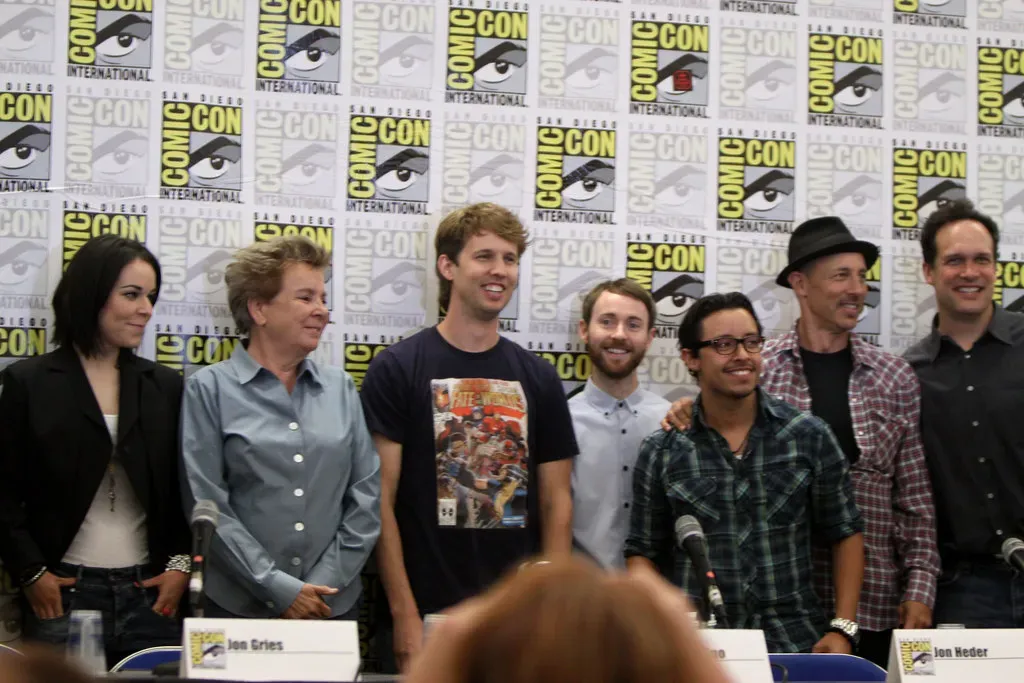
Jared Hess directed this deadpan comedy about an awkward Idaho teenager on a budget of roughly four hundred thousand dollars, using local nonprofessional actors and a script built on odd, quiet observation rather than plot. Fox Searchlight picked it up after a strong reception at Sundance, betting that its offbeat humor could travel beyond festival audiences. Its slow, dry pacing was a gamble that could have easily alienated mainstream moviegoers.
Partner offer
Instead, the film grossed more than forty million dollars domestically and became a genuine cultural touchstone, spawning catchphrases and merchandise that outlived typical indie hits. Its success showed that a distinctive comedic voice, even one this specific and strange, could find a wide audience without a conventional marketing push. The film’s soundtrack and visual style also influenced a wave of quirky American comedies that followed.
6. Get Out (2017)
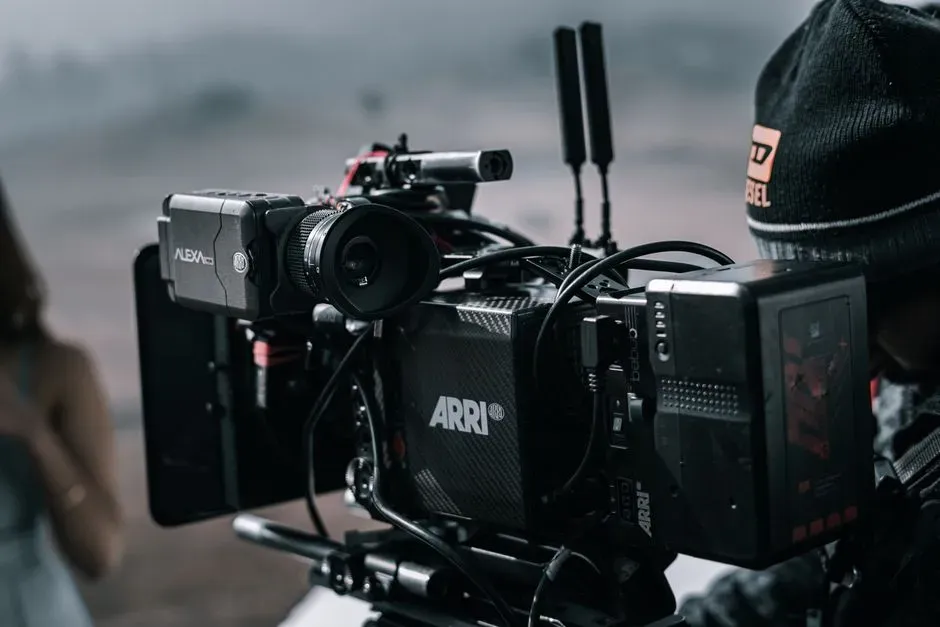
Jordan Peele’s directorial debut cost around four and a half million dollars to make, a modest figure for a film with this much thematic ambition. Blumhouse backed the project, giving Peele creative control over a script that blended horror with sharp social commentary on race in America. Critics and audiences responded immediately, praising both its scares and its substance.
The film earned over two hundred fifty million dollars worldwide and won the Academy Award for Best Original Screenplay, a rare honor for a horror film. It reshaped how studios thought about genre filmmaking, proving that horror could carry serious cultural weight without sacrificing commercial appeal. Peele went on to become one of the most closely watched new directors in Hollywood, largely on the strength of this single low-cost breakthrough.
7. Talk to Me (2023)
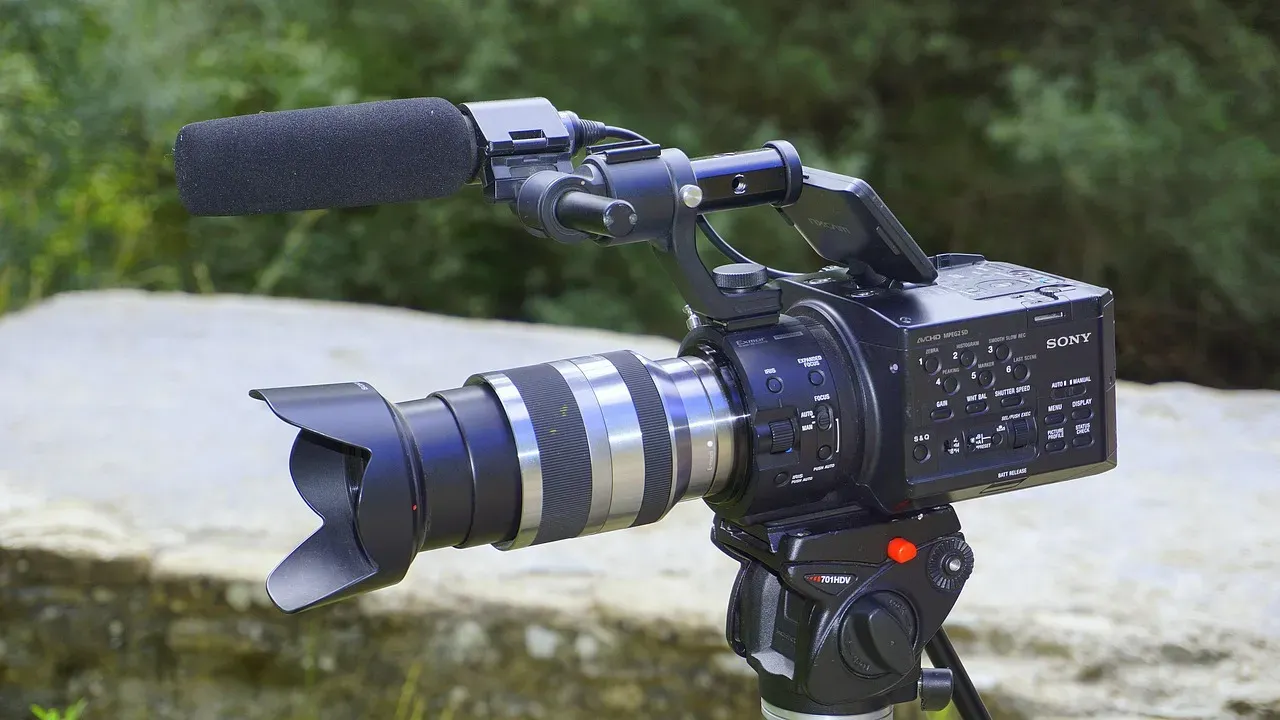
Australian brothers Danny and Michael Philippou, better known online for their YouTube sketch work, made this possession horror film about a cursed embalmed hand for a budget of just four and a half million dollars. The debut feature took in ten million dollars domestically on its opening weekend, placing sixth on the charts scarcely behind Tom Cruise’s Mission Impossible. A24 had acquired the film out of Sundance, and the risk paid off almost immediately.
The film received positive reviews from critics and grossed ninety two million dollars worldwide against its production budget, becoming A24’s highest-grossing horror film. It surpassed the studio’s previous horror benchmark, Hereditary, and quickly moved into sequel development. The Philippou brothers’ rise from internet content creators to feature directors became one of the more unusual industry stories of the decade.
8. Terrifier 2 (2022)
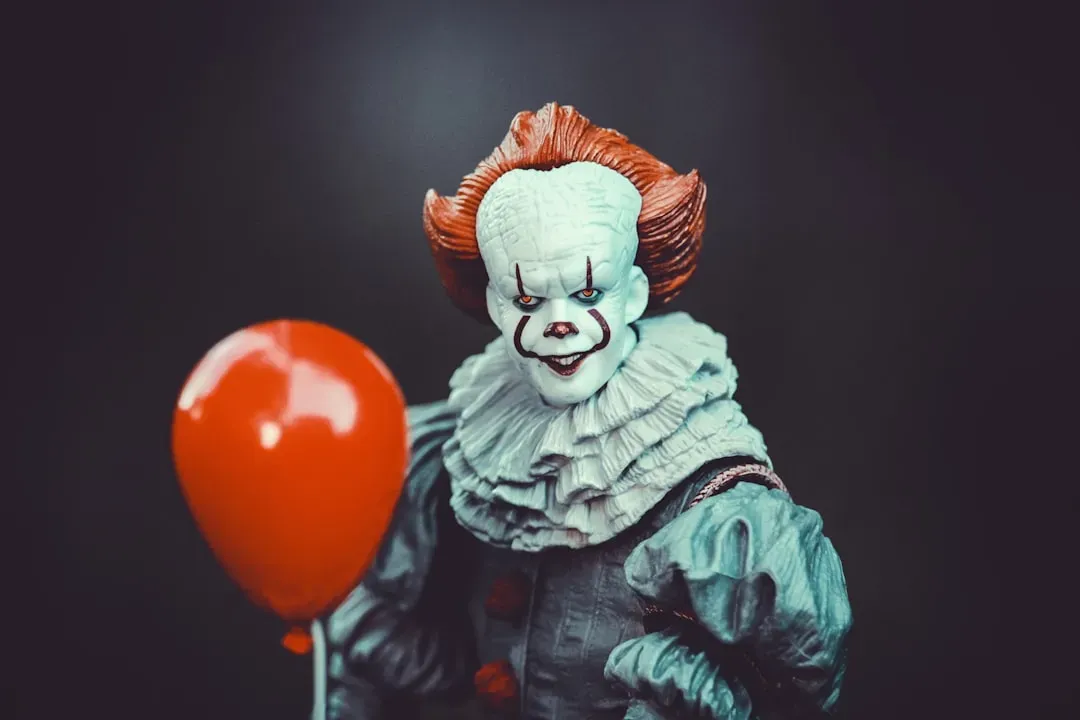
Writer director Damien Leone made this ultra violent slasher sequel about the silent killer clown Art for a reported budget of only two hundred fifty thousand dollars, with almost no traditional advertising behind it. Its audience was built almost entirely on word of mouth, with reports of viewers becoming physically ill in theaters helping boost its mystique. The film opened modestly but expanded to more theaters nearly every week that followed, an unusual pattern for any release.
Made for around two hundred fifty thousand dollars, Terrifier 2 took more than fifteen million dollars at the global box office, including more than ten million dollars in the United States. That level of return on such a minuscule budget stunned distributors and theater chains alike. The film’s grassroots success directly led to a much larger budget for its sequel, proving the franchise’s staying power beyond a single viral moment.
9. Longlegs (2024)
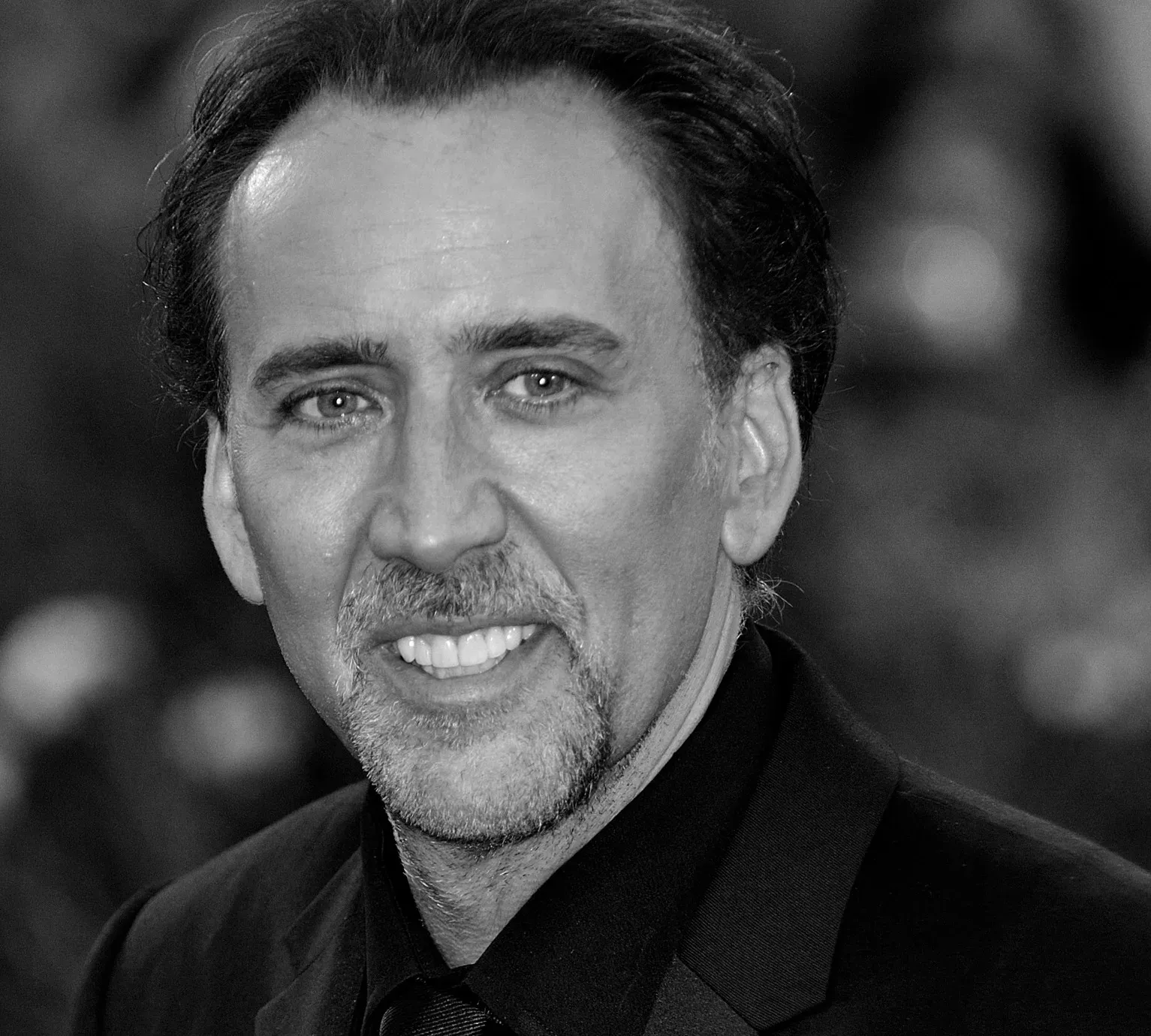
Director Osgood Perkins made this Nicolas Cage led serial killer thriller for a budget reported at just under ten million dollars, with Neon keeping the marketing spend similarly restrained. The film grossed 22.6 million dollars over its opening weekend in the United States, more than doubling its production budget in three days. Industry trackers had projected a far smaller debut, making the opening one of the more surprising numbers of that year.
The film crossed the one hundred million dollar mark at the global box office, becoming the highest-grossing independent film release of that year with a total gross around one hundred million dollars. It also became Neon’s highest-grossing film of all time after the best picture winner Parasite, a notable achievement for a genre picture. The film’s success reinforced how much appetite still exists for original horror stories told without franchise baggage.
Each of these films arrived from a different decade, a different genre corner, and a different set of circumstances, yet they all share the same basic shock value for the industry that watched them unfold. A tiny budget rarely guarantees anything on its own, but paired with a clear vision and the right timing, it can quietly outperform films backed by studios with far deeper pockets. That pattern has repeated itself often enough by now that it should stop being surprising, and yet it still is, every single time.Partner offer
Planning a trip to Vegas?
Compare hotel rates and show tickets on VEGAS.com.