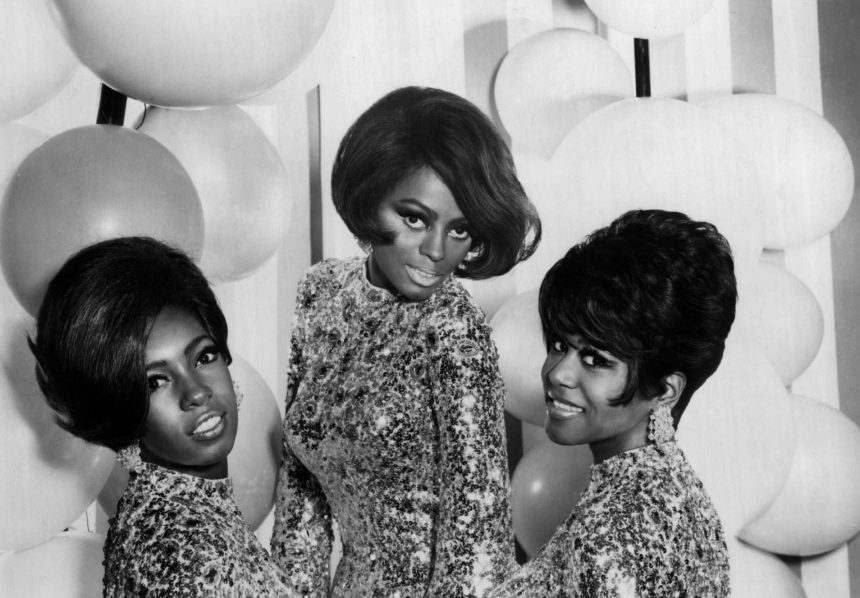
Motown started in Detroit in 1959, yet its records were never meant to stay local. The label’s producers and writers shaped songs that made sense in a Michigan kitchen and in a London dance hall too. Chart histories show how often that worked.
The nine songs below all reached the charts in more than one country, and each one has a clear chart record to point to. They run from the mid 1960s to the mid 1980s, so you get a sense of how the label’s reach changed over time.
Reach Out I’ll Be There by The Four Tops
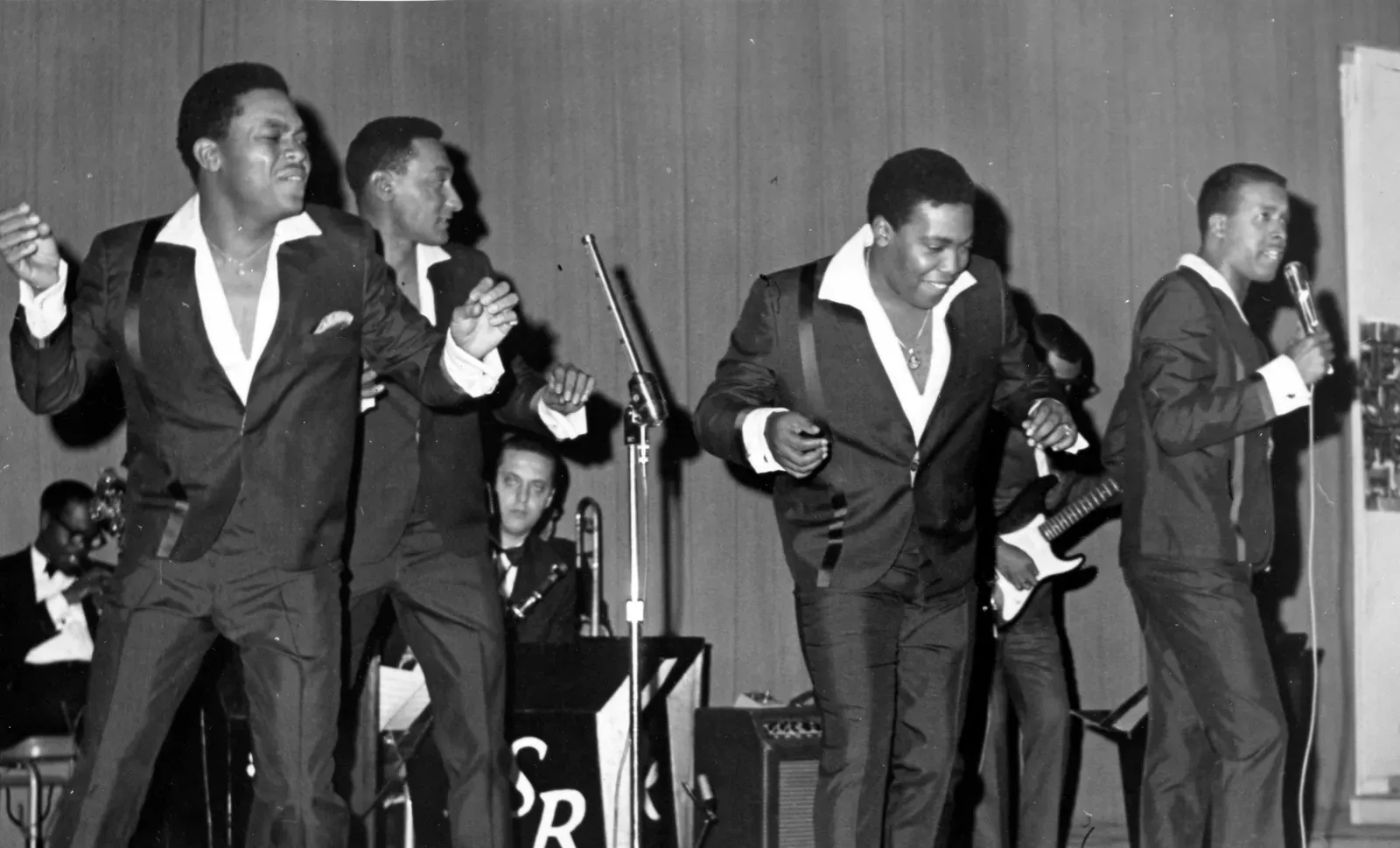
Released in 1966, Reach Out I’ll Be There went to number one on the US Billboard Hot 100. It also reached number one in the United Kingdom the same year. Two top spots on both sides of the Atlantic made it one of the label’s biggest early international hits.
The song had a dramatic, urgent feel that set it apart from the lighter Motown singles around it. Lead singer Levi Stubbs gave it a raw edge, and British listeners clearly responded. It remains a staple of the Four Tops’ catalogue.
You Can’t Hurry Love by The Supremes
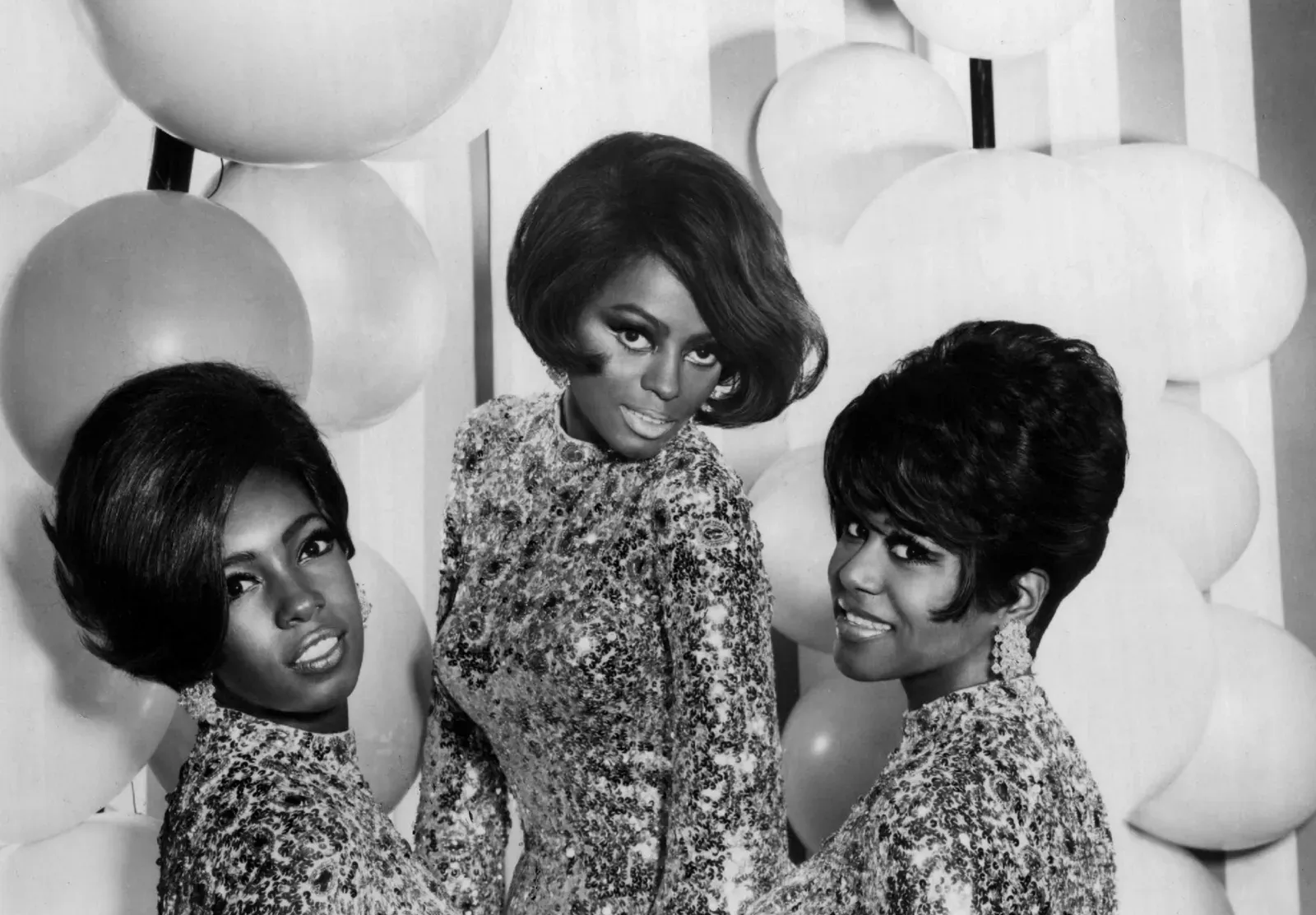
The Supremes took You Can’t Hurry Love to number one in the United States in 1966. In the UK it climbed to number three. That makes it a strong double chart showing, even without a top spot in Britain.
The song was written by the Holland, Dozier and Holland team, who supplied much of the group’s best material. Its bouncing bass line is among the most recognizable of the decade. Phil Collins later took a cover back into the charts in the 1980s.
I Heard It Through the Grapevine by Marvin Gaye
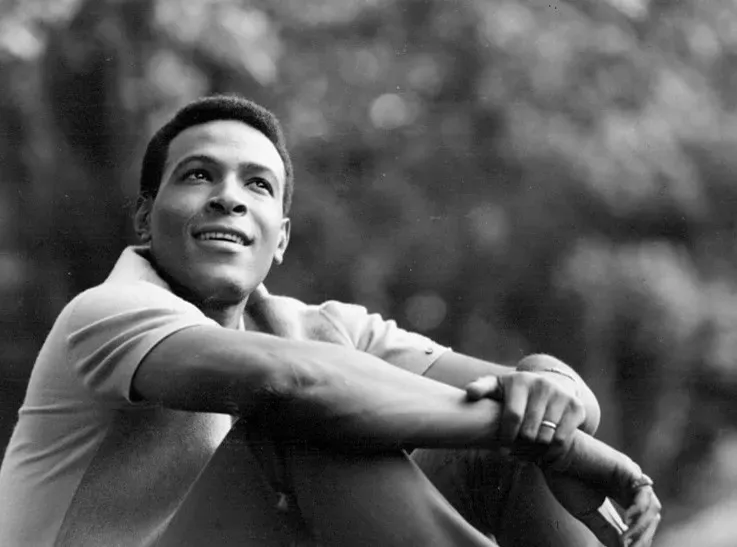
Marvin Gaye’s version of I Heard It Through the Grapevine spent seven weeks at number one in the US in late 1968 and early 1969. It then topped the UK chart in 1969. The song had been recorded by others before him, but his take became the definitive one.
Its slow, tense arrangement felt unlike most of the label’s output at the time. Motown’s own history shows it became one of the company’s best selling singles of that era. The success on both charts helped establish Gaye as more than a duet partner or a teen idol.
Ben by Michael Jackson
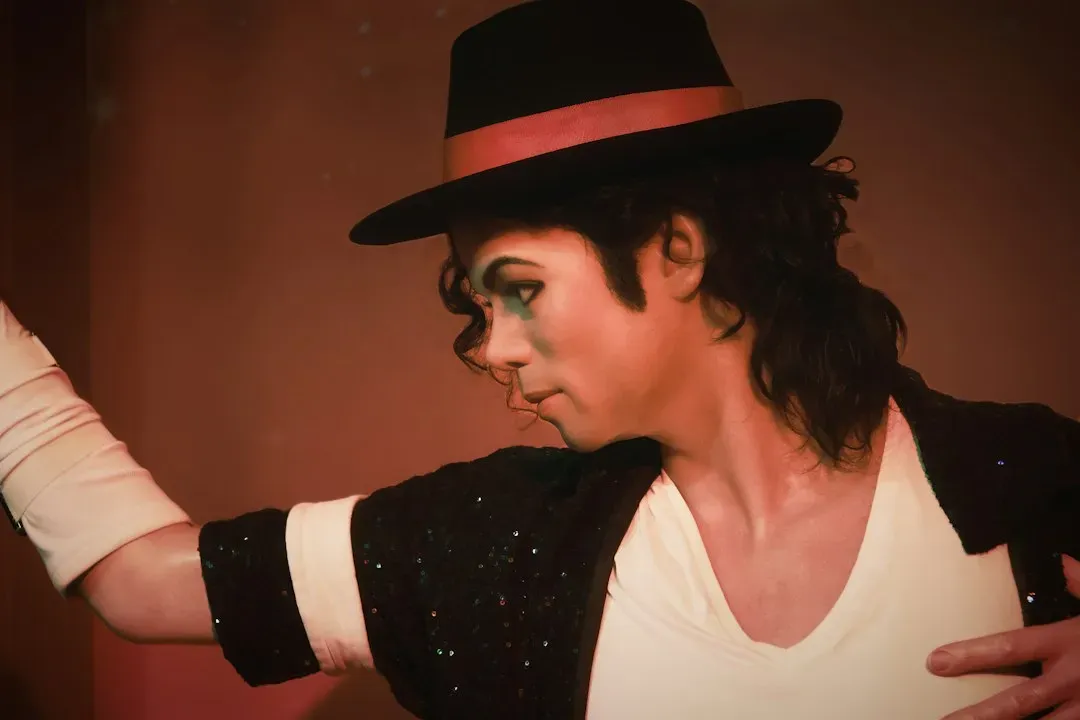
Released in 1972, Ben was Michael Jackson’s first solo number one in the US. It also charted well in Britain, where it reached the top ten. He was only a teenager at the time.
The song was the theme to a film sequel about a rat, which sounds odd now. Still, the ballad was strong enough to earn an Academy Award nomination for Best Original Song. It showed early on that Jackson could carry a record on his own.
Three Times a Lady by The Commodores
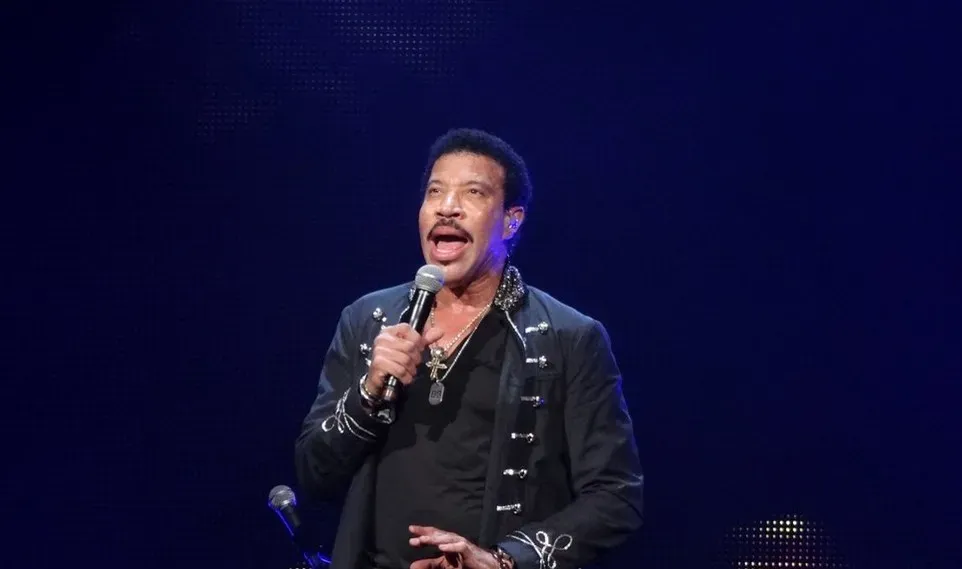
The Commodores had mostly been known for funk before Three Times a Lady arrived in 1978. The ballad reached number one in the US. It also went to number one in the UK, where it stayed for several weeks.
Lionel Richie wrote it, and the success pushed him toward a solo career. The song proved that a Motown group could win over international audiences with a slow, simple piano ballad. It remains one of the label’s best known wedding songs.
Upside Down by Diana Ross
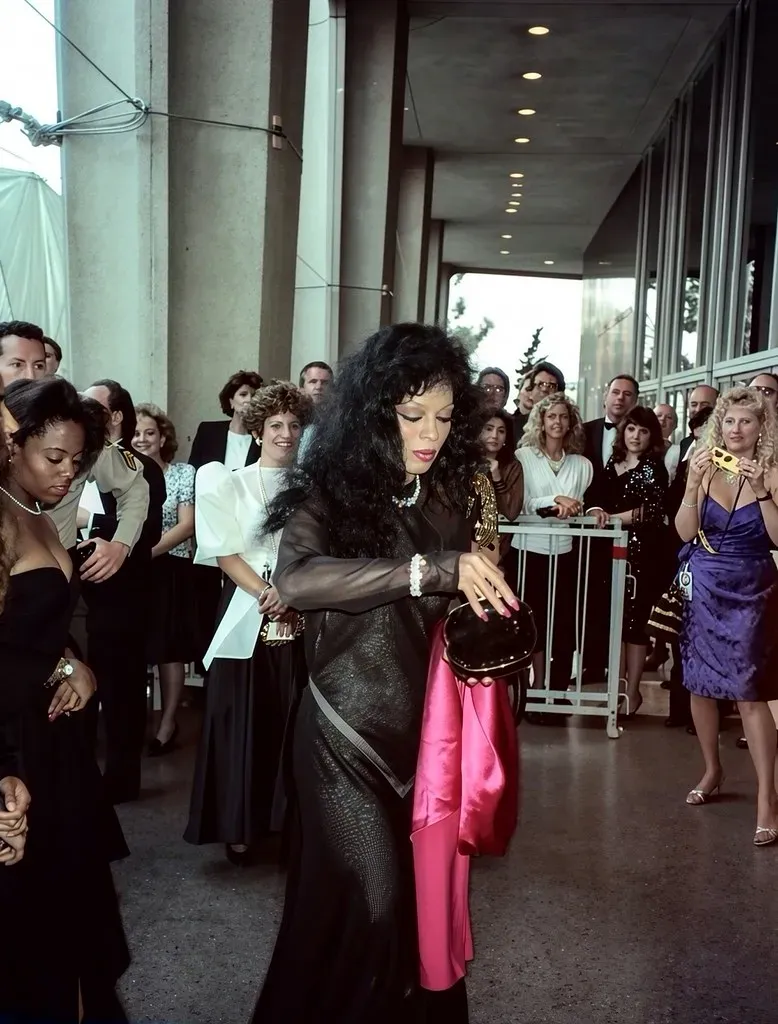
Diana Ross released Upside Down in 1980, and it hit number one in the US. In the UK it reached number two. The disco influenced track was written and produced by Nile Rodgers and Bernard Edwards of Chic.
It gave Ross a modern sound at a time when many of her peers were struggling to adapt. The record sold well in several countries beyond those two. For a veteran of the Supremes era, it was a notable reinvention.
Endless Love by Diana Ross and Lionel Richie
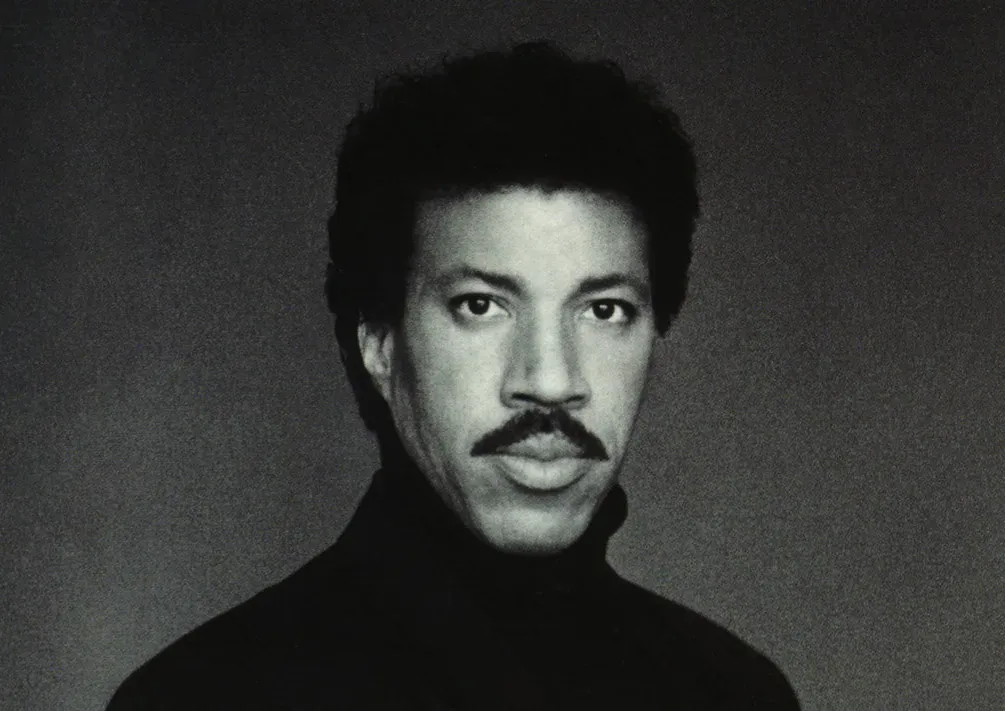
Written by Lionel Richie for the 1981 film of the same name, Endless Love spent nine weeks at number one in the US. It also reached the top ten in the UK, peaking at number seven. It became one of the biggest duets of its decade.
The pairing of Ross and Richie came at an interesting moment, with Richie leaving the Commodores and Ross leaving Motown soon after. Even so, the song remained a Motown release and a lasting success for both artists. It earned an Oscar nomination as well.
Hello by Lionel Richie
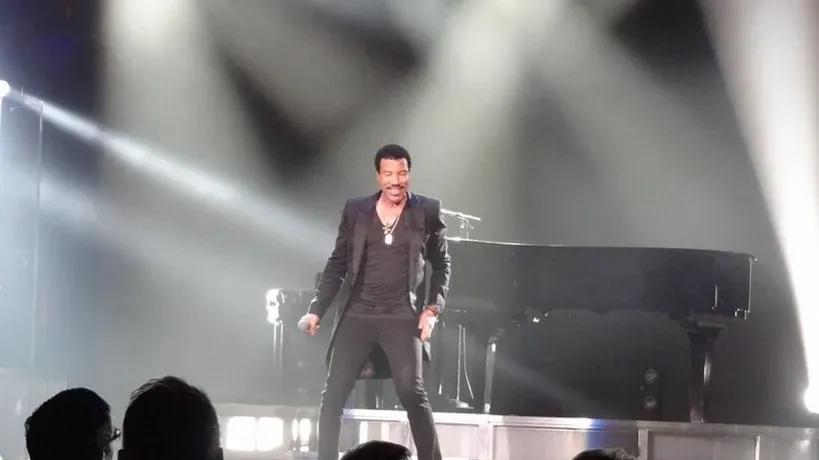
Lionel Richie’s Hello reached number one in the US in 1984. In the UK it also went to number one and stayed there for several weeks. It was one of the most successful singles of that year in Britain.
The song is a ballad built on a plain piano figure and a direct, emotional vocal. Its video, in which Richie meets a blind sculptor, is often remembered as strongly as the tune itself. Both helped keep the track in heavy rotation across many countries.
I Just Called to Say I Love You by Stevie Wonder
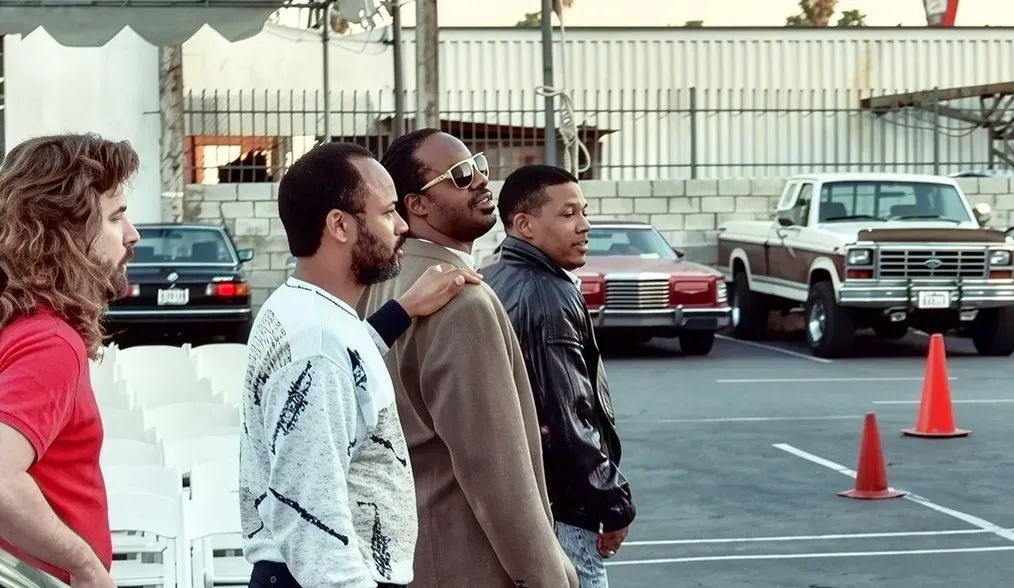
Stevie Wonder’s I Just Called to Say I Love You came out in 1984 for the film The Woman in Red. It reached number one in the US and the UK, and it topped charts in a number of other countries too. The song won the Academy Award for Best Original Song.
Critics have often been less enthusiastic about it than the public was, because it sounds simpler than Wonder’s 1970s work. The chart record is hard to argue with, though. It sold in huge numbers and remains one of the most widely recognized hits of his career.