Fashion trends come and go, but every so often a movie costume manages to dodge the passage of time entirely. Some outfits were designed with such a specific, functional logic that they never really looked “dated” in the first place, while others simply got absorbed into everyday fashion until the line between costume and clothing disappeared. Looking back from 2026, it’s striking how many of these looks still show up on runways, in cosplay circles, and on the streets decades after their films premiered.
What follows isn’t a ranking of the flashiest or most expensive costumes ever made. It’s a look at nine designs that, against the odds, held up. Some were cheap. Some were built from military surplus and motorcycle gear. All of them proved that good costume design is less about trend-chasing and more about instinct.
1. Darth Vader’s Armor (Star Wars, 1977)
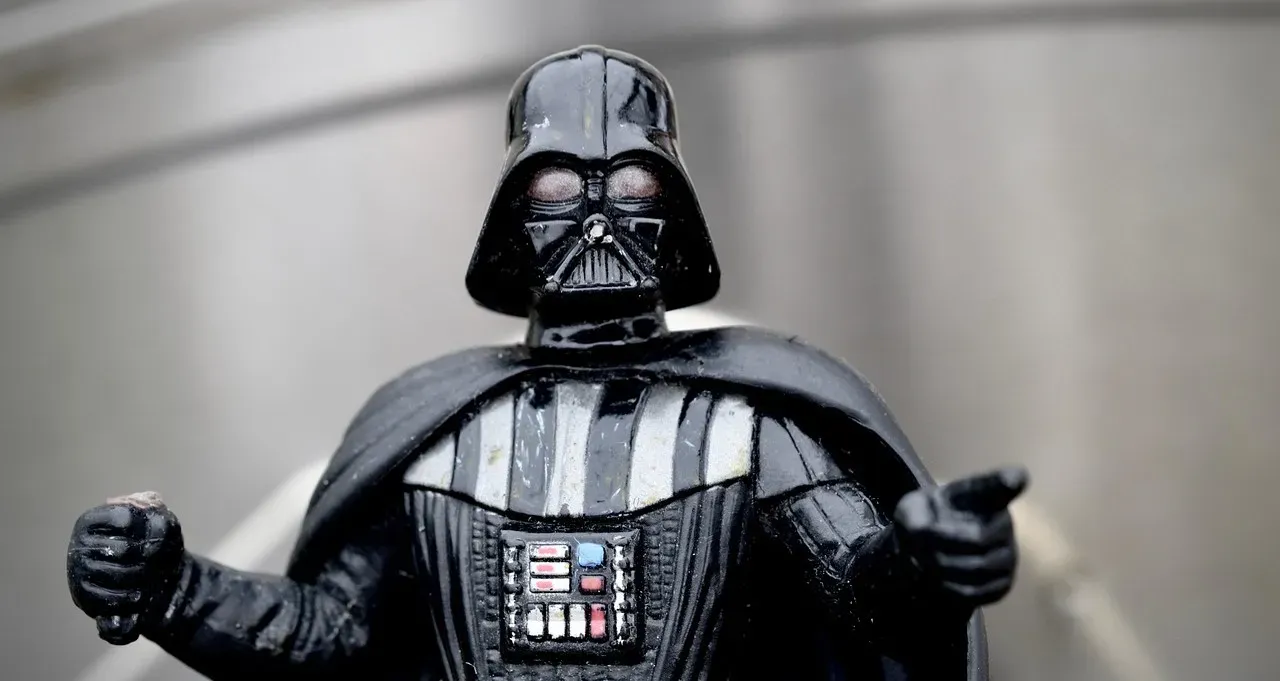
Darth Vader’s silhouette is arguably the most recognizable villain costume in film history, and its staying power comes down to how it was built. McQuarrie’s image of Darth Vader had developed from Samurai armour, and Mollo built up a costume using a combination of clerical robes, a motorcycle suit, a German military helmet and a gas mask from Bermans and Nathans costumiers in Camden Town. That blend of religious, military, and industrial references gave the character a timeless menace rather than a dated sci-fi look.
Costume designer John Mollo approached the whole project with almost no science-fiction background, which turned out to be an asset. The aim was to make Lucas’s fantasy universe appear authentic, and Mollo considered that his total ignorance of science fiction was advantageous in achieving this. Nearly fifty years later, Vader’s mask and cape still look genuinely intimidating rather than campy, a rare feat for a costume built on a shoestring budget in the mid-1970s.
2. Neo and Trinity’s Trench Coats (The Matrix, 1999)
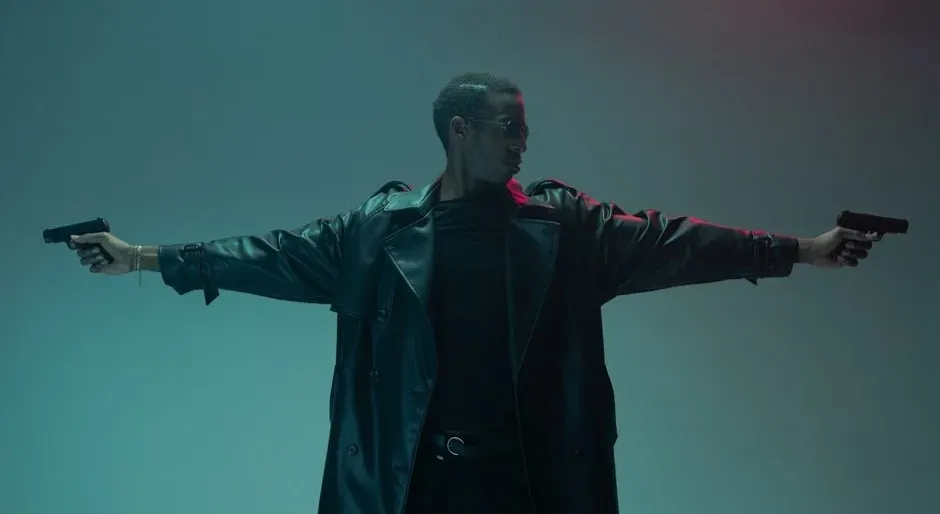
The Matrix arrived in 1999 and somehow predicted two decades of streetwear trends before they happened. Costume designer Kym Barrett built the look around leather-effect coats and reflective sunglasses, and the results still circulate through fashion cycles today. The costumes help illustrate the movie’s boundary-pushing, progressive themes, which stood out from the usual box office fare 20 years ago, and are at the forefront of discussion the fashion industry.
What’s remarkable is how cheap the materials often were compared to how expensive they looked on screen. Neo’s coat wasn’t actually a very expensive fabric, it was a wool blend bought in New York for around three dollars a yard, though people still ask about “Neo’s leather coat” despite him never actually wearing one. That resourcefulness is part of why the look never feels tied to a single decade. It reads as sleek and functional rather than trend-driven, which is exactly why it keeps resurfacing in high fashion collections.
3. Rocky Balboa’s Grey Sweatsuit and Boxing Trunks (Rocky, 1976)

There’s nothing complicated about Rocky’s training gear, and that’s precisely the point. A plain grey hooded sweatsuit, worn during the famous training montage, has become shorthand for underdog determination in movies and advertising ever since. It didn’t rely on any specific late-1970s fashion trend, which is exactly why it never looks like a relic of its era.
The boxing trunks, red with white trim, follow the same logic. They’re functional, unpretentious, and instantly readable, which is why gyms, sports brands, and Halloween costume shops still lean on that exact color combination decades later. Simplicity, in this case, turned out to be the ultimate form of durability.
4. Max Rockatansky’s Road Warrior Gear (Mad Max 2: The Road Warrior, 1981)
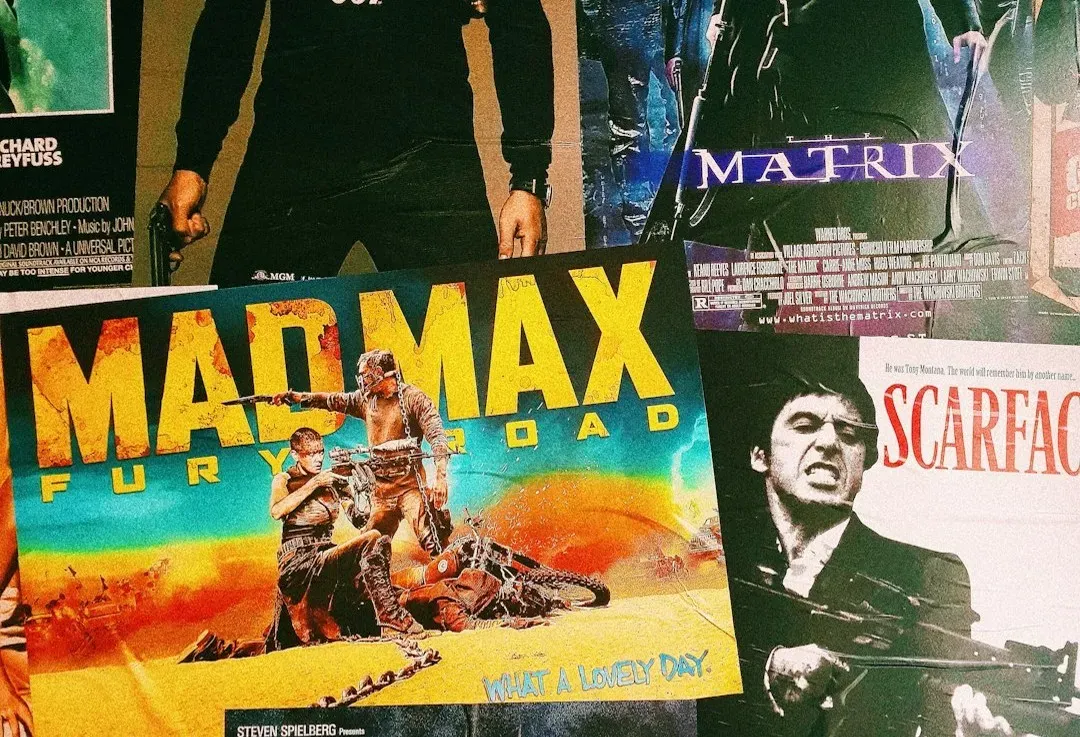
The leather, scrap-metal armor, and shoulder pads worn by Max in the Mad Max sequels essentially invented the post-apocalyptic fashion aesthetic that action and dystopian films still borrow from today. The costume worked because it looked assembled rather than designed, as if a real survivor had cobbled it together from spare parts.
That scavenged, lived-in quality is exactly why it never feels stuck in the early 1980s. Decades later, the Mad Max: Fury Road relaunch leaned into the same visual language, proving the original design had room to evolve without ever needing a fundamental overhaul. Few action costumes have influenced so many imitators across music videos, video games, and other franchises.
5. Rick Deckard’s Trench Coat (Blade Runner, 1982)

Blade Runner’s neo-noir wardrobe borrowed heavily from 1940s detective films, which is part of why it doesn’t feel locked into the early 1980s when it was actually made. Deckard’s long trench coat and buttoned-up shirt collar gave the film a timeless, rain-soaked moodiness rather than a futuristic gimmick.
Partner offer
By reaching backward for inspiration instead of imagining an exaggerated future, the costume designers accidentally future-proofed the look. It still reads as cool and mysterious rather than campy science fiction, and that restraint is likely why streetwear and high fashion brands keep referencing it decades on.
6. Indiana Jones’ Fedora and Leather Jacket (Raiders of the Lost Ark, 1981)
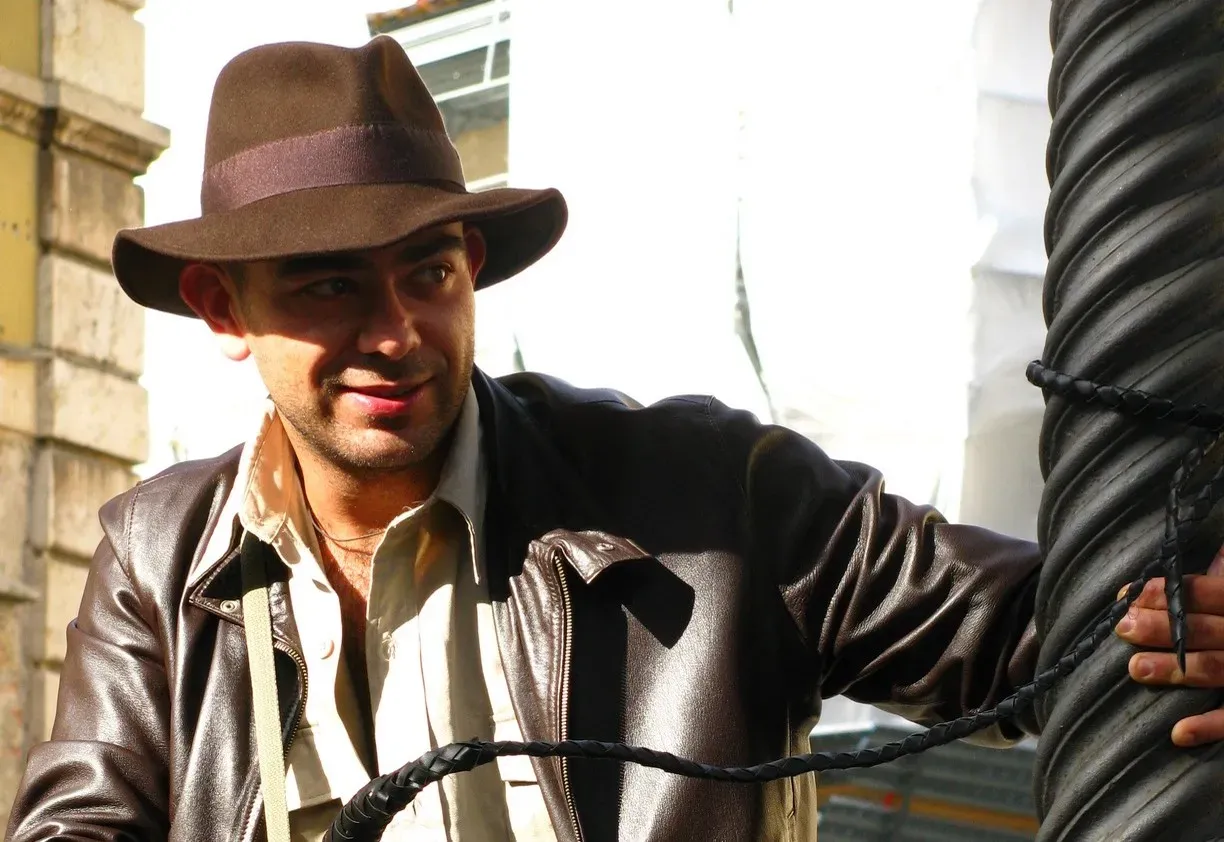
Indiana Jones’ outfit works because every piece has an obvious purpose. The leather jacket protects against the elements, the fedora keeps sun and debris off his face, and the satchel and boots are built for rough terrain rather than style points. None of it depends on a passing fashion trend, so it never dates itself.
That practicality is exactly why the look has been endlessly imitated by adventure films, theme park attractions, and even real-world explorers who just like the aesthetic. It’s less a costume than a functional uniform, and functional things tend to age far better than decorative ones.
7. Diana Prince’s Armor (Wonder Woman, 2017)
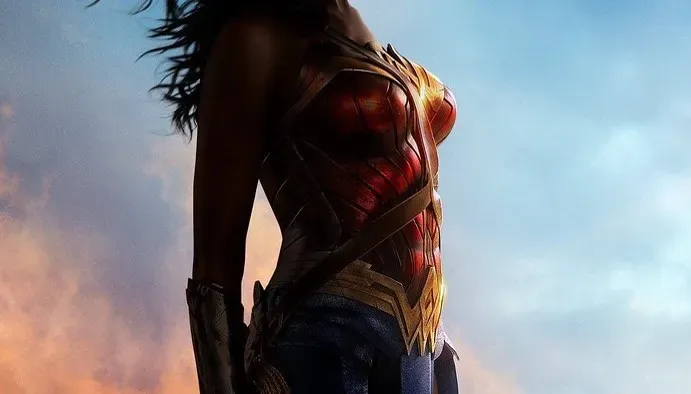
When Wonder Woman’s modern armor debuted, it managed to modernize a character with roots stretching back to the 1940s without losing what made her instantly recognizable. The muted bronze and red tones, along with battle-ready boots and gauntlets, replaced the more costume-like comic book look with something that felt like it could plausibly withstand combat.
That grounded approach is why the design has held up well within the superhero genre, an area where costumes often look painfully dated within just a few years. By prioritizing texture and armor logic over glossy spandex, the film gave Diana a look that still feels contemporary rather than tied to a specific superhero movie trend cycle.
8. The Ghostbusters’ Jumpsuits (Ghostbusters, 1984)
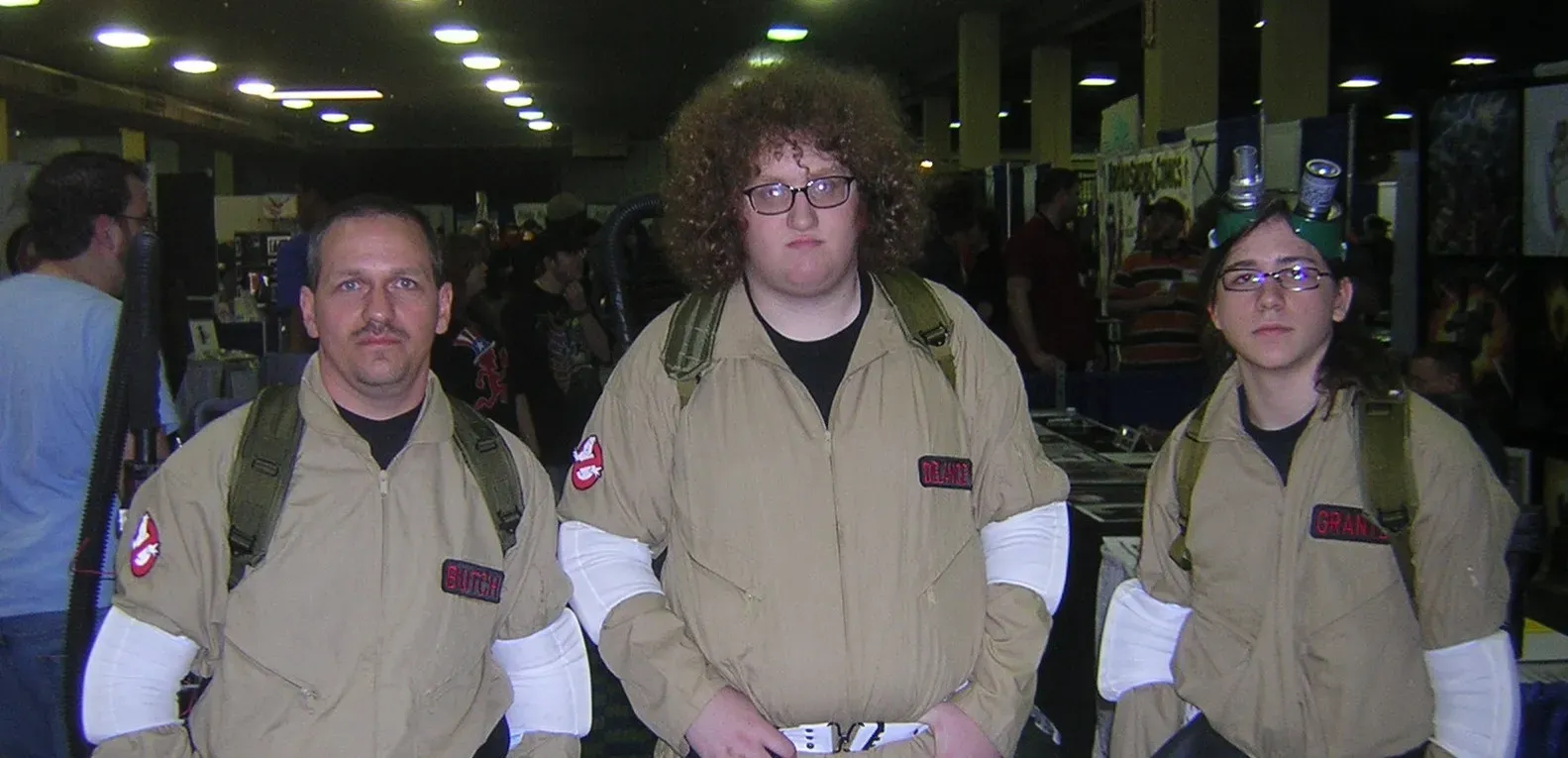
Beige jumpsuits with name patches and proton pack straps shouldn’t be iconic, yet somehow they are. Part of the appeal is how unglamorous the design is. The Ghostbusters look like actual working-class exterminators rather than superheroes, which gives the costume a believability that keeps it from feeling like a dated 1980s gimmick.
That everyman quality is exactly why the outfit has survived multiple sequels, an animated series, and a 2016 reboot with only minor tweaks. It’s a costume built around utility belts and equipment rather than fashion statements, and utility rarely goes out of style.
9. The Men in Black Suits (Men in Black, 1997)
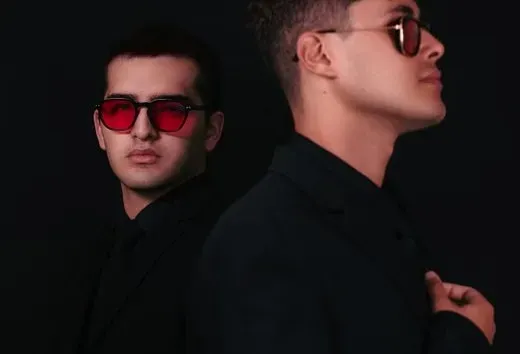
Black suits, white shirts, thin black ties, and dark sunglasses make up one of the simplest costumes on this list, and that simplicity is exactly why it hasn’t aged a day. The look borrows from classic government-agent style rather than any specific late-1990s trend, so it reads as timeless rather than retro.
It also helped cement sunglasses and a sharp black suit as visual shorthand for secrecy and authority in pop culture well beyond the franchise itself. Because the costume never tried to look futuristic or flashy, it sidestepped the trap that catches so many other sci-fi wardrobes: looking silly a decade later.
What ties all nine of these looks together isn’t luck. Each one was built around a clear idea, whether that meant borrowing from military history, leaning into function over fashion, or deliberately avoiding trend-driven design choices. That’s a lesson costume designers still lean on today, and it’s probably why audiences in 2026 can still put on a Vader mask, a Ghostbusters jumpsuit, or a Matrix trench coat and have it feel just as sharp as it did on opening night.
Partner offer
Planning a trip to Vegas?
Compare hotel rates and show tickets on VEGAS.com.