Album releases are supposed to be tidy affairs: a date gets announced, a single drops, a rollout builds anticipation, and then the record lands right on schedule. Reality, of course, rarely cooperates. Some of the most talked-about albums in modern music history arrived only after years of delays, lawsuits, leaked files, title changes, or outright public meltdowns. These are the launches that turned into sagas of their own, sometimes overshadowing the music itself.
What follows is a look at seven album rollouts that spiraled into genuine chaos, complete with the drama, confusion, and last-minute scrambling that made them unforgettable for reasons that had little to do with the songs.
Kanye West’s The Life of Pablo Turned Into a Never-Ending Rewrite
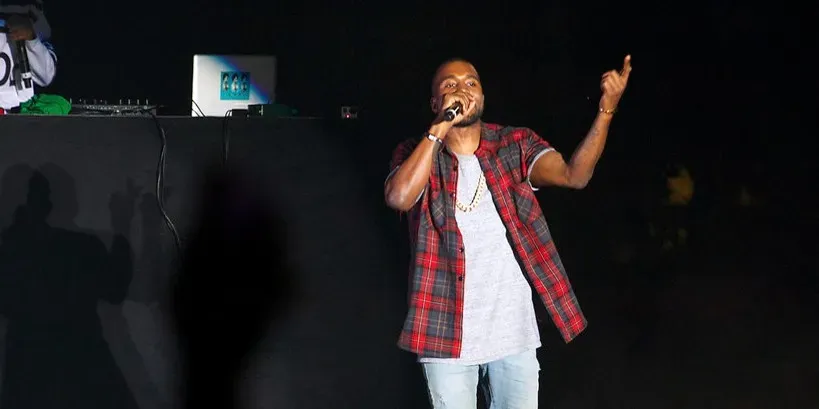
Kanye West’s seventh studio album went through so many transformations that fans genuinely lost track of what it was even called. West began work on the album in late 2013 when it was still known as So Help Me God, and it was intended for a release in 2014 with Rick Rubin and Q-Tip helping with production. From there the title kept shifting, and in the three years it took to arrive, the album went through four name changes and three post-release edits where he relentlessly tinkered with the tracklist on Tidal.
The rollout itself was just as unpredictable as the title changes. The build-up to the album’s launch, ending with Kanye grabbing the aux and premiering the record from his laptop in Madison Square Garden during one of his fashion shows, was just as erratic as the album itself. Even after release, West kept editing the project, and true to the album’s chaotic process, he kept tinkering, adding ad-libs to “Ultralight Beam,” tweaking lyrics on “Famous,” re-recording a verse on “Waves,” restoring Vic Mensa’s vocals to “Wolves,” removing Frank Ocean from that same track and giving him his own interlude, and adding “Saint Pablo” as the new closer. Def Jam even framed the ongoing revisions as intentional, describing the album as “a living, evolving art project” and promising “new updates, new versions, and new iterations of the album” in the months to come.
Frank Ocean Kept Fans Waiting Through Endless False Starts
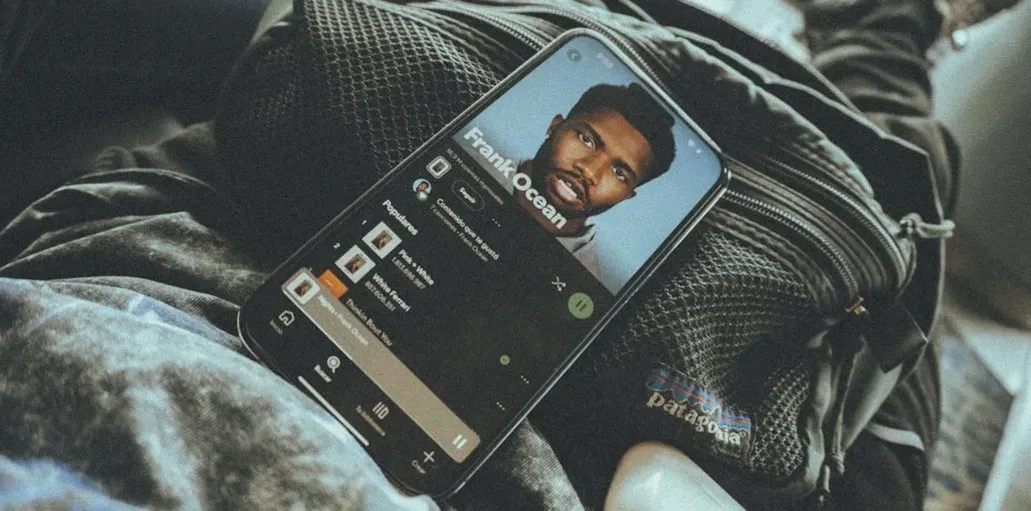
Few album rollouts tested fan patience quite like Frank Ocean’s long-awaited follow-up to Channel Orange. What was originally announced as Boys Don’t Cry missed date after date, and it was initially expected to be released in July 2015 and then July of the following year, with the last touted due date being August 5, which also came and went without the record materializing. The mystery deepened when Ocean posted a cryptic “Date Due” library card on his website, and observers noted that on first look July 2016 appeared to be the cut-off, but November 13, 2016 was subtly positioned among the previous entries.
Even his own producer couldn’t offer much clarity. When pressed about a firm date, Malay, who worked closely with Ocean, simply said “Never heard of an actual date… Then again I don’t pay attention to a lot of stuff.” The album eventually surfaced as Blonde in August 2016, but initially known as Boys Don’t Cry and teased for a July 2015 release, it suffered several delays and became the subject of widespread media anticipation leading up to its eventual release. The chaos didn’t hurt commercially. As one outlet noted at the time, Frank Ocean risked alienating his fans by delaying his album release so many times, but the fact that Blonde debuted at number one on iTunes showed that the risk paid off.
Guns N’ Roses Spent 14 Years and Millions of Dollars on Chinese Democracy
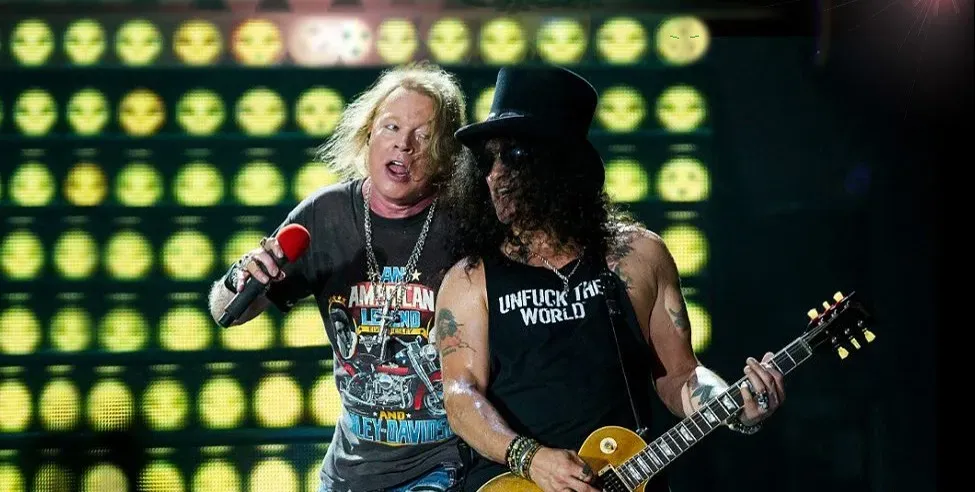
If there’s a gold standard for album delays, it’s Chinese Democracy. In 1994, Guns N’ Roses began work on the follow-up to The Spaghetti Incident?, the 1991 stopgap release that followed the Use Your Illusion albums, and Chinese Democracy didn’t emerge for another 14 years, a period during which musicians came and went and chaos reigned supreme. Along the way the project became infamous for its shifting lineup, since it is known primarily for featuring no members of the classic lineup other than Axl Rose, and for its tumultuous production which caused numerous delays.
The financial toll was just as staggering as the timeline. With production costs reportedly eclipsing thirteen million dollars, the album became the most expensive rock album ever produced, with personnel and legal reasons as well as Rose’s alleged perfectionism causing repeated delays. Even the label lost patience at one point, writing to the band’s management that “having exceeded all budgeted and approved recording costs by millions of dollars, it is Mr Rose’s obligation to fund and complete the album, not Geffen’s.” When it finally arrived in November 2008, the album still managed to debut respectably and eventually earned platinum certification, proof that sometimes chaos doesn’t sink a record commercially.
Lil Wayne’s Tha Carter V Was Held Hostage by a Label War
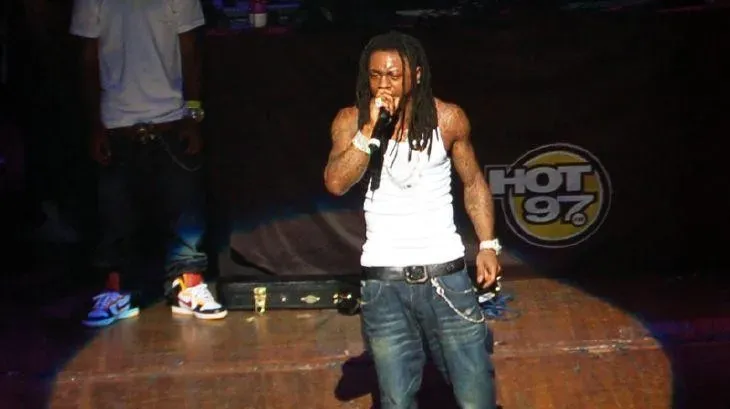
Tha Carter V wasn’t delayed by artistic indecision so much as outright legal warfare. The trouble became public when Lil Wayne expressed his frustration with his long-time label Cash Money Records on Twitter after his album, slated to drop on December 9, was delayed again, which he claimed Birdman had forced. Weeks later, Wayne filed a fifty-one million dollar lawsuit against Cash Money, claiming Birdman was violating the terms of his contract by withholding Tha Carter V, in a case that sought to end his contract with the label and take his Young Money signees with him.
The standoff dragged on for years, with reports even suggesting Wayne himself was holding the physical masters as leverage. It wasn’t until Wayne was confirmed to no longer be part of Cash Money following a settlement that his highly anticipated Tha Carter V album could finally be released. The financial resolution was significant too, with reports indicating Universal paid well over ten million dollars to settle the complaint, which was reportedly dismissed out of court. The album finally reached fans in 2018, roughly four years after the fight began.
Partner offer
Dr. Dre’s Detox Became the Album That Never Actually Arrived
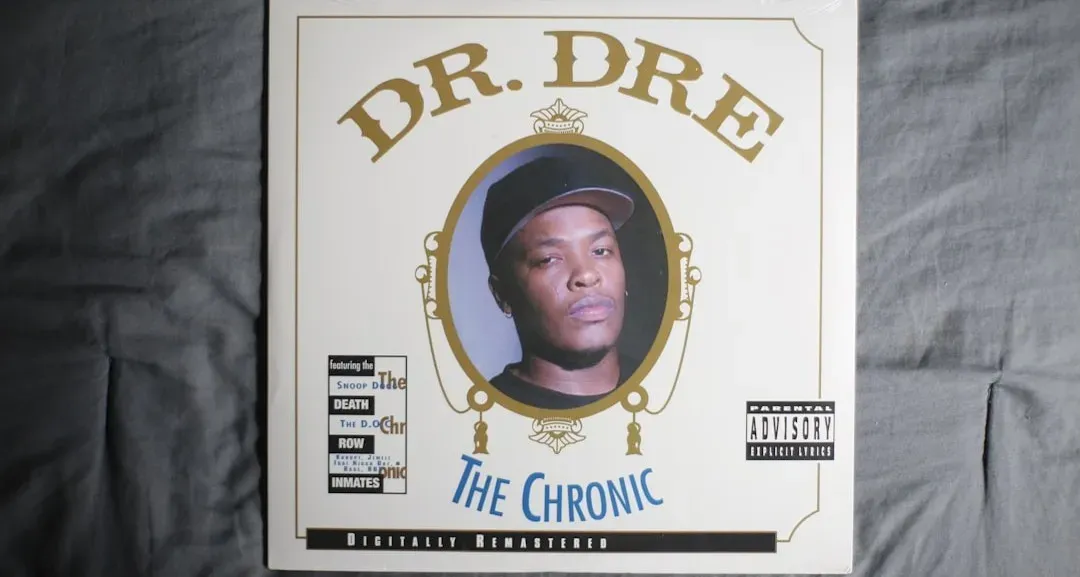
Not every chaotic launch ends with a release at all. Dr. Dre’s Detox was teased for the better part of two decades, cycling through recording sessions, leaked snippets, guest features, and repeated promises of an imminent drop that never materialized. The project became something of a running joke in hip-hop circles, frequently referenced by other artists as shorthand for an album that was permanently “almost done.”
Dre eventually shelved Detox entirely, later explaining that he simply wasn’t satisfied with the material and preferred to release Compton in 2015 as a soundtrack tied to the Straight Outta Compton film instead. The saga stands as a reminder that sometimes the most chaotic outcome for an album rollout isn’t a messy release, it’s no release at all, after years of fan anticipation and industry speculation.
Beyoncé Blindsided the Industry With a Surprise Midnight Drop
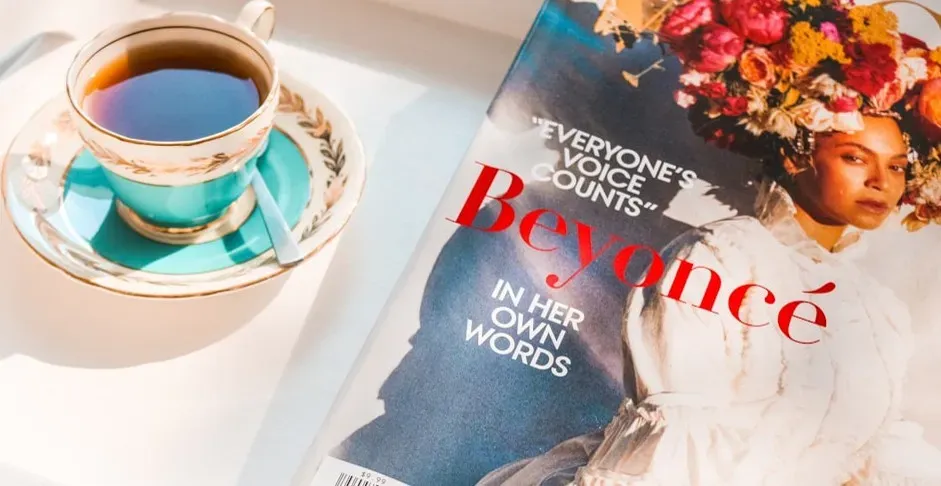
Beyoncé’s self-titled 2013 album flipped the traditional rollout on its head by skipping the rollout entirely. There were no lead singles, no pre-release interviews, and no announced date. The album simply appeared on iTunes at midnight, complete with a full set of visuals for every track, catching retailers, radio stations, and even some of her own label partners off guard.
The shock of the format became just as newsworthy as the music itself, and it forced much of the industry to rethink how major releases could be marketed. Other artists took notice almost immediately, and surprise or near-surprise releases became a recurring strategy in the years that followed. The chaos here wasn’t dysfunction, it was disruption, but it upended expectations all the same and left competitors scrambling to respond.
Rihanna’s Anti Leaked for Free Before Anyone Could Buy It
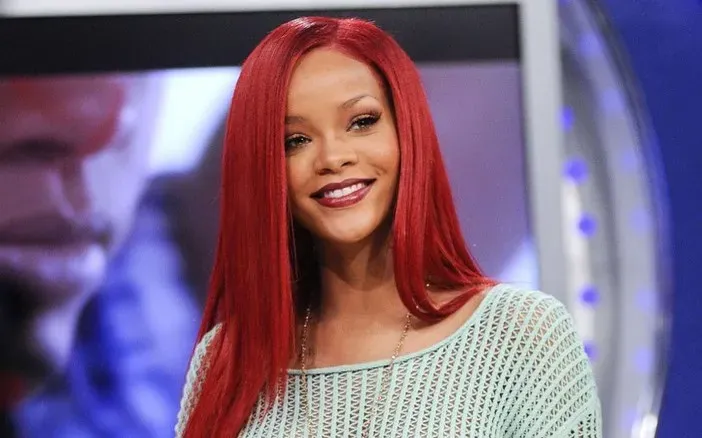
Rihanna’s Anti had already been delayed multiple times by early 2016, building frustration among fans who had waited years for a follow-up to Unapologetic. When the album finally seemed ready, a technical mishap on Tidal made it briefly available to stream and download for free, well before the intended commercial release window, sending fans and industry insiders into a scramble to figure out whether the leak was intentional or accidental.
The confusion only added to an already bumpy campaign that had seen release dates shift repeatedly in the lead-up to launch. Despite the messy circumstances, the album still went on to perform strongly and produced some of Rihanna’s most enduring singles. It became another example of how an unpredictable, even accidental, rollout doesn’t necessarily doom a project’s long-term reception.
What These Chaotic Launches Have in Common
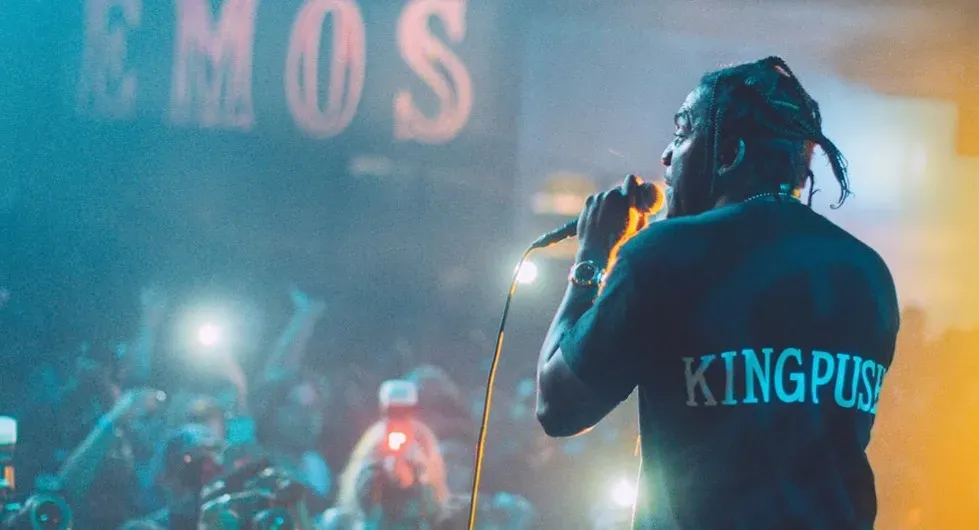
Looking across these seven stories, a pattern emerges: creative perfectionism, label disputes, and technology failures are the three forces most likely to turn an album release into a spectacle. Whether it was Kanye endlessly tweaking tracks on Tidal, Frank Ocean disappearing for years at a time, or Guns N’ Roses burning through a decade and a fortune, the common thread is an artist or label losing control of the timeline in very public fashion.
Yet chaos hasn’t historically doomed these projects commercially or critically. Several of the albums on this list, from Chinese Democracy to Blonde, went on to achieve platinum status or critical acclaim despite, or perhaps partly because of, the drama surrounding their arrival. In an industry increasingly built around surprise drops and shifting release strategies, a little chaos might just be part of the modern album experience.
The Lasting Lesson From Music’s Messiest Rollouts
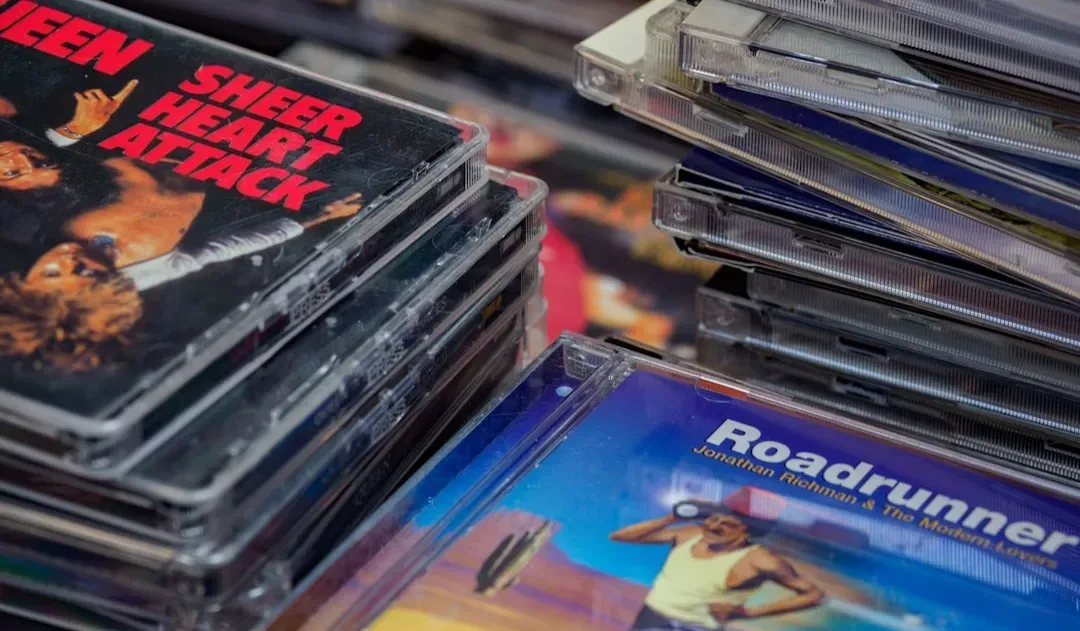
These seven launches prove that the making of an album is rarely as clean as the finished product suggests. Behind polished tracklists and glossy album art sit lawsuits, leaked files, blown deadlines, and last-minute rewrites that fans never see until years later, if at all. That messiness has become part of music folklore, turning some of these rollouts into stories that get discussed almost as much as the songs themselves.
Perhaps that’s the real takeaway here. Chaos, it turns out, has a strange way of making an album’s eventual arrival feel even more significant, as if the wait and the drama were simply the price of admission for something worth hearing.
Partner offer
Planning a trip to Vegas?
Compare hotel rates and show tickets on VEGAS.com.