Some costumes do more than dress a character. They become shorthand for an entire personality, instantly recognizable even in silhouette, at a Halloween party, or in a Google image search decades after the film left theaters. A handful of these outfits have crossed over so completely that people who have never seen the movie still know exactly what they look like. That kind of staying power is rare, and it usually comes down to a mix of smart design choices, a performance that matched the clothes, and a bit of luck in timing. The nine costumes below have earned their place in the cultural memory, some through pure visual audacity and others through quieter, more calculated craftsmanship.
1. Dorothy’s ruby slippers from The Wizard of Oz

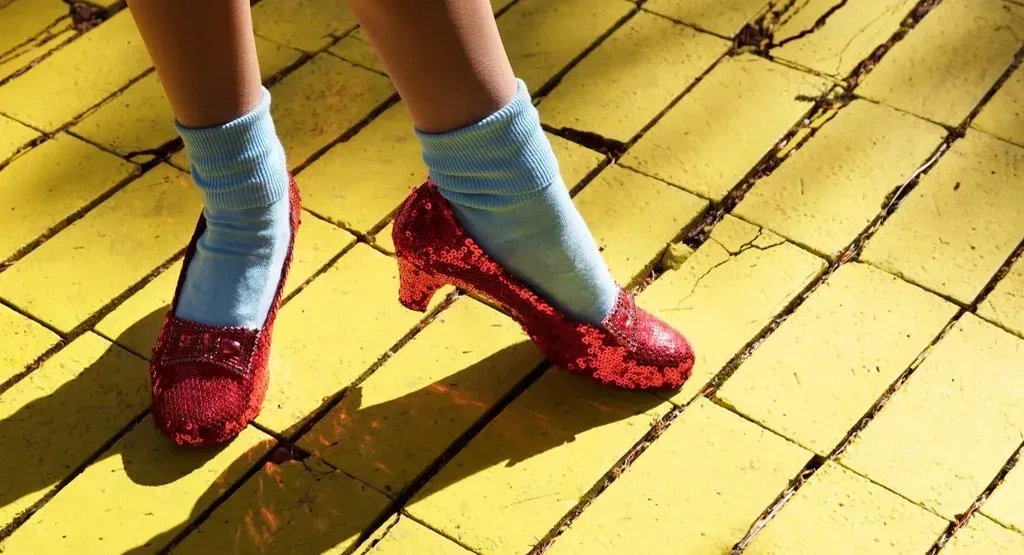
Few costume pieces carry as much mythology as the sequined red shoes Judy Garland wore as Dorothy Gale in 1939. Designed under MGM costume chief Gilbert Adrian, the slippers were reportedly covered in roughly 2,400 red sequins after the production found glass beads too heavy for filming. Four surviving screen-worn pairs are known to exist today, scattered between museums and private collections.
Their real-world value has only grown with time and drama. One pair was stolen from the Judy Garland Museum in Grand Rapids, Minnesota, in 2005 and recovered by the FBI more than a decade later. That pair became the most valuable movie memorabilia ever sold at auction in 2024, fetching 32.5 million dollars, a staggering leap from a presale estimate of just three million.
2. Darth Vader’s black armor from Star Wars

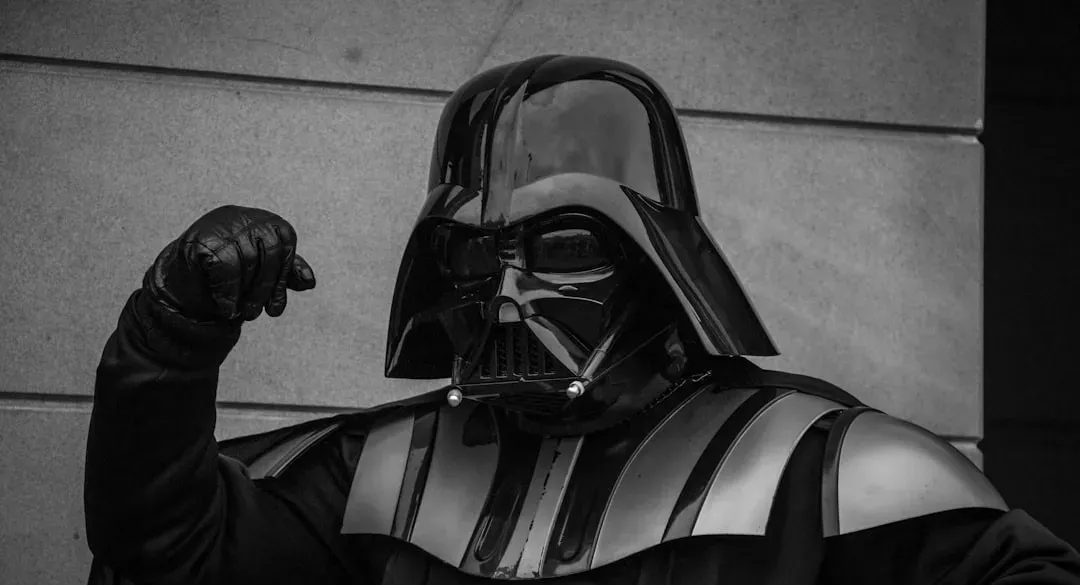
Vader’s costume works because it barely looks like a costume at all. It reads more like architecture, a fusion of samurai helmet, medical ventilator, and religious vestment that turned a man in a suit into one of cinema’s most instantly identifiable villains. The design, credited to John Mollo and concept artist Ralph McQuarrie, gave George Lucas exactly what he wanted: a silhouette so strong it needed no color and barely any movement to feel threatening.
The costume’s afterlife in the collectibles market says a lot about its cultural weight. A complete production-made Vader suit was even sent to auction at Bonhams with expectations of it selling in anywhere from 1 to 2 million dollars, and individual pieces have continued to command huge sums since, including black leather gloves that sold for 258,300 dollars at a Propstore auction in 2022. Nearly fifty years after A New Hope, the costume still anchors an entire economy of fandom.
3. The Joker’s purple suit from The Dark Knight

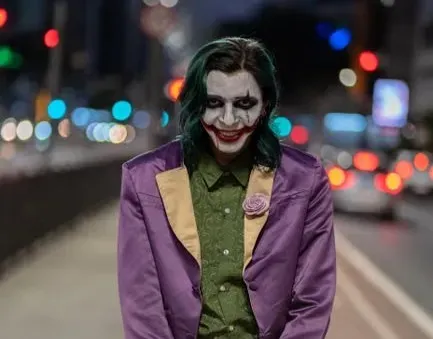
Heath Ledger’s Joker did not wear a clean, comic-accurate costume, and that was entirely the point. Costume designer Lindy Hemming built a rumpled, mismatched wardrobe of deep purples and greens that hint at decay, deliberately steering away from anything polished. She has described researching a mix of unlikely style references, drawing from figures like Vivienne Westwood, Johnny Rotten, Iggy Pop, Pete Doherty, and Alexander McQueen to land on something that felt lived-in rather than costumed.
The look worked so well that it reshaped how the character has been dressed ever since. Hemming’s take was so influential that elements of it can arguably be traced into later portrayals, including Joaquin Phoenix’s Joker in 2019, even though that costume was designed separately by Mark Bridges. Nearly two decades on, the tattered purple coat remains the default mental image whenever the character’s name comes up.
4. Indiana Jones’ fedora and leather jacket

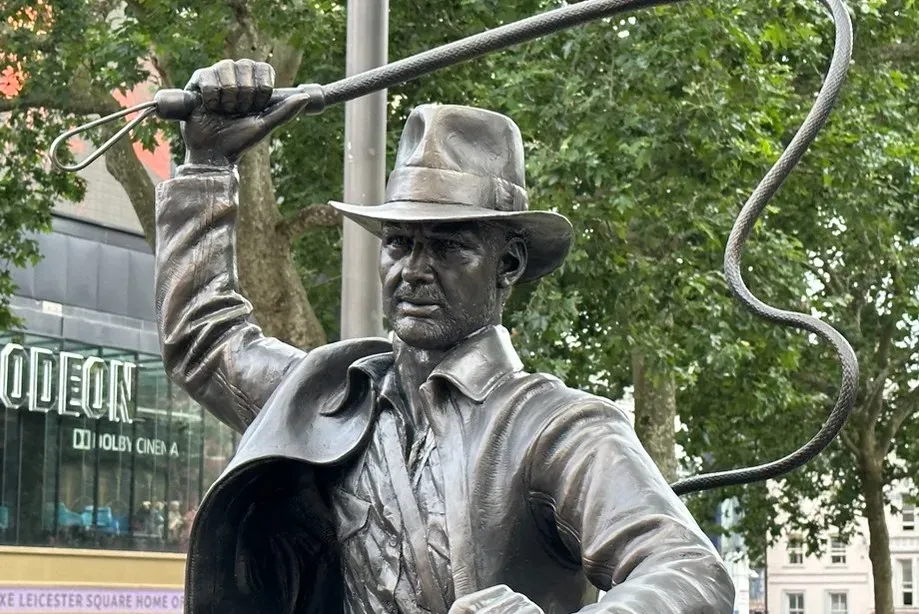
Designed for Raiders of the Lost Ark in 1981, Indiana Jones’ outfit was built entirely around function: a battered brown fedora, a worn leather jacket, khaki trousers, and a bullwhip coiled at the hip. Steven Spielberg and George Lucas wanted an adventurer who looked like he had actually earned his scars, borrowing visual cues from old serial films and pulp adventure novels of the 1930s. There is nothing flashy about the pieces individually, which is exactly why the combination has aged so well.
The costume’s practicality is part of why it has been endlessly imitated, from theme park performers to Halloween costumes sold every October. Original props connected to the character continue to draw serious money at auction, with items like the bullwhip, belt, and whip holster used by Harrison Ford in Indiana Jones and the Last Crusade selling for 485,100 dollars in a recent memorabilia sale. Few outfits have made rugged simplicity look this stylish for this long.
5. Marilyn Monroe’s white halter dress

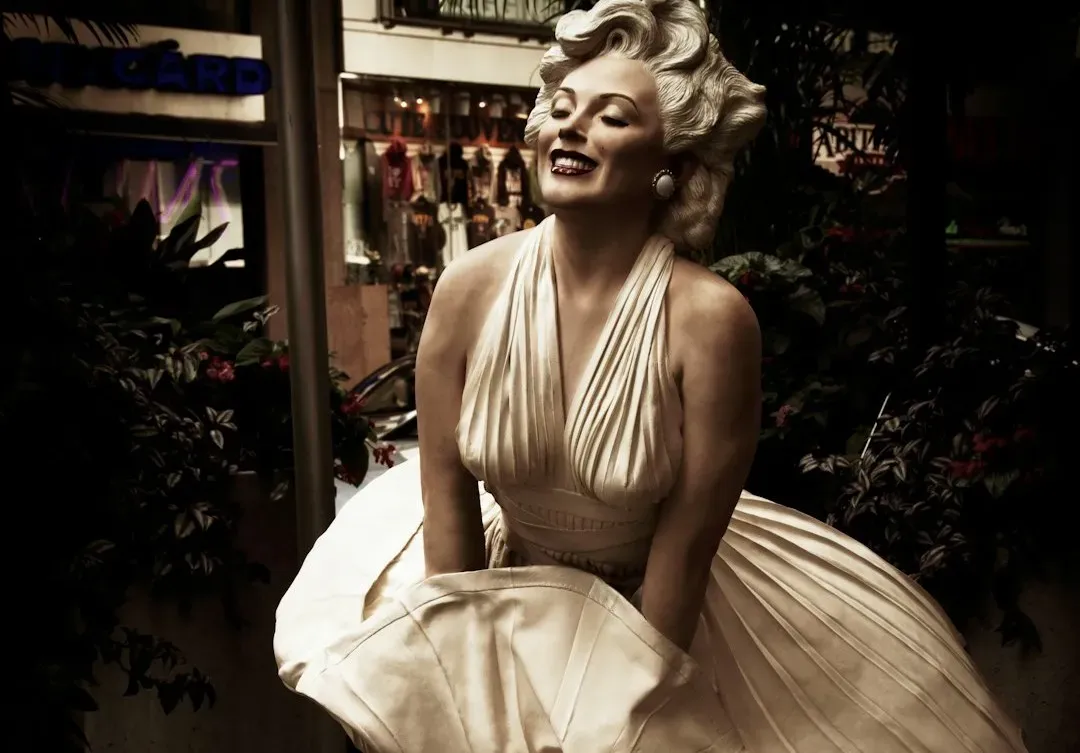
The billowing white dress from 1955’s The Seven Year Itch, designed by William Travilla, is arguably the single most reproduced image in Hollywood history. The subway grate scene, where a gust of air lifts the skirt around Monroe, was engineered as a publicity stunt as much as a plot moment, and it worked far beyond anyone’s expectations. The dress itself was simple in construction, a halter-neck pleated design in ivory crepe, which made it easy to replicate and therefore easy to spread.
Partner offer

Its influence has outlived the film by a wide margin, showing up in fashion editorials, statues, and countless homages across pop culture. The dress has changed hands for large sums at auction over the decades, cementing its status as a genuine artifact rather than just a movie prop. Even people who could not name the film it came from usually recognize the pose instantly.
6. Neo’s black trench coat from The Matrix

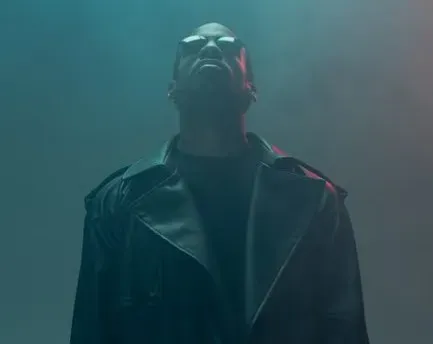
When The Matrix arrived in 1999, its sleek black leather and vinyl wardrobe felt like it belonged to a future that had not quite happened yet. Costume designer Kym Barrett built the look around long coats, dark sunglasses, and tightly fitted black clothing that gave every character a slightly militarized, almost priestly silhouette. Neo’s floor-length coat in particular became a visual signature of the entire franchise, reappearing across all four films.
The aesthetic reached well beyond the theater, feeding directly into the goth and cyberpunk fashion scenes of the late nineties and early two thousands. Trench coats and sunglasses became a kind of visual shorthand for hacker culture that persists in memes and cosplay to this day. Few science fiction films have left as clear a fingerprint on everyday fashion as this one did.
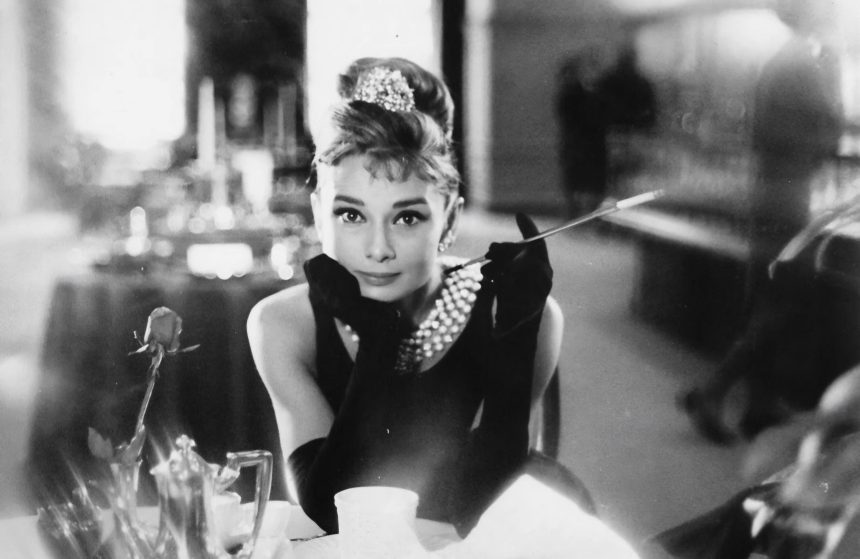
7. Audrey Hepburn’s black dress in Breakfast at Tiffany’s

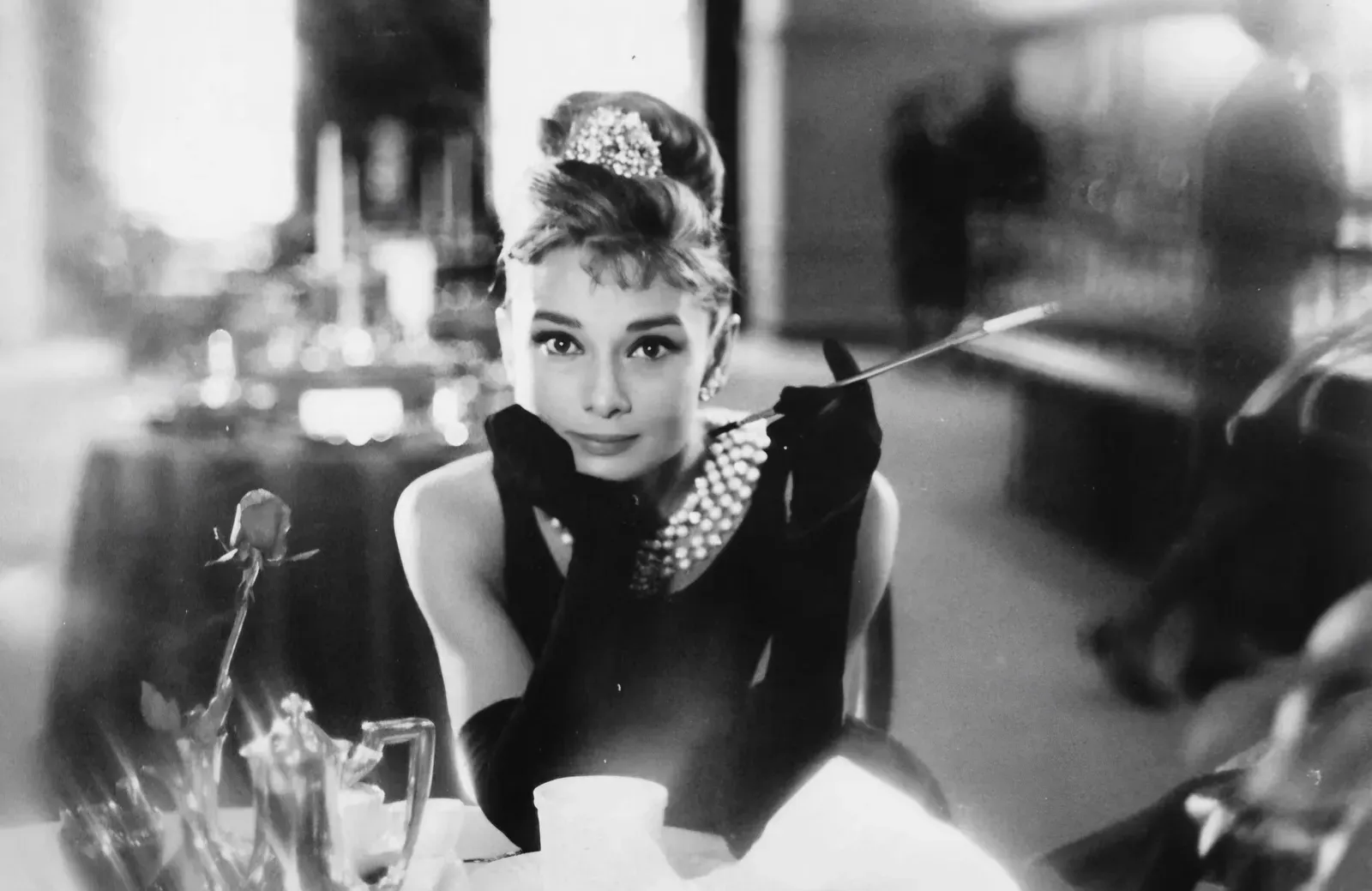
The little black dress worn by Holly Golightly at the start of 1961’s Breakfast at Tiffany’s, designed by Hubert de Givenchy, is often credited with making the little black dress a permanent fixture of women’s fashion. Paired with oversized sunglasses, a long cigarette holder, and pearls, the look distilled an entire idea of urban elegance into a single, endlessly photographed frame. Givenchy and Hepburn worked together across several films, but this particular dress became the one everyone remembers.
Decades later, the outfit still shows up regularly in fashion retrospectives and museum exhibitions dedicated to cinema costume. One of the original dresses sold at a Christie’s charity auction in the mid-2000s for a sum that stunned collectors at the time. It remains a reference point for stylists and designers whenever the phrase timeless elegance gets used.
8. Elle Woods’ pink wardrobe in Legally Blonde

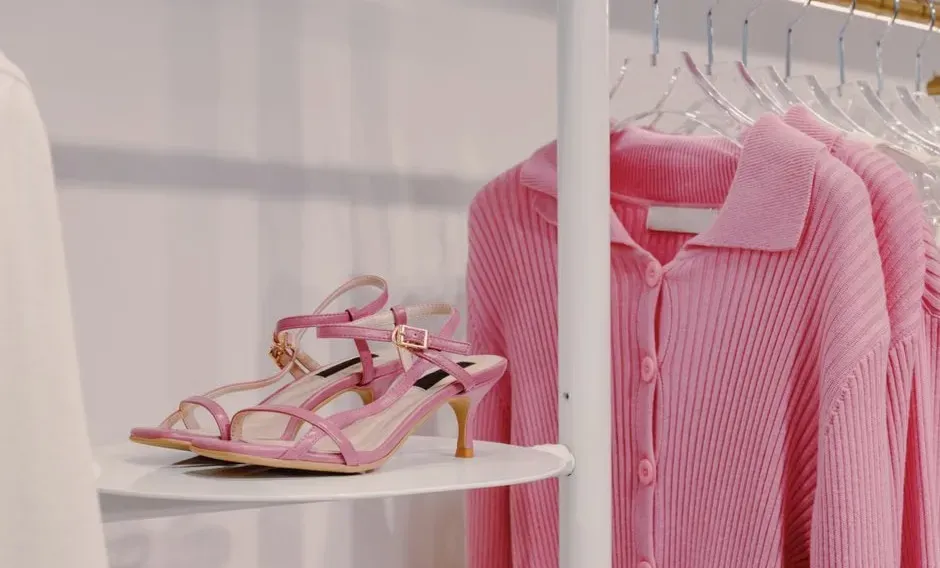
Released in 2001, Legally Blonde turned an entire color into a character trait. Costume designer Sophie de Rakoff dressed Reese Witherspoon’s Elle Woods in a relentless parade of pink, from a fitted suit worn to a Harvard interview to a bend and snap courtroom moment that became instantly quotable. The choice was almost aggressively unsubtle, which was precisely the joke and the point.
What started as a comedic device ended up shaping how a generation thought about mixing femininity with competence rather than treating them as opposites. The film’s pink imagery still circulates widely online more than two decades later, often used as a shorthand for confident, unapologetic style. Few comedies have made a single color feel this ownable.
9. Barbie’s pink wardrobe in Barbie

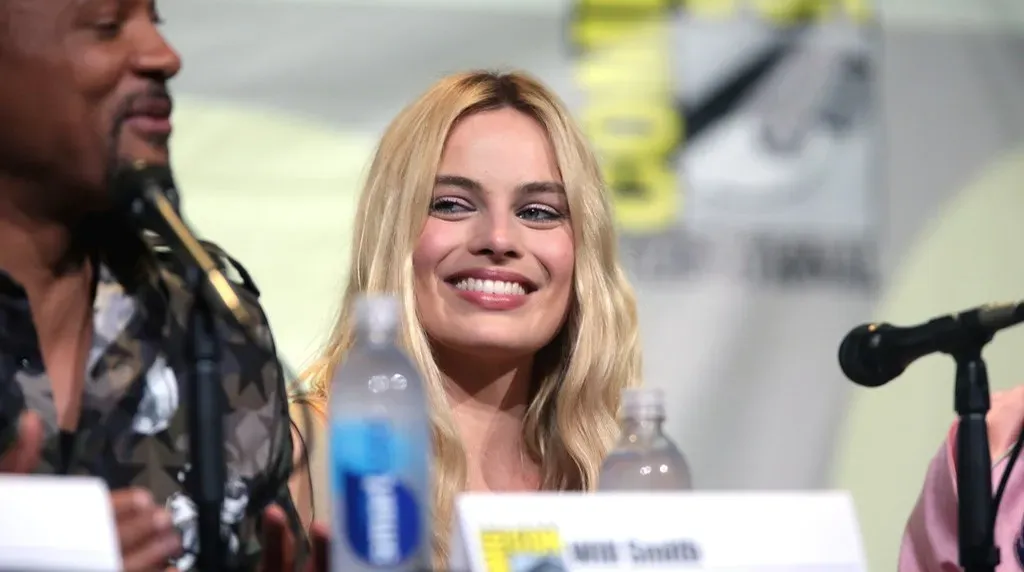
Greta Gerwig’s 2023 film handed costume designer Jacqueline Durran an unusual challenge, dressing a doll-scale fantasy world at full human size without losing its plastic, candy-colored charm. Durran and her team custom made 450 of the film’s 1,000 total costumes, blending archival Mattel recreations with original pieces built specifically for Margot Robbie and Ryan Gosling. The result earned Durran a nomination for both a BAFTA and an Academy Award for Costume Design.
The film’s influence spilled well beyond the screen almost immediately. Audiences could not turn a corner in Los Angeles without seeing Barbie’s pink, playful, cheeky influence, and moviegoers around the world dressed in pink specifically to see the film in theaters. Even now, in 2026, the aesthetic that press outlets nicknamed Barbiecore still surfaces regularly in fashion coverage and retail collections.
These nine looks share very little in terms of style or era, yet they all managed the same trick: turning fabric and design choices into something instantly readable, even out of context. That is a much harder thing to engineer than it looks, which is probably why so few costumes ever manage it twice in the same career. The next time a movie wardrobe gets this kind of attention, it is worth remembering how rarely lightning strikes this particular way.Partner offer
Planning a trip to Vegas?
Compare hotel rates and show tickets on VEGAS.com.