


Some movies fade a little with time, even the good ones. Yet certain objects from those films seem to only grow bigger in the public imagination, outliving box office numbers and even outshining the plots they once served. A pair of shoes, a wooden sled, a rubber shark: these things have taken on lives of their own, showing up in auction headlines, museum exhibits, and pop culture conversations decades after the cameras stopped rolling. What follows is a look at nine such props, items that arguably now carry more weight and recognition than the films that introduced them. Some have sold for jaw dropping sums in recent years. Others simply refuse to leave our collective memory, no matter how much time passes.
The ruby slippers from The Wizard of Oz

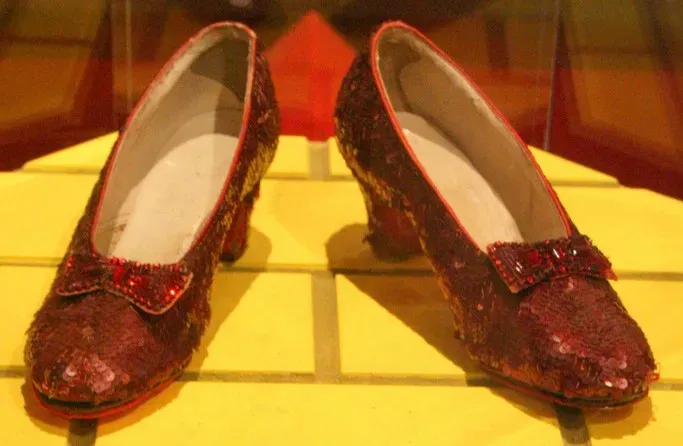
Judy Garland’s ruby slippers were on display at the Judy Garland Museum in her hometown of Grand Rapids, Minnesota, in 2005 when Terry Jon Martin used a hammer to smash the glass of the museum’s door and display case. The theft turned a beloved prop into a genuine criminal mystery, and their whereabouts remained a mystery until the FBI recovered them in 2018, with Martin not publicly exposed as the thief until he was indicted in May 2023. That saga alone would have been enough to cement their fame.
In December 2024, the slippers went even further into legend. A pair of iconic ruby slippers that were worn by Judy Garland in The Wizard of Oz and stolen from a museum nearly two decades ago sold for a winning bid of $28 million at auction, and including the Dallas based auction house’s fee, the buyer ultimately paid $32.5 million. That figure made them, according to reporting at the time, the most expensive piece of movie memorabilia ever sold and the most expensive footwear ever sold at auction. It is safe to say more people today can recall the price tag on those shoes than can recite the plot of the 1939 film scene by scene.
The Rosebud sled from Citizen Kane


Citizen Kane is routinely called one of the greatest films ever made, yet the sled at the heart of its mystery has recently generated headlines of its own. The pine sled, painted red with floral details and the word ROSEBUD stenciled across the front, was used in the film’s pivotal childhood flashback scenes and is one of just three known to have survived production. It survived largely by accident, since most sleds were famously burned in Kane’s climactic furnace scene, while this one was saved and rescued decades later by director Joe Dante from the old RKO lot.
That backstory helped drive an extraordinary sale in the summer of 2025. The Rosebud sled from Orson Welles’ Citizen Kane was auctioned for $14.75 million, becoming the second most expensive piece of movie memorabilia ever sold. Ask a casual moviegoer what “Rosebud” means and many will know it is a sled long before they can explain who Charles Foster Kane actually was, which says something about how thoroughly the object has separated itself from the story around it.
The Maltese Falcon statuette

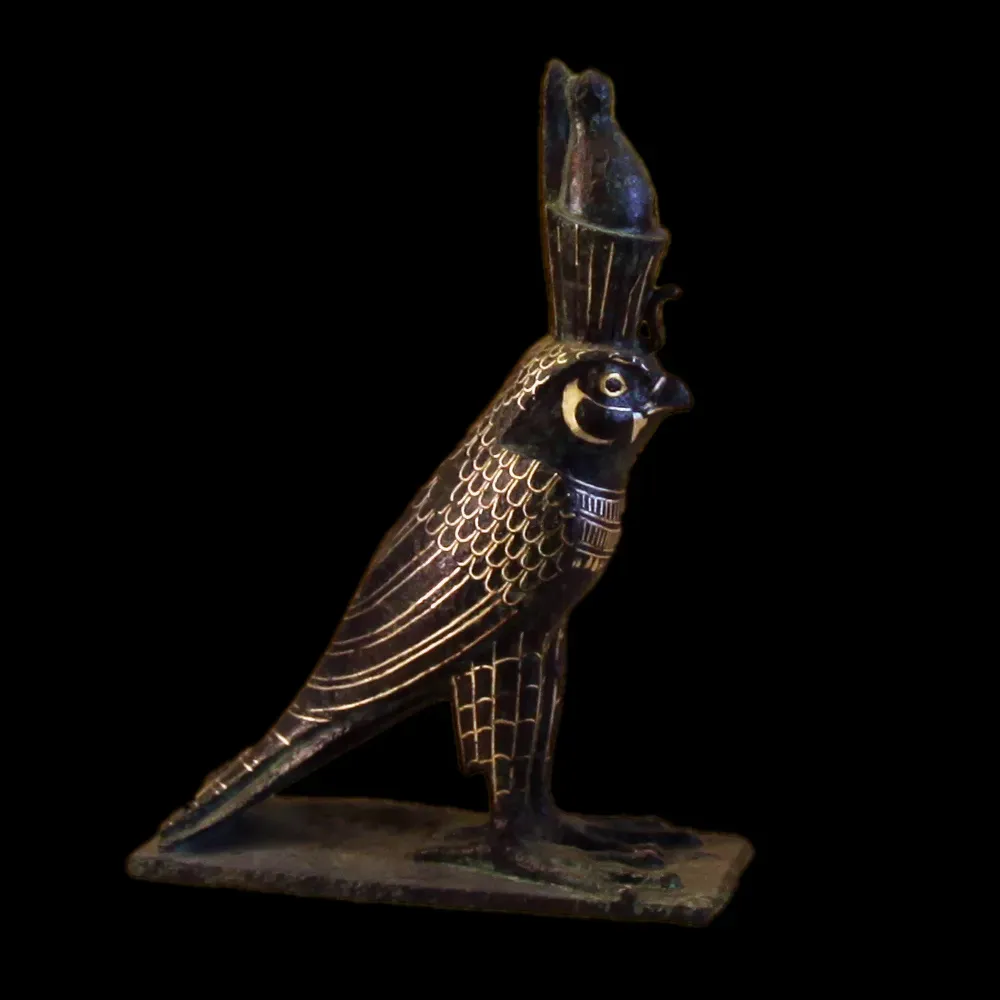
The 1941 film noir starring Humphrey Bogart gave detective fiction one of its defining heroes, but the black bird statue at the center of the plot has arguably eclipsed him in collector circles. The black figurine is one of two known cast lead statuettes made for John Huston’s screen version of the film but the only one confirmed by Warner Bros. archives as having appeared in it. Even its damage has a story, since the figure has a bent right tail feather from damage incurred during filming, after actress Lee Patrick dropped it while handing it to Bogart.
In 2013, the falcon proved just how far its fame had traveled beyond the screen. The final price on the twelve inch tall prop was $4,085,000, which includes a buyer’s premium. A Bonhams representative called it “arguably the most important movie prop ever, and central to the history of cinema” at the time of the sale, a claim that has held up remarkably well more than a decade later.
Bruce the shark from Jaws

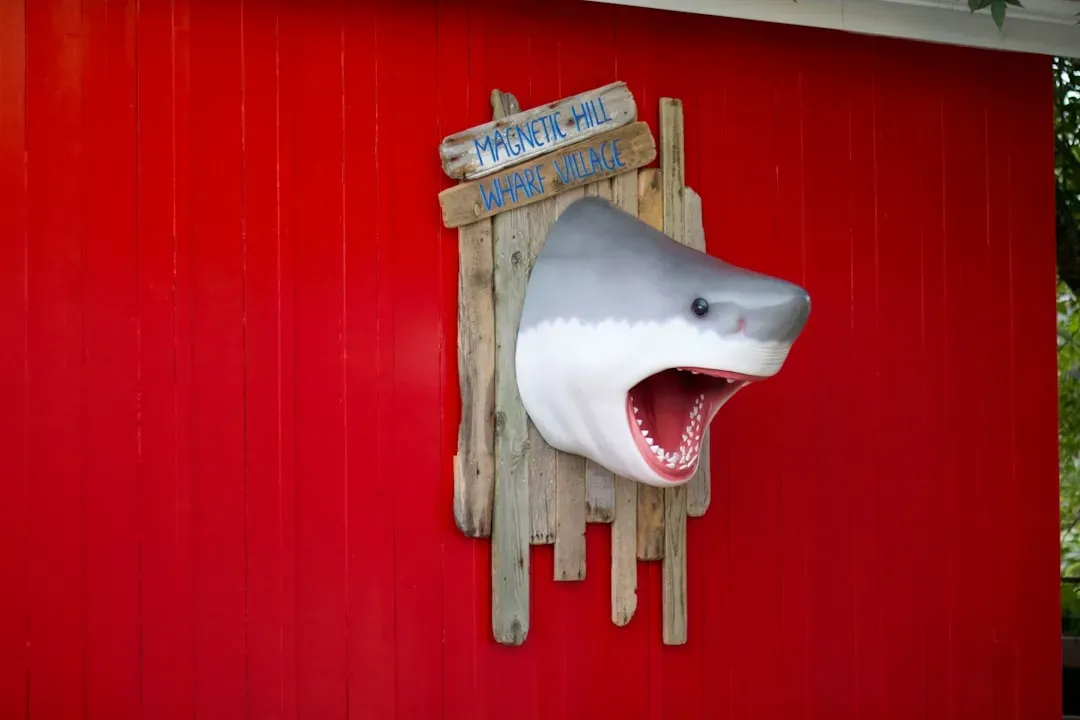
Steven Spielberg’s 1975 thriller redefined the summer blockbuster, but its mechanical star had a rough production history. Three copies of Bruce were created for the movie by art director Joe Alves, but in a remarkably short sighted move, all three were destroyed after filming wrapped, since none of them ever worked properly. A fourth version, built later for promotional purposes, ended up forgotten for years in a California junkyard before being rescued.
Bruce’s second act turned him into a museum star. The last surviving mechanical shark created for the movie Jaws has been fully restored to his fearsome glory and mounted above the main escalator at the Academy Museum of Motion Pictures, a 1,208 pound, 25 foot long figure. The restoration took a loving seven month process by special effects and makeup artist Greg Nicotero, and today crowds photograph Bruce more readily than they discuss the film’s Oscar winning score or editing.
Wilson the volleyball from Cast Away

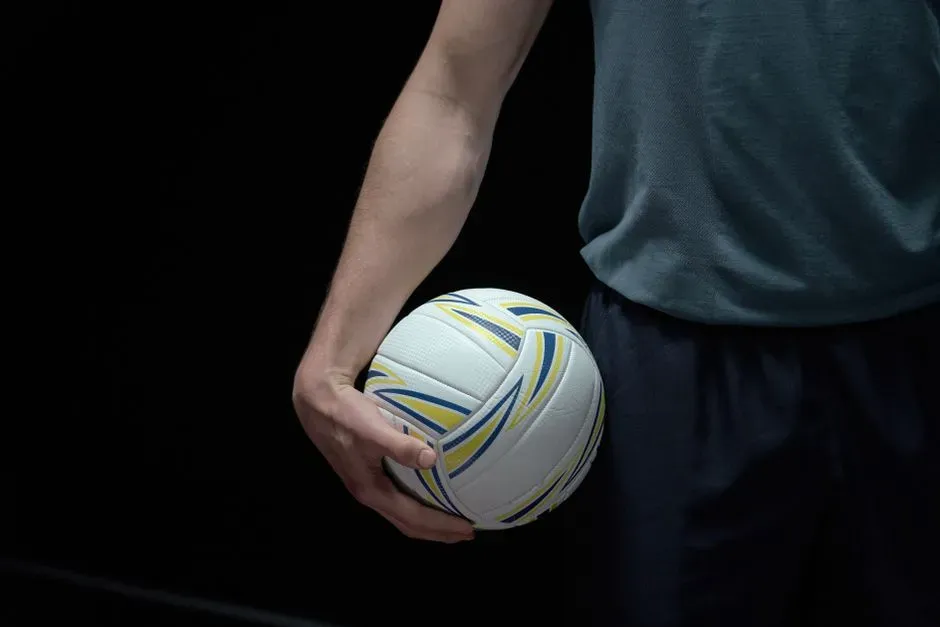
Tom Hanks spent much of Cast Away talking to a volleyball he named Wilson, a stranded castaway’s makeshift companion drawn on with blood and a bit of imagination. It was a small, almost throwaway idea in the script, yet it became the emotional anchor of the entire film. Audiences did not just tolerate the device, they became genuinely attached to a piece of sporting equipment with a face drawn on it.
Partner offer

Wilson has since become shorthand in everyday conversation for loneliness, isolation, or talking to an inanimate object out of desperation, often referenced in shows, memes, and casual conversation completely detached from the film itself. Plenty of people who have never watched Cast Away in full still recognize the name Wilson and its meaning instantly. Few props have achieved that kind of standalone cultural fluency with so little screen dialogue attached to them.
The Chucky doll from Child’s Play
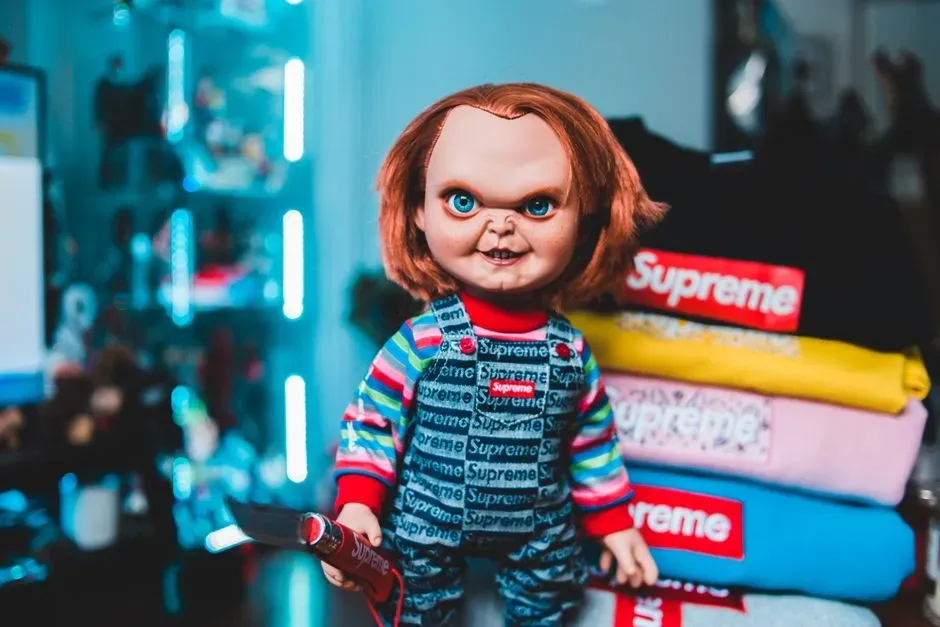
When Child’s Play introduced audiences to a possessed Good Guy doll named Chucky in 1988, it was one horror release among many that year. The doll itself, with its freckled face, red hair, and overalls, quickly became something closer to a horror icon than the film franchise around it ever fully was on its own. Chucky has appeared in sequels, a television series, and countless costumes every Halloween since.
What makes Chucky stand out is how thoroughly the doll design has outgrown its original plot. Many casual fans could not summarize the specific mechanics of the first film’s story, yet they instantly recognize that grinning doll on sight. The prop essentially became a mascot for an entire subgenre of horror, one built around ordinary childhood objects turned menacing.
Freddy Krueger’s glove from A Nightmare on Elm Street

Wes Craven’s 1984 slasher film gave horror one of its most recognizable villains, but it is arguably the glove, not Freddy Krueger’s face, that became the true symbol of the franchise. The bladed leather glove, with metal knives sewn onto the fingertips, turned an ordinary household object into pure dread. It required almost no explanation once audiences saw it in action.
Today the glove shows up on merchandise, in Halloween costume aisles, and in horror retrospectives far more often than specific scenes from the original film get discussed. It has become a stand alone symbol of eighties horror in general, recognizable even to people who have never seen a single Nightmare on Elm Street movie. Few props manage to represent an entire decade of a genre the way that glove has.
The One Ring from The Lord of the Rings

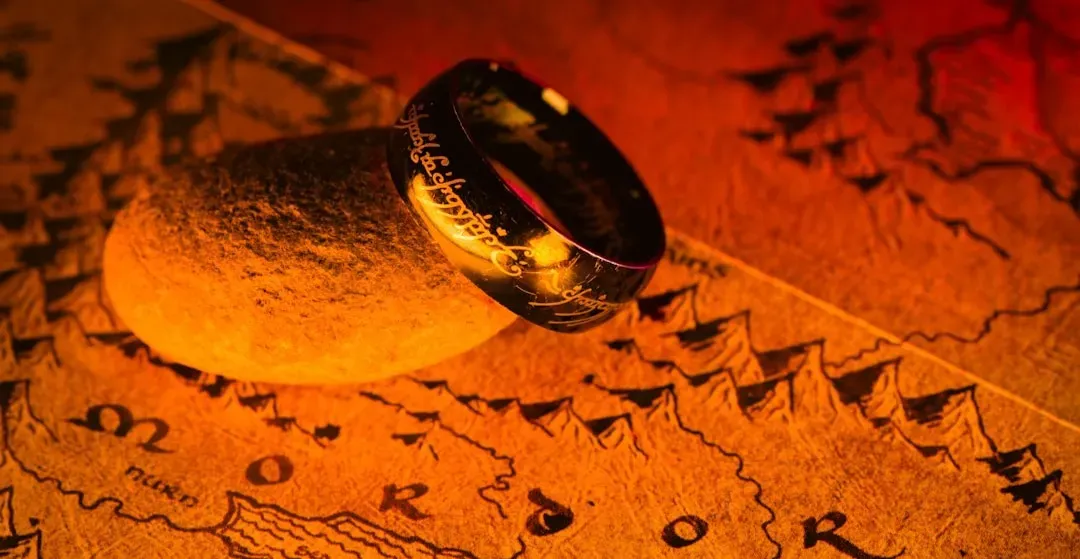
Peter Jackson’s trilogy, based on J.R.R. Tolkien’s novels, was a massive achievement in filmmaking, sweeping the Oscars and reshaping fantasy cinema. Still, the plain gold band at the center of the story has taken on a life that in some ways exceeds even that towering reputation. Replicas of the One Ring, inscribed with its fictional script, remain among the most purchased pieces of film jewelry in existence, sold everywhere from convention halls to mainstream retailers.
The ring’s simplicity is part of its staying power. Unlike costumes or weapons tied to a specific character, it can be worn by anyone, which has helped it slip comfortably into everyday fashion, engagement proposals, and fan culture. It is one of the rare props that people display or wear with genuine pride rather than simply collect and store away.
Iron Man’s armor from the Marvel Cinematic Universe

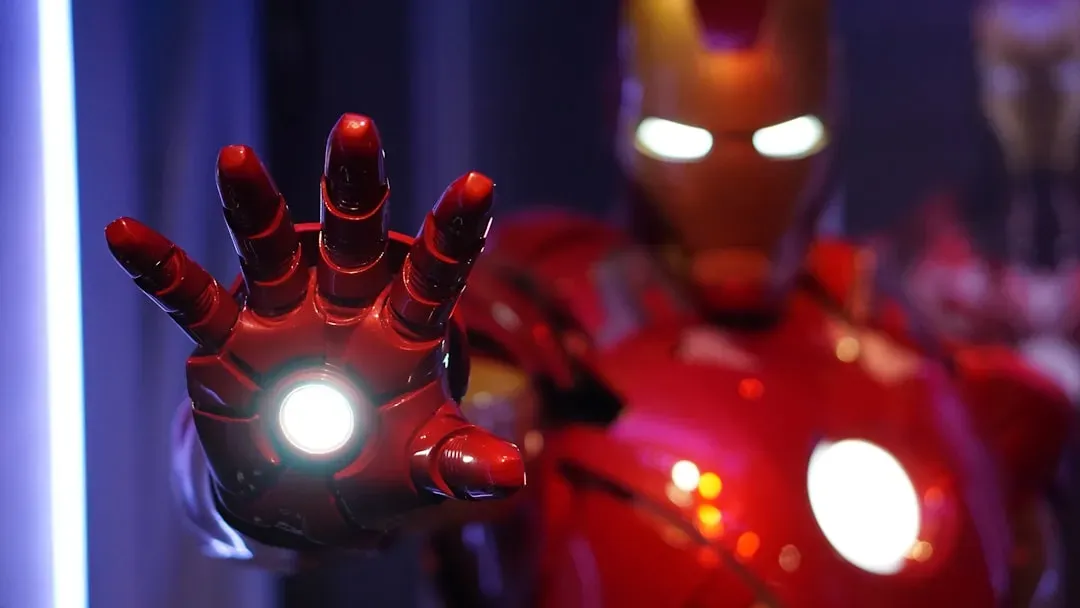
When Iron Man arrived in 2008, its practical suit design became just as important to its success as Robert Downey Jr.’s performance. The red and gold armor, built from a mix of practical suits and later digital effects, gave audiences a superhero costume that felt both futuristic and physically real. It set a visual template that Marvel would return to again and again across more than a decade of films.
The suit has since become one of the most reproduced costumes in entertainment history, appearing on toy shelves, at theme parks, and in countless fan built replicas built by hobbyists around the world. Original screen used suits from the franchise have shown up at conventions and museum exhibits, drawing crowds who recognize the armor instantly even if they cannot name which specific film sequence it came from. The suit, in many ways, has become more central to Marvel’s brand identity than any single line of dialogue from the movie that introduced it.
These nine objects share a curious trait. Each one started as a functional piece of a larger production, built by a props department to serve a scene, then quietly outgrew its job description. Whether sitting in a private vault, hanging in a museum, or turning up as a Halloween costume every October, they have proven that sometimes the smallest details in a film end up carrying the biggest legacy.Partner offer
Planning a trip to Vegas?
Compare hotel rates and show tickets on VEGAS.com.


