There’s a particular kind of heartbreak reserved for moviegoers who fall for a great trailer. You watch two and a half minutes of perfectly cut footage, maybe scored to a song that gives you chills, and you walk into the theater months later expecting something extraordinary. Then the credits roll and you’re left wondering who edited that trailer, because it clearly wasn’t the same person who made the movie. This happens more often than studios would like to admit. Marketing teams are, in many cases, more talented at selling a two-hour experience than the filmmakers were at delivering one. Here are nine cases where the preview promised something the finished film simply couldn’t back up.
1. Suicide Squad (2016)

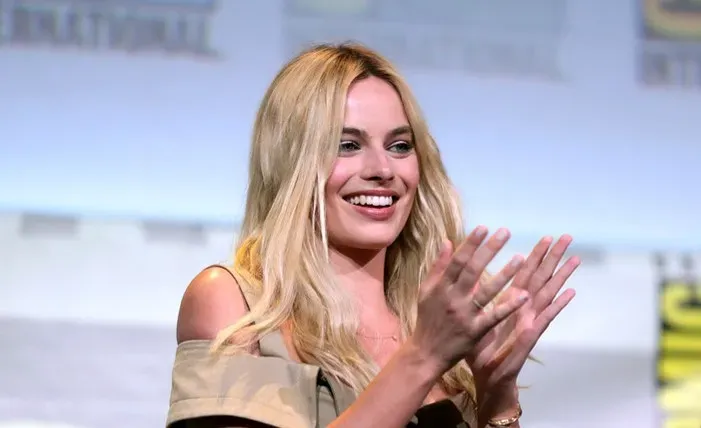
The trailer for Suicide Squad became a genuine cultural moment before the film even opened. The full official trailer, released online in December 2015, highlighted high-octane action sequences and comedic banter among the squad members, often set to Queen’s “Bohemian Rhapsody” to underscore the film’s irreverent style. Audiences ate it up, and the clip racked up tens of millions of views almost overnight.
Then the actual film arrived, and the tone that made the trailer so infectious was nowhere to be found in the same way. Critics later noted that these promotions presented a lighter, more cohesive tone than the final film delivered, leading audiences to expect greater humor and less disjointed pacing. The finished product landed with a rough critical reception, a stark contrast to the buzz that trailer generated.
2. Terminator Genisys (2015)

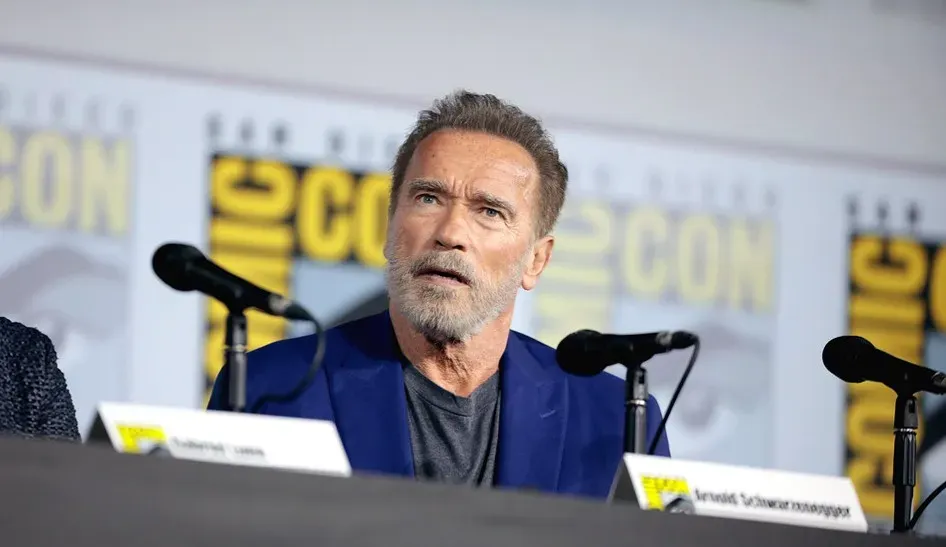
This one is almost a cautionary tale in trailer editing gone wrong, though not for the reasons you’d expect. The marketing team actually delivered exciting, high-energy footage, but they made the baffling decision to reveal the film’s biggest twist right there in the preview. The trailer runs around 166 seconds, and the reveal at around the 90-second mark blows the lid off a somewhat closely held plot twist, showing that one of the primary villains is in fact John Connor.
Stripped of its surprises and left to stand on plot alone, the film didn’t hold up. Genisys was intended to revive both the Terminator franchise and give Arnold Schwarzenegger’s career a boost, but while it didn’t bomb, its modest gross and terrible reviews saw it labeled the series’ nadir. The trailer’s energy promised a fun action romp; the movie itself felt like a tangled, overcomplicated retread of ideas the franchise had already done better decades earlier.
3. Fantastic Four (2015)

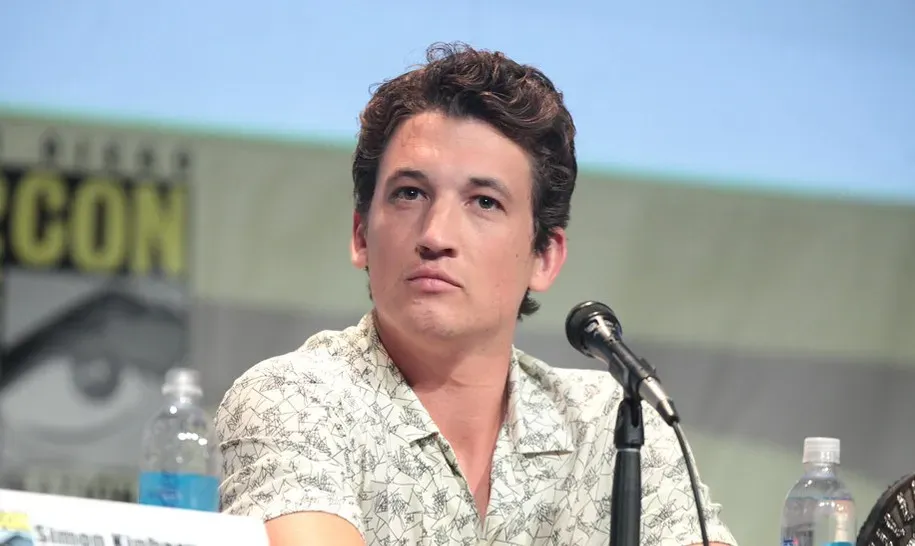
Josh Trank’s take on Marvel’s first family looked genuinely intriguing in its early marketing. The trailers leaned into a grounded, almost body-horror version of superhero origin storytelling, complete with moody lighting and a science-fiction tone that felt fresh for a comic book adaptation. It suggested a serious, character-driven reboot rather than another spandex-heavy blockbuster.
The finished film told a completely different story, one plagued by reported reshoots, studio interference, and a rushed final act that abandoned the tone the trailers had promised. What audiences got was a disjointed mess that critics eviscerated almost universally upon release. The gap between the atmospheric marketing and the choppy final cut became one of the most talked-about disappointments of that summer.
4. Justice League (2017)

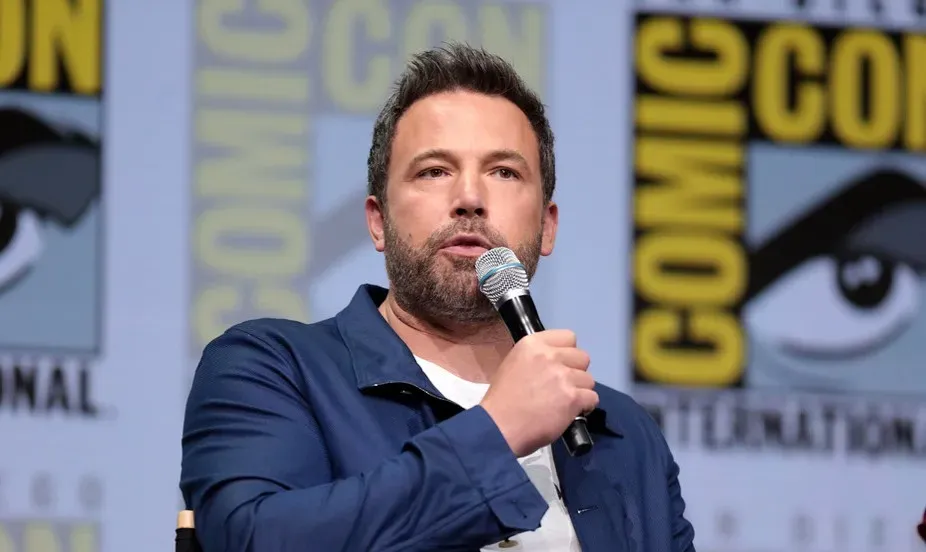
Warner Bros. built enormous anticipation for Justice League with trailers that leaned into scale and spectacle, teasing the first big-screen team-up of Batman, Superman, Wonder Woman, and company. The panels and previews shown at conventions generated real excitement, promising an ambitious culmination of years of DC Extended Universe setup. It looked like the epic team movie fans had been waiting for since Marvel’s Avengers set the template.
What arrived in theaters told a messier story behind the scenes, with director Zack Snyder departing during production and Joss Whedon brought in for extensive reshoots and tonal changes. The result felt stitched together, with visible seams between two very different creative visions. Fans wouldn’t get the version originally promised until years later, when the Snyder Cut was released separately, which itself said everything about how far the theatrical cut had strayed from its marketing.
5. Morbius (2022)

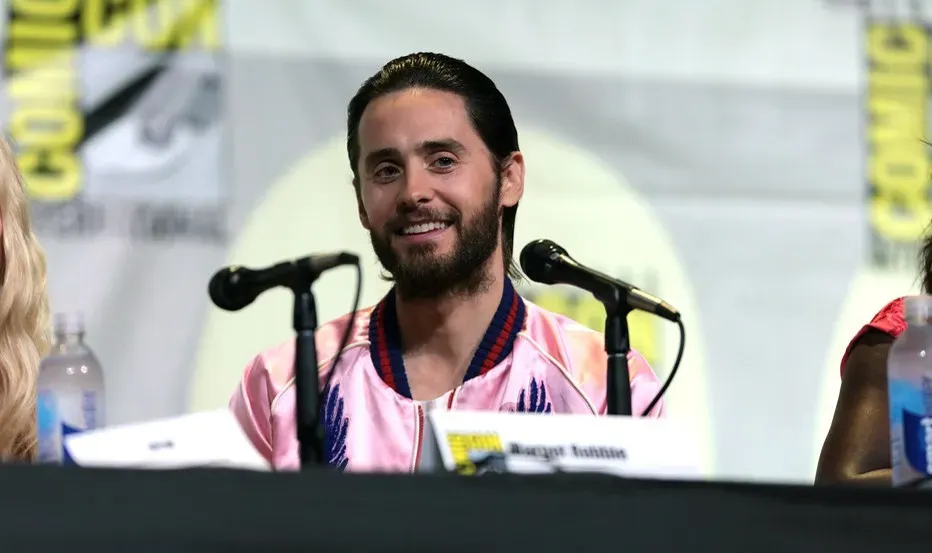
Sony’s marketing for Morbius leaned heavily on moody visuals, a brooding Jared Leto performance, and slick vampire-superhero action beats that looked at least competent, if not spectacular. The trailers promised a dark, grounded entry into the Spider-Man adjacent universe Sony had been building. There was nothing in those previews that screamed disaster.
Partner offer

The film that followed became one of the most memed disappointments in recent movie history. With a Rotten Tomatoes score of 17 percent and a lackluster box office performance, sarcastic tweets joking about full screenings went viral, along with countless troll reviews online. A considerable percentage of those who eventually watched the film saw it condensed into a sped-up clip in less time than it would have taken to watch the trailers. The “It’s Morbin’ Time” meme outlived the movie’s theatrical run by years, which says plenty about how the final product compared to its promise.
6. Dark Phoenix (2019)

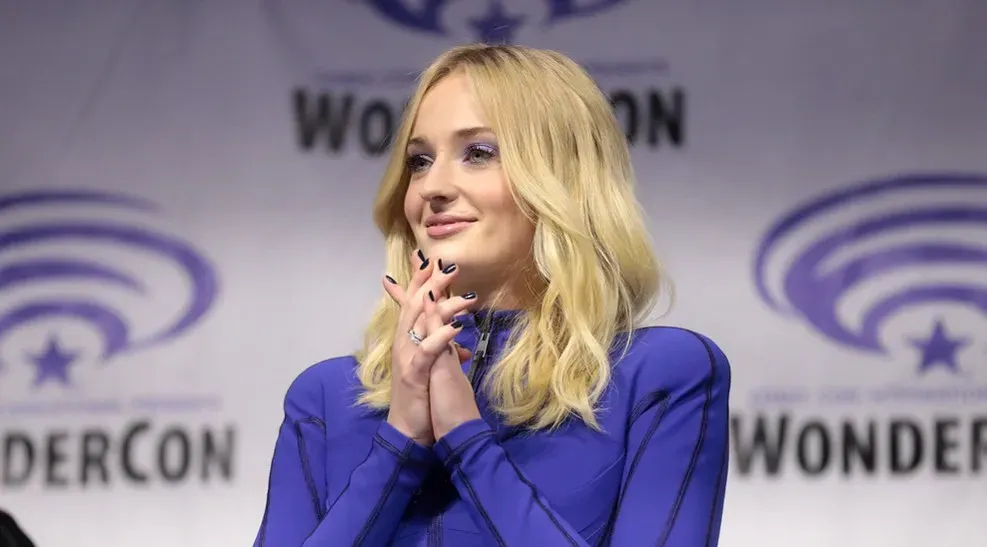
The trailers for Dark Phoenix promised an emotional, cosmic-scale conclusion to the X-Men film series that had run for nearly two decades. Footage teased Jean Grey’s tragic transformation with a somber, almost operatic tone, hinting at a fitting send-off for characters audiences had followed since the early 2000s. It looked like a heavy, consequential finale.
Instead, the finished film felt rushed and oddly muted, undercut by reported reshoots that softened much of what made the marketing feel weighty. Critics and longtime fans alike found it a hollow ending to a franchise that had produced genuinely great entries earlier in its run. It became the lowest-grossing film in the franchise’s history, a quiet and disappointing exit for a saga that once redefined what a superhero movie could be.
7. King Arthur: Legend of the Sword (2017)

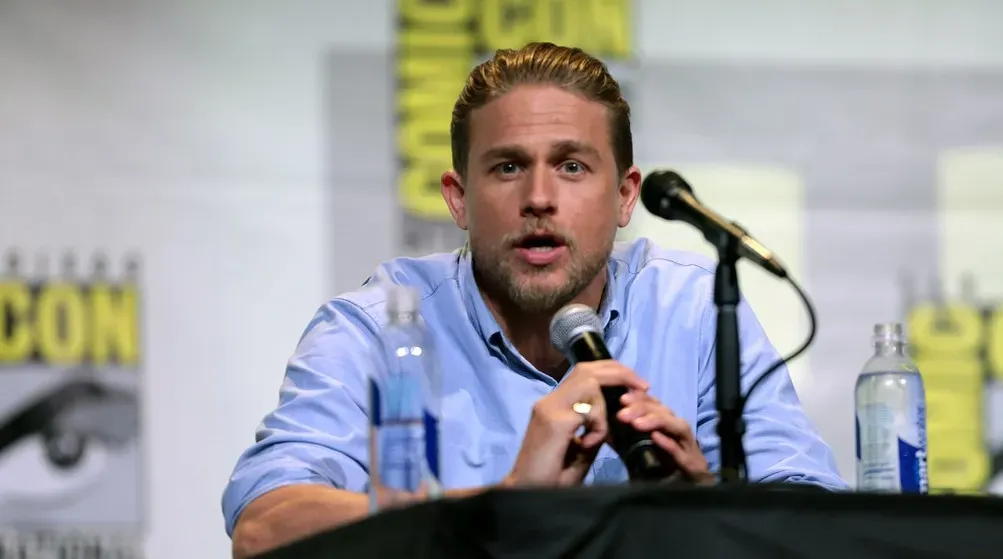
Guy Ritchie’s kinetic, stylized editing made the King Arthur trailers genuinely fun to watch. Quick cuts, a driving score, and Ritchie’s signature visual flair suggested a fresh, irreverent take on Arthurian legend, something closer to his crime films than a typical medieval epic. It looked like a bold swing that might actually pay off.
The full film buried that energy under an overstuffed plot and CGI-heavy set pieces that dragged rather than dazzled. What worked in short bursts during the trailer became exhausting stretched across two hours, and the story struggled to justify its own mythology-building ambitions. The film underperformed badly at the box office, effectively ending plans for the multi-film franchise Warner Bros. had hoped to build around it.
8. Independence Day: Resurgence (2016)

Two decades after the original became a defining blockbuster of the 1990s, the trailers for Resurgence leaned hard into nostalgia, teasing bigger alien ships, familiar faces returning, and the kind of large-scale destruction that made the first film a spectacle. It looked like a worthy, if delayed, sequel to a genuine cultural touchstone. Fans of the original had plenty of reason to feel hopeful.
The finished movie struggled to recapture what made its predecessor work, trading character-driven stakes for bigger but emptier action sequences. Critics found it hollow, and audiences largely agreed, leading to a noticeably softer box office run than expected for a sequel with that much built-in goodwill. Plans for a further sequel quietly disappeared afterward, a telling sign of how far the reception fell short of the marketing’s promise.
9. Warcraft (2016)

Duncan Jones took on the notoriously difficult task of adapting a sprawling video game universe, and the trailers for Warcraft looked genuinely impressive for their time. The visual effects work on the Orc characters was detailed and expressive, and the footage suggested a fantasy epic with real scale and ambition behind it. For gaming fans, it looked like the adaptation they’d been waiting years for.
The final film struggled with pacing and an overloaded plot that tried to cram too much world-building into a single feature, leaving many viewers confused rather than immersed. Western critics were largely unimpressed, even as the film found considerably more success overseas, particularly in China. The disconnect between the promise of those early effects reels and the muddled storytelling that followed left a lasting impression on how the industry approaches video game adaptations.
Trailers exist to sell a feeling, not necessarily an accurate preview of the finished product. Editors can pull the sharpest thirty seconds from a film, pair them with the right music, and manufacture excitement that the full two hours simply can’t sustain. These nine examples are reminders that a great trailer is its own kind of filmmaking, separate and sometimes entirely disconnected from the movie it’s meant to represent.Partner offer
Planning a trip to Vegas?
Compare hotel rates and show tickets on VEGAS.com.