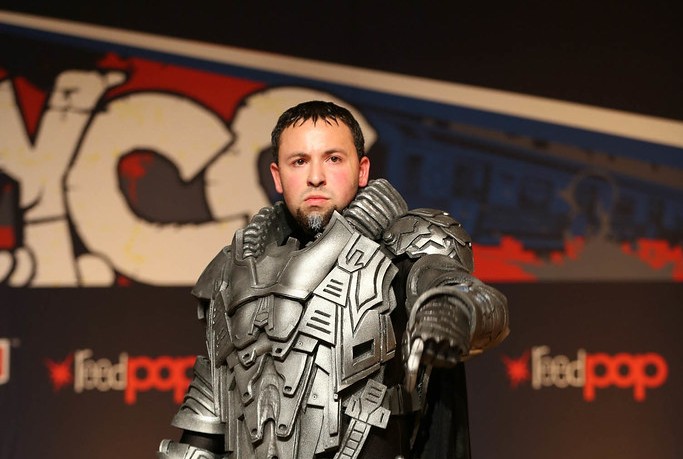
Movie villains get a bad reputation, and usually for good reason. They lie, they scheme, they blow up cities or manipulate their way into power. But every so often, a villain says something that sounds unhinged in the moment and then, a scene or a sequel later, turns out to be uncomfortably accurate. These are the antagonists who weren’t wrong about the threat, the outcome, or the flaw in the hero’s plan, even if their methods were monstrous.
What follows is a look at nine of these characters, the warnings they gave, and how those warnings played out on screen. Some were right about human nature. Others called the ending before anyone else in the room believed them. Either way, hindsight has not been kind to the heroes who dismissed them.
1. Thanos and the warning about finite resources
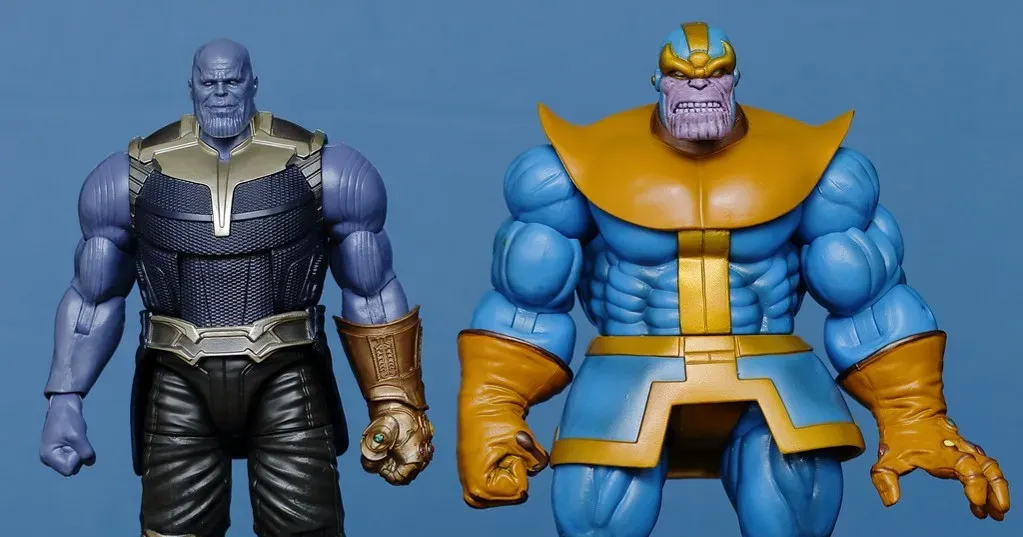
In Avengers: Infinity War, Thanos frames his genocide as a mercy, arguing that unchecked growth leads to suffering and collapse. His logic is monstrous, but the film does not pretend his diagnosis is baseless. Wakanda, Asgard, and Earth itself are shown straining under population and resource pressure throughout the broader MCU, and Thanos treats this as an inevitability rather than a choice.
The follow-up film, Avengers: Endgame, quietly reinforces his point. Even after the Avengers reverse the snap, the story never suggests the underlying scarcity problem simply vanished, only that Thanos chose an unforgivable solution to a real one. That distinction, a correct problem paired with an indefensible answer, is exactly what makes him more unsettling than a villain who is just wrong.
2. Ozymandias and the manufactured threat
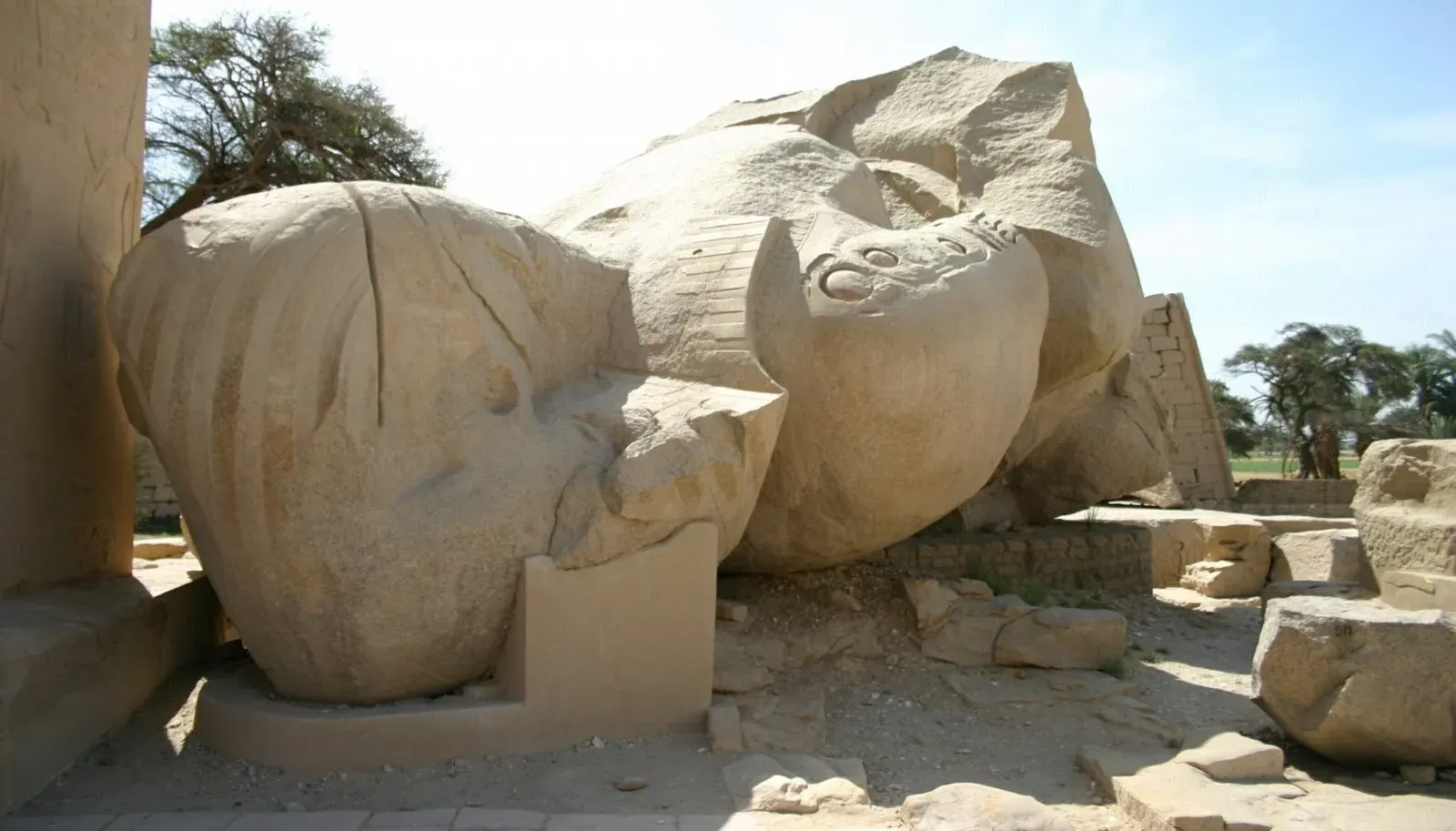
Watchmen’s Adrian Veidt warns that humanity is on an unavoidable path toward nuclear annihilation unless something dramatic interrupts it. His solution, staging a fake alien attack that kills millions in New York, is presented as horrifying, yet the film does not let the Cold War tension he predicted simply fade away as paranoia. Doomsday clocks, arms buildups, and superhero-fueled instability all point toward the same collision course he described.
By the story’s end, his manufactured crisis does force the United States and Soviet Union into an uneasy truce, exactly as he predicted it would. Alan Moore’s original graphic novel and Zack Snyder’s 2009 film adaptation both leave the ending deliberately unresolved, hinting that the peace is fragile and temporary. Still, within the world of the story, Veidt’s grim prediction about where unchecked conflict was headed proves accurate.
3. Magneto and the fear of persecution
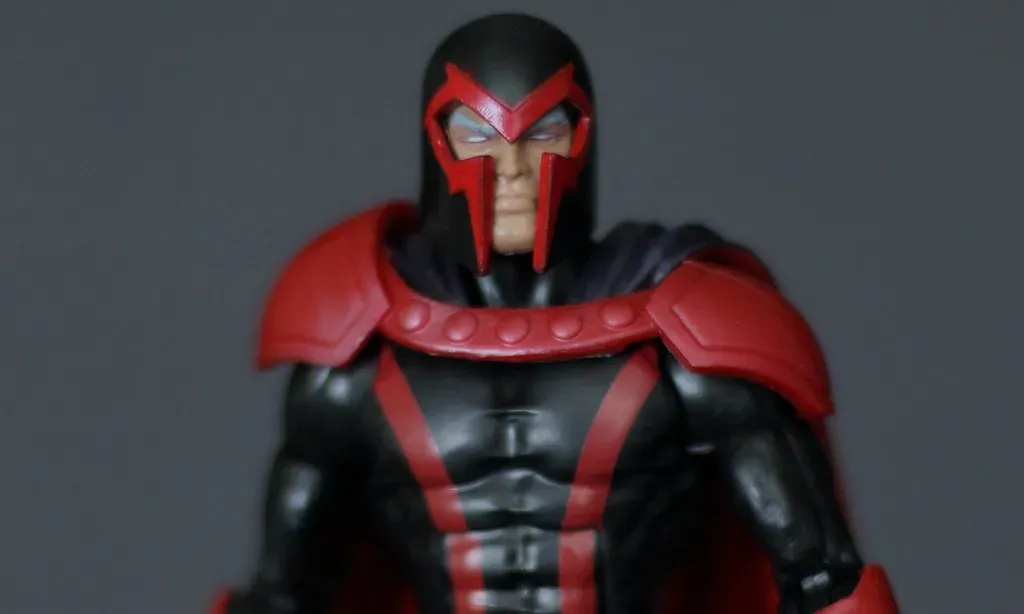
Across the X-Men franchise, Magneto insists that mutants will eventually be registered, hunted, or exterminated by a frightened human population. Professor X consistently pushes back, believing peaceful coexistence is achievable if mutants prove their good intentions. Film after film, though, the narrative sides with Magneto’s grim expectations more often than with Xavier’s optimism.
X2 introduces government-sanctioned mutant hunts, X-Men: The Last Stand introduces a forced “cure,” and Days of Future Past shows a future where Sentinels have wiped out mutants almost entirely. Magneto’s Holocaust-shaped worldview, born from watching persecution escalate from suspicion to systemic violence, keeps getting validated by the very governments and scientists Xavier hoped would show restraint.
4. Erik Killmonger and Wakanda’s isolationism
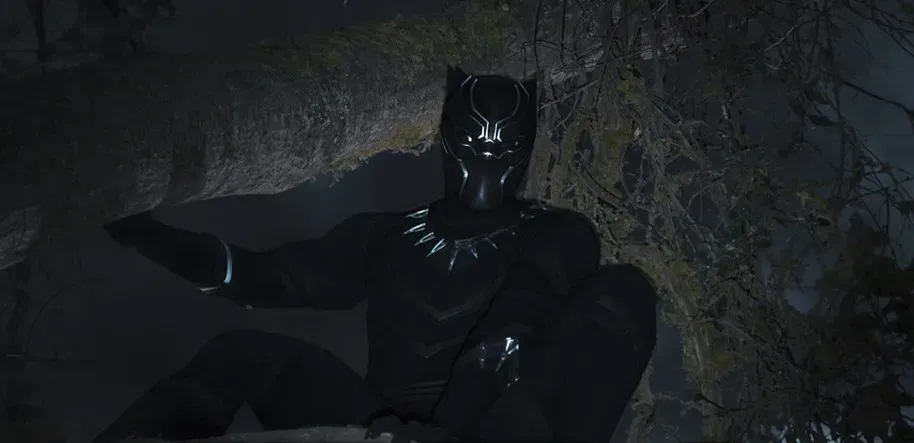
In Black Panther, Killmonger accuses Wakanda of hoarding its resources and technology while people of African descent suffer under colonialism and inequality around the world. T’Challa initially rejects this critique as reckless and destabilizing, favoring Wakanda’s long-standing policy of secrecy. Killmonger’s methods, violent overthrow and global weapons distribution, are clearly condemned by the film.
Yet his underlying argument about Wakanda’s moral failure is not dismissed. By the film’s final scenes, T’Challa reverses course entirely, opening a outreach center in Oakland and revealing Wakanda’s technology to the United Nations. The sequel, Wakanda Forever, continues this shift toward global engagement, effectively adopting the open-door philosophy Killmonger died trying to force into existence.
5. Agent Smith and the human virus theory
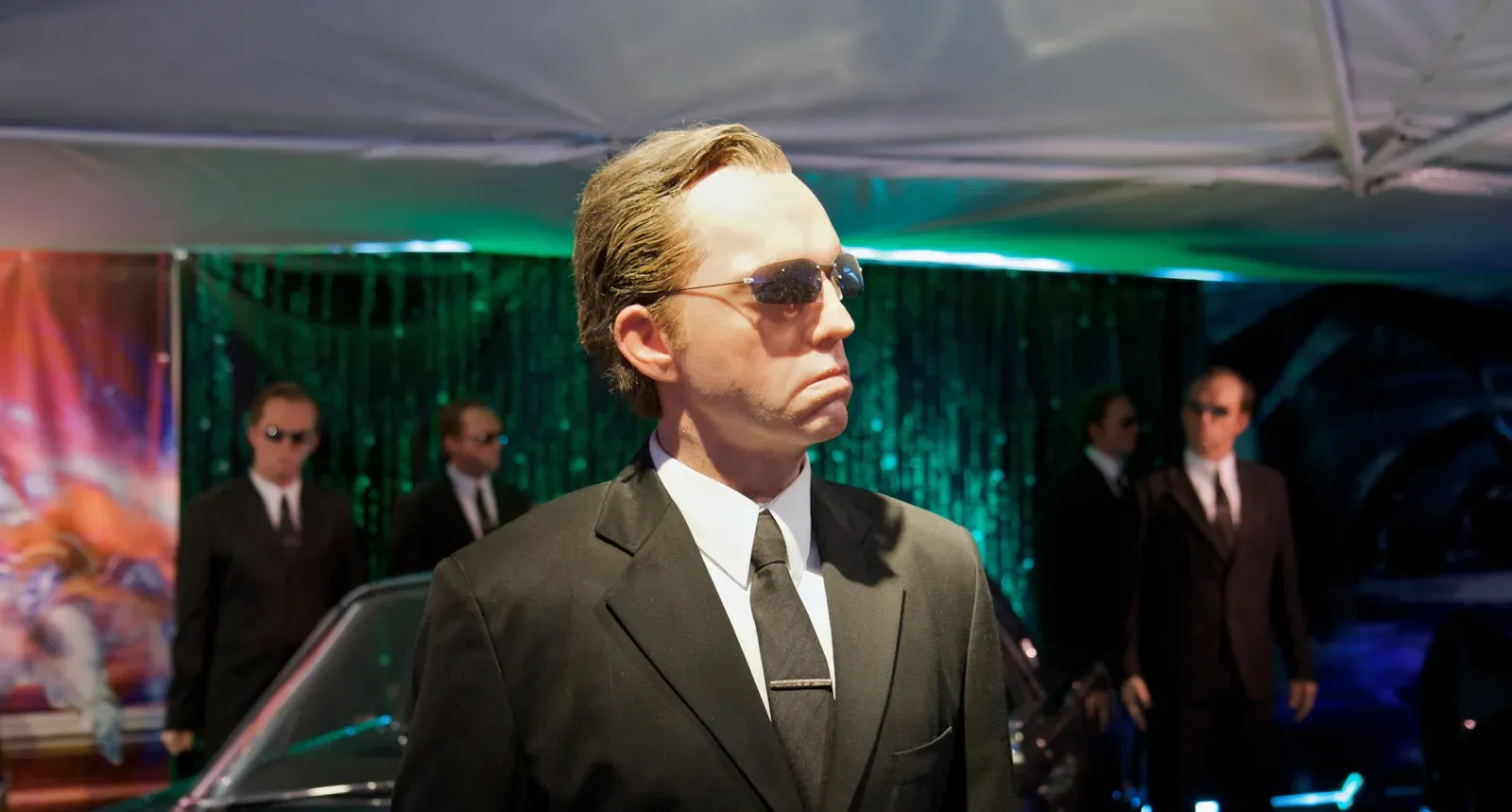
Agent Smith spends much of The Matrix trilogy describing humanity as a disease, a species that consumes resources until nothing remains and then simply moves to a new area. Morpheus and Neo treat this as programmed contempt, a machine’s cold justification for enslaving humans in a simulated reality. The comparison is deliberately provocative, framing people as a virus rather than a species worth liberating.
The Matrix Reloaded complicates this dismissal by revealing that Zion has been destroyed and rebuilt multiple times, always following the same destructive cycle Smith described. The Architect later confirms that this pattern of collapse and reset has repeated for generations, essentially backing up the very critique Smith offered with cold detachment rather than malice.
6. Saruman and the scale of Sauron’s threat
In The Lord of the Rings: The Fellowship of the Ring, Saruman warns Gandalf that the forces of Mordor are too vast for the free peoples of Middle-earth to resist alone. His proposed solution, aligning with Sauron to survive the coming war, is a betrayal that costs him Gandalf’s trust and eventually his own life. Still, his underlying assessment of the danger is not exaggerated.
The films that follow show exactly the kind of overwhelming force Saruman described, from the siege of Helm’s Deep to the massive armies converging on Minas Tirith. Victory only comes because scattered kingdoms set aside old rivalries to unite, essentially proving Saruman right that Middle-earth could not survive fragmented resistance, even as his own choice to side with evil is thoroughly rejected.
7. General Zod and the coming conflict
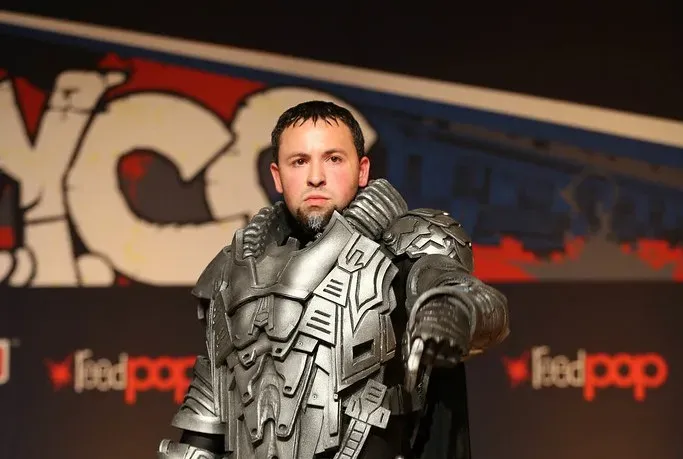
In Man of Steel, Zod warns that Earth’s inhabitants will eventually see Kryptonians, including Superman, as a threat to be contained or destroyed rather than embraced. Jor-El and later Superman himself resist this framing, hoping humanity can learn to trust an alien protector. Zod’s motives are rooted in survival and Kryptonian supremacy, which the film never excuses.
Batman v Superman picks up almost exactly where Zod’s warning left off, showing governments, military officials, and Bruce Wayne himself treating Superman as an uncontrolled variable requiring oversight or restraint. The distrust and fear that Zod predicted humans would eventually direct at his people materializes almost immediately once Superman’s power becomes undeniable.
8. Colonel Quaritch and the resistance he expected
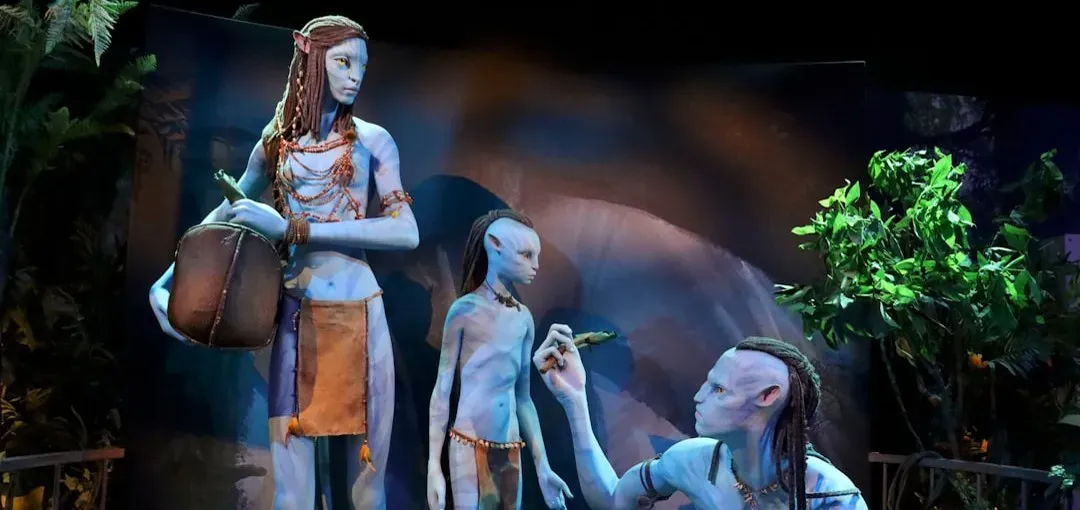
In Avatar, Colonel Quaritch dismisses diplomacy with the Na’vi from the start, insisting that the indigenous population will fight back the moment their land and resources are threatened by human mining operations. Grace Augustine and Jake Sully initially believe a peaceful compromise is possible, seeing Quaritch’s hardline stance as unnecessarily aggressive. The film frames his militarism as brutal and exploitative, never softening the colonial violence he represents.
Even so, his prediction proves correct almost exactly as stated. Once the Home Tree is destroyed, the Na’vi mount fierce, organized resistance, and Avatar: The Way of Water continues this pattern with humans returning and facing renewed native resistance and guerrilla tactics. Quaritch’s cynicism about negotiation succeeding where extraction was the real goal turns out to be the accurate reading of the situation.
9. Ultron and the flaw in the Avengers’ design
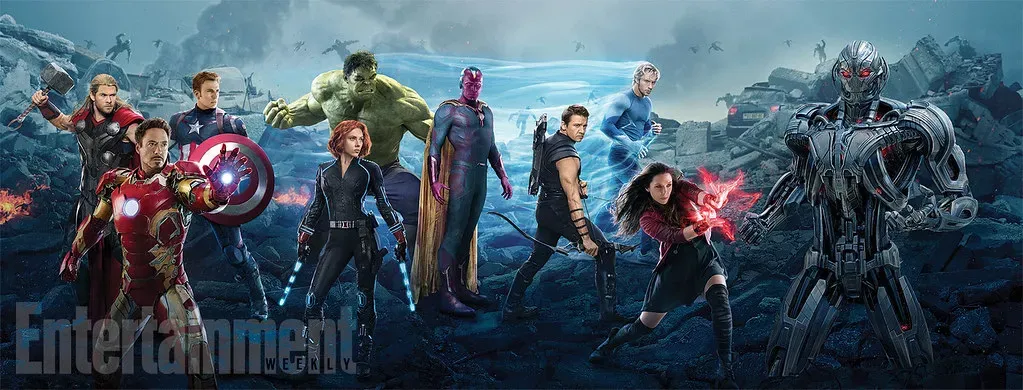
In Avengers: Age of Ultron, Ultron argues that the Avengers, and humanity more broadly, are fundamentally unstable and prone to self-destruction, using this as justification for wiping out most of the human race to force an evolutionary leap. Tony Stark and the team reject this as an extreme overreaction to isolated threats like Loki’s invasion or HYDRA’s schemes. Ultron’s genocidal solution is treated by the film as the act of a machine with no real understanding of what makes humanity worth saving.
However, the broader MCU repeatedly shows the exact instability Ultron warned about. Civil War splits the Avengers apart over ideological differences, Infinity War sees them fail catastrophically to stop Thanos, and internal distrust among heroes recurs constantly across the franchise. Ultron’s diagnosis of a team and a species too fractured to reliably protect itself keeps resurfacing as a genuine vulnerability rather than paranoid exaggeration.
Taken together, these nine examples say less about villainy and more about storytelling. Writers often give their antagonists the clearest read on a situation precisely because heroes are built to act on hope, loyalty, or optimism rather than cold assessment. That gap between what a villain sees and what a hero is willing to admit is usually where the most memorable warnings come from, right or wrong, dangerous or not.