Movie marketing teams spend months agonizing over a handful of words that will end up on a poster, and sometimes those words bomb the moment real people see them. Test screenings are supposed to catch story problems, but studios have learned they can also expose a tagline or title that simply does not land. What follows is a gallery of documented cases where audience reaction forced studios to scrap their first instinct and try again, sometimes just days before a release date.
Some of these stories involve a full title swap, others a redesigned poster star, and a few a single line of copy that had to go. Together they show how much power a preview audience can have over the words a studio eventually prints.
Edge of Tomorrow and the tagline that became the title

When Warner Bros tested this Tom Cruise science fiction thriller, the reaction to the original title was reportedly almost unanimous. Test audiences did not like the old title, and their reaction was pretty unanimous. The studio needed something that would actually explain the time loop premise at a glance, since the existing title gave audiences nothing to hold onto.
The solution came from the film’s own marketing copy. The tagline “Live. Die. Repeat.” told audiences everything they needed to know about the film, and it eventually got printed over the poster in much larger type than the actual title. The confusion never fully went away, and depending on which version someone owns, the film is still known as Edge of Tomorrow, Live Die Repeat, or some combination of both.
Deadpool and Wolverine’s overnight title reversal
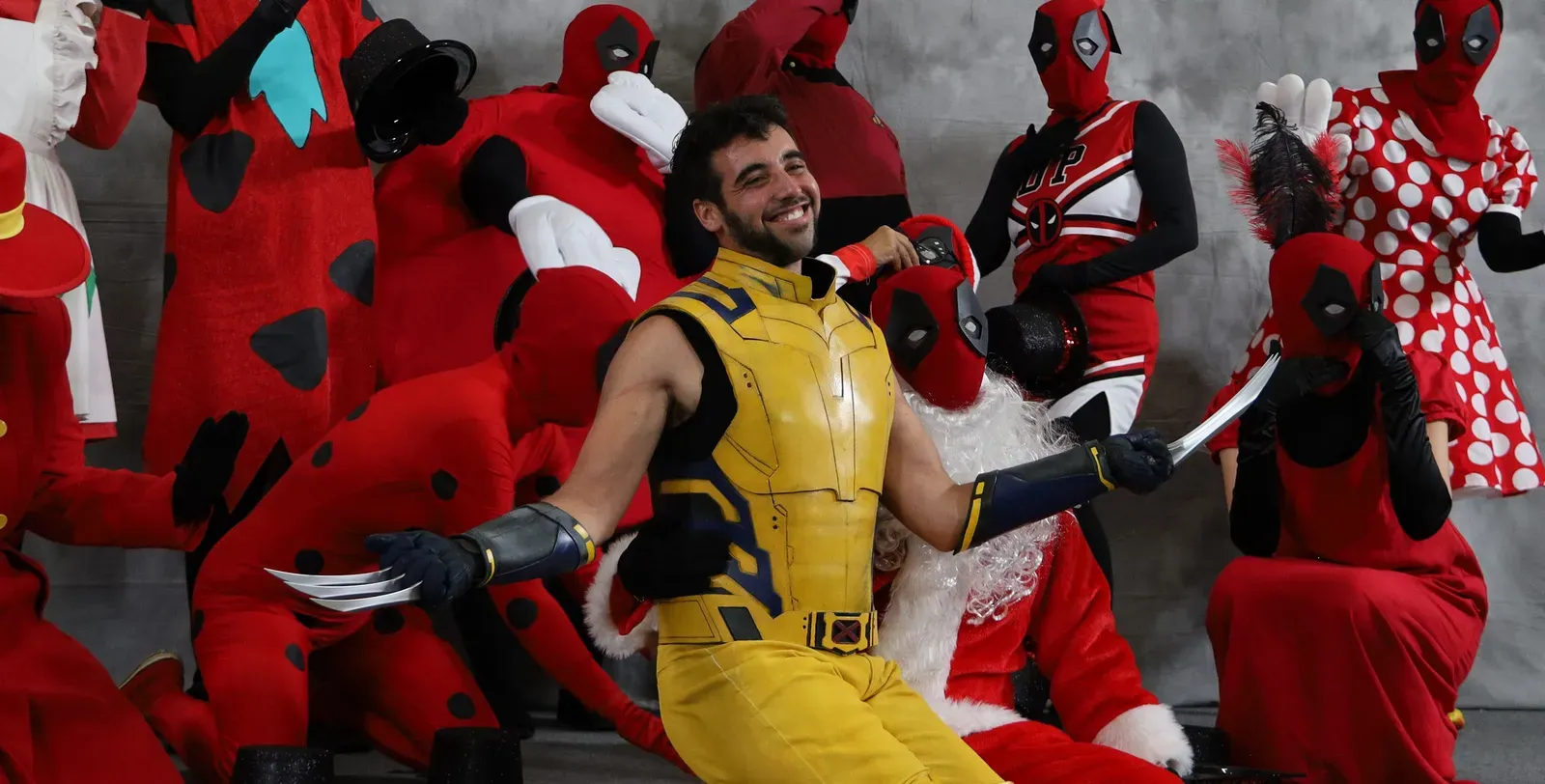
Before the third Deadpool film had a final title, it was known internally as something else entirely. The film had the working title Deadpool & Friend during production. That name leaked the night before the Super Bowl trailer was set to drop, and the internet response was immediate and largely negative.
The studio did not wait around to see if the feeling would pass. They quickly altered the title, dropping the word “friend” in favor of “Wolverine” instead. It is a rare example of a marketing decision getting reversed in a matter of hours rather than weeks, purely because of public reaction to a leak.
The Last House on the Left and a tagline born from failure
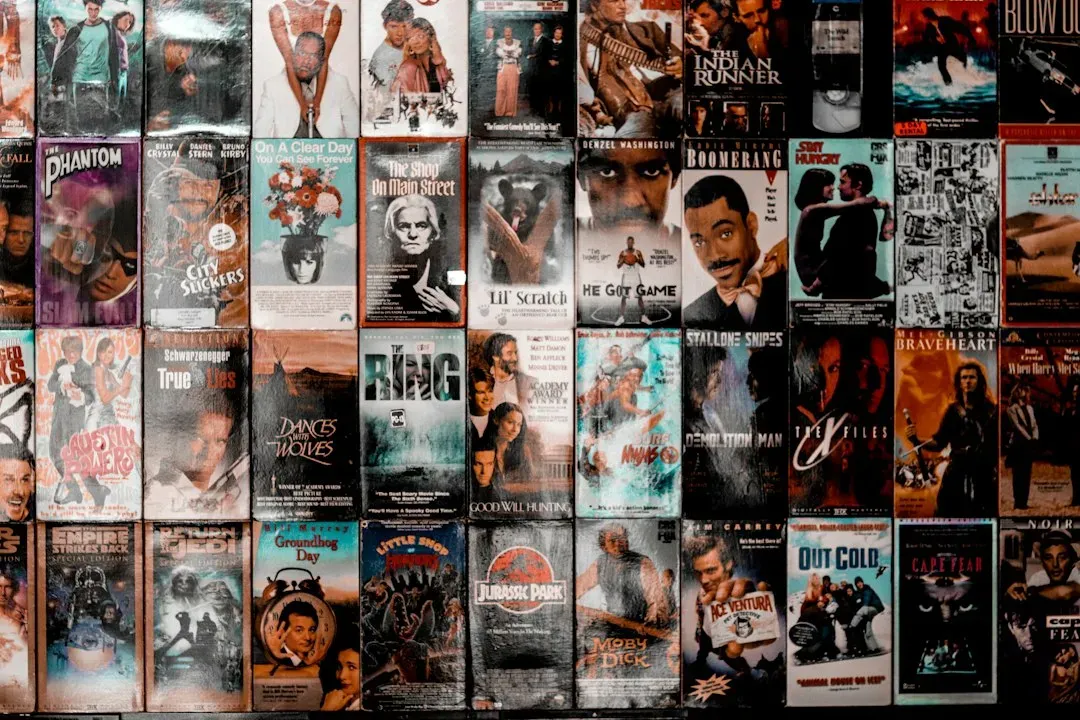
Wes Craven’s directorial debut went through a rough stretch before anyone settled on how to sell it. The film had gone through multiple failed title changes, from Sex Crime of the Century to Krug and Company, with nothing resonating during test screenings. None of those working titles gave audiences a reason to buy a ticket, and the studio knew it.
What eventually replaced them became one of horror marketing’s most quoted lines. The tagline that emerged told viewers to keep repeating “It’s only a movie” to avoid fainting, and it is now famous. That single phrase did more to sell the film’s reputation for shock value than any of the rejected titles ever could have.
Rollerball’s marketing overhaul after a disastrous preview
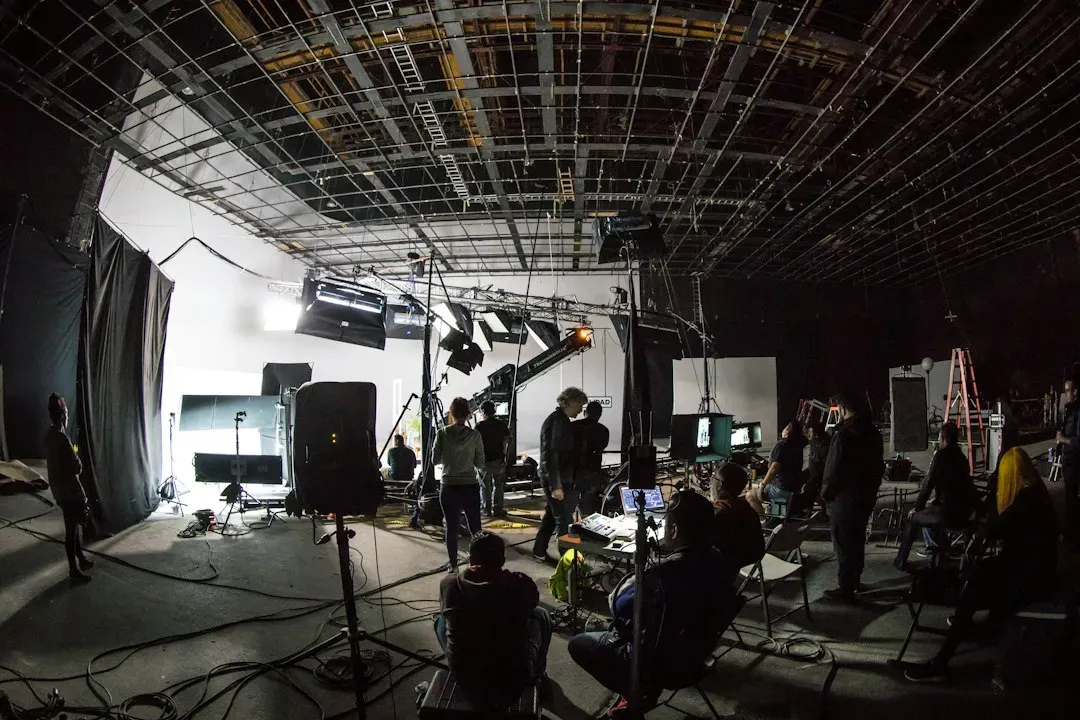
Few test screenings have gone as badly as the early workprint showing of this 2002 remake. Initial screenings of a two hour workprint cut in Las Vegas received a very negative response from test audiences. Word of that reaction spread quickly through the industry, and MGM knew the original marketing plan was no longer viable.
The studio did not just tweak the copy on the poster, it rebuilt the entire release strategy. Following the negative test screenings, MGM ordered massive reshoots and reedits, then appointed a new head of marketing and distribution who convinced the director to abandon the summer release date, giving the studio time to devise a better marketing strategy. The film’s release was pushed back repeatedly, moving from summer into the following February.
Sonic the Hedgehog’s redesign before a single poster went up
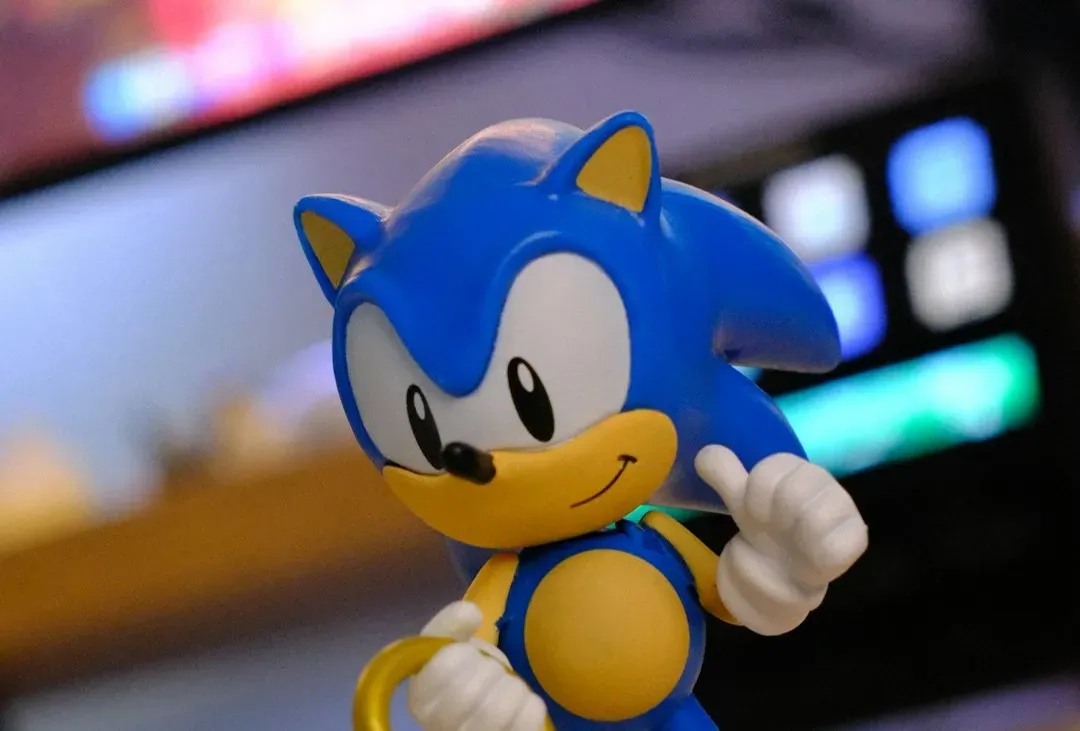
Paramount learned the hard way that a poster image can generate its own kind of test screening once it hits social media. When the first trailer dropped in April 2019, fans rejected the appearance of Sonic, and this caught Paramount and the filmmakers off guard. The backlash was loud enough that the studio could not simply ride it out.
Within days, the director publicly committed to a fix. The film’s director vowed the visual design of the titular hedgehog would be changed before release, acknowledging the message was loud and clear that fans wanted changes. The redesigned character delayed the film’s release but ultimately reshaped how the marketing team approached every poster and trailer that followed.
James Bond’s poster redesign that Amazon had to undo
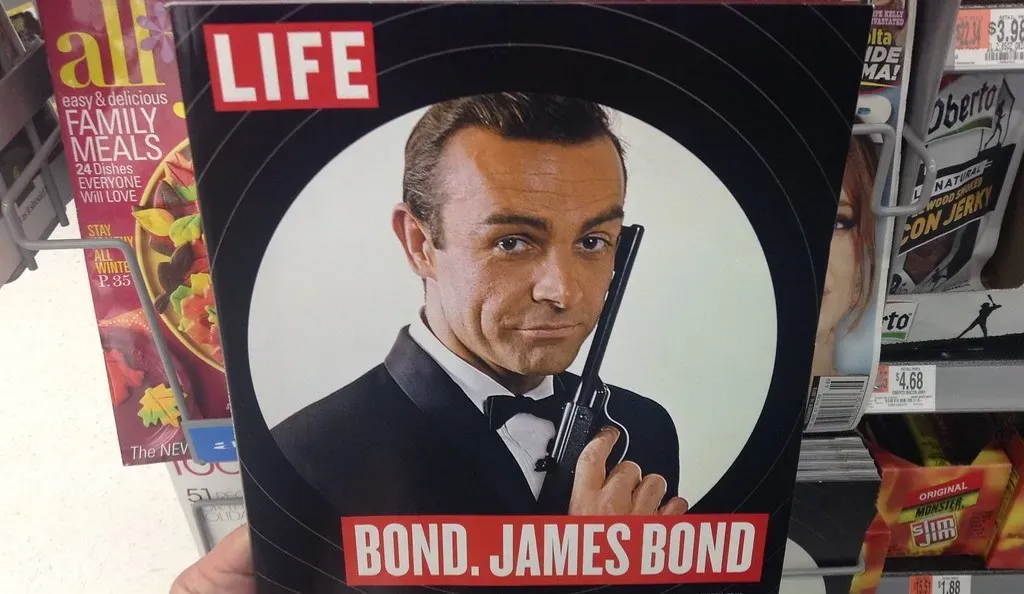
Not every audience reaction happens in a screening room. When Amazon Prime Video altered a set of classic Bond posters for a promotional campaign, the response online was swift. Amazon had digitally altered some of the franchise’s most iconic posters to celebrate James Bond Day, including editing out the character’s sidearm in artwork from Dr. No and Goldeneye.
The pushback did not stay contained to a small corner of the internet. After facing severe online backlash, Amazon removed the controversial artwork, quietly declining to comment on the decision. It is a modern version of the same lesson studios learned decades earlier in test screening rooms: audiences will tell you exactly what they think, whether you ask them to or not.
The Nicole Kidman ad line that fans demanded back
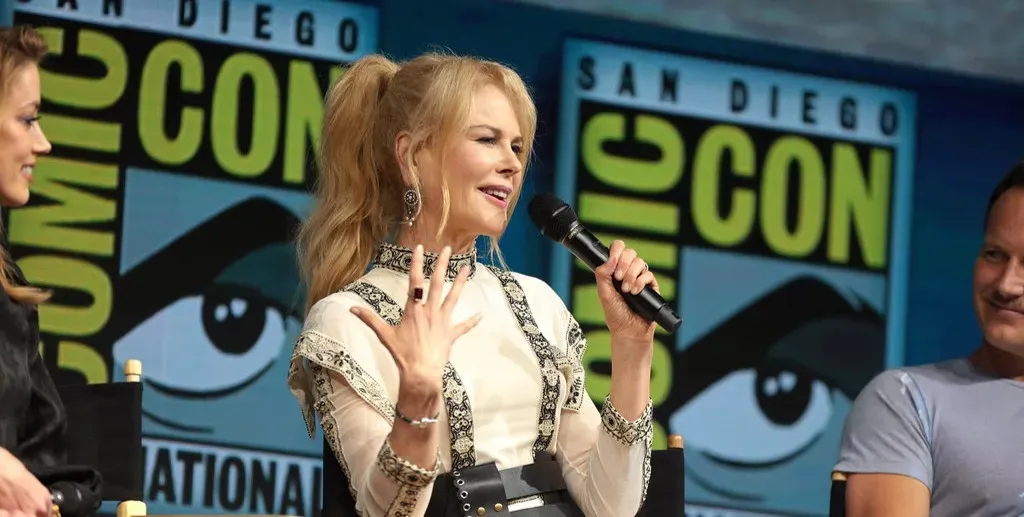
Sometimes the backlash runs in the opposite direction, punishing a studio for cutting something rather than keeping it. When AMC Theatres trimmed its viral Nicole Kidman commercial for a Spider-Man release, the shortened version left out a key line. The reduced version omitted the “heartbreak” line, and the decision sparked outraged responses from fans, including a petition demanding AMC restore the original cut.
The reaction proved the missing line was not filler at all. AMC relented and returned to showing the full length version. It is a reminder that audiences do not only object to bad copy, they can just as easily fight to protect a line they already love.
Thunderbolts and the ending that had to be rebuilt before the credits
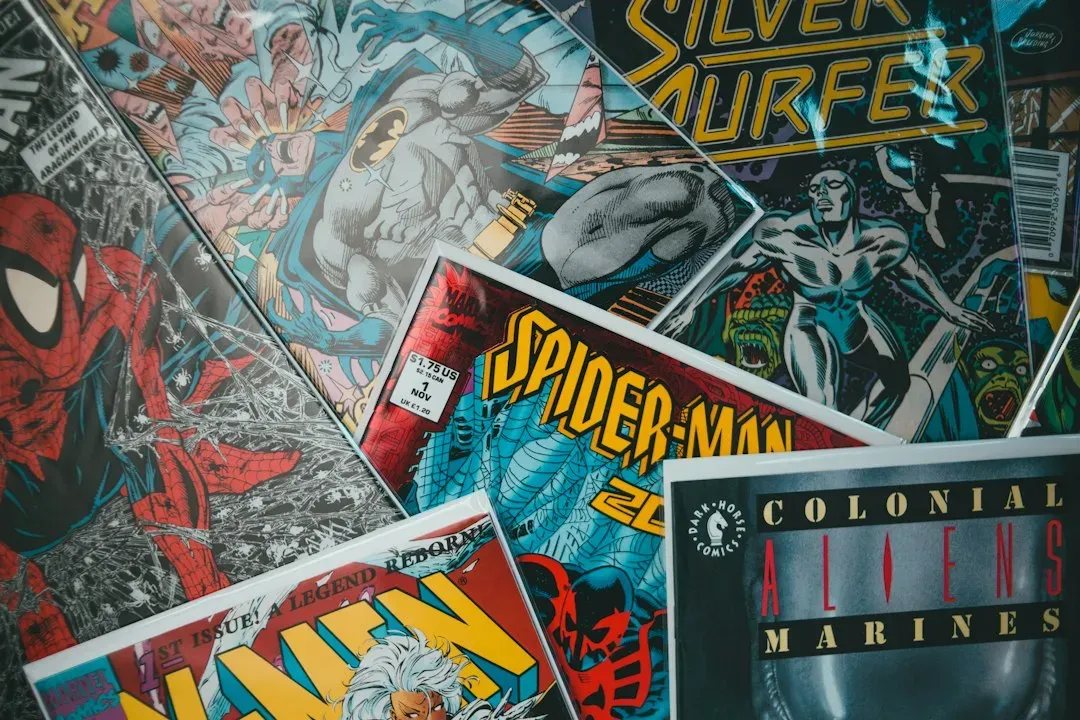
Marvel Studios ran into trouble with how it planned to reveal its new team name at the very end of the film. The reveal did not land the way the director wanted, and test audiences were quick to inform Marvel Studios they did not care for it, so the director went to a backup plan. That kind of reaction forces a studio to rethink not just the scene itself but everything the marketing team had planned to build around it.
The fix reshaped how the film’s climax, and by extension its promotional messaging, would be presented. Marvel changed how the end credits were presented, rolling them over skeptical headlines questioning the team, and the newly altered ending landed with test audiences the second time around. The episode shows how a poorly received beat late in a film can ripple all the way out to marketing decisions made months later.
Blink Twice’s title that never made it to a billboard
Zoë Kravitz’s directorial debut carried a working title long before test audiences ever weighed in, and the objections came from a different direction entirely. Kravitz was dedicated to keeping the original title, but it was made clear to her that society was not ready to embrace that word, and there were roadblocks including the MPAA refusing to put it on a poster, a billboard, or a kiosk, and theaters refusing to put it on a ticket. The rejection happened not in a screening room but through the practical machinery of theatrical distribution itself.
The lesson still lines up with everything test audiences have taught studios for decades: a title or tagline is only as good as its ability to actually appear where audiences will see it. If theaters will not print it on a ticket, the wording never gets the chance to work or fail on its own merits. Blink Twice ended up with a title that could travel through every channel a marketing campaign needed, which the original word never could.
Final thoughts
Every one of these examples shares the same underlying pattern. A studio commits to a piece of language or imagery, real audiences react in a way nobody predicted, and the marketing department scrambles to find something that will actually work before the release date arrives. Sometimes the fix takes months of reshoots, and sometimes it happens overnight after a single leaked title.
What these stories really confirm is that a poster or tagline is never really finished until it survives contact with an actual audience. Test screenings exist because studios have learned, sometimes at great expense, that their own instincts are not always reliable. The words that end up on the finished poster are usually the second or third attempt, quietly shaped by the very people the marketing was built to reach.