Long before smartphones tracked our every move or algorithms decided what we should watch next, a handful of writers were already sketching out the world we now live in. Some used chilling political fables, others wrapped their warnings in adventure or satire, but the results were often unsettlingly precise. Looking back at these books now, it’s hard not to feel a small chill at how much they got right, sometimes decades before the technology even existed.
1. Nineteen Eighty-Four by George Orwell
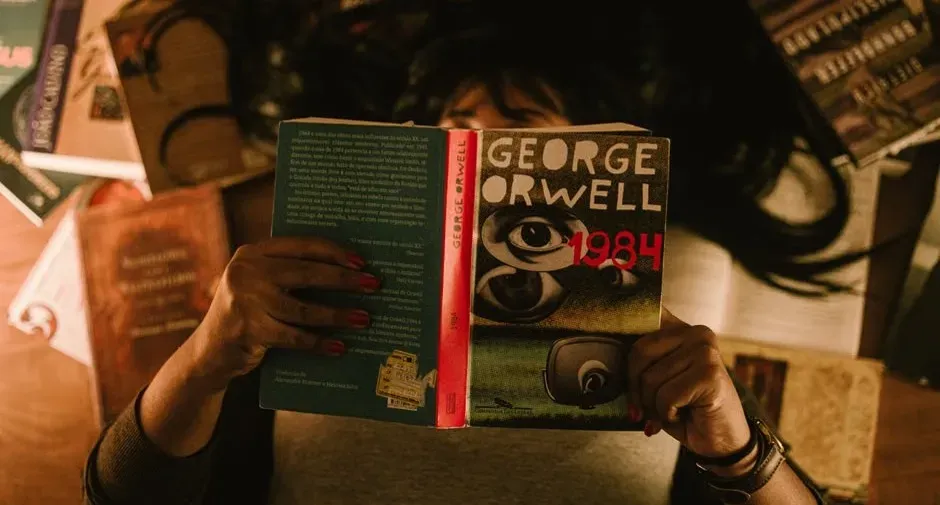
Published in 1949, Orwell’s novel imagined a surveillance state where citizens were monitored constantly through telescreens in their own homes. The concept of “Big Brother” watching everyone has become shorthand for mass surveillance, and it’s not hard to draw a line from his fictional telescreens to today’s smart TVs, home assistants, and networked cameras that quietly listen and record.
What makes the book feel especially relevant now is not just the surveillance itself but the manipulation of language and truth that accompanies it. Concepts like doublethink and the rewriting of history echo in modern discussions about disinformation, algorithmic content curation, and the way digital records can be edited or erased. Orwell wasn’t writing about computers specifically, but the psychological control he described maps uncomfortably well onto data-driven persuasion techniques used by platforms today.
2. Brave New World by Aldous Huxley
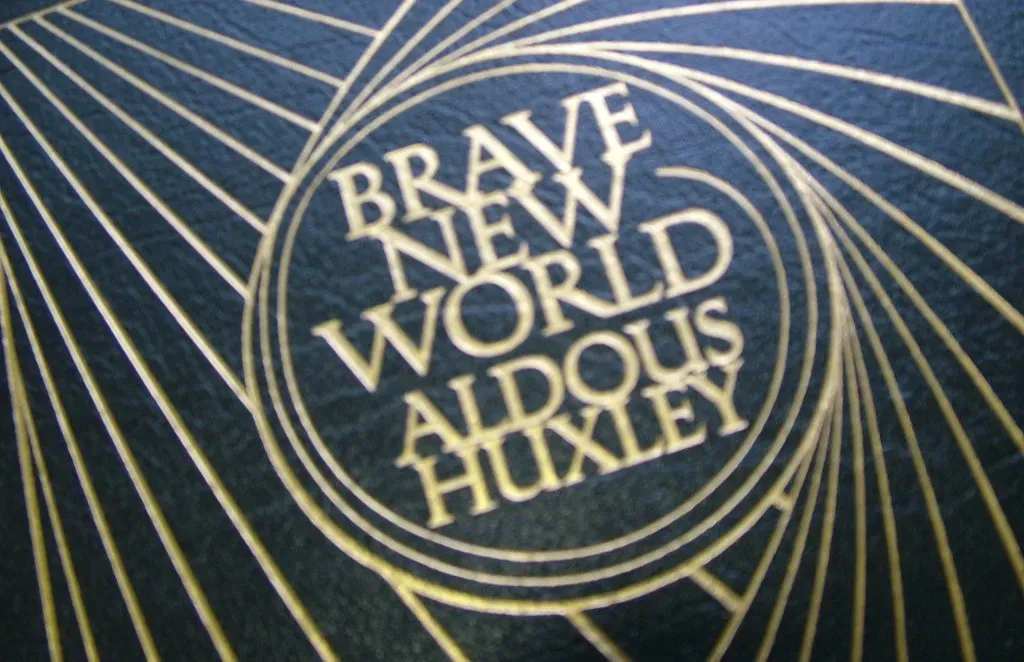
Huxley’s 1932 novel imagined a society pacified not through fear but through pleasure, comfort, and constant distraction. Citizens are kept docile with a drug called soma and endless entertainment, a detail that feels eerily close to modern concerns about screen addiction and the dopamine loops built into social media apps.
Unlike Orwell’s more overtly oppressive vision, Huxley’s warning was subtler and arguably more accurate for how technology actually developed. Genetic engineering, embryo selection, and biotechnology also play a central role in the novel, themes that feel increasingly relevant as gene editing tools like CRISPR move from theory into real medical practice. The book’s real prophecy may be less about gadgets and more about how comfort itself can become a form of control.
3. Neuromancer by William Gibson
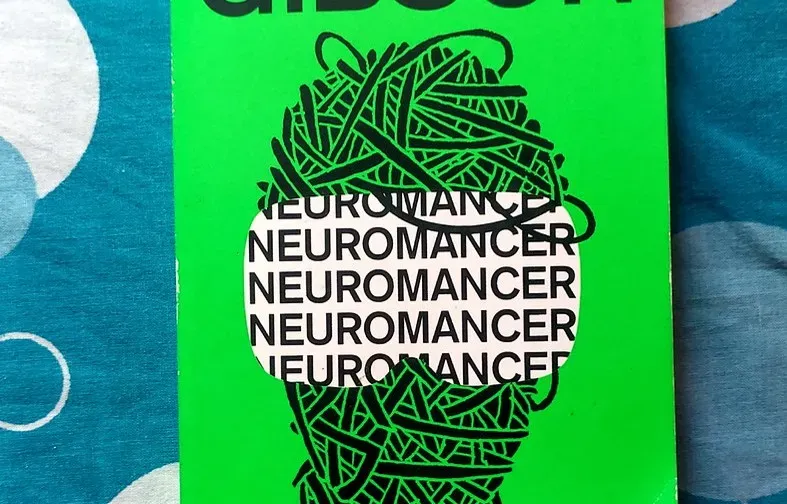
Released in 1984, Gibson’s novel is widely credited with coining the term “cyberspace” and shaping the entire aesthetic of what we now call cyberpunk. It described a globally networked digital world that people could jack into directly, years before the World Wide Web existed for public use.
The novel’s depiction of hackers, corporate power over data, and a blurred line between physical and virtual identity reads like an early blueprint for the internet age. Gibson has said in interviews that he was extrapolating from arcade culture and early computer networks rather than predicting specifics, yet the atmosphere of a hyper-connected, corporate-dominated digital space feels remarkably close to today’s platform economy. Virtual reality headsets and immersive digital environments being developed now edge closer to the sensory jacking-in Gibson imagined.
4. Fahrenheit 451 by Ray Bradbury
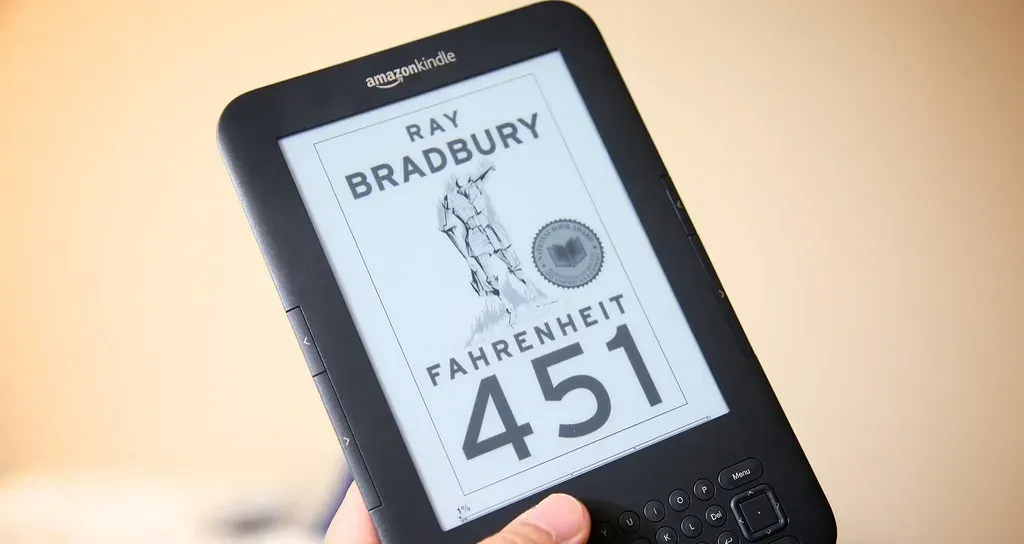
Bradbury’s 1953 classic is often remembered for its book-burning firemen, but the technology tucked into the background of the story is just as striking. Characters wear tiny earpieces called “seashells” that constantly stream music and news directly into their ears, a detail that sounds almost identical to today’s wireless earbuds.
The novel also describes wall-sized interactive televisions that dominate living rooms and demand constant attention, anticipating both flat-screen televisions and the immersive, screen-filled homes many people live in now. Bradbury’s deeper worry was about shrinking attention spans and the erosion of deep reading in favor of constant sensory stimulation. That concern has only grown louder as short-form video content and endless scrolling reshape how people consume information.
5. The Machine Stops by E.M. Forster
Written in 1909, this short story imagined a future where humanity lives underground, each person isolated in a small room, communicating with others almost entirely through a machine that provides instant messaging, video calls, and access to information. Forster described people attending lectures and giving talks through a device without ever leaving their rooms, a strikingly early vision of video conferencing.
The story’s characters grow so dependent on the Machine that direct human contact becomes rare and even uncomfortable, a theme that resonated strongly during the rise of remote work and video calls in the 2020s. Forster wasn’t imagining computers as we know them, since he was writing well before electronic computing existed, but his intuition about mediated communication replacing physical presence has proven remarkably durable. The story’s title itself hints at another modern anxiety: what happens when the systems people depend on completely fail.
Partner offer
6. Stand on Zanzibar by John Brunner

Published in 1968, Brunner’s novel is set in the then-distant year of 2010 and packed with details that feel startlingly close to reality. It described a US president named Obomi, a detail frequently cited as an eerie coincidence given the real-world election of Barack Obama decades later, though the resemblance in name and role rather than policy is what draws attention.
Beyond that famous coincidence, the book anticipated a world dealing with overpopulation, designer drugs, and pervasive media saturation shaping public opinion. Brunner also imagined widespread genetic engineering and eugenics debates entering mainstream politics, themes that feel newly relevant as gene therapies and reproductive technology raise fresh ethical questions. The novel’s fragmented, multimedia narrative style itself mirrored the chaotic, multi-channel information environment many readers now recognize from scrolling through news feeds.
7. The Shockwave Rider by John Brunner

In this 1975 novel, Brunner introduced the concept of a self-replicating program that spreads through computer networks, effectively describing what we now call a computer worm years before real malicious code of that kind existed. The book’s protagonist manipulates data networks and identities in a highly networked society built on constant information exchange.
Brunner’s vision of a data-driven world where personal information becomes currency and vulnerability foreshadowed real modern debates about data privacy, identity theft, and cybersecurity. The novel also explored a concept resembling universal basic income as a response to automation displacing workers, a policy idea that has moved from fringe speculation into serious economic discussion in recent years. Given how specifically it anticipated network-based attacks, the book is frequently cited by historians of computing as a genuine touchstone for early cybersecurity concepts.
8. Snow Crash by Neal Stephenson
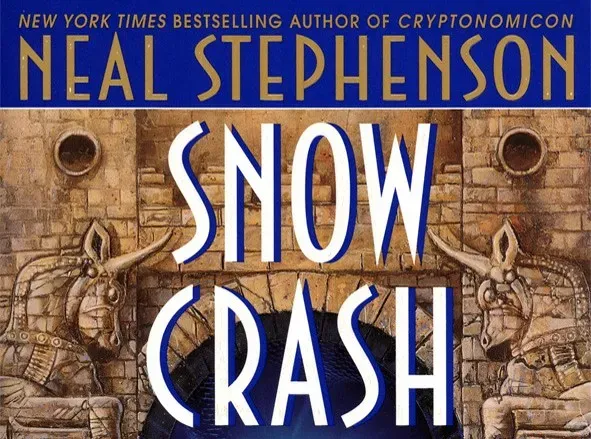
Stephenson’s 1992 novel introduced the term “avatar” for a digital representation of a person and imagined a fully immersive virtual world called the Metaverse, a term that tech companies would later adopt wholesale. The book depicted people entering this shared digital space through personal terminals to socialize, work, and shop, closely mirroring ambitions announced by major tech firms in the past several years around virtual and augmented reality platforms.
The novel also portrayed a world where corporations exercise power once reserved for governments, controlling territory and services in a fragmented, privatized society. That vision of corporate sovereignty feels increasingly relevant as large tech companies take on roles in infrastructure, currency, and even space exploration that were once the domain of nation states. Stephenson has noted publicly that he never expected the term Metaverse to become an actual corporate buzzword, which makes its adoption by real companies feel almost like the book talking back.
9. Player Piano by Kurt Vonnegut

Vonnegut’s 1952 debut novel imagined a society where automation has replaced most human labor, leaving a small managerial and engineering class in charge while the majority of people are left without meaningful work. The book explores the social and psychological toll of a world where machines can do nearly everything more efficiently than people.
That premise feels startlingly relevant as artificial intelligence and robotics increasingly automate tasks once thought to require human judgment, from manufacturing to white-collar analysis. Economists and policymakers continue to debate how societies should handle large-scale job displacement from automation, a conversation that Vonnegut was essentially having through fiction more than seventy years ago. The novel’s central tension, dignity versus efficiency, remains one of the most persistent questions in current debates about AI and the future of work.
10. Feed by M.T. Anderson
Published in 2002, this young adult novel imagined a near future where most people have a chip implanted directly into their brains that connects them to a constant feed of advertising, entertainment, and social updates. The feed shapes users’ thoughts, purchasing decisions, and even language, blurring the line between personal identity and corporate influence.
Anderson’s vision anticipated targeted advertising algorithms with unsettling accuracy, particularly the way modern platforms track behavior to predict and shape consumer desire before the consumer is even aware of it. The novel also explores environmental collapse running in the background of a society too distracted by its feeds to notice or respond, a theme that feels pointed given ongoing debates about attention economies and climate inaction. It remains one of the sharper literary warnings about what happens when convenience and constant connection come at the cost of independent thought.
Taken together, these ten books span more than a century of speculation, yet their combined hit rate on surveillance, networked communication, automation, and algorithmic persuasion is hard to dismiss as coincidence. Writers were not simply guessing at gadgets; they were paying close attention to human behavior and institutional incentives, which turned out to be the more reliable predictor all along.Partner offer
Planning a trip to Vegas?
Compare hotel rates and show tickets on VEGAS.com.