
Every so often, a film comes along that studio executives look at and quietly assume will never actually get finished. The script feels too big, the technology doesn’t exist yet, or the source material seems designed to defeat anyone who tries to adapt it. What follows are nine cases where the doubts were loud and public, yet the films got made anyway, sometimes becoming era-defining hits in the process.
Titanic (1997)
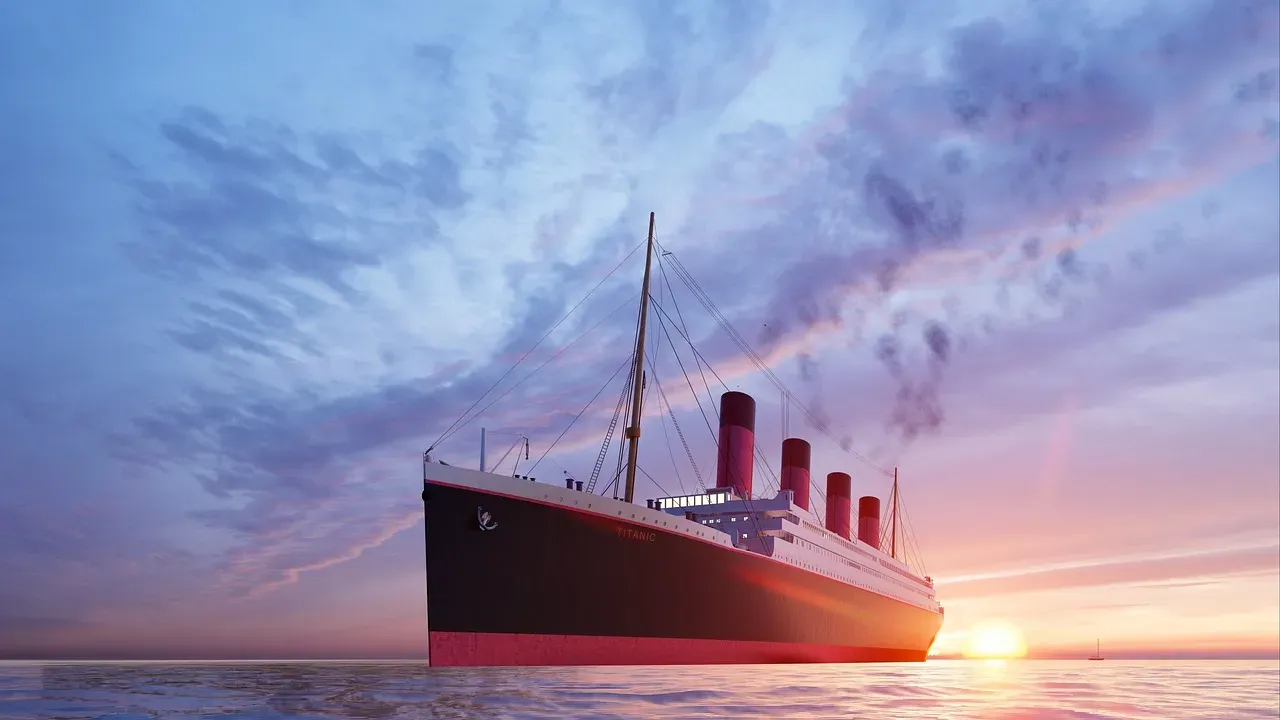
James Cameron pitched Titanic to 20th Century Fox in 1995, and the studio’s alarm grew as the shooting schedule and price tag kept expanding. The film was originally budgeted at approximately $100 million to $110 million, with a shooting schedule of 138 days, but by the time cameras stopped rolling, the budget had doubled and the production had consumed 160 days. Fox got so nervous about carrying the risk alone that it brought in another studio entirely to share the burden.
Fox had developed the project with Cameron but grew alarmed as costs escalated, so in May 1996 it brought in Paramount Pictures to share the risk, with Paramount receiving domestic distribution rights in exchange for a contribution while Fox retained international rights and remained on the hook for overruns. Cameron later admitted the mood on set was grim, going as far as to waive his director’s fee once the numbers stopped making sense. Cameron met with Bill Mechanic, chairman and CEO of Fox Filmed Entertainment, and Cameron later recalled that Mechanic was freaking out because the studio had run the numbers and figured out they could not make any money off the film even if it was a hit. The film went on to earn over two billion dollars worldwide, a result nobody inside either studio saw coming.
The Lord of the Rings trilogy

Peter Jackson and his writing partner Fran Walsh spent years chasing the rights to Tolkien’s books, and when they finally landed a deal, the studio backing them tried to shrink the project. Miramax, citing budget concerns, decided to condense the project into one film, but Jackson refused, and on August 24, 1998, after being rejected by other studios, the project was sold off altogether to New Line Cinema. That rejection from multiple studios before New Line stepped in shows how few executives believed in the plan at all.
New Line’s chairman then did something no studio had attempted before: greenlighting three feature films to shoot together, back to back, with no chance to pull out partway through. The entire project took eight years, with the filming for all three films done simultaneously and entirely in Jackson’s native New Zealand, at a budget of $270 million. Jackson himself was an unusual choice to lead something this large. He was best known for small budget flicks like Heavenly Creatures, Braindead, and Meet the Feebles, and his only prior studio-backed project, The Frighteners, had been a commercial failure. The gamble paid off with seventeen Academy Awards and a trilogy still regarded as one of the boldest bets in film history.
Avatar

James Cameron came up with the concept for Avatar years before he had any real way to build it. James Cameron wrote the script for Avatar in 1994, and it took ten years for technology to advance to the point where he could convincingly and reasonably depict another planet with CGI. Rather than force the film into production with tools that weren’t ready, he simply waited, which is not something studios are typically inclined to do.
When existing tools still fell short of his vision, Cameron went further than most directors would. He waited over a decade for technology to catch up with his vision, then built the tech himself, obsessed with creating an alien world so completely that he literally invented new cameras and filming techniques to make it happen. The finished film became the highest-grossing movie ever made at the time, proving that the delay had been the right call rather than a costly indulgence.
Apocalypse Now
Francis Ford Coppola’s Vietnam War epic is remembered almost as much for its production as for the finished film itself. Apocalypse Now took about five years to complete due to a chaotic production, with the film’s ambitious scope combined with Coppola’s perfectionism stretching the budget and timeline. Financing partners watched costs spiral with no end in sight, the kind of situation that usually gets a film shut down.
The problems on location in the Philippines were not just financial. Storms destroyed sets, Martin Sheen suffered a heart attack, and Marlon Brando arrived unprepared, causing delays. Coppola reportedly feared the film would ruin him personally and professionally. Instead, Apocalypse Now emerged as one of the defining war films of its generation, proof that a production can look like a disaster from the inside and still land as a classic.
Jaws
Long before it became the film credited with inventing the summer blockbuster, Jaws was a young director’s nightmare. Steven Spielberg took the project to Martha’s Vineyard expecting a tight shoot, but the mechanical shark built for the film, nicknamed Bruce, repeatedly failed to work in saltwater. Filming stretched on for months longer than planned, and the budget climbed well past its original estimate.
Executives at Universal grew increasingly nervous as the schedule dragged, and Spielberg himself has spoken over the years about how convinced he was that the film would end his career before it really started. He adapted by relying on suggestion rather than showing the shark outright, a workaround born entirely out of necessity. The finished film became a cultural phenomenon and reshaped how studios thought about releasing movies wide in the summer months.
Life of Pi
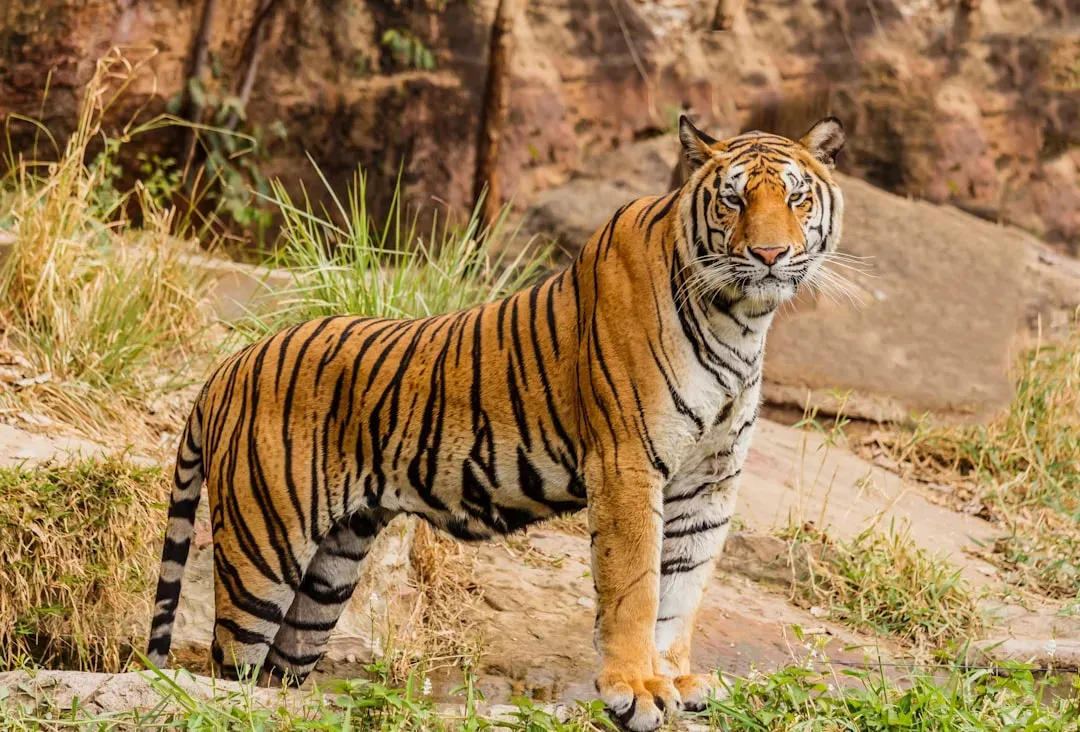
Yann Martel’s novel spent years being treated as a lost cause for adaptation. Adapted from the Yann Martel novel about a young Indian teenager stuck adrift on a raft with a tiger, hyena, orangutan, and zebra, it was considered for years to be utterly unfilmable. The obvious problem was practical: nobody wanted their lead actor sharing a small boat with a real Bengal tiger for months of shooting. Several directors, including M. Night Shyamalan, got on board and then jumped ship before Ang Lee agreed to helm the project.
Lee solved the animal problem with technology rather than a real predator, choosing to render the tiger digitally while shooting the whole film in 3D. Lee decided to shoot digitally and shoot 3D, and the result was a colorful, amazing visual experience that looked nothing like anything that came before it. To pull off the water sequences, the filmmakers spent months in Taiwan, where they built the world’s largest self-generating wave tank, reportedly working with only about $100 million. The film went on to win the most Oscars of any picture that year, including Best Director for Lee.
Mad Max: Fury Road
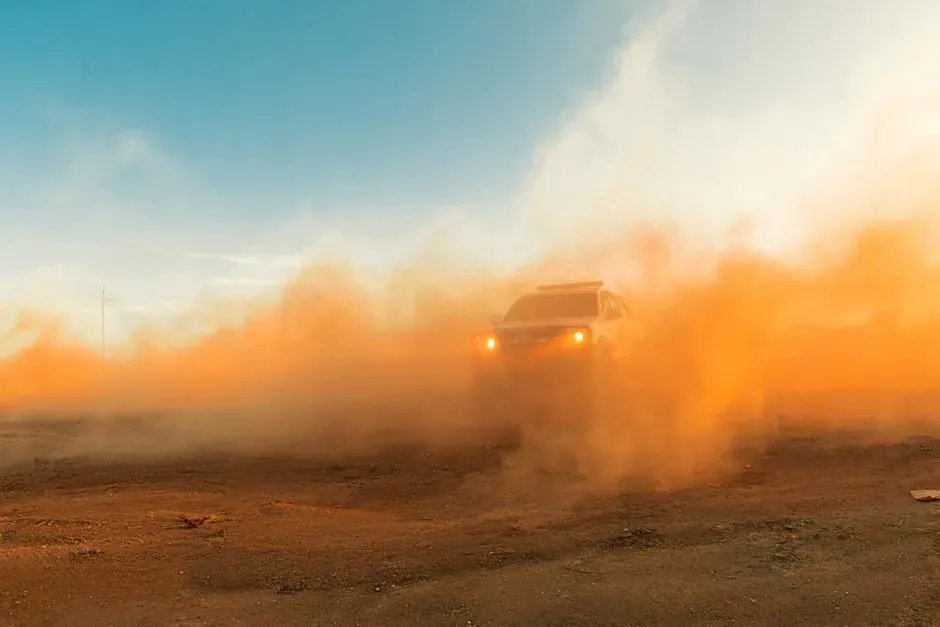
George Miller’s post-apocalyptic chase film had one of the longest gestation periods of any modern blockbuster. George Miller conceived Mad Max: Fury Road in 1987, but production didn’t start until 2001. Even then, the project stalled again for years before finally moving forward. After an extended hiatus while Miller was busy making Happy Feet, casting began again in 2010 and the movie began shooting in 2012, hitting theaters sixteen years after its inception in 2015.
Insurance concerns, currency fluctuations, and the sheer logistics of shooting an extended vehicle chase across the Namibian desert all threatened to sink the film at various points. Studios that might have backed away entirely instead kept the production alive across multiple false starts. The eventual result took home six Academy Awards and is now regarded as one of the finest action films ever made, a payoff that took nearly three decades to arrive.
Dune
Frank Herbert’s dense, sprawling novel had a reputation in Hollywood as a career-ending trap long before Denis Villeneuve took it on. Over the decades, other completed and released adaptations were poorly received and basically written off by fans, and the project came to be widely considered unfilmable around Hollywood before being forgotten about. Alejandro Jodorowsky’s earlier attempt at an adaptation famously never made it to a camera at all, and David Lynch’s 1984 version left both critics and the director himself unsatisfied.
Villeneuve approached the material differently, splitting the story across two feature films rather than compressing it into one and betting that audiences would return for a second installment before the ending was even shot. That structural gamble was itself a departure from how studios usually greenlight adaptations, since it depended on the first film succeeding well enough to justify the second. The two-part version, released in 2021 and 2024, was received as the adaptation the novel had been waiting decades for, finally shaking off the unfilmable label that had followed the property since the 1970s.
The Revenant
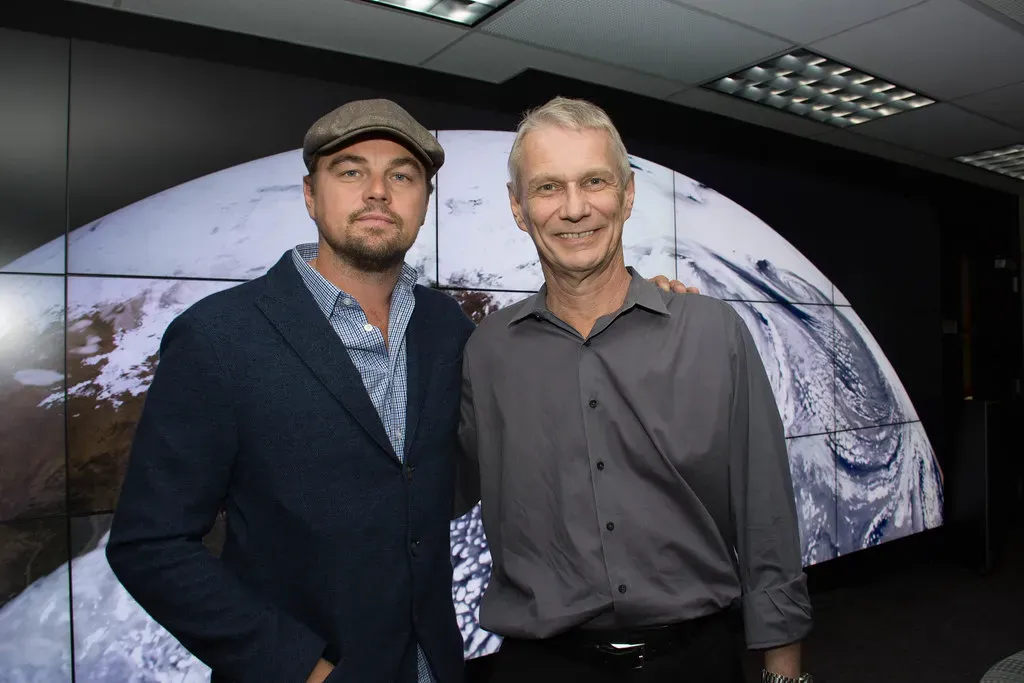
Alejandro González Iñárritu’s frontier survival story became known industry-wide for the difficulty of its shoot before it ever reached theaters. The Revenant appears alongside films like Mad Max: Fury Road and The Shining on lists of the most grueling film productions ever mounted. Iñárritu insisted on shooting almost entirely with natural light and in freezing outdoor locations, a decision that limited filming to just a few usable hours each day and forced the crew to chase daylight across multiple countries as weather and seasons shifted.
The approach pushed the schedule and budget well past initial projections, and reports from the set described conditions so harsh that crew members left the production altogether. Leonardo DiCaprio’s commitment to the physical demands of the role, including scenes shot in near-freezing rivers, became part of the film’s public narrative before release. The finished film earned DiCaprio his first Academy Award and confirmed that Iñárritu’s uncompromising method, risky as it looked from the outside, had produced exactly the film he intended.
Each of these productions shared the same basic pattern: a studio or industry consensus that the odds were too long, followed by a filmmaker who refused to accept that verdict. What separates these nine from the many projects that really did collapse under similar pressure is not luck alone. It came down to directors who had a clear enough vision to make the wait, the cost, or the technical leap feel worth defending, even when the people financing the film were not so sure.