Most people picture a film set as a tightly managed operation, with road closures, location fees and paperwork signed well in advance. Some of cinema’s most memorable moments happened differently. Cameras rolled in public spaces where nobody had officially said yes.
The practice is usually called guerrilla filmmaking. It means shooting quickly in real locations without filming permits or any other warning. The nine films below range from a Best Picture winner to tiny independent projects, and each has a documented story of shooting without full permission.
The French Connection (1971)
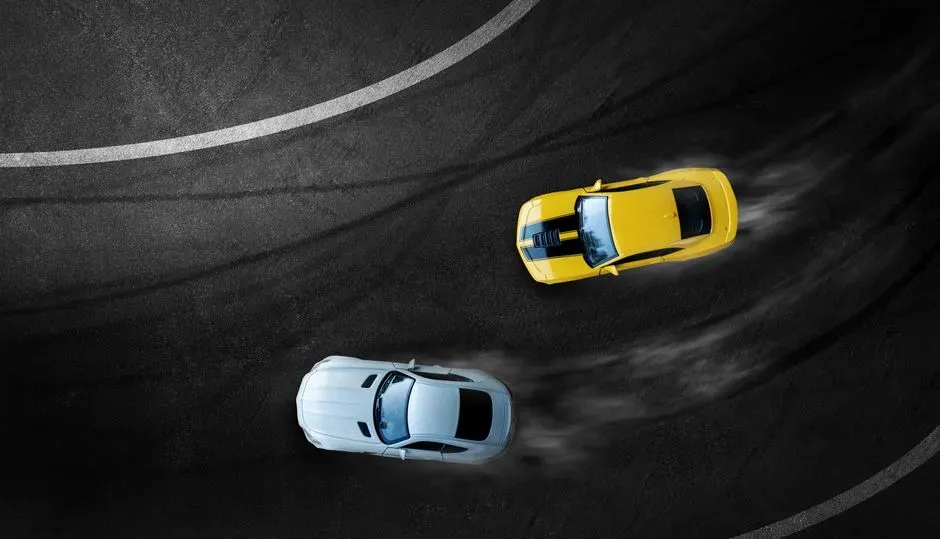
The Brooklyn car chase beneath the elevated train is the usual starting point for this conversation. Friedkin said he had no permits to do the chase scene. The one thing he did arrange was access to the elevated tracks, which he said cost $40,000 paid to a man from the transit department.
The danger was real. Friedkin described driving 90 miles an hour for 26 blocks while ignoring traffic lights. One stunt went wrong when Hackman’s car collided with a student driver, and Friedkin kept the crash in the film because he liked how it looked. He later admitted the approach was foolish.
Lost in Translation (2003)
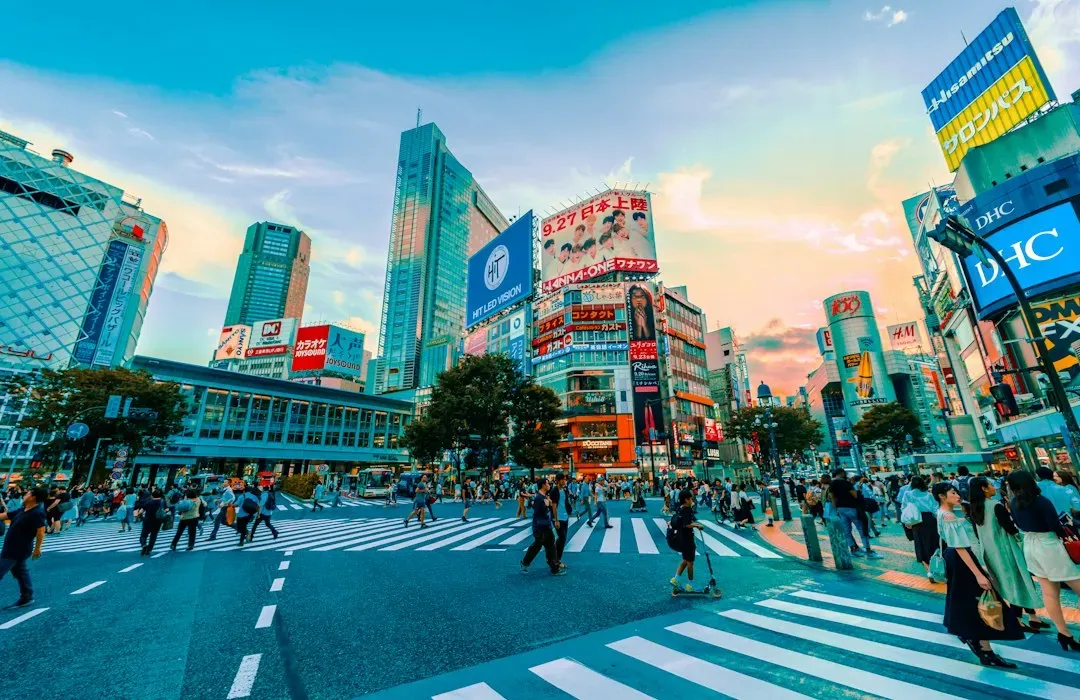
Sofia Coppola shot her Tokyo story on a tight schedule. Principal photography began on September 29, 2002, and lasted 27 days. She has said that most of the film had permission, but a few shots were simply grabbed.
Those shots included Scarlett Johansson on the subway and Shibuya Crossing seen from a Starbucks. The cinematographer reportedly called the Shibuya scene the most stressful of the shoot, since the crew had no permit and risked arrest or a fine. Coppola’s comments on this appeared in a recent interview, so the story is still being told.
Escape from Tomorrow (2013)
Few productions have taken on a bigger target than this one. It was shot entirely at Disneyland and Disney World without permission, using DSLR cameras and a skeleton crew to avoid detection by park staff.
The film was a surreal horror story, which made the secrecy more notable. It follows a father who has a breakdown on a family vacation, and the cheerful surroundings turn into a hallucinatory nightmare. It premiered at Sundance in 2013.
Black Swan (2010)
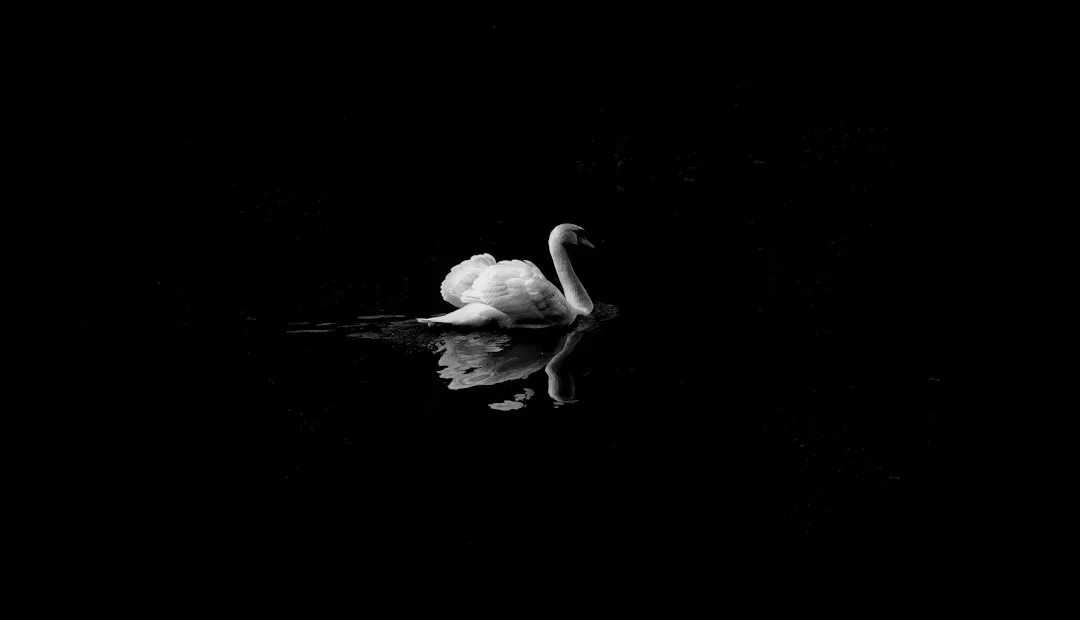
Black Swan is a studio backed film, so it shows that big productions sometimes cut corners too. Only a small part of it was shot this way. The subway scenes were filmed without permits, while the rest of the movie was done properly.
The gear explains how it worked. Those subway scenes were shot on a Canon 7D. A small, ordinary looking camera draws far less attention than a full cinema rig.
Partner offer
El Mariachi (1992)
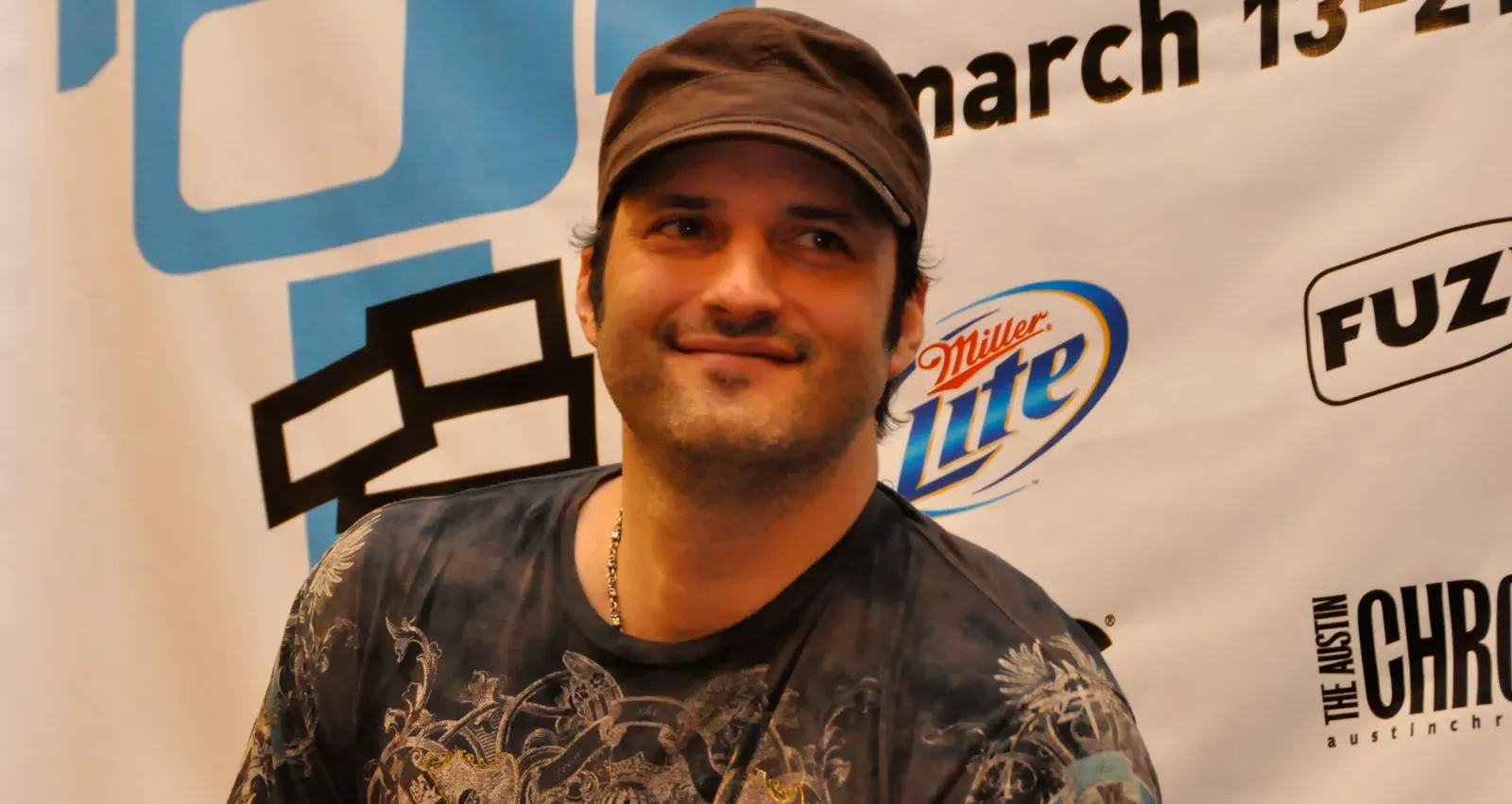
Robert Rodriguez built his debut around what he could get for free. He used a wheelchair for dolly shots and shot on location without permits. He also skipped sound equipment and dubbed all the dialogue afterward.
Budget figures vary by source. One account says it cost around $7,000, partly funded by volunteering in medical research studies, while another puts it nearer to twelve thousand dollars. It won the Audience Award at Sundance in 1992 and was then distributed by Columbia Pictures in the United States.
Pi (1998)
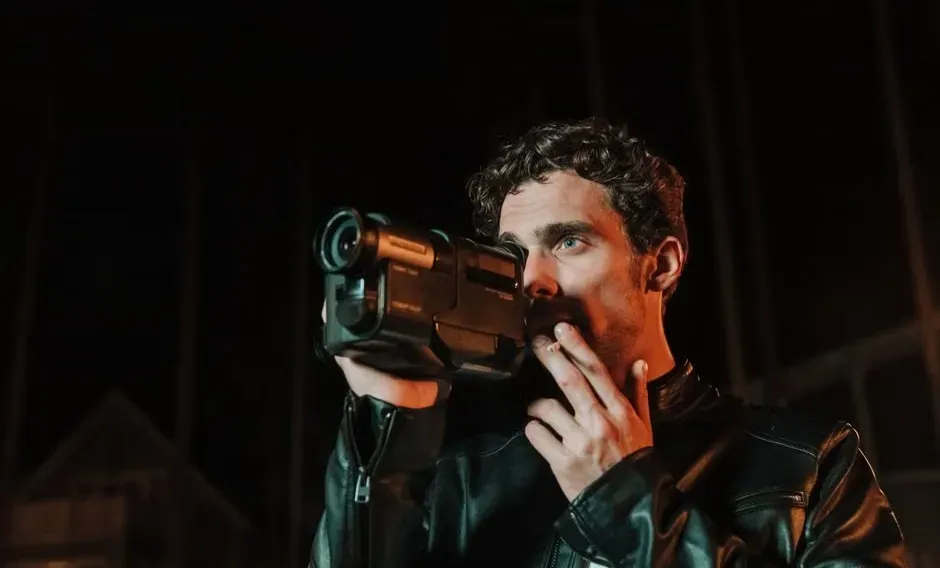
Darren Aronofsky’s black and white thriller was made with very little money. It had a budget of $68,000. One overview notes that the cast and crew took low pay and shot at minimal locations without permits.
The gamble paid off. The film grossed about three million dollars in the United States. After festival success, Paramount picked it up.
28 Days Later (2002)
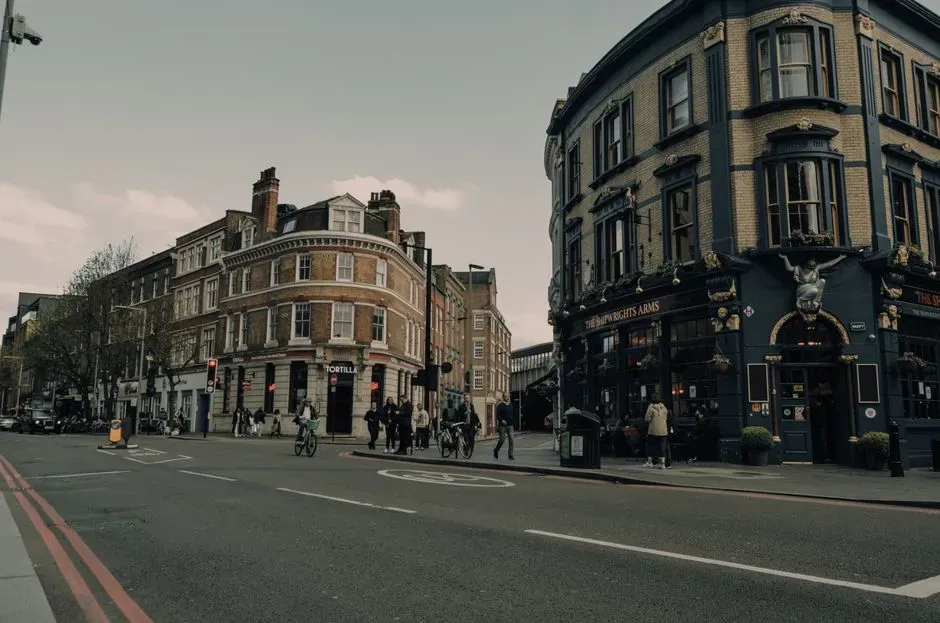
The eerie sequence where Jim wanders through an empty London is a famous example of simple planning. It was reportedly achieved without permits by shooting very early on a Sunday morning. There were no digital tricks involved, only a quiet city and a short window.
The same source describes how the filmmakers had to set up the bus on its side as quickly as possible. The details of the production are only partly documented in the sources I found. Even so, it’s a good example of how timing can replace a permit.
Taxi (2015)
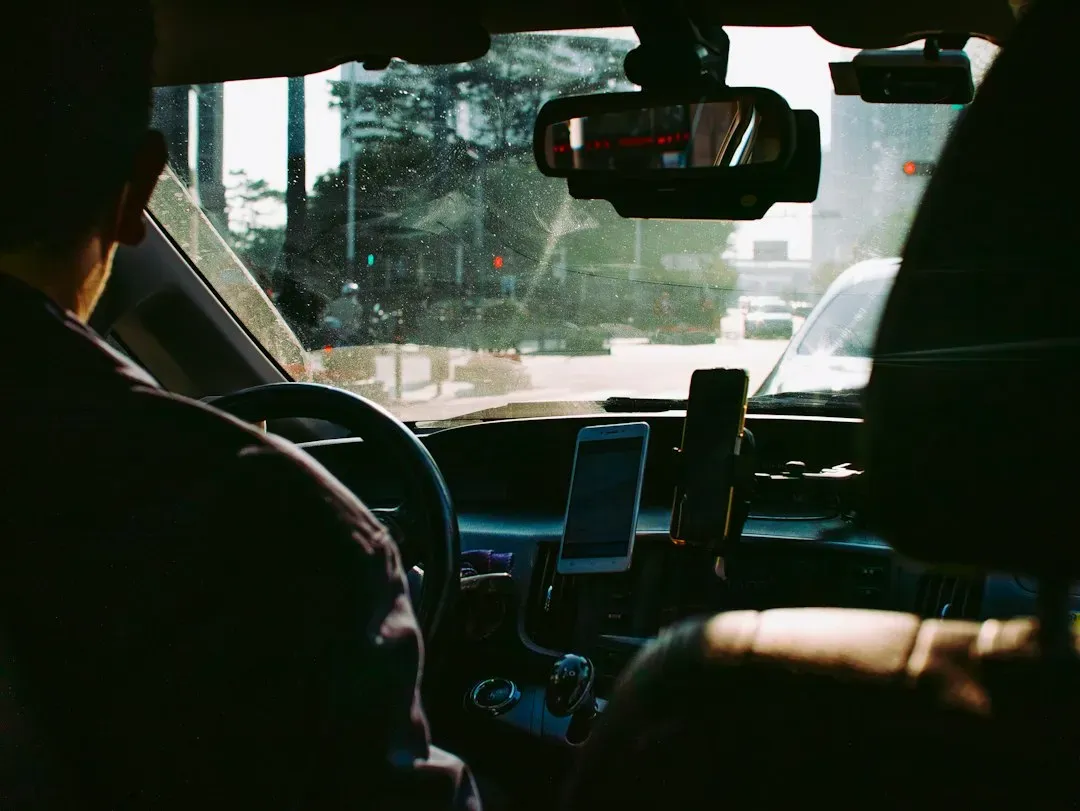
Jafar Panahi’s film shows a different kind of risk. It takes place almost entirely inside a taxi driven by Panahi, who follows life in modern Iran while pretending to be a cab driver. Shooting inside a vehicle keeps a crew small and hard to spot.
Here the missing permission was part of a wider tension with the authorities. The setup only needed a car, a few cameras and passengers. That made it one of the more portable ways to make a feature in a restrictive environment.
It Was Just an Accident (2025)
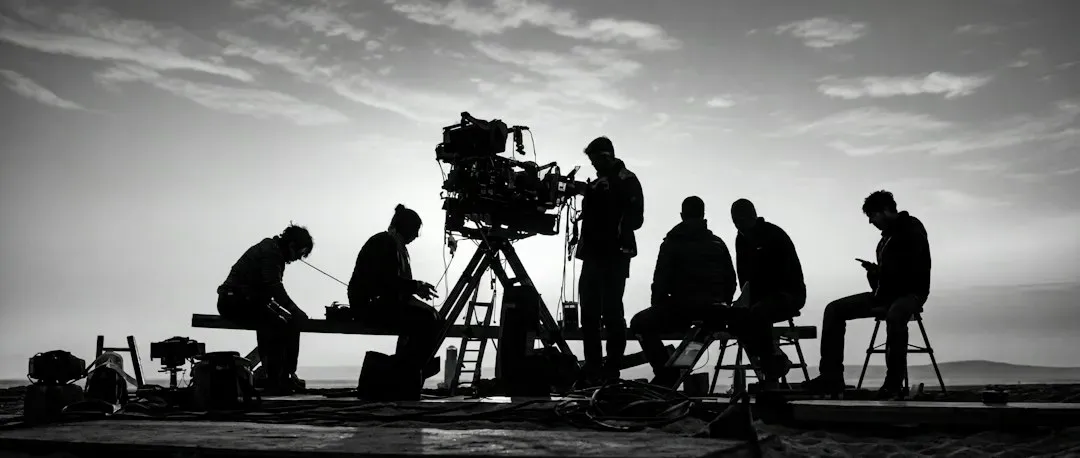
The most recent entry here comes from Iran as well. It was largely filmed without permission, mostly in a vehicle interior and in remote streets and buildings chosen for minimal visibility.
The choice of approach carried a message. The film featured actresses not wearing the hijab, tying into its protest against the compulsory hijab law. Shooting was part of the film’s argument as well as a way of getting it made.
Partner offer
Planning a trip to Vegas?
Compare hotel rates and show tickets on VEGAS.com.