Open a streaming app and search for a recent film, and you’ll usually find a soundtrack album waiting there. What looks like a simple playlist is often the result of months of negotiation, sequencing, and compromise. Orchestral cues and pop songs rarely begin life as neighbors.
Behind each release sit rights holders, music supervisors, composers, and label executives who all want different things from the same forty to eighty minutes. The process follows a fairly consistent logic, even when the finished albums sound nothing alike.
Score and Songs Start as Separate Worlds
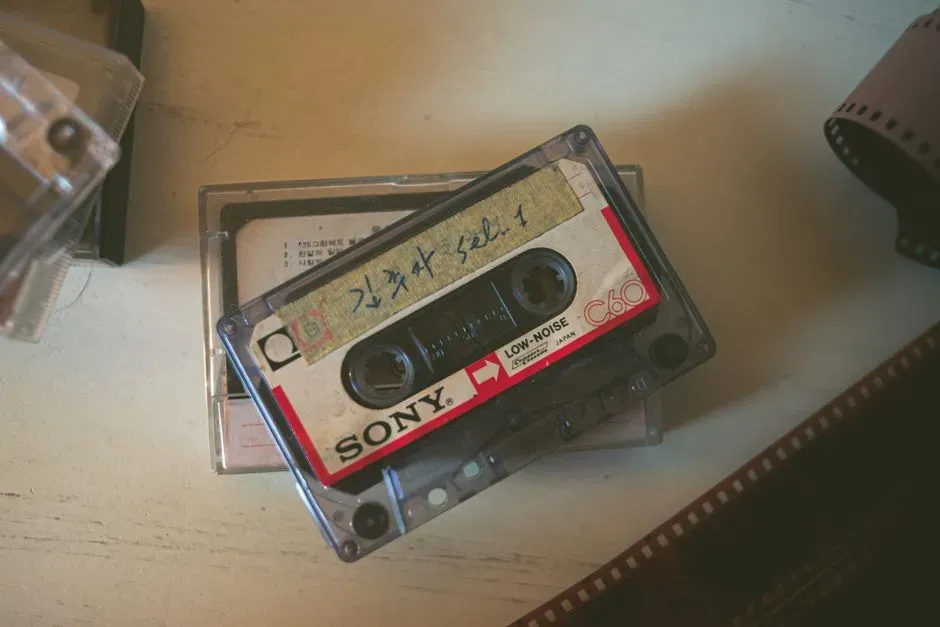
A film’s score is written by a composer, usually hired by the studio or director to create original music that supports the story. Licensed songs are existing recordings, selected by a music supervisor and cleared for use in specific scenes. The two categories come from different creative and legal origins.
That difference shapes everything that follows. Score is typically commissioned work, so the studio often controls the rights. Songs belong to artists, labels, and publishers who must each agree to the terms.
The Music Supervisor Holds the Song Side Together
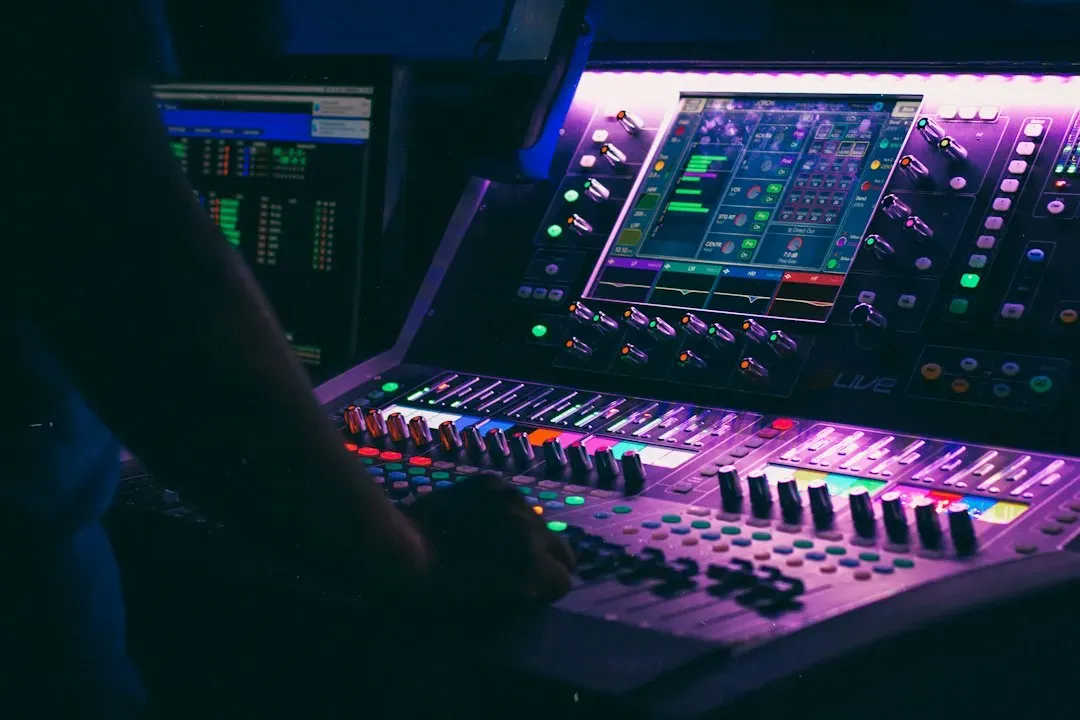
Music supervisors find, pitch, and clear the licensed tracks, and they often keep the album in mind while doing it. A song that works in a scene but can’t be cleared for album release is a common headache. Supervisors therefore ask early whether a track is available for soundtrack use as well as for the picture.
Their work overlaps with budgets and schedules. Some songs are cleared only for in-film use, which means they can appear on screen but never on the record. That limitation explains why some beloved needle drops are missing from official albums.
Two Kinds of Licenses Govern Every Track

Using a song in a film requires a synchronization license from the publisher, covering the composition, and a master use license from the owner of the recording. Putting that same song on an album is a separate permission, often handled through a soundtrack license. Each approval can carry its own fee, term, and territory.
Score is simpler in some respects, since the composer’s agreement usually settles ownership or administration. Even so, the composer’s contract often spells out how album revenue and credits are handled. Clearing everything before release avoids disputes after the album goes live.
Labels Decide Whether an Album Gets Made

A soundtrack album is a commercial product, and a record label typically has to agree to release it. Studios often work with an affiliated label, such as the ones owned by the same parent companies, but independent labels also release scores. Some films get a full album, others only a digital score release, and a few get nothing at all.
Sales potential matters, though so does prestige. A strong score from a well-known composer can justify an album on its own. Pop-heavy films may be released with a song-led album to capture streaming attention.
Partner offer
Sequencing Is Closer to Storytelling Than to Chronology
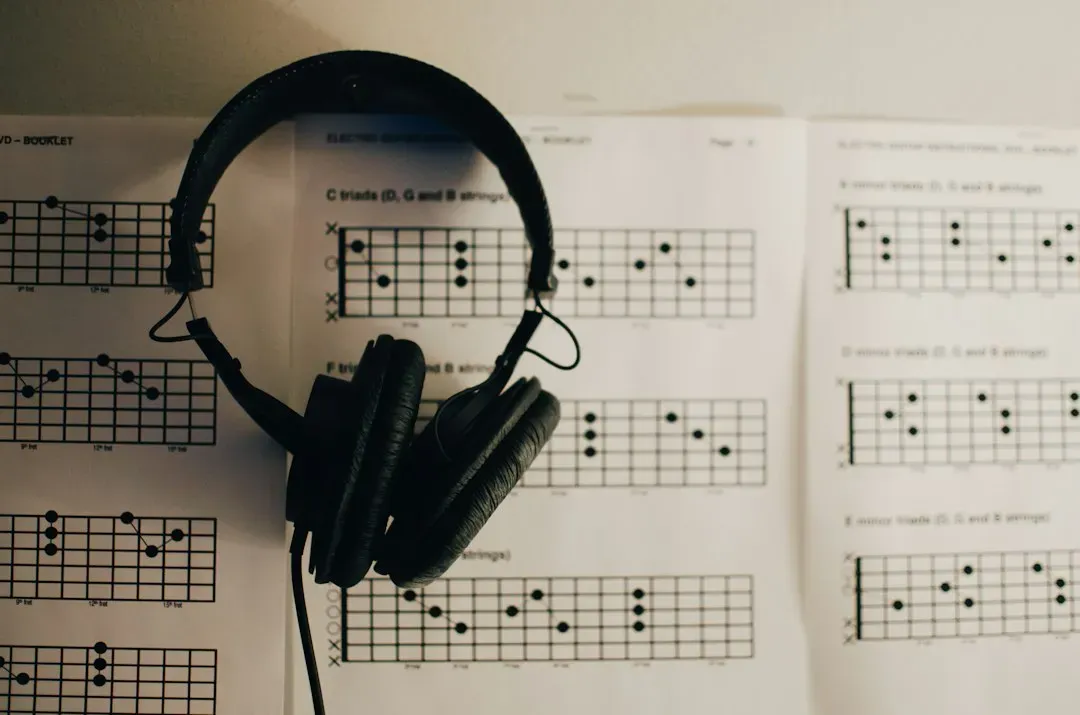
Film order rarely makes a good listening order. Cues in a movie are short, sometimes only thirty seconds, and they depend on dialogue and sound effects. Producers therefore pick the strongest material and arrange it so the album has its own arc.
Songs are often placed to break up long stretches of orchestral material or to open the record with a recognizable hit. Some albums follow the movie loosely, while others reorder tracks to build momentum. The goal is for the album to feel complete without the picture.
Score Cues Are Edited and Remixed for Listening
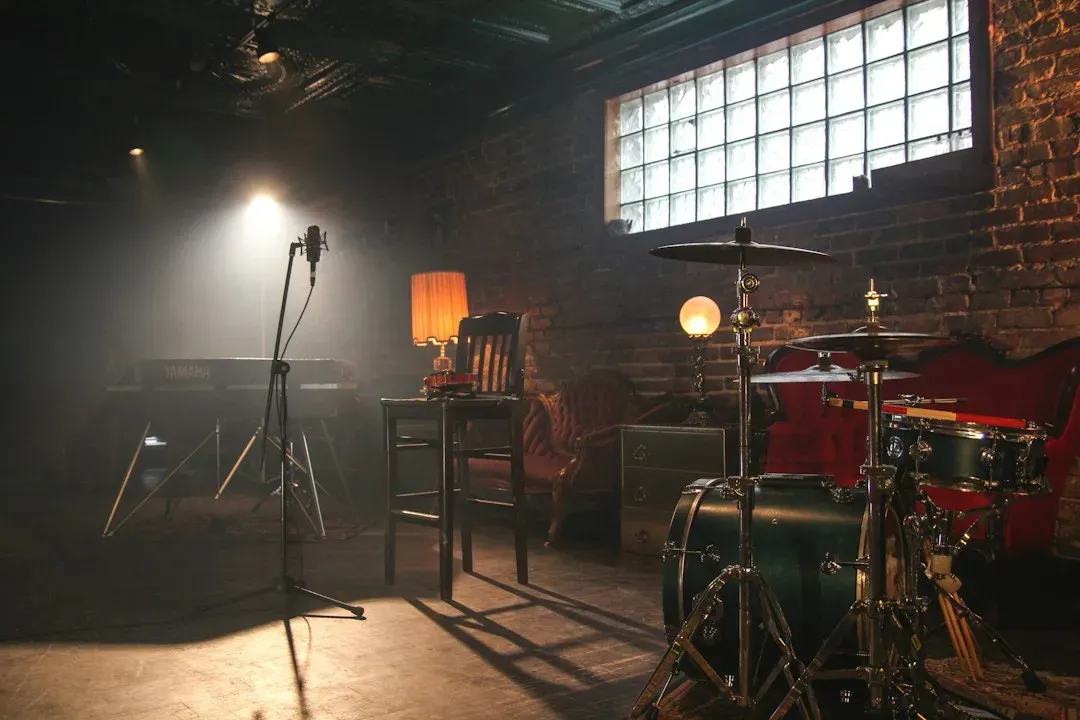
Raw cues from a recording session don’t always work on their own. Composers or their teams often create album versions by combining short cues, trimming sections tied to specific on-screen moments, or adding endings. These suites let the music breathe without the film’s timing.
The mix can differ too. A film mix is balanced against dialogue and effects, whereas an album mix is tuned for headphones and speakers. Mastering engineers then match levels so a quiet piano cue doesn’t clash with a loud licensed track.
Balancing Loudness Across Different Sources
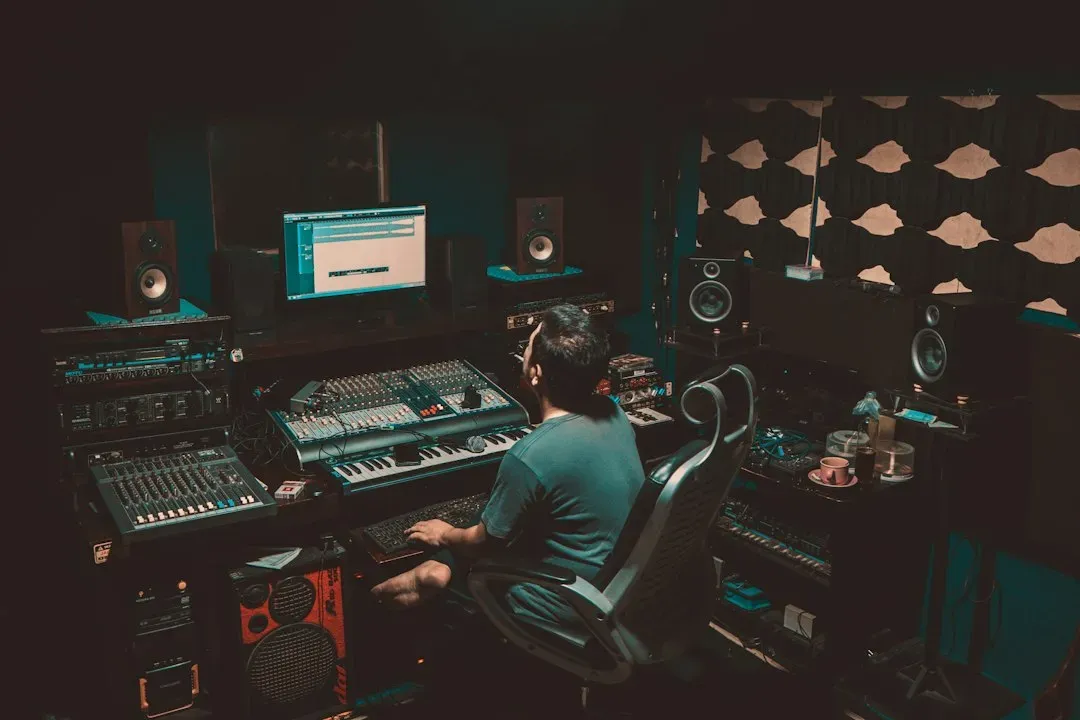
Licensed songs arrive already mastered, usually to be loud and punchy for radio or streaming. Orchestral score has a wider dynamic range, with quiet passages and large peaks. Putting them side by side means a mastering engineer has to make careful choices.
Streaming platforms also normalize loudness, which shapes how the finished album sounds in practice. Engineers aim for consistency across the track list without flattening the score. It’s a quiet bit of craft that listeners notice only when it goes wrong.
Artwork, Credits, and Metadata Finish the Package

Every track needs accurate titles, composer and performer credits, and publishing details. Mistakes in metadata can cause missed royalty payments and confusing listings on streaming services. Teams generally check these details before delivery to distributors.
Artwork usually draws on the film’s key art, and many albums add liner notes or credits for the orchestra and conductor. Physical editions, including vinyl and CD, have their own pressing schedules. Digital releases often arrive on or near the film’s premiere date, with physical formats following later.
Release Timing Follows the Film’s Marketing Calendar

Albums are often timed to coincide with a film’s theatrical opening or streaming debut. A lead single may come out weeks ahead to build awareness, with the full album following. Score albums sometimes appear a few days before or after the premiere.
Awards season can shift plans. Composers and songwriters in contention for honors may see expanded releases or deluxe editions. In that case the album becomes part of the campaign as well as a product.
Partner offer
Planning a trip to Vegas?
Compare hotel rates and show tickets on VEGAS.com.