
There’s something oddly hypnotic about a movie that refuses to leave the room. No sweeping landscapes, no city skylines, just four walls and whatever tension the characters can generate inside them. It’s a tough trick to pull off, but when it works, it turns a single space into a pressure cooker that says more about human nature than a dozen locations ever could. These nine films prove that confinement doesn’t mean boredom. Some are courtroom dramas, some are horror flicks, and a couple are just two people talking until the truth comes out. Each one turns its limitations into its biggest strength.
1. 12 Angry Men (1957)

Sidney Lumet’s courtroom drama spends nearly its entire runtime inside a cramped New York jury room, where twelve strangers argue over the fate of a young man accused of murder. The heat, the sweat, and the shifting alliances become almost physical presences in the film, thanks to tight camera work and a cast led by Henry Fonda that never lets the tension dip.
What makes it endure isn’t the mystery of the verdict but the slow unraveling of each juror’s biases and personal history. It’s a masterclass in how dialogue and blocking alone can carry a film, and it remains a staple in film school curricula for exactly that reason.
2. Rope (1948)
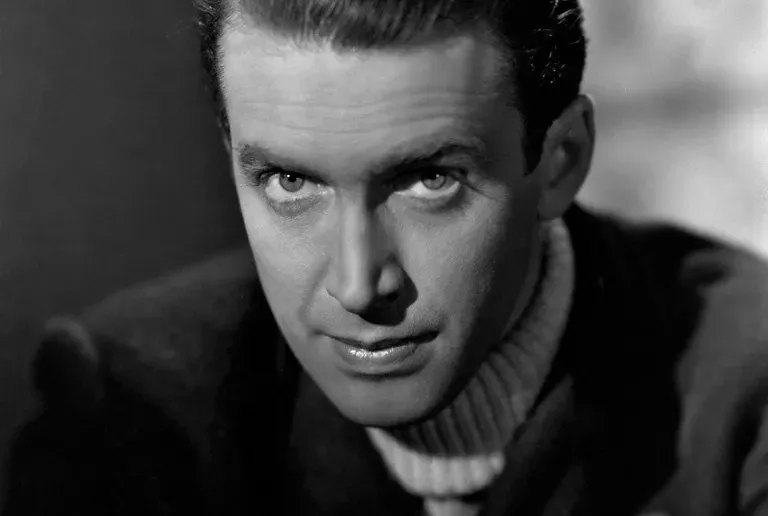
Alfred Hitchcock’s experiment in continuous filming takes place entirely within a single Manhattan apartment, following two young men who host a dinner party shortly after committing murder, with the body hidden in a chest in the very room where guests are eating. Hitchcock famously shot the film in long takes designed to look like one continuous shot, a technical challenge given the film stock limitations of the era.
The result feels claustrophobic in the best way, since the camera glides around furniture and guests as if it too is trapped in the apartment. James Stewart anchors the film as the increasingly suspicious former teacher of the killers, and the single setting only heightens the sense that there’s nowhere for the truth to hide.
3. Buried (2010)

Ryan Reynolds spends the entirety of this thriller inside a wooden coffin buried underground, after his character, a truck driver working in Iraq, wakes up trapped with only a lighter, a cell phone, and a dwindling supply of air. Director Rodrigo Cortés shot the film using a real box built to specific dimensions, which meant Reynolds was genuinely confined for much of the production.
The premise sounds like it shouldn’t sustain a full feature, yet the film uses phone calls, flashbacks, and clever lighting to keep the tension escalating. It’s a rare example of a one location film where the location itself is the source of nearly all the horror.
4. Phone Booth (2003)
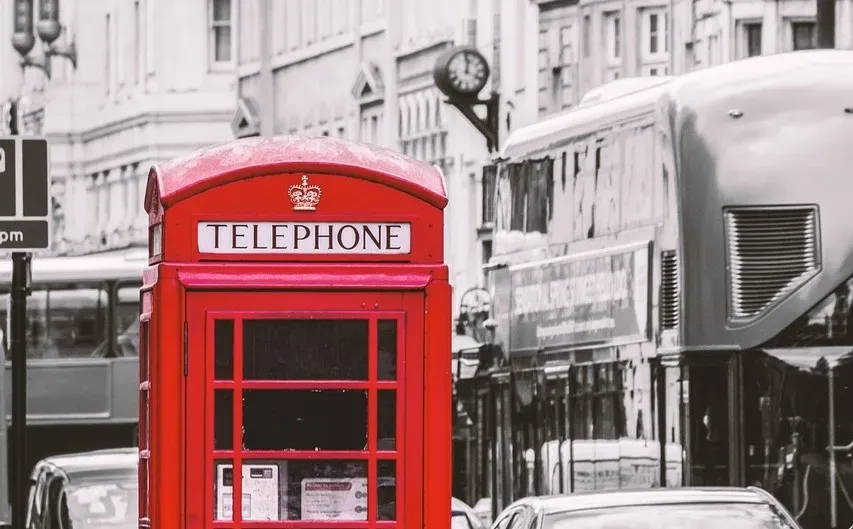
Colin Farrell plays a smooth talking publicist who gets trapped in a New York City phone booth by a sniper who threatens to kill him if he hangs up the line. Director Joel Schumacher keeps the camera restless, cutting between the booth, the surrounding street, and the unseen shooter’s perspective, which helps the film avoid feeling static despite its narrow setting.
The movie was actually delayed for theatrical release following real world sniper attacks in the United States, pushing its debut back roughly a year. Once it did arrive, it became a modest hit, largely on the strength of Farrell’s performance and the sheer tension of watching a man unravel in a glass box.
5. Locke (2013)

Tom Hardy stars as a construction manager driving through the night, spending the entire film inside his car as he takes a series of phone calls that slowly reveal a personal crisis unfolding just as a massive concrete pour is set to happen without him. Director Steven Knight filmed the movie in real time over multiple nights, with Hardy delivering the performance live to actors on the other end of the phone.
It’s a film built almost entirely on voice and expression, since Hardy is the only person we see on screen for the full runtime. Despite the minimal setting, the movie manages to build genuine suspense around both a professional deadline and a fracturing family.
6. Panic Room (2002)

David Fincher’s thriller centers on a mother and daughter, played by Jodie Foster and a young Kristen Stewart, who hide inside the reinforced panic room of their new brownstone while three intruders search the house below. Much of the film’s tension comes from the claustrophobic geography of the room itself, which the intruders need to access for reasons that become clear as the plot unfolds.
Fincher used elaborate camera movements to make the confined space feel dynamic, including shots that appear to pass through walls and keyholes. It’s a slicker, more stylized take on the one room thriller, proving the format works even with a bigger studio budget behind it.
7. The Man from Earth (2007)

This low budget science fiction drama takes place almost entirely in a single house, where a college professor reveals to his colleagues during an impromptu farewell party that he is actually thousands of years old. The film relies almost entirely on conversation, as the group tries to poke holes in his extraordinary claim while slowly being drawn into considering it might be true.
Written by veteran science fiction author Jerome Bixby, the script was completed shortly before his death and later became something of a cult favorite, especially after gaining traction online years after its initial release. It’s proof that a compelling premise and sharp dialogue can outweigh any need for elaborate visuals.
8. Exam (2009)
Set inside a single sparse room, this British thriller follows eight candidates competing for a corporate job who are given a bizarre test with just one instruction and a blank sheet of paper each. As the candidates try to decode the puzzle under a strict time limit, alliances form and paranoia builds, turning a simple premise into a tense psychological game.
The film was made on a notably small budget, and its success comes almost entirely from the writing and the ensemble’s ability to keep raising the stakes without ever leaving the room. It’s a good example of how limitations can push filmmakers toward cleverer storytelling rather than hold them back.
9. Devil (2010)
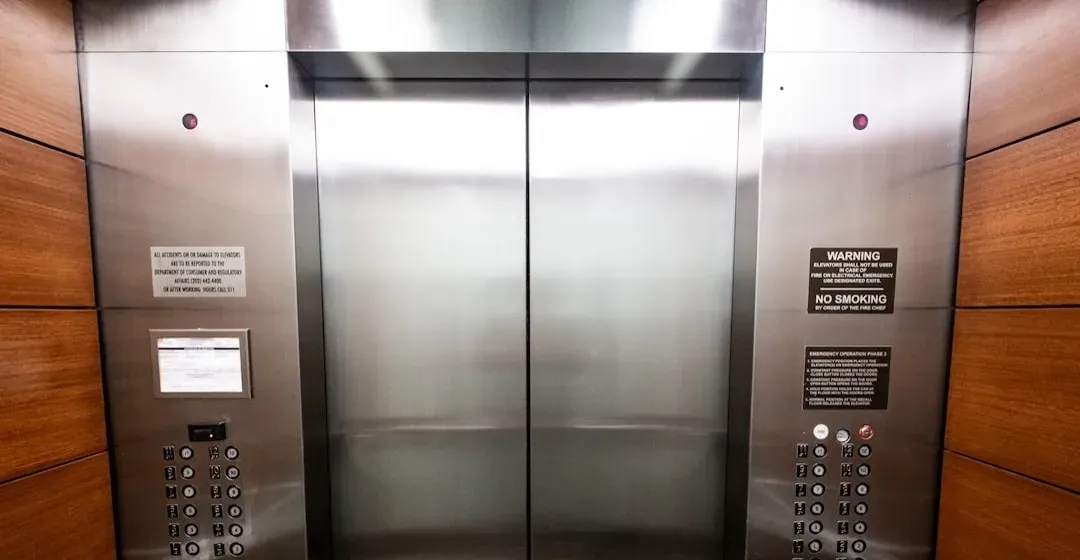
Produced by M. Night Shyamalan, this horror thriller traps five strangers inside a stalled elevator in a high rise office building, where they slowly realize one among them might be a supernatural force. The elevator setting becomes an effective pressure chamber, with the characters’ pasts and secrets surfacing as the lights flicker and the body count rises.
Director John Erick Dowdle uses tight framing and shadows to make the small space feel genuinely threatening, rather than simply cramped. It’s a reminder that horror doesn’t need sprawling sets, just a group of people who can’t leave and a reason for them to be afraid of each other.
There’s a certain discipline required to make a single room feel like an entire world, and each of these films handles that challenge differently, whether through courtroom debate, phone calls, or supernatural dread. What ties them together is a trust in performance and writing over spectacle, proving that sometimes the most gripping stories happen when nobody can walk out the door.