Walk into any conversation about classic American cinema and certain names come up again and again: Nicholson, Streep, De Niro. But behind nearly every one of those iconic films sits a supporting player whose face you’d recognize instantly, even if the name never quite stuck. These are the actors who show up in film after film, elevating scenes without ever landing the leading credit or the magazine cover.
This piece looks at six performers who built genuinely remarkable filmographies, appearing in multiple movies now considered essential viewing, yet somehow stayed just outside the spotlight of mainstream fame. Their work deserves a second look, if only because so much of what makes those classics memorable rests on their shoulders.
1. J.T. Walsh
J.T. Walsh had one of the most quietly impressive runs of any character actor in the late twentieth century. He appeared in Good Morning, Vietnam, A Few Good Men, Sling Blade, and Breakdown, often playing authority figures with a menacing edge just beneath the surface. His performance as the corrupt colonel in A Few Good Men sits right alongside Jack Nicholson’s, yet most audiences couldn’t place his name if asked.
Walsh died suddenly in 1998 at only fifty four, which likely cut short a career that was still gaining momentum. Directors like Rob Reiner and Barry Levinson kept casting him because he brought a specific, unsettling credibility to roles that needed it. Even now, decades later, his scenes tend to be the ones people remember most vividly from those films.
2. M. Emmet Walsh
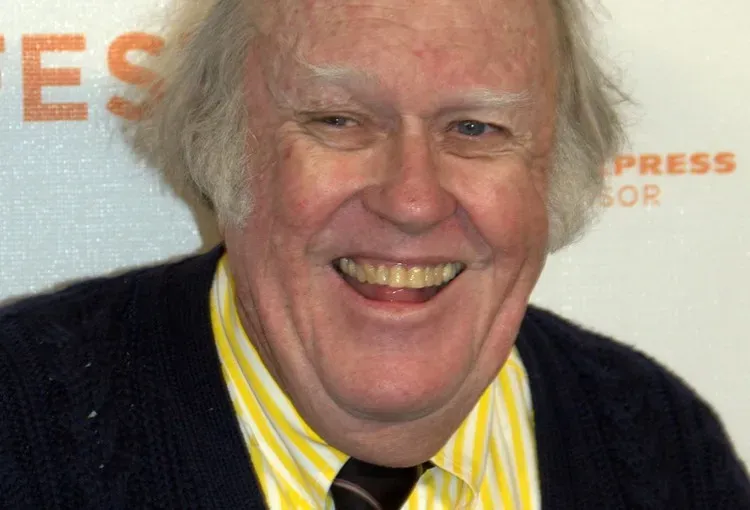
M. Emmet Walsh built a career on being the guy audiences couldn’t quite trust, and it worked beautifully in films like Blade Runner, Blood Simple, and Straight Time. His role as the private detective in Blood Simple is often cited by critics as one of the finest supporting performances of the 1980s. He also popped up in Fletch and My Best Friend’s Wedding, proving his range extended well beyond noir villains.
Walsh worked steadily for over five decades, amassing well over a hundred film and television credits, a career that continued into his nineties before his passing in 2024. Despite that staggering body of work, his name rarely comes up outside of dedicated film circles. Ask any serious cinephile about him, though, and you’ll usually get genuine enthusiasm.
3. Bruce McGill
Bruce McGill’s breakout role as D-Day in Animal House already made him a cult favorite among a certain generation of moviegoers. He went on to appear in My Cousin Vinny, The Insider, and Michael Collins, consistently delivering grounded, credible performances in films that leaned on realism. His work with director Michael Mann in The Insider, playing a lawyer navigating corporate pressure, is a particularly strong example of his understated skill.
McGill has spent much of his career in supporting roles precisely because he’s so reliable, the kind of actor directors trust to make a scene feel real without pulling focus. That reliability, ironically, is part of why he never became a marquee name. Audiences remember his characters far more often than they remember him.
Partner offer
4. Ned Beatty
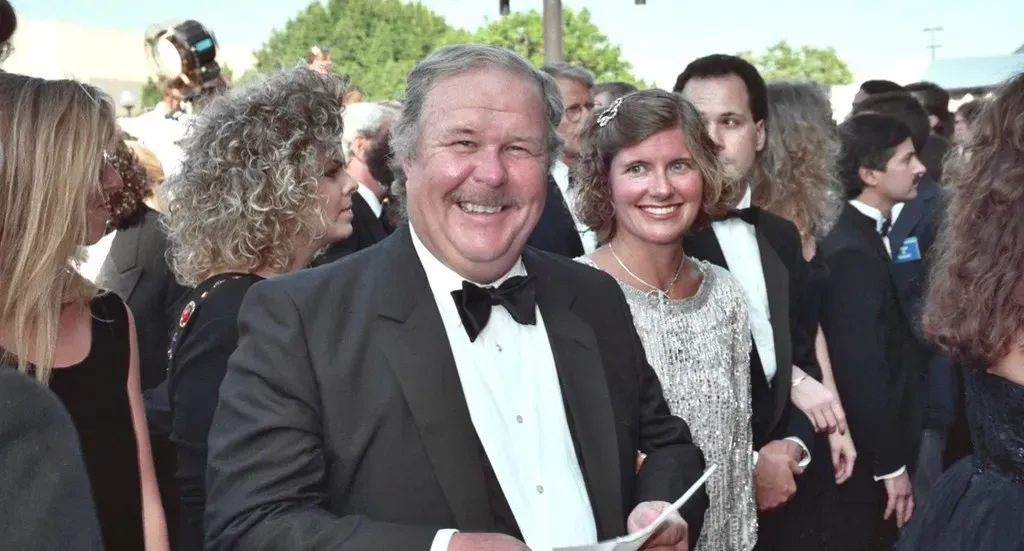
Ned Beatty’s filmography reads like a checklist of American film milestones: Deliverance, Network, Superman, and later Toy Za Story 3. His single scene in Network, delivering a fiery corporate monologue to Peter Finch’s character, remains one of the most analyzed moments in film school curriculums. He earned an Academy Award nomination for that role, yet somehow it didn’t translate into lasting mainstream recognition.
Beatty worked consistently across five decades in film and television, often taking smaller roles that still managed to anchor entire scenes. His voice work as Lotso in Toy Story 3 introduced him to a younger audience without most of them realizing who was behind the character. He passed away in 2021, leaving behind a body of work that critics still point to as a model of supporting-actor craft.
5. Elisha Cook Jr.
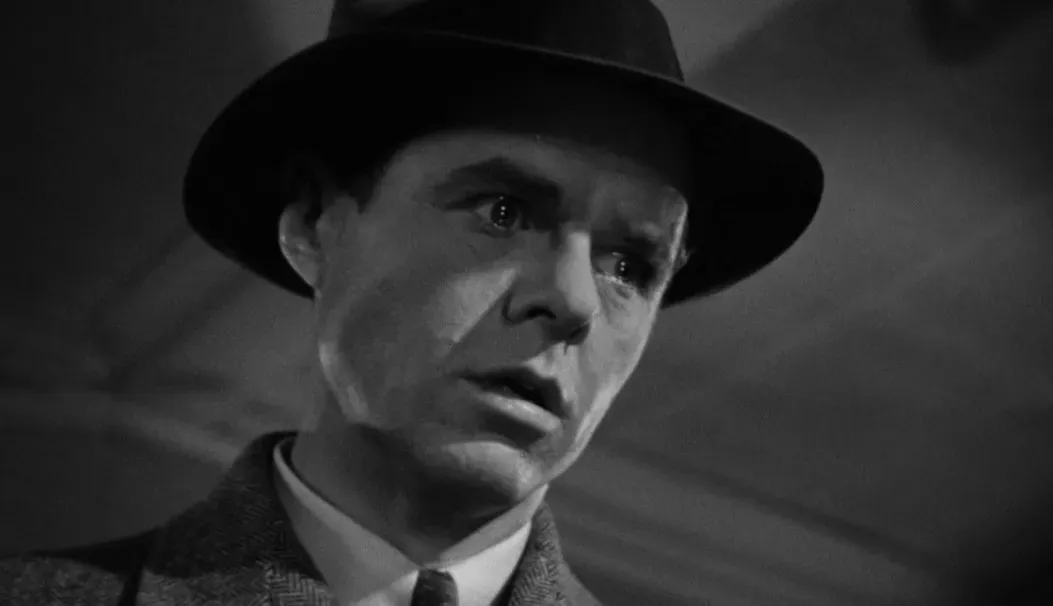
Elisha Cook Jr. carved out a distinctive niche playing nervous, often doomed characters in some of Hollywood’s most enduring films. He appeared in The Maltese Falcon, The Big Sleep, Shane, and Rosemary’s Baby, frequently cast as the small man caught in situations far bigger than himself. His role as the gunman Wilmer in The Maltese Falcon remains a textbook example of noir supporting acting.
Cook worked in Hollywood from the silent era all the way through the 1980s, a career spanning roughly six decades. Despite that longevity and his presence in films now considered untouchable classics, he rarely receives credit outside of serious film history discussions. His face is instantly familiar to noir fans, even when his name isn’t.
6. Charles Durning

Charles Durning appeared in The Sting, Dog Day Afternoon, and Tootsie, three films that regularly appear on best-of lists for their respective decades. He received two Academy Award nominations during his career, for The Best Little Whorehouse in Texas and To Be or Not to Be, proof that industry recognition didn’t always come with public fame. His versatility let him move between comedy and drama with an ease that few character actors managed.
Durning survived combat in World War II before turning to acting, a detail that adds weight to the grounded authenticity he brought to so many roles. He continued working steadily into his eighties, amassing well over two hundred credits across film and television. Even with that scale of output and critical respect, he remained, for most casual viewers, simply a familiar face rather than a recognizable name.
Taken together, these six careers say something honest about how film history actually works. The classics we return to again and again are rarely carried by star power alone. They’re built, scene by scene, by performers who understood exactly what a moment needed and gave it without asking for the spotlight in return.
Partner offer
Planning a trip to Vegas?
Compare hotel rates and show tickets on VEGAS.com.