There’s a version of the music business that never makes it into the highlight reels: the years spent standing a few feet behind someone else’s spotlight, learning harmony parts, memorizing setlists, and figuring out how a real career actually works. Long before their names filled marquees, a surprising number of now-famous musicians spent time on stages where they weren’t the point. Some of the biggest voices in pop, rock, and R&B history got their footing this way, absorbing lessons that shaped everything they did once the microphone finally turned toward them.
1. Whitney Houston
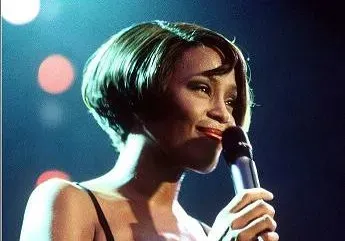
Before she became one of the best-selling recording artists of all time, Whitney Houston grew up watching her mother, gospel singer Cissy Houston, work sessions and stages across New York. Before becoming one of the most successful singers of all time, Whitney Houston began her career as a backup singer for her mother Cissy Houston as well as Chaka Khan and Lou Rawls. That apprenticeship gave her an education most young singers never get, watching seasoned professionals shape a song from just a few feet away.
Whitney Houston is one of the most iconic singers in music history, but many people may not know that she started her career as a backup singer, lending her vocals to artists like Chaka Khan and Jermaine Jackson. It didn’t take long for industry insiders to notice a voice that big couldn’t stay in the background forever. Within a few years she was recording her own material, and the rest became one of the defining pop stories of the era.
2. Mariah Carey
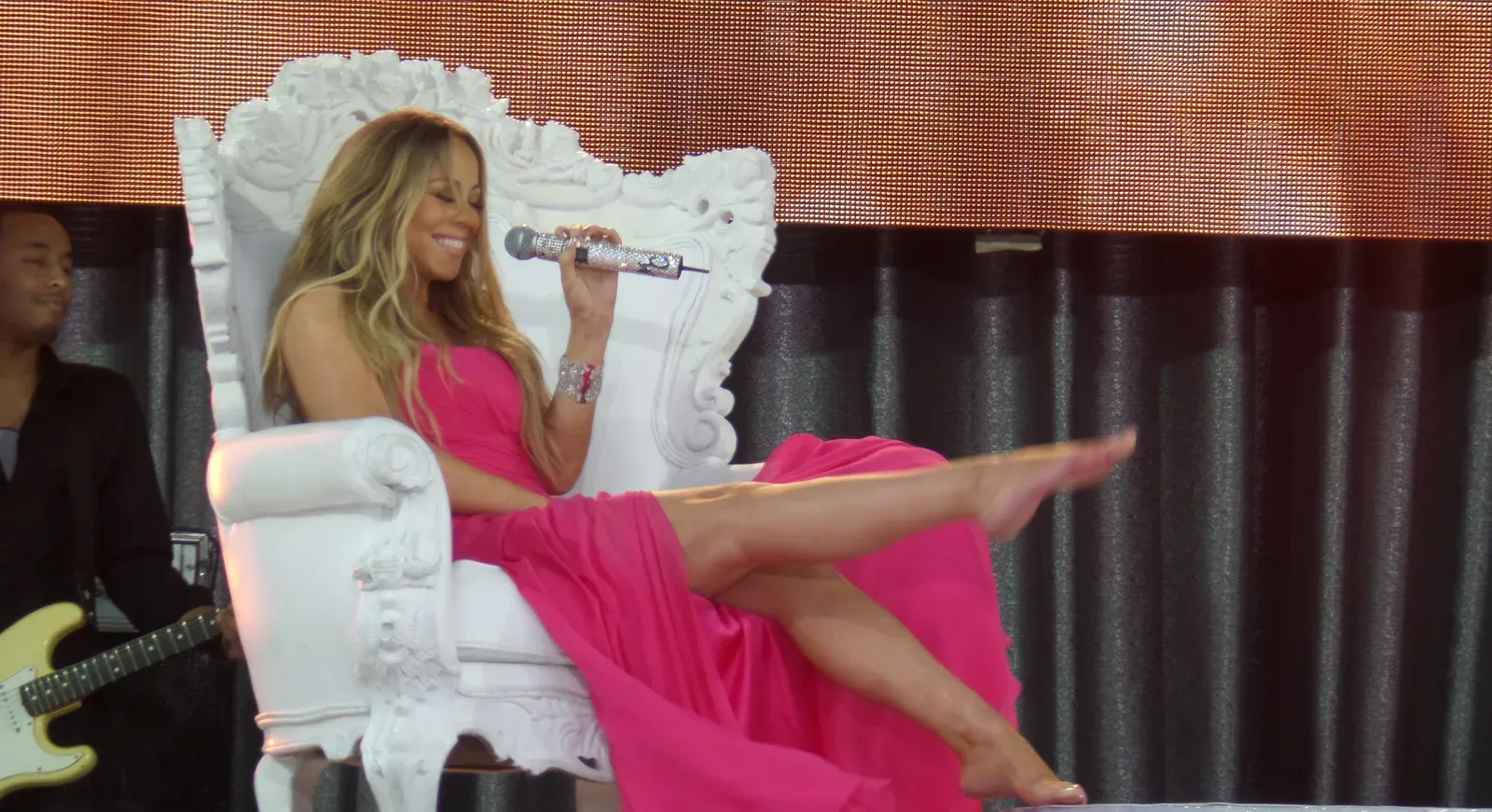
Mariah Carey’s path to superstardom started far from any recording studio spotlight. It’s almost impossible to go through the holiday season without hearing Mariah Carey’s “All I Want For Christmas Is You” dozens of times, but Carey wore a lot of hats before she found her footing as a pop star, breaking into the music industry as a backup vocalist for “Love Me Like The First Time” singer Brenda K. Starr while juggling cosmetology school and waitressing jobs on the side.
Although now known as one of the best selling artists in music history, Mariah Carey got her start as a backup singer for Brenda K. Starr. It was actually through that gig that a demo tape made its way to the right industry hands, kicking off one of the most commercially successful careers pop music has ever seen. The rest of her story, five octaves and dozens of chart-toppers later, is well documented, but the waitressing-and-backup-vocals chapter tends to get forgotten.
3. Sheryl Crow
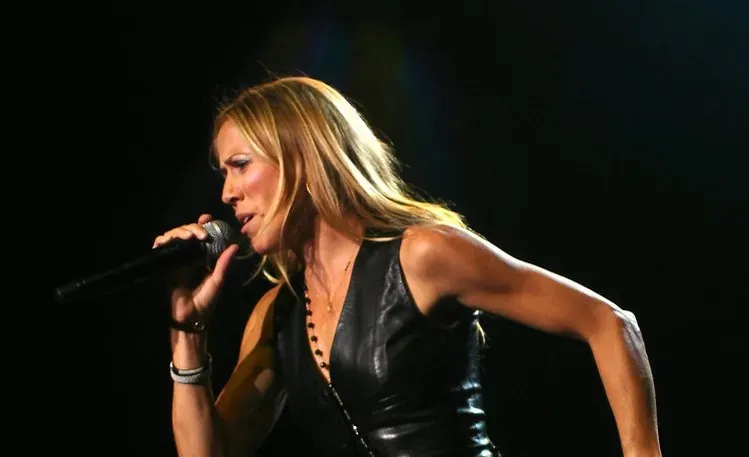
Sheryl Crow’s early career reads almost like an unlikely fairy tale. Crow toured with Michael Jackson as a backing vocalist during his Bad World Tour 1987–1989, and often performed with Jackson on “I Just Can’t Stop Loving You,” and also recorded background vocals for Stevie Wonder, Belinda Carlisle, Jimmy Buffett, Kevin Gilbert and Don Henley. She was hardly a household name at the time, just a 25-year-old singer from Missouri who had auditioned for one of the biggest tours in pop history.
It was Jackson’s first solo worldwide concert tour, 123 shows over 16 months that began in Tokyo in September 1987, and Crow was the only woman among four backup singers on the tour. The experience left a lasting mark, both professionally and personally, and she has spoken candidly in later interviews about the highs and the harder moments of that period. By the time she released “Tuesday Night Music Club” in the early 1990s, she had transformed years of behind-the-scenes work into a distinct solo voice of her own.
4. Luther Vandross
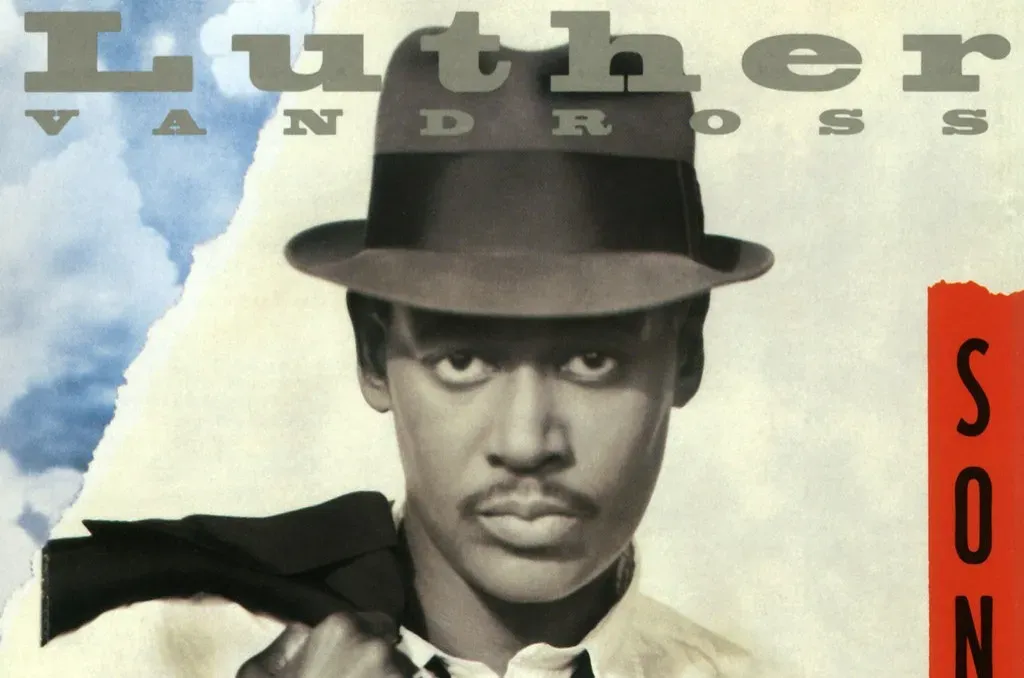
Luther Vandross built a reputation long before his own name appeared on an album cover. Two of the most legendary voices in music, Luther Vandross and Whitney Houston, both started off their careers , with Vandross singing background for Roberta Flack and Donnie Hathaway in 1972, as well as Chaka Khan, Bette Midler, Diana Ross, Patti LaBelle, Barbra Streisand, and David Bowie before he started his walk to solo greatness in the early 1980s. That’s an extraordinary list of collaborators for someone who hadn’t yet released a solo record.
Session work of that caliber didn’t just pay the bills. It sharpened his ear for arrangement and phrasing in ways that later defined his own smooth, precise vocal style. When Vandross finally stepped forward as a solo artist, the polish he’d absorbed from a decade of backing some of music’s most demanding voices was unmistakable.
5. Gwen Stefani
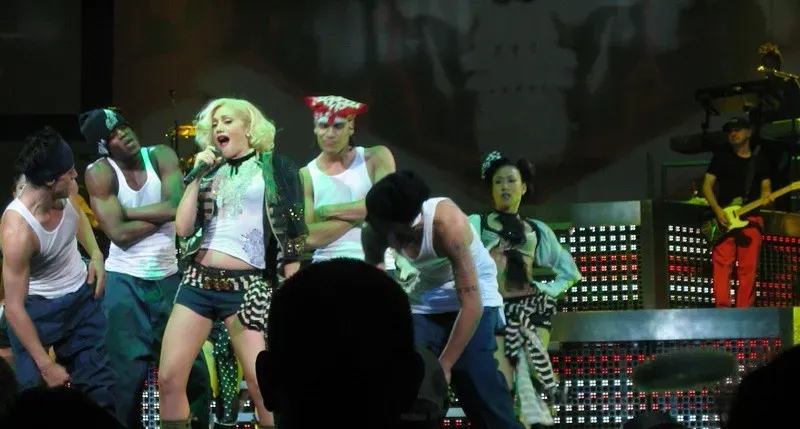
Gwen Stefani’s rise inside No Doubt started from an unglamorous place: singing backup in a ska band fronted by someone else. Gwen Stefani joined No Doubt as a backup singer early in her career, and following the tragic loss of original lead singer John Spence, she stepped up to take the front-woman position, a shift that changed the trajectory of the band and helped turn No Doubt into a global household name.
Partner offer
Before the group made it big, Gwen also did vocals for Sublime’s song “Saw Red,” and Gwen’s band released five albums before she decided to go solo. By the time she launched her own solo career in the mid-2000s, she had already spent nearly two decades learning how to command a stage, first from the back row, then from the front.
6. Tina Turner
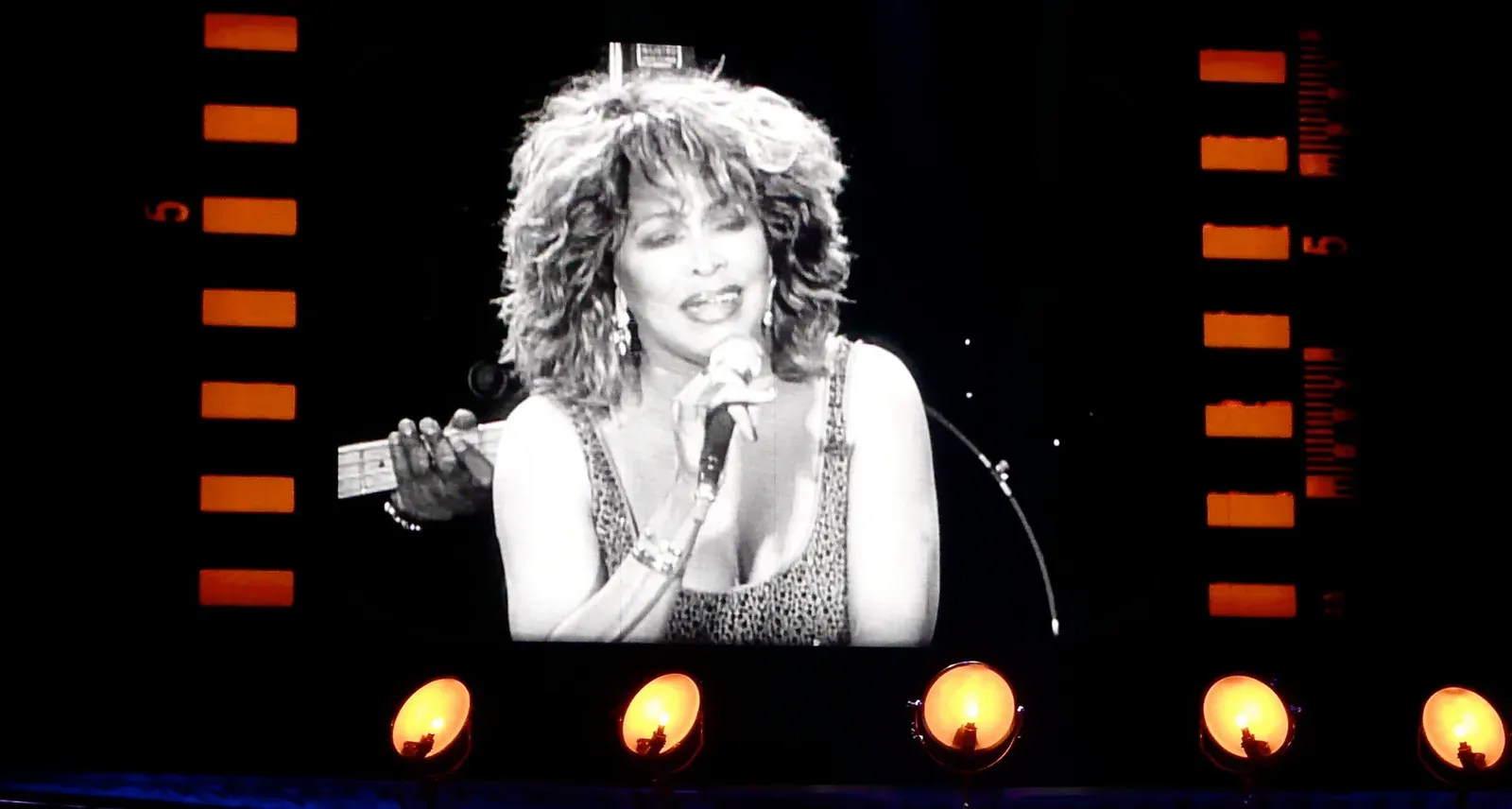
Tina Turner’s beginnings were rougher than most. Few people know that Tina Turner started as a backup singer and occasional vocalist for the Ike Turner band before becoming half of the Ike & Tina Turner duo, expected to stay in the background and follow orders. It took years before she was allowed anything resembling creative control, and even then the partnership came at a steep personal cost.
After leaving her abusive partnership with Ike, Tina reinvented herself as a solo artist in her forties, and her comeback album “Private Dancer” sold millions and made her bigger than she ever was before. Few reinventions in music history have been as dramatic, or as hard-earned. What started as a backup role in someone else’s band ended up producing one of rock’s most celebrated late-career comebacks.
7. Stevie Nicks

Stevie Nicks’ path into Fleetwood Mac ran through a much smaller, lesser-known band first. Stevie Nicks first gained recognition as a backup singer before becoming a solo artist and a member of the iconic band Fleetwood Mac, starting her music career in the late 1960s as a member of the band Fritz, where she honed her vocal skills as a backup singer.
She eventually caught the attention of Lindsey Buckingham, who invited her to join Fleetwood Mac in 1975. That partnership reshaped the band’s sound almost overnight and set the stage for Nicks’ own solo career a few years later. Her signature blend of folk mysticism and rock grit owes a debt to those earlier years of blending her voice into someone else’s arrangement.
8. Cher
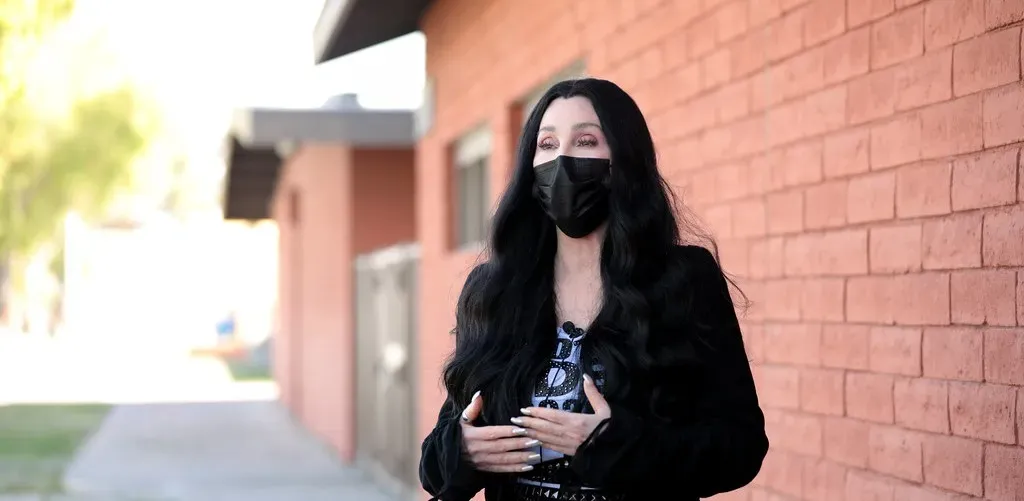
Cher’s musical apprenticeship happened in recording studios rather than on concert stages, which makes it a slightly different kind of backup story. Grammy-winning singer and Oscar-winning actress Cher sang backup on the studio recordings for the Ronettes and the Righteous Brothers. These were some of the defining pop and rock acts of the early 1960s, and Cher’s voice was quietly woven into records that became genre staples.
That studio experience came during the same period she was working alongside Sonny Bono, before the duo’s own hits turned them into stars in their own right. It’s easy to forget, given her decades as one of music’s most recognizable solo voices, that she once blended into someone else’s chorus for a living. The training clearly stuck, given the vocal range and control she would go on to display across her own catalog.
9. Phil Collins
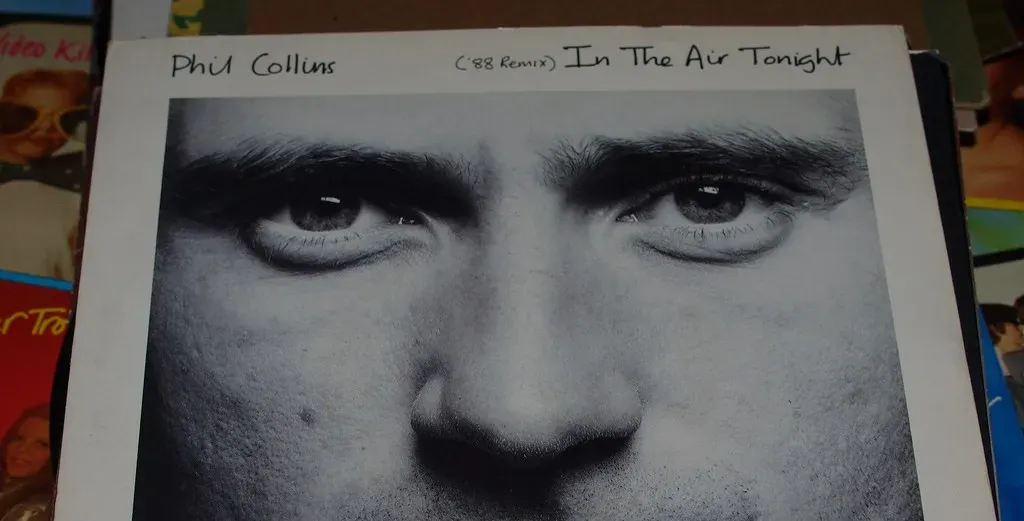
Phil Collins didn’t start as a traditional backup singer in the girl-group or session-vocalist sense, but his path to the microphone followed a similar arc of stepping up from a supporting role. Phil Collins famously transitioned from drummer and backup to the lead singer of Genesis after Peter Gabriel departed. He had spent years behind the kit, occasionally lending backing vocals, before circumstances pushed him toward the front of the stage.
When Gabriel left, Phil stepped up as lead singer and eventually launched a solo career that overshadowed his band work, with hits like “In the Air Tonight” and “Against All Odds” dominating the charts throughout the 1980s, and he sold more than 100 million albums as a solo artist. Few transitions from supporting player to headliner have been as commercially successful. Collins essentially proved that the skills learned in a backing role, timing, restraint, listening, translate directly into leading one.
Taken together, these nine stories point to something worth remembering about how music careers actually get built. Talent alone rarely explains the jump from the back of the stage to the front of it. What separates these singers is the years spent listening closely, absorbing craft from artists who were already established, and being ready when the opportunity to step forward finally arrived.Partner offer
Planning a trip to Vegas?
Compare hotel rates and show tickets on VEGAS.com.