Television has a strange habit of getting rid of exactly the shows people end up loving the most. A series airs for a dozen episodes, struggles in the ratings, and disappears before most viewers even know it existed. Then, months or years later, word of mouth turns it into something closer to a legend than a cancellation footnote.
What follows are nine shows that lived and died within a single season but somehow never really went away. Streaming reruns, DVD box sets, and stubborn fan communities kept each one breathing long after the networks moved on.
1. Firefly
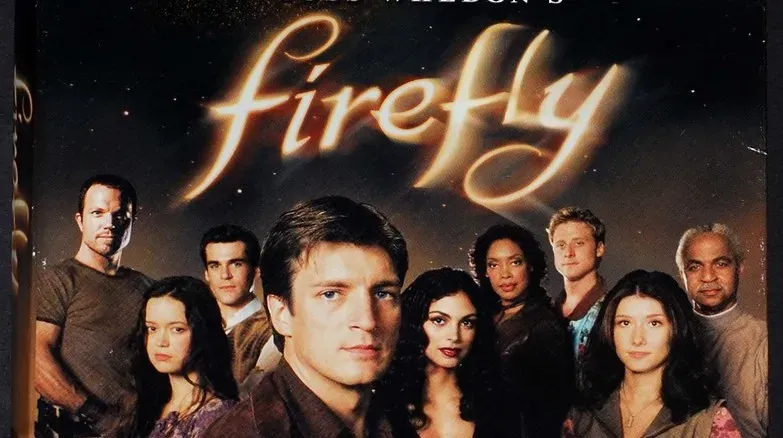
Joss Whedon’s space western remains the textbook example of a show canceled before it had any real chance to prove itself. Only 11 of the 14 produced episodes were broadcast during its initial run, leaving fans frustrated. Fox aired the episodes out of sequence and buried the pilot, which meant most viewers never got a fair introduction to the story.
The entire series was released on DVD, and it sold so well that it became a best-seller, proving that the fans were much more than the ones who watched the show within those Nielsen ratings. That surge of interest eventually led to a feature film, Serenity, and now, over two decades on, Nathan Fillion has confirmed in March 2026 that an animated revival is in advanced development with the original cast returning.
2. Freaks and Geeks
Set in a Michigan high school, this series is often cited as one of the most honest portrayals of teenage life ever put on television. Set in a Michigan high school in the early 1980s, the series was created by Paul Feig and produced by Judd Apatow. NBC never found an audience for it, and the show quietly vanished after a single season.
Its afterlife turned out to be far bigger than its original run. Over time, however, it developed a devoted following and became famous for introducing future stars such as James Franco, Seth Rogen, Jason Segel, Linda Cardellini, and Busy Philipps. The show is now regularly cited on best-of lists as one of the great “gone too soon” series in TV history.
3. My So-Called Life
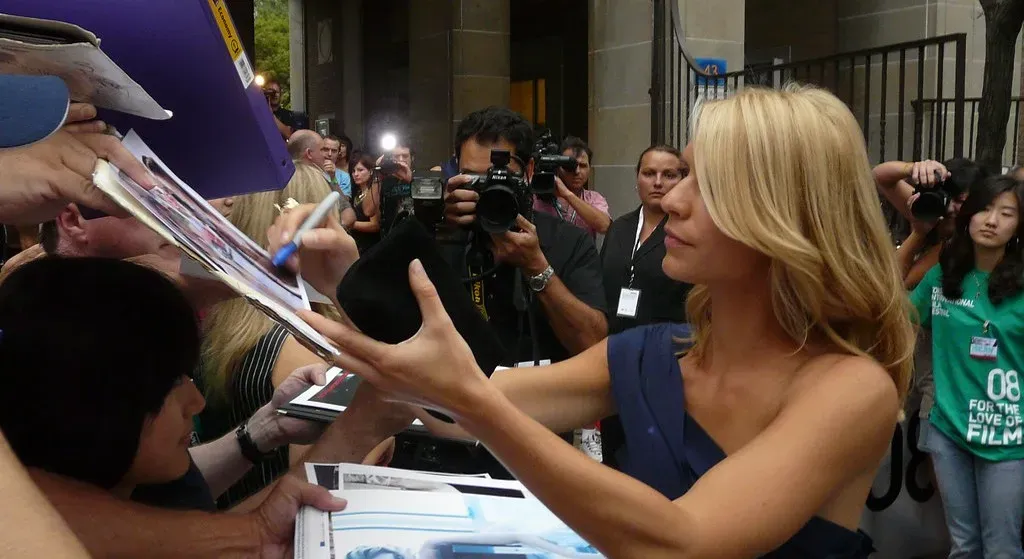
Claire Danes’ breakout role as Angela Chase captured teenage anxiety with an intimacy that few network dramas had attempted before. ABC pulled the plug after just nineteen episodes, leaving a cliffhanger that fans have debated for decades. The show’s brief lifespan didn’t stop it from shaping how television approached adolescence going forward.
Looking back, some critics have actually made peace with the short run. To be real, do we even want to live in a world where My So-Called Life lasted three or five seasons? We would have gained a lot, sure, but what might we have lost? That kind of ambivalence is rare for a canceled show, and it says something about how tightly the series is woven into pop culture memory.
4. Terriers
This FX detective comedy-drama never found the audience it deserved, largely because of a title many assumed had something to do with dogs. Set in the beach communities of Ocean Beach, California, Terriers focused on a former police detective and his best friend as they took on investigations that often uncovered larger conspiracies. The show’s title confused many potential viewers, but those who watched found a sharp mix of mystery, humor, and character-driven storytelling.
Ratings stayed low throughout the run, and FX declined to bring it back for a second season. Even so, it has since earned a loyal following and is frequently mentioned alongside Freaks and Geeks as one of the more painful cancellations in modern television. Critics still point to it as a case study in how a poor marketing decision can sink an otherwise excellent show.
5. The OA
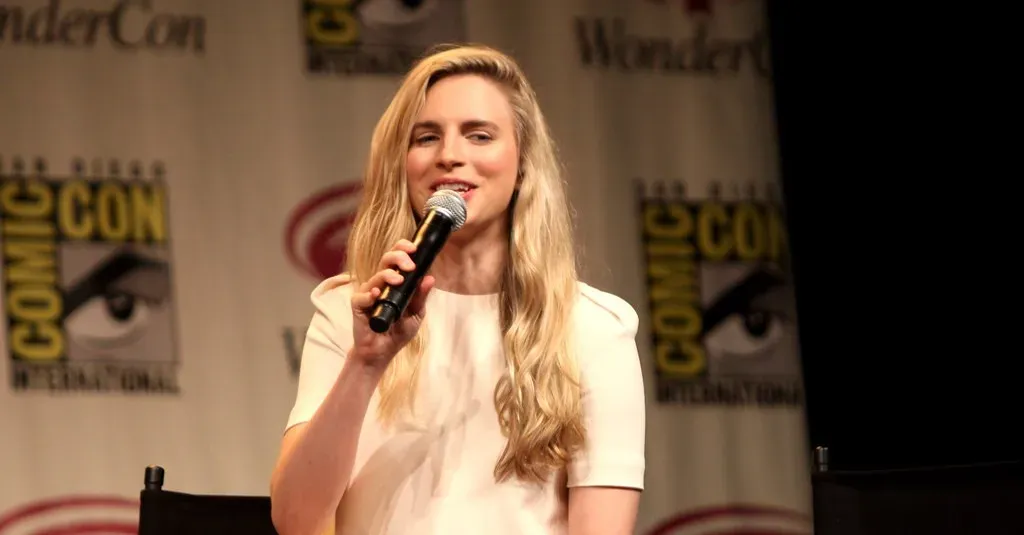
Brit Marling’s supernatural mystery series arrived on Netflix at the end of 2016 with almost no advance buzz, which made its impact all the more surprising. Debuting on Netflix at the tail end of 2016, The OA is a supernatural, sci-fi mystery series co-created by the show’s star, Brit Marling, and writer-director Zal Batmanglij, starring Marling as a woman who refers to herself as the titular OA and has resurfaced after going missing years earlier. The show blended genres in a way that felt genuinely unpredictable for streaming television at the time.
Netflix renewed it for a second season before abruptly canceling the entire project, a decision that frustrated fans who had followed its cliffhanger ending. The cancellation sparked one of the more vocal online campaigns in recent memory, with fans organizing petitions and viewing parties to keep the conversation alive. Even years later, discussions about what a third act might have looked like still circulate among devoted viewers.
6. On Becoming a God in Central Florida
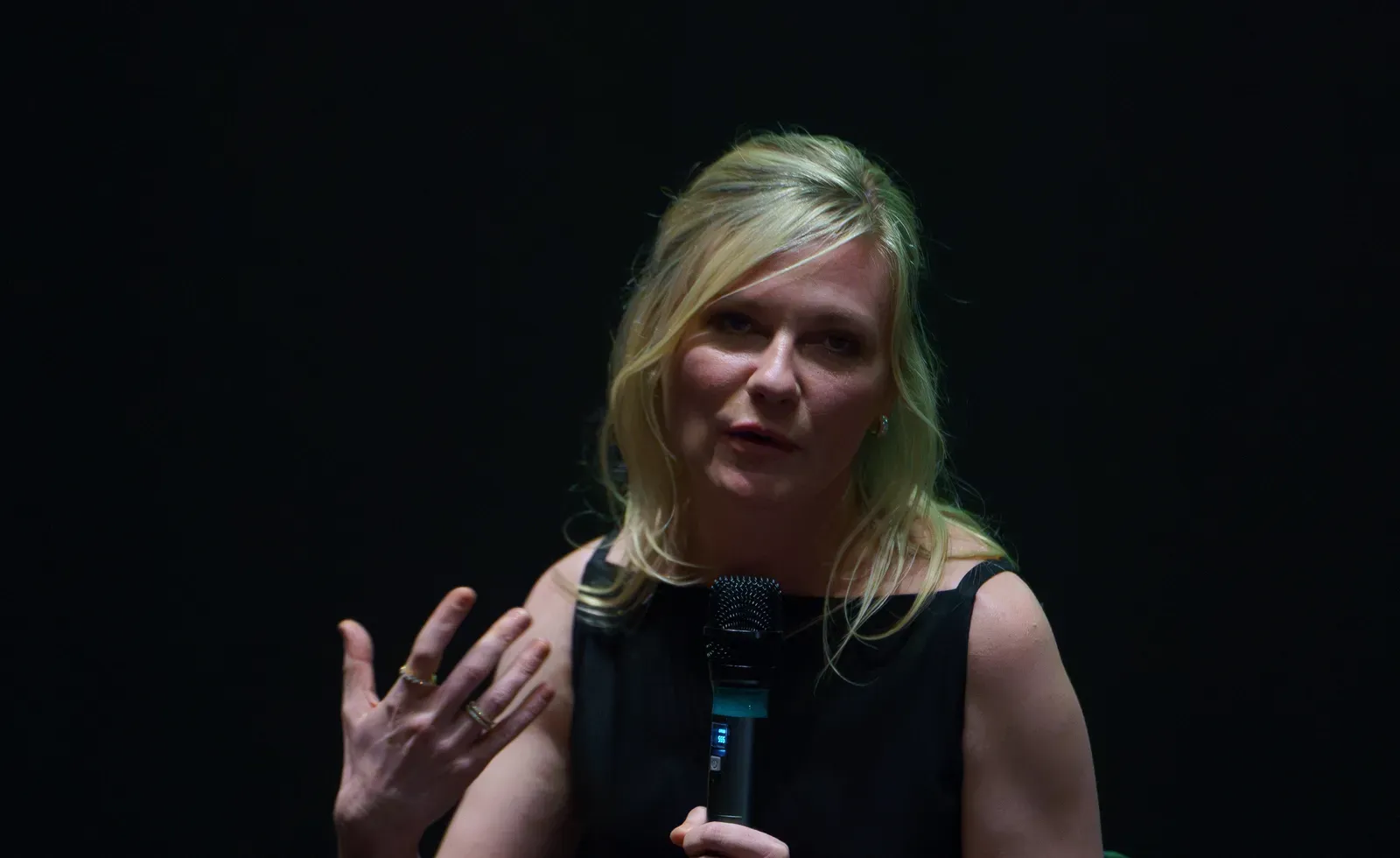
Kirsten Dunst headlined this Showtime satire about a struggling water park employee who claws her way up a shady multi-level marketing scheme. Starring an ever-game Kirsten Dunst, this 90s-set Showtime satire revolves around Dunst’s Krystal Stubbs, an Orlando water-park employee drowning in debt following her husband’s death, who seeks financial revenge by rising up the ranks at a cult-like pyramid scheme. Critics praised its sharp writing and Dunst’s performance, yet the audience numbers never matched the acclaim.
Showtime canceled the series after one season despite the strong reviews, a decision that surprised many in the industry given how distinctive the show felt compared to typical prestige dramas. Fans of dark satire still bring it up as an underappreciated entry in the genre. Its single season remains a complete, tightly constructed story, which has helped it hold up well on rewatch.
7. Dead Boy Detectives

Adapted from Neil Gaiman’s comic universe, this Netflix series followed two teenage ghost detectives who refuse to move on to the afterlife. Netflix’s one-season-only Dead Boy Detectives centers on crime-fighting teenage ghosts, described by Rotten Tomatoes as an addictively entertaining paranormal fantasy with excitement, romance, and young adult angst to spare, following Charles Rowland and Edwin Payne as they hide from Death and solve supernatural crimes on Earth. The show built a passionate niche audience almost immediately after release.
Despite the positive critical reception, Netflix canceled it after just one season, a familiar pattern for genre shows on the platform. Fans of the Sandman universe have continued to advocate for the characters online, hoping another studio might pick up the concept. The show’s blend of horror, comedy, and queer representation has kept it in ongoing conversations about underrated streaming originals.
8. I Am Not Okay With This
Sophia Lillis starred in this Netflix dark comedy about a teenager discovering she has telekinetic powers while dealing with grief and typical adolescent chaos. Netflix found a particularly great telekinetic teen story in Sophia Lillis’s Syd Novak, a grieving 17-year-old navigating family drama and growing pains while those strong teenager emotions fuel her emerging superpowers. The show earned comparisons to Stranger Things for its blend of nostalgia and supernatural elements.
Production on a second season was already complicated by the COVID-19 pandemic, and the dark comedy earned positive response from critics but was yet another casualty of the COVID pandemic and was canceled after one season in August 2020. The abrupt ending left major plot threads unresolved, which only intensified fan speculation and continued rewatches in the years since.
9. Undeclared
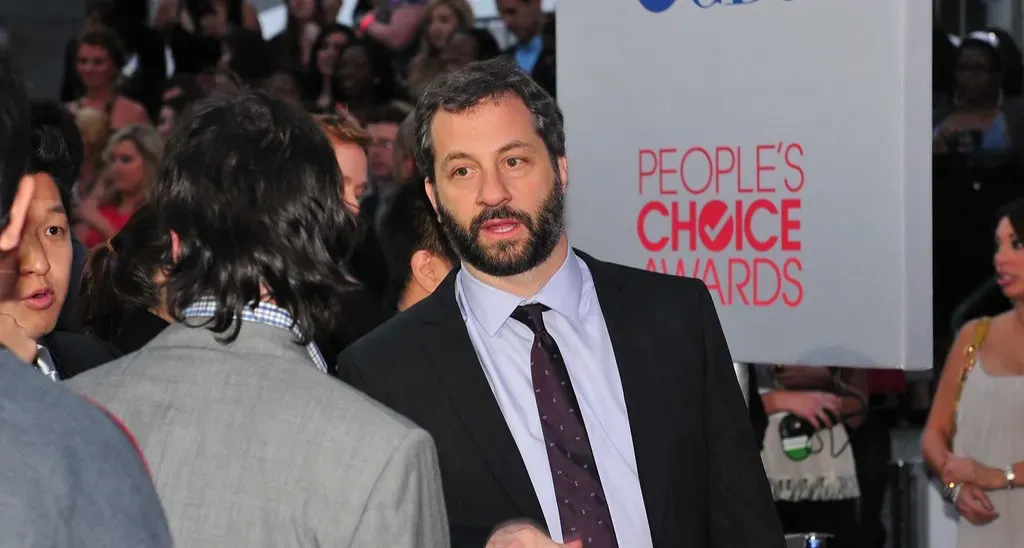
Judd Apatow followed his work on Freaks and Geeks with this college comedy, which built a similarly devoted following despite a short network run. Judd Apatow followed up Freaks and Geeks with another beloved cult classic: the college-set comedy Undeclared. The series captured the awkward optimism of freshman year with a cast that later became major names in comedy.
Fox canceled the show after one season, mirroring the fate of Apatow’s earlier project almost exactly. Viewers who discovered it later, often through streaming or word of mouth, tend to treat it as an overlooked companion piece to Freaks and Geeks rather than a lesser effort. Its influence on the college comedy genre is still referenced by writers and critics working in the space today.
Each of these shows proves that a short run does not determine a show’s long-term impact. Ratings systems measure a moment in time, but fan devotion tends to build slowly, often long after the cancellation news has faded. That gap between initial reception and lasting reputation is exactly why these nine titles keep resurfacing in conversations about television’s biggest missed opportunities.