Rock is often pictured as raw instinct, a loud guitar in a garage. Plenty of its best known players actually spent their early years on scales, sight reading and the works of long dead composers.
That training shows up in surprising places, from organ solos to vocal range to the way a song is built. Here are nine musicians whose classical backgrounds shaped the rock they went on to make.
Jon Lord

Jon Lord, the keyboardist who co-founded Deep Purple, was trained in classical piano as a child. He later said that background fed directly into his style, and it’s easy to hear in the baroque flavored runs of his Hammond organ playing.
His most ambitious move came in 1969, when he wrote Concerto for Group and Orchestra, performed by Deep Purple with the Royal Philharmonic Orchestra at the Royal Albert Hall. It remains one of the best known early attempts to put a rock band and a full orchestra on the same stage.
Rick Wakeman
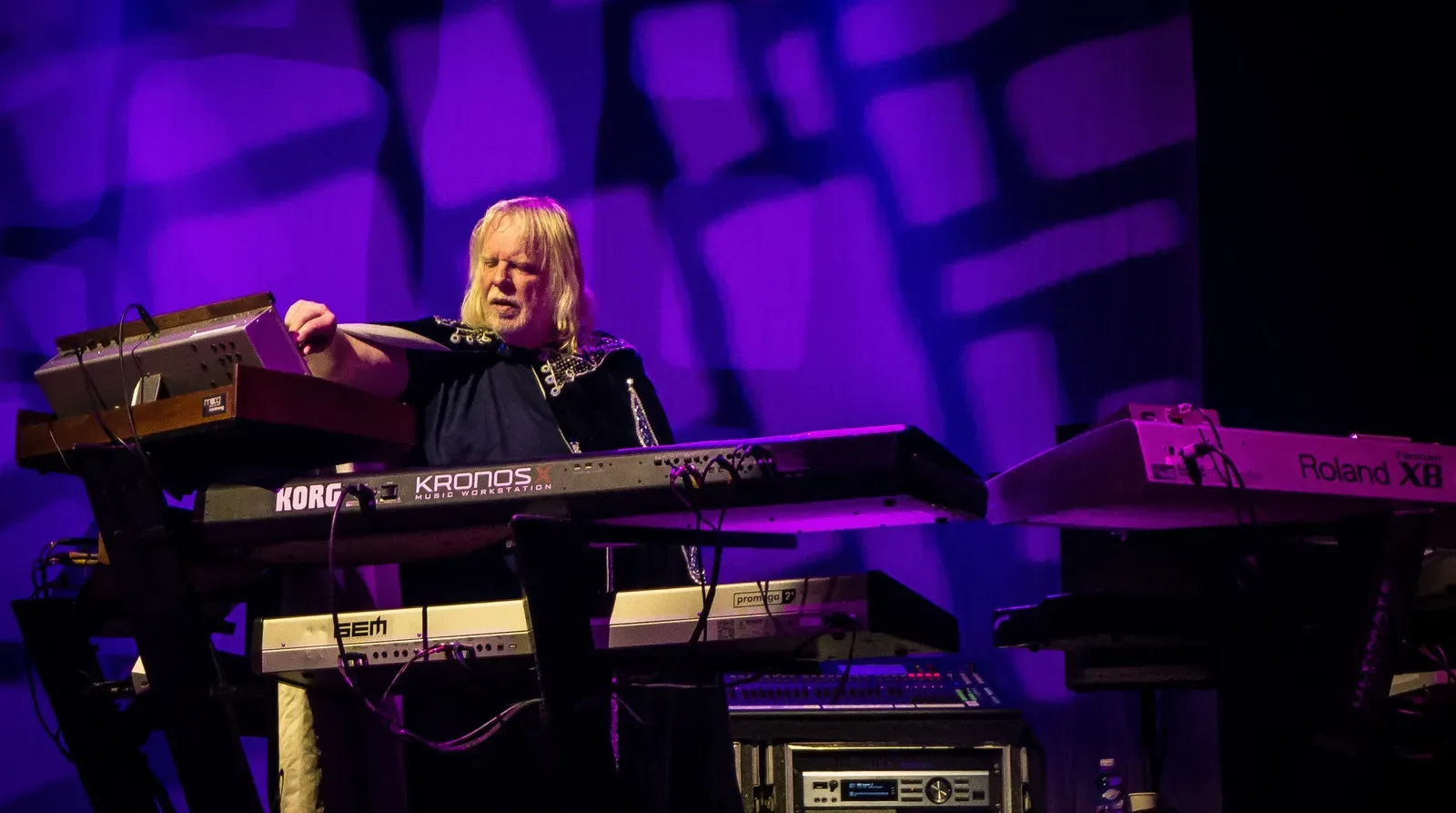
Rick Wakeman studied at the Royal College of Music in London, where he trained as a pianist and wrote for orchestra. He left before finishing his course, drawn instead to session work and touring bands.
He joined the folk rock group Strawbs and then became the keyboardist in Yes, where his stacks of keyboards defined progressive rock’s sound. His solo albums, including The Six Wives of Henry VIII, kept one foot in the classical world.
Keith Emerson
Keith Emerson began on piano as a boy and received a classical grounding before he found jazz and rock. That mix gave him the technique to do things few rock keyboardists attempted.
With Emerson, Lake and Palmer, he reworked Mussorgsky’s Pictures at an Exhibition into a rock album released in the early 1970s. He also pushed the Moog synthesizer into the spotlight, treating it as a serious concert instrument.
Freddie Mercury
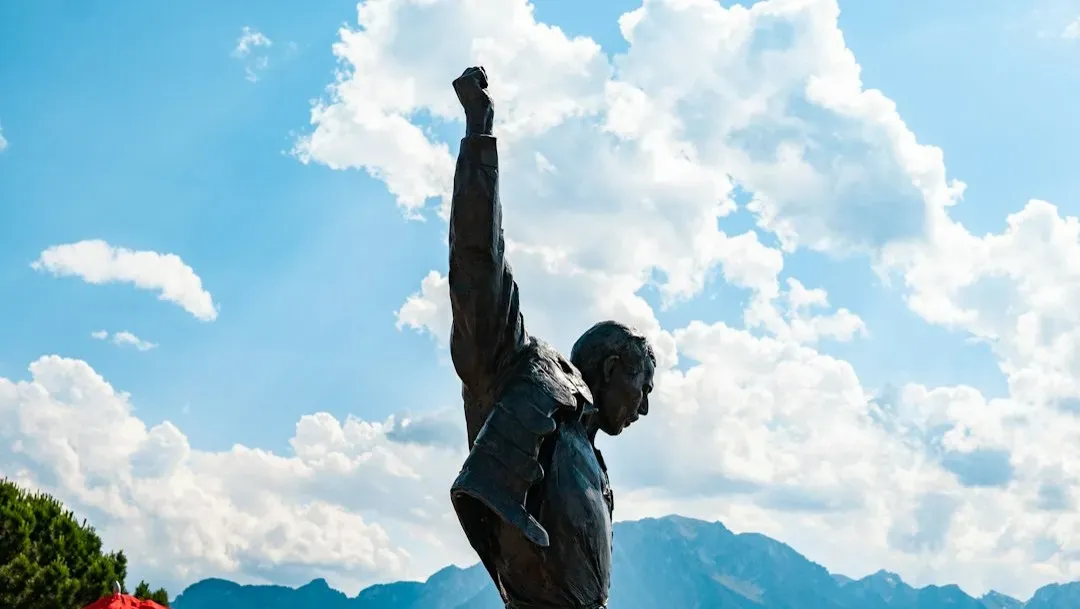
As a boy Freddie Mercury was sent to St. Peter’s boarding school near Mumbai, where he took piano lessons. The formal training gave him a solid grasp of music theory and keyboard technique before he ever fronted a band.
You can hear it in Queen’s piano driven songs and in the layered, operatic structure of Bohemian Rhapsody. His taste for opera was real, and he even recorded the album Barcelona with the soprano Montserrat Caballé.
Tori Amos
Tori Amos was a child prodigy, earning a place at the Peabody Conservatory in Baltimore at the age of five. She studied classical piano there for several years before leaving the program as a young teen.
She turned toward pop and rock, and eventually built a career around her piano and a fiercely personal songwriting style. Her debut album Little Earthquakes, released in 1992, made her one of the defining alternative artists of the decade.
Tarja Turunen

Finnish singer Tarja Turunen trained as a classical vocalist and studied at the Sibelius Academy in Helsinki. Her operatic soprano was unusual in heavy music at the time.
She became the original lead singer of Nightwish, a band that helped shape symphonic metal. After leaving the group in 2005, she continued to move between rock records and classical oriented projects.
Amy Lee
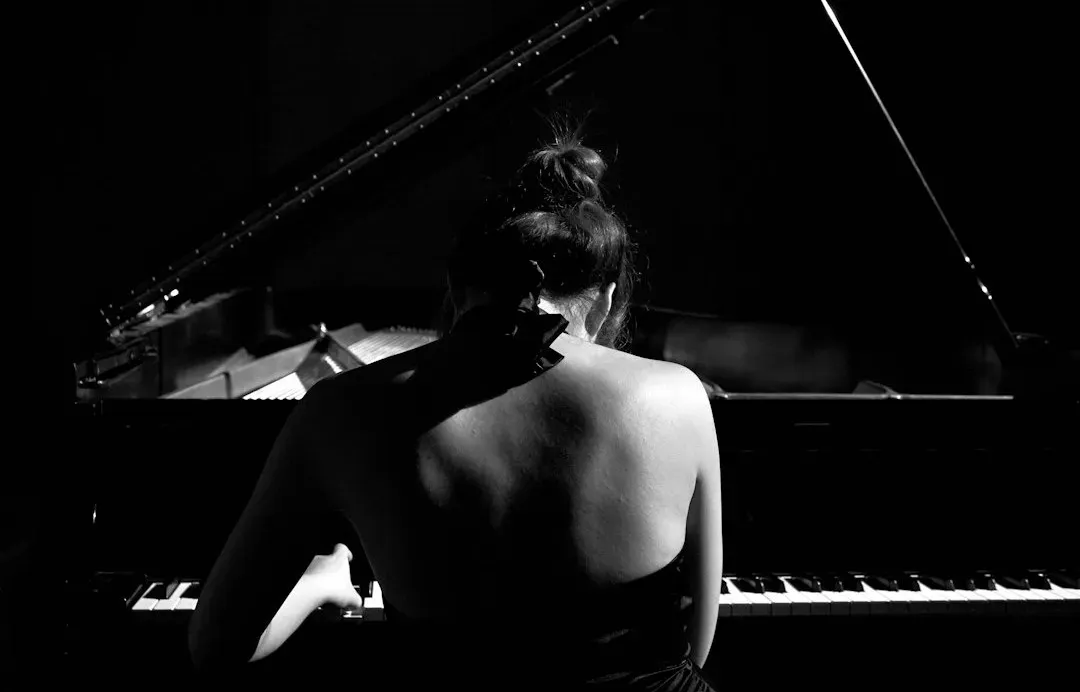
Amy Lee began piano lessons as a child and grew up with a classical foundation on the instrument. That training influenced how she wrote, with piano often serving as the starting point for songs.
As the co-founder of Evanescence, she blended gothic rock and heavy guitars with piano and orchestral touches. The band’s 2003 debut Fallen was a global success, and its sound still reflects those classical roots.
Matt Bellamy
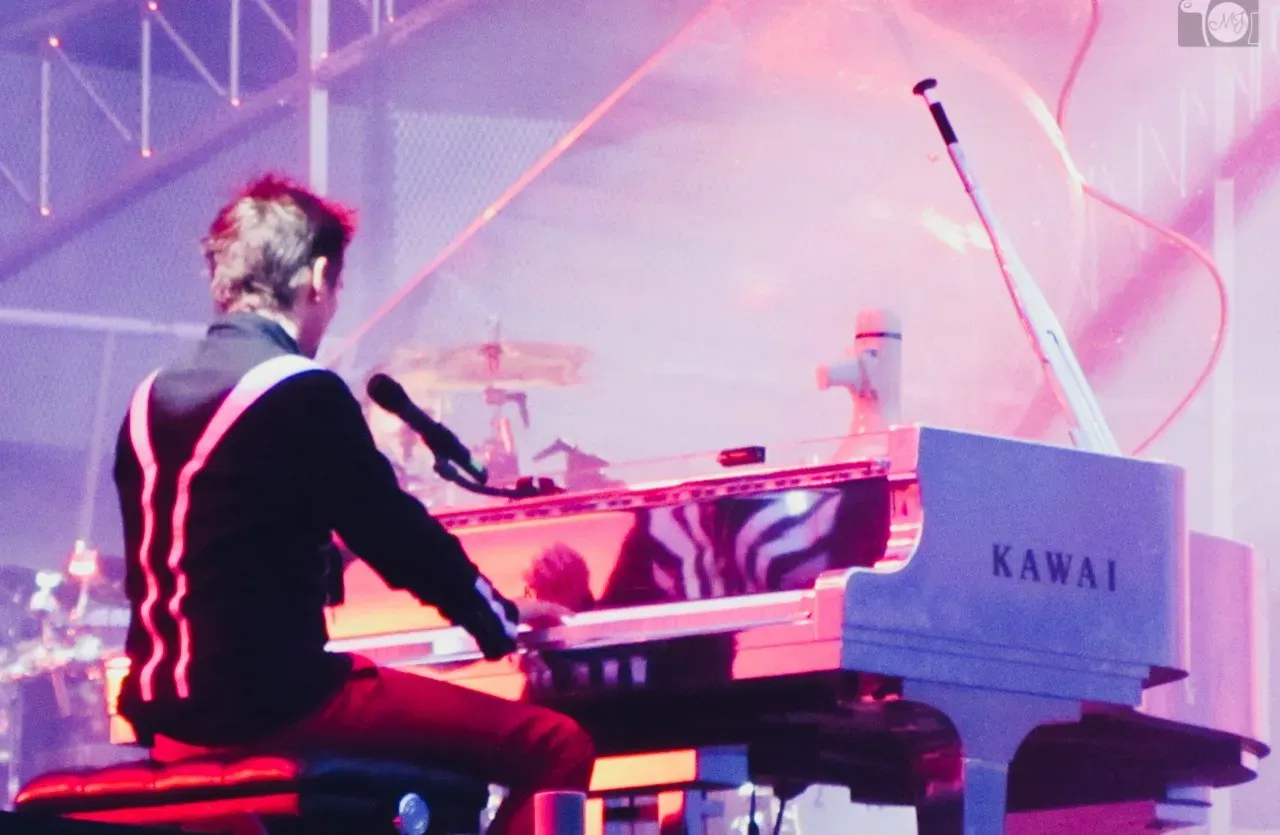
Muse frontman Matt Bellamy grew up playing piano, and classical composers shaped his ear early on. He has often pointed to Rachmaninoff as a major influence on the band’s dramatic style.
His piano writing shows up in songs such as Butterflies and Hurricanes, which features a long, Rachmaninoff flavored piano part. Muse have since become known for stadium rock built on theatrical, classically tinged arrangements.
Jonny Greenwood
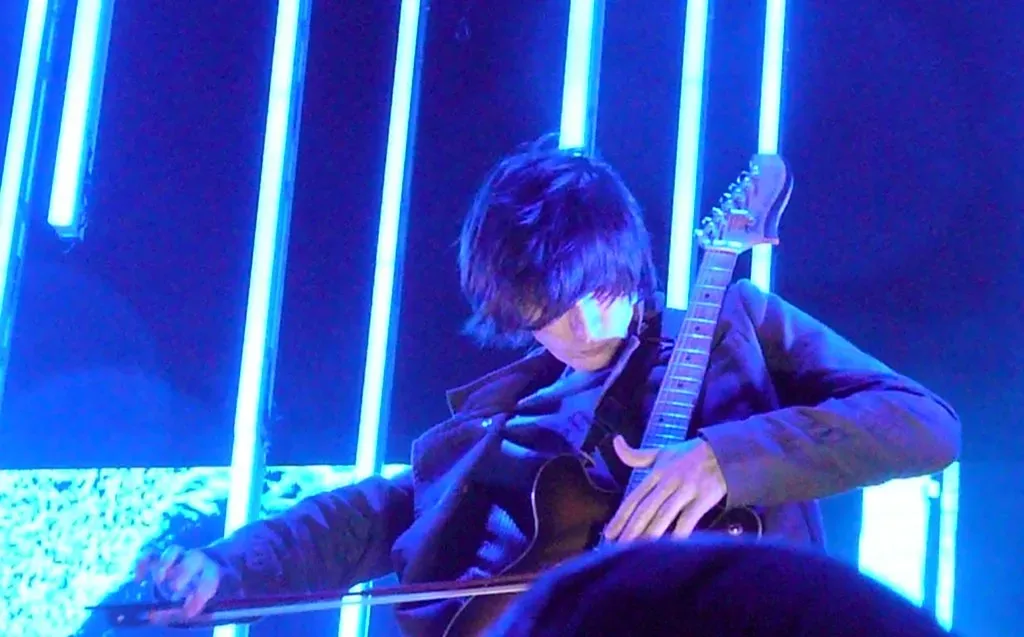
Before Radiohead became a rock band, Jonny Greenwood was a young musician who played viola and took the instrument seriously. He joined a local orchestra in his teens, and his string background is still central to his musical identity.
He later went on to write acclaimed film scores, including music for There Will Be Blood and Phantom Thread. Inside Radiohead, that training helped shape their orchestral textures on albums such as OK Computer and Kid A.