
There is a strange kind of magic that happens when a book and a journey collide. You land somewhere new, and suddenly a scene from a novel you read months ago leaps out from a cobblestone street, a crowded market, or a quiet mountain trail. Even with all the paradigm shifts in modern tourism, literature and narratives affect a deep psychic change in travelers. Books are one of the mechanisms for imagination, dreams, and desires. They have the ability to take the reader to another world – a form of vicarious travel in itself.
An online survey of 2,000 Brits confirmed what book lovers already know: nearly three quarters of those surveyed said a novel had inspired them to travel somewhere new. That is not a small number. The global literary tourism market already stands at well over two billion dollars in 2024, and it is projected to grow toward roughly three and a third billion dollars by 2034. So yes, books genuinely move people – literally. Let’s dive in.
1. “Eat, Pray, Love” by Elizabeth Gilbert – Italy, India, and Bali in One Suitcase
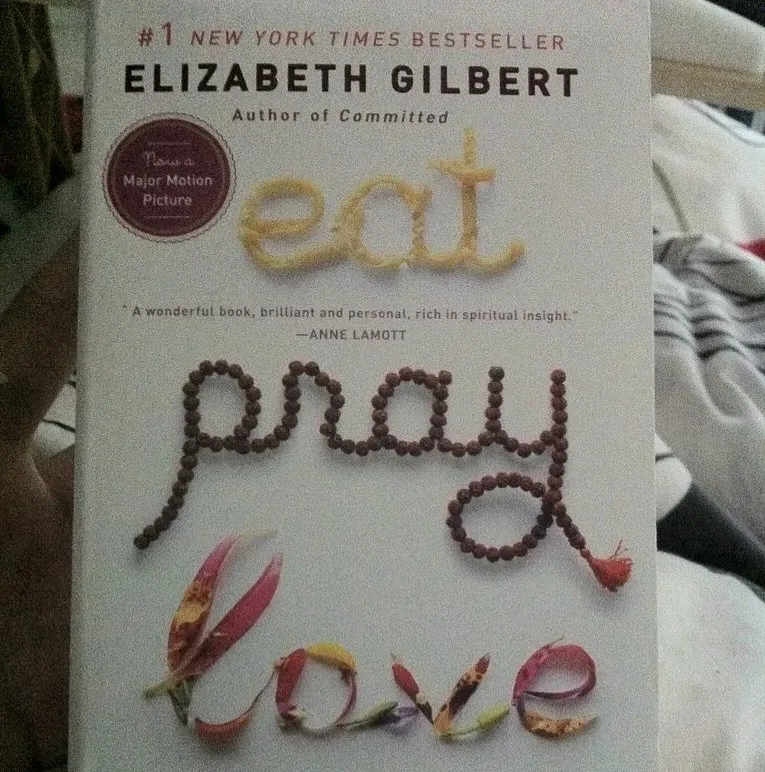
Honestly, few modern books have sent as many people packing their bags as this one. After a personal crisis, Gilbert embarks on a year-long solo voyage of self-discovery, indulging in the culinary delights of Italy, seeking spiritual solace in India, and finding love in Indonesia. Her honest and relatable narrative resonates with anyone yearning for change.
It follows her time spent in Italy feasting on pasta, then onto India where she discovers her spiritual side, before ending in Bali where she falls in love with a Brazilian businessman. Three countries, one woman, one very persuasive memoir. The result? Gilbert’s 2006 memoir served as an empowering siren call for solo female travelers the world over, and tour operators now offer a full 21-night version of the journey she described.
With roughly four out of five book buyers reading to “relax or escape,” it is no surprise that reading is a direct source of wanderlust, with books remaining an important travel companion for many. “Eat, Pray, Love” is perhaps the most visceral example of that connection. It teaches you that travel can be an act of healing, not just sightseeing.
2. “Shantaram” by Gregory David Roberts – Mumbai’s Soul in Nearly 1,000 Pages
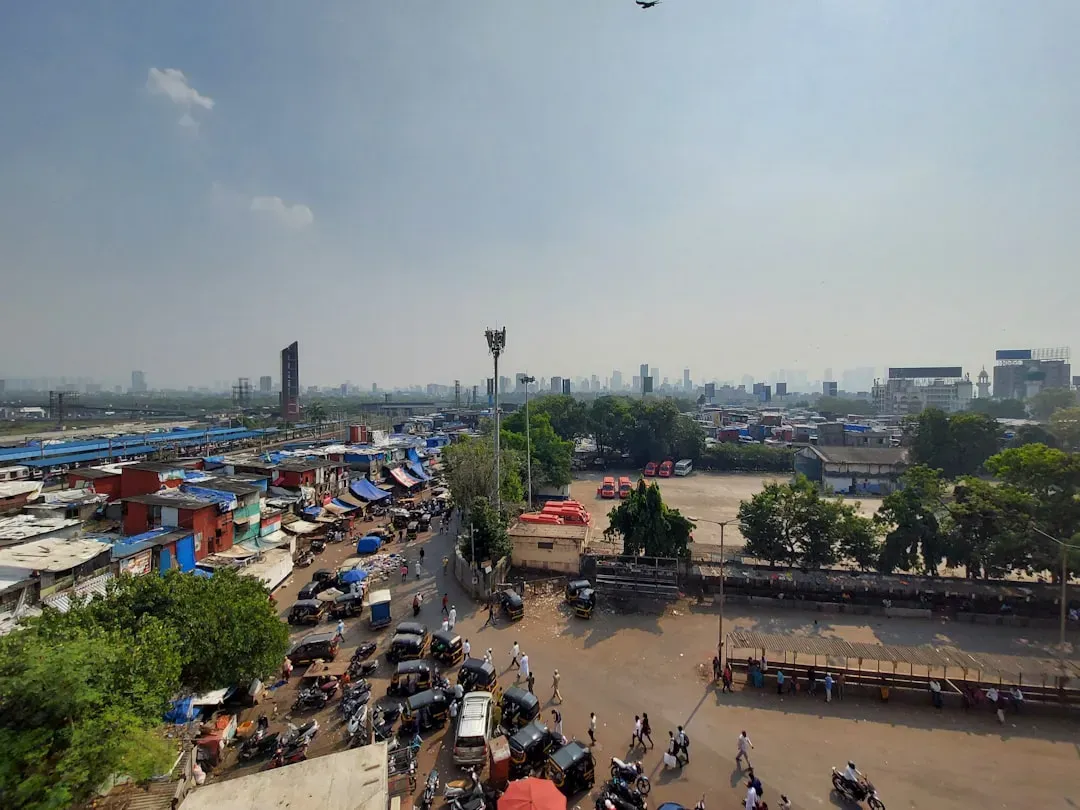
Few pieces of modern travel literature have captivated readers around the world quite like “Shantaram.” The part-truth, part-fiction novel tells the story of an Australian convict named Lin who escapes prison and ends up in Bombay, India. His journey is both poetic and chaotic as he learns about his new environment and surrounding culture while living in the slums. Roberts’ writing is breathtaking, and his descriptive style transports the reader directly into the heart of bustling Indian society.
Written by Gregory David Roberts, the story follows his true-life journey as an Australian fugitive who finds refuge in the slums of Mumbai. Gregory opens a clinic in the slums before slowly spiralling deep into the drug trade and behind bars in some of the world’s most inhumane prisons. The book is inspirational, exciting, and very well-written. At nearly 1,000 pages, you feel like you are along for the entire journey.
Readers who visit India after finishing it often seek out Leopold Cafe, a cafe extensively mentioned in the book, which was also bombed in the 2008 Mumbai attacks. That is the power of literary tourism. The pages stop being ink and start becoming actual geography.
3. “The Alchemist” by Paulo Coelho – The Journey IS the Destination
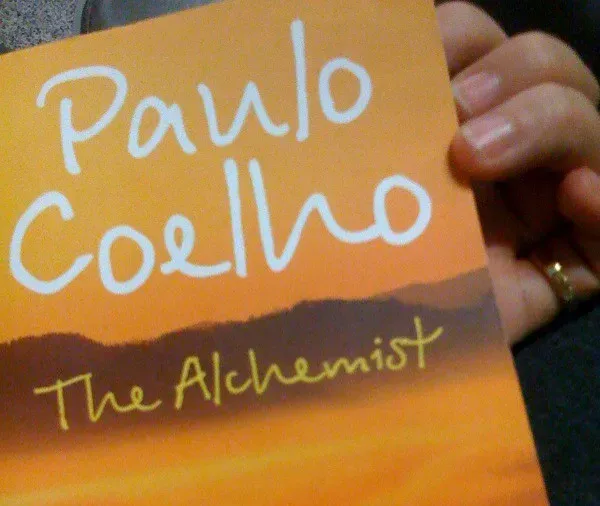
A modern classic that is said to change the lives of its readers forever, “The Alchemist” tells the tale of a young Andalusian shepherd who goes in search of worldly treasure. Except it is not diamonds and gold he discovers along the way, but important life lessons. He learns about listening to your heart, overcoming life’s challenges, and following your dreams. The Alchemist will stay with you long after reading.
Join Santiago, a shepherd boy, on his mystical journey from Spain to the Egyptian pyramids. This fable-like novel explores themes of self-discovery, following your dreams, and the interconnectedness of the universe. I know it sounds a little airy-fairy, but this book genuinely changes how you approach a trip. Suddenly you stop rushing toward the endpoint and start noticing what happens on the way there.
Think of it like this: most travelers obsess over the destination but ignore the actual hours of the journey. Coelho flips this on its head. Literary tourism taps into people’s emotional connection with literature – visiting the places that inspired authors and reading their works in their original settings can be a powerful source of inspiration and enrichment for travelers.
4. “On the Road” by Jack Kerouac – America Seen From the Passenger Seat
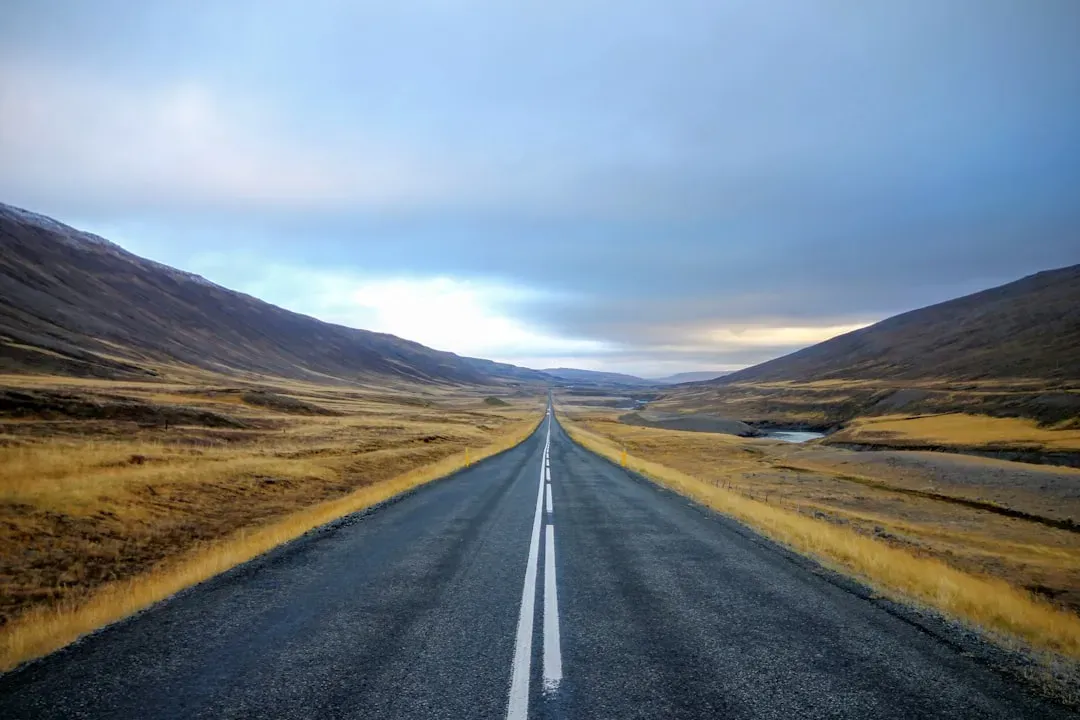
The classic travel novel follows Sal and his friend Dean Moriarty on their adventures west from New York and is based on the travels of Kerouac and his friends. The strange formatting is because it was typed out on a continuous reel of paper put through a typewriter during three weeks in April 1951. The novel makes lots of references to jazz culture and Americana and has been said to have influenced many artists including David Bowie, Jim Morrison, Bob Dylan, and Van Morrison.
This iconic beatnik novel captures the free-spirited essence of a road trip across America in the 1950s. Here’s the thing though – its influence stretches far beyond America. The novel essentially invented a template for restless travel: the idea that moving through space without a rigid plan is not reckless, it is enlightened. Generations of travelers have since packed a bag on impulse because Kerouac made them feel that the road itself was the point.
Being on the road begets introspection. Trapped in a cab or car for many hours, travel becomes something of a confessional booth, revealing our greatest fears, anxieties, sins, and regrets. Kerouac understood this profoundly, and his restless prose forces the reader to confront the same truths.
5. “Wild” by Cheryl Strayed – Hiking the Pacific Crest Trail Into a New Self

Wild by Cheryl Strayed follows the story of the author who, after losing her mother and dealing with the aftermath of a painful divorce, decides to hike the Pacific Crest Trail with no long-distance hiking experience. The book is expertly written as it flashes between her experience on the trail and her previous life stories that led to her beginning this expedition. Strayed’s story shares some similarities with Gilbert’s in Eat, Pray, Love, but Wild is arguably a more interesting read from a travel and hiking perspective.
An international chart-topper, Wild depicts Strayed’s journey with an overladen backpack starting in the dusty Mojave Desert and trekking across the wide stretch of California and Oregon to end up in Washington State. Subsequently made into a huge Hollywood film starring Reese Witherspoon, Wild is the perfect book for anyone thinking of exploring the wide expanse of the United States.
Partner offer
What “Wild” changes in a traveler is the threshold of difficulty they are willing to accept. It makes you genuinely curious about your own limits. It also makes the American wilderness feel not like a postcard, but like a living, breathing adversary that you want to meet in person.
6. “The Remains of the Day” by Kazuo Ishiguro – England, Regret, and the Road Between

Stevens, a butler who has given his life to service at Darlington Hall, receives a letter from Miss Kenton, a housekeeper with whom he was in love when they worked together in the 1930s. Stevens borrows his new employer’s car and sets out on a “motoring trip” to pay Miss Kenton a visit after nearly 15 years of silence.
This novel is not typically thought of as a road trip novel because much of its plot is revealed in flashbacks. Yet because the flashbacks occur on the road, Ishiguro is trying to tell us something. Being on the road begets introspection. This is, I think, the most underrated travel insight in all of literature. Travel does not just move your body. It excavates your mind.
Reading this before visiting the English countryside transforms the experience completely. Whenever you travel for work or pleasure, reading local literature and travel writing about that place gives a different insight into the culture and history of the places you are experiencing. Ishiguro’s England is melancholy and magnificent all at once, and it makes you see every hedgerow and country house in a completely new light.
7. “My Brilliant Friend” by Elena Ferrante – Naples Through the Eyes of Friendship
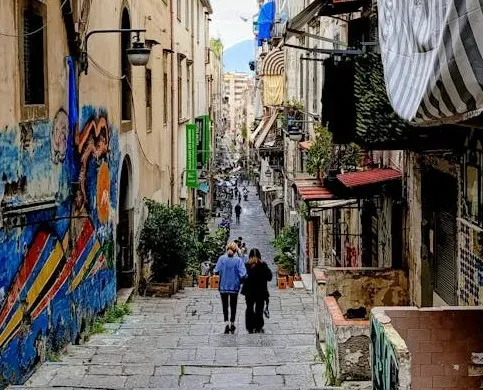
Hotels have jumped on this book’s bandwagon, offering to guide clients through Elena Ferrante’s Italy in honor of “My Brilliant Friend.” The four novels in this series have become a literary phenomenon, inspiring travelers to experience the working-class neighborhoods where Lila and Elena met and came of age. Ferrante fans will revel in old-world Naples, wandering streets and passing by fruit carts and cobblers that bring back the tense drama of their ill-fated friendship.
Let’s be real – most people visit Naples for the pizza. But “My Brilliant Friend” gives you something richer: a lens through which the city’s contradictions, beauty, and violence all suddenly make sense. Literary tourism – travel inspired by books – is becoming more popular, galvanized by the resurgence of book clubs, literary festivals, and bookish celebrations coupled with the continued desire for post-pandemic connection.
Ferrante’s Naples is not a tourist attraction. It is a living argument. The neighborhood bristles with ambition and claustrophobia, and once you have read about it, you cannot walk through any Italian working-class district without feeling that energy pulse beneath the surface. It is transformative in the quietest possible way.
8. “The Kite Runner” by Khaled Hosseini – Afghanistan Beyond the Headlines

This beautiful travel novel offers a moving insight into Afghan life during the Taliban regime. Most travelers who have never visited Central Asia carry only the images delivered by news broadcasts: conflict, rubble, politics. Hosseini dismantles that in a few hundred pages. He replaces the abstract with the achingly specific: a kite-flying competition in Kabul, the smell of pomegranates in a garden, two boys laughing together across a social divide.
Great literature challenges you to look at your preconceptions of the world and widen your thinking. Books like this do just that. They take topics that are glossed over in mainstream travel narrative and add a very real element to the struggles the world’s peoples face. That is precisely what “The Kite Runner” accomplishes.
The novel does not make you want to book a flight to Kabul. It does something far more powerful. It makes you question the entire framework through which you perceive distant places and distant lives. Industry surveys reveal that up to roughly half of UK travelers now consider reading and learning potential when selecting destinations, driven largely by Millennials who view travel as a form of self-investment. “The Kite Runner” is exactly why.
9. “The New Tourist” by Paige McClanahan – A Guidebook for the Conscious Traveler
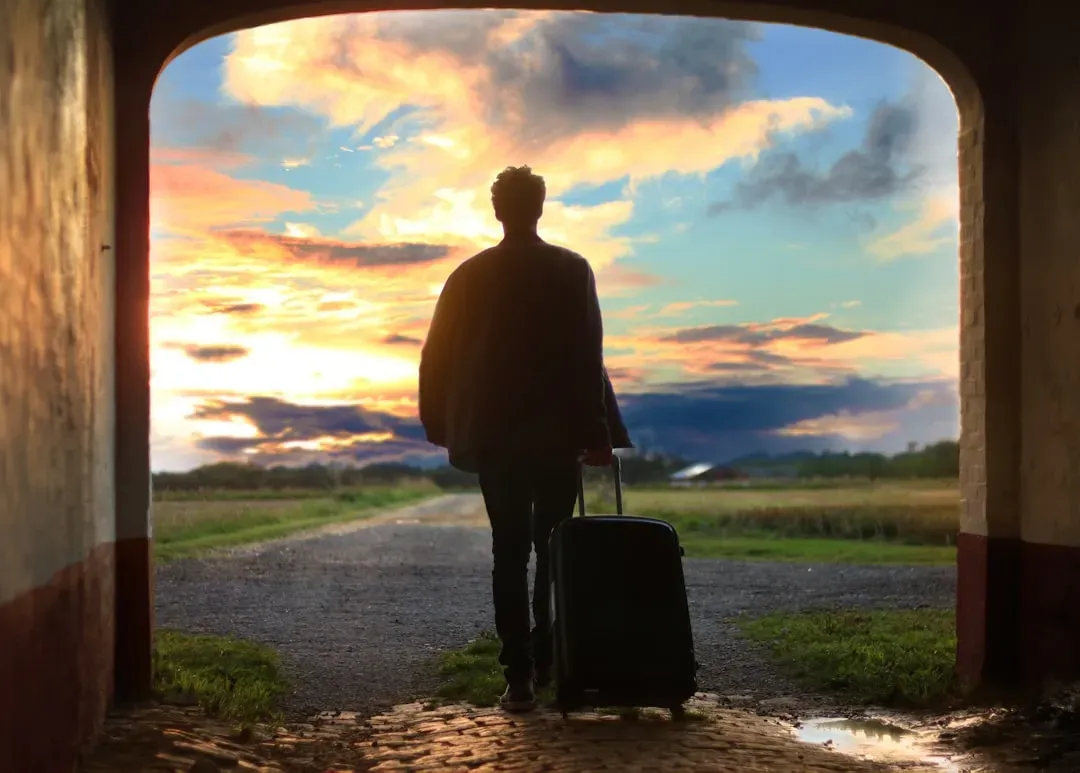
From the rise of comprehensive travel guidebooks such as Lonely Planet’s in the 1970s to the impact of tourism on traditional cultures and local environments, “The New Tourist” addresses the many ways travel – as well as travelers – have changed over the last several decades. This one is different from the rest of this list. It is not a novel with a protagonist to root for. It is, honestly, a kind of mirror held up to every traveler in 2026.
McClanahan sees the “old tourist” as someone who pays no attention to the effects they are having on a place where they travel, whereas a “new tourist” is more mindful, moving through the world sustainably by weighing the positive and negative impacts their presence brings, and using this information to gauge their decisions. That framing – simple as it sounds – changes everything about how you pack a bag.
McClanahan’s writing takes us from over-touristed cities like Barcelona, where anti-tourism protesters made international headlines, to solution-oriented states like Kerala, India. Travel inspired by the written word is experiencing a surge in interest, and a new generation of celebrity book clubs, literary festivals, and the rise of BookTok show that reading is deeply in – and the travel industry is taking note. This book is the one that bridges the gap between loving travel and traveling responsibly.
Conclusion: The Book You Pack Changes the Trip You Take

There is a reason travelers are increasingly choosing their destinations based on what they have read rather than what they have seen on a screen. Travel can bring us from the far-flung corners of the planet to a tiny little perch right in our own backyard. It might inspire and enlighten us, awaken emotions inside us that we never knew existed, and even introduce us to entirely new ways of seeing the planet and our place within it.
The essence of literary tourism lies in how place breathes life into narrative. Reading a novel set in a locale you can walk through imbues the words with tangible context, enriching understanding and appreciation. Each of these nine novels does that in a completely different way, whether it is through grief, adventure, philosophy, or raw cultural confrontation.
The best travel is never just geographical. It is internal. These books do not just show you places – they rewire how you experience them. Which of these nine is already sitting on your shelf, and which one are you adding tonight?
Partner offer
Planning a trip to Vegas?
Compare hotel rates and show tickets on VEGAS.com.