Plenty of movies that families now watch every December had a rough start. They opened to thin crowds, mixed reviews, or both, and studios quietly wrote them off. Then television gave them a second life.
The pattern is more common than you might expect, and it usually comes down to a handful of repeatable causes. Here are nine of them, each tied to a well-documented example.
1. Bad Release Timing Buried the Film
It’s a Wonderful Life arrived in late 1946 and did not earn back its cost. Frank Capra’s film had a large budget for its time, and its box office return fell short of what the studio needed. The film was also released during a crowded awards season.
Its theatrical run left little sign of what was coming. Decades later, the same story became one of the most recognizable holiday titles in America. Timing hurt it at first, and repetition helped it later.
2. Copyright Lapses Opened the Door to Constant Airings

It’s a Wonderful Life is also the classic example of a legal accident helping a film. Its copyright was not renewed in the mid 1970s, which meant television stations could broadcast it without paying the usual licensing fees. Stations took advantage, and it aired again and again during the holidays.
That constant exposure made it a tradition. Rights were later reasserted through other legal arguments, but by then the habit was set. Free and frequent airings did what marketing never could.
3. Weak Marketing Failed to Explain the Movie

Some films flop because audiences never understood what they were. The Nightmare Before Christmas opened in 1993 with a modest, steady performance, and Disney released it under its Touchstone label because executives worried it was too dark for children. That choice shaped how it was sold.
Over time, the film grew far beyond that first rollout. It was re-released in theaters in later years, and it became a seasonal favorite for Halloween and Christmas alike. A film that was hard to pitch turned out to be easy to love.
4. Adult Critics and Family Audiences Disagreed

Elf is a lighter case, but Christmas comedies often split critics from viewers. Reviews of films like Jingle All the Way were harsh, and yet the film kept finding new audiences on television. Critics judge a movie once, while families watch it repeatedly.
A movie doesn’t have to be admired to be rewatchable. Simple jokes, bright visuals, and familiar stars hold up well in a living room. That’s often enough to keep a title in the rotation.
Partner offer
5. Competition Overshadowed It on Opening Weekend
Release calendars are crowded in November and December. The Muppet Christmas Carol came out in 1992 and earned a modest amount compared with the bigger holiday releases around it. It was not a blockbuster, and it was easy to overlook.
Home video and television changed that. Viewers who skipped it in theaters caught up later, and it became a regular holiday pick. Missing the spotlight once didn’t stop it from reaching people later.
6. The Tone Was Ahead of or Out of Step With the Moment

Some films were simply strange for their year. Die Hard is often argued about as a Christmas film, and it was a hit, but other offbeat titles like Gremlins and Scrooged ran into mixed reception. Scrooged, released in 1988, was a solid earner yet fell short of expectations for its cost and star power.
Its dark humor aged into charm. Television audiences were more forgiving of its edges than opening weekend crowds had been. A tone that confuses viewers one year can feel distinctive the next.
7. Home Video and Cable Gave Films a Second Market

The rise of VHS, then cable, changed how a movie’s success was measured. Home viewing let people watch titles they had skipped, and networks needed programming to fill the holiday schedule. Older films were cheap and dependable to air.
The Santa Clause and similar family films benefited from this ecosystem, as did lesser known titles. Cable channels built whole holiday programming blocks around them. A flop in theaters could still become a profitable library asset.
8. Nostalgia Builds Quietly Over the Years
Children who watched a film on television grow up and share it with their own kids. That cycle keeps a movie alive long after its box office has been forgotten. It rarely happens quickly, but it does happen reliably.
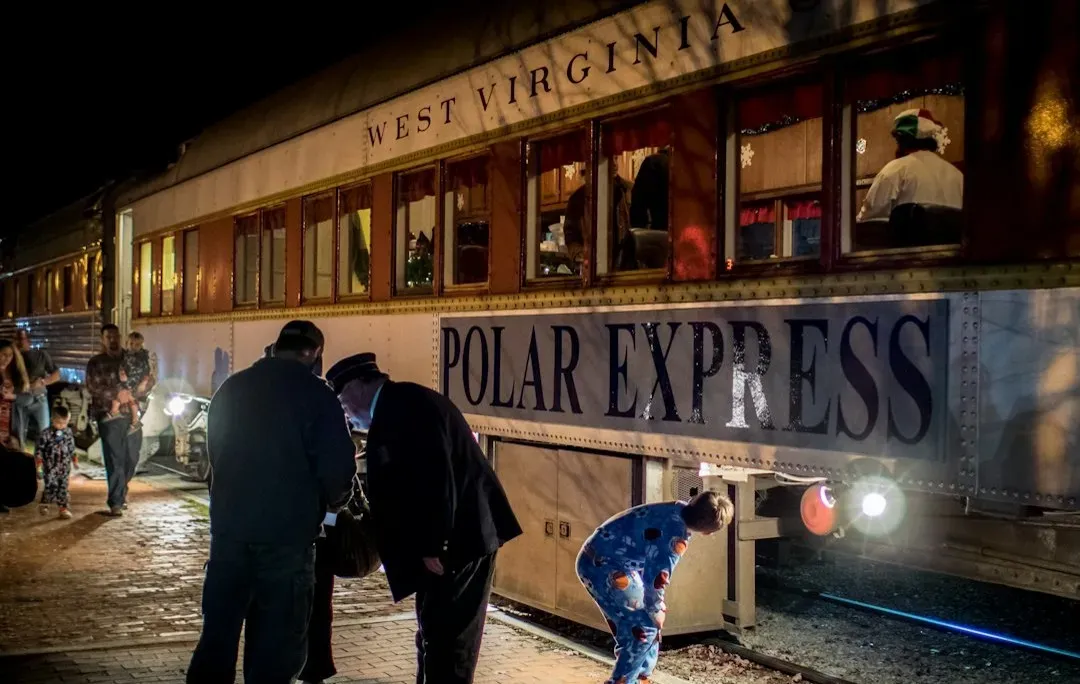
The Polar Express is a recent example of a film with a large budget that did not clearly profit in its first run, yet it is now a seasonal staple. Its annual presence on screens and in special theatrical showings has helped it endure. Familiarity turns into affection.
9. Network Scheduling Turned Movies Into Rituals
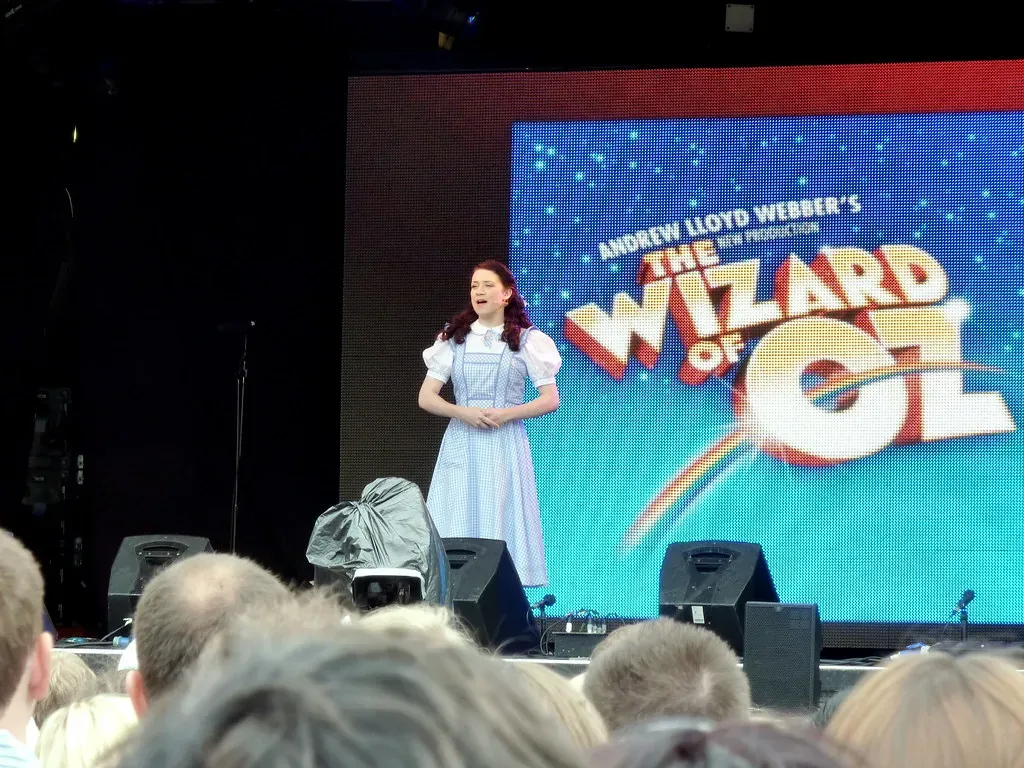
Television has long shaped traditions by scheduling the same film at the same time each year. When The Wizard of Oz was first released in 1939, it did not make a profit initially, and annual television broadcasts later made it a cultural fixture. The network event approach worked for it, and it worked for holiday titles too.
Streaming now continues that habit with seasonal collections and marathon weekends. Viewers return to the same films because they are easy to find and comfortable to watch. A scheduling slot can do what a premiere never managed.
Partner offer
Planning a trip to Vegas?
Compare hotel rates and show tickets on VEGAS.com.