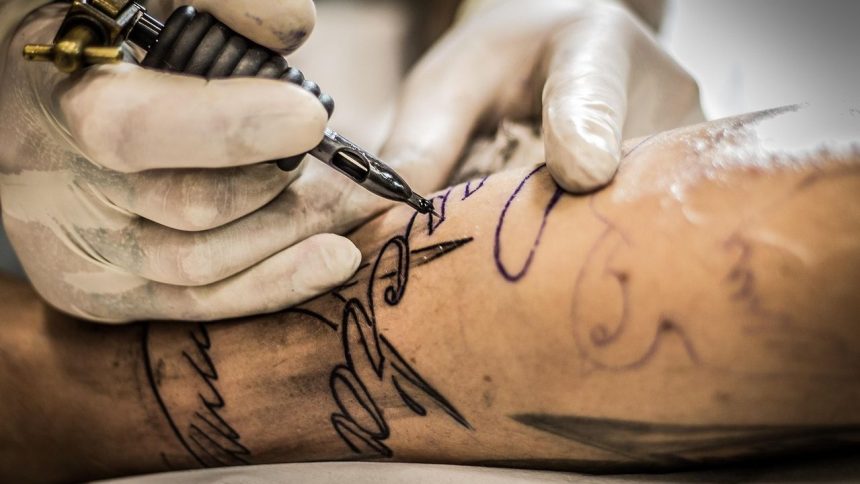
Tattoos have carried weight long before they became a fixture of modern culture. For sailors hauling rigging across storm-tossed seas, for soldiers steeling themselves before battle, and for survivors marked against their will, ink on skin was rarely decorative. It was a record, a talisman, or a scar with meaning compressed into a few square inches of flesh.
The deeper you look at these old tattoos, the stranger and more human they become. Each one holds a story that, stripped of its context, looks like simple art. With context, it becomes something far more layered. Here are five of those hidden stories.
The Swallow That Kept Count of Miles and the Dead
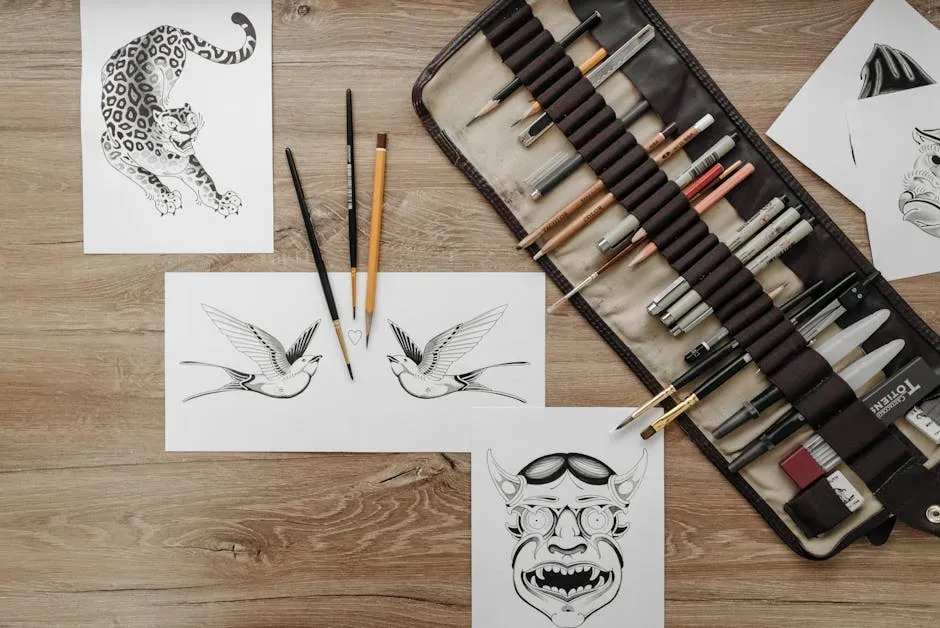
Swallow tattoos are among the most popular in the Navy, and for good reason: each swallow represents five thousand nautical miles in a sailor’s career. That number wasn’t symbolic in a vague sense. It was a measurable, earned credential, the ink equivalent of a service badge. A sailor who had one or two swallows tattooed had likely sailed that distance, a mark of experience and endurance.
There was a darker layer too. Swallows also symbolized loyalty and freedom, and in sailor lore they were said to carry the souls of drowned sailors to heaven, offering protection in the afterlife. A swallow with a dagger was specifically used as a memorial for a lost comrade at sea. So the same bird, depending on how it was drawn, could stand for either miles traveled or a life mourned. That’s the kind of double meaning old tattoos carried quietly.
The “Hold Fast” Knuckle Tattoo That Was Literally Lifesaving
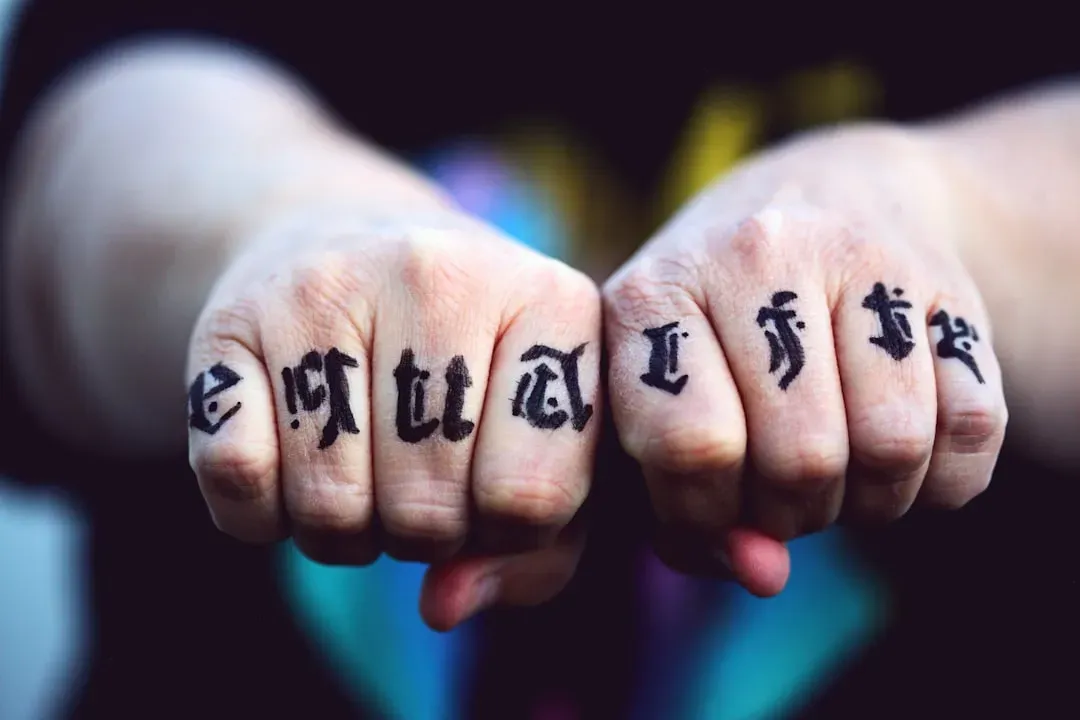
One of the oldest examples of nautical tattooing dates back to the sixteenth century. “Hold Fast” was a charm spelled across the knuckles, a reminder to sailors to maintain their grip on the rigging and stay strong during rough seas. This wasn’t poetry. Losing your grip on the lines during a gale could mean falling from the mast and dying. The phrase across the knuckles was described in 1911 as something worn by English sailors since the words were first coined, to prevent falling from the masts or rigging.
These words were spelled out on the four front-facing fingers of each hand. Sailors hoped it brought them good luck while gripping the rigging. Holding fast meant the sailor wasn’t going to let the line go, no matter what. It’s a rare example of a tattoo that was, in the most direct possible sense, meant to help you survive the next five minutes of your job.
The Fully Rigged Ship and the Cape Horn Brotherhood
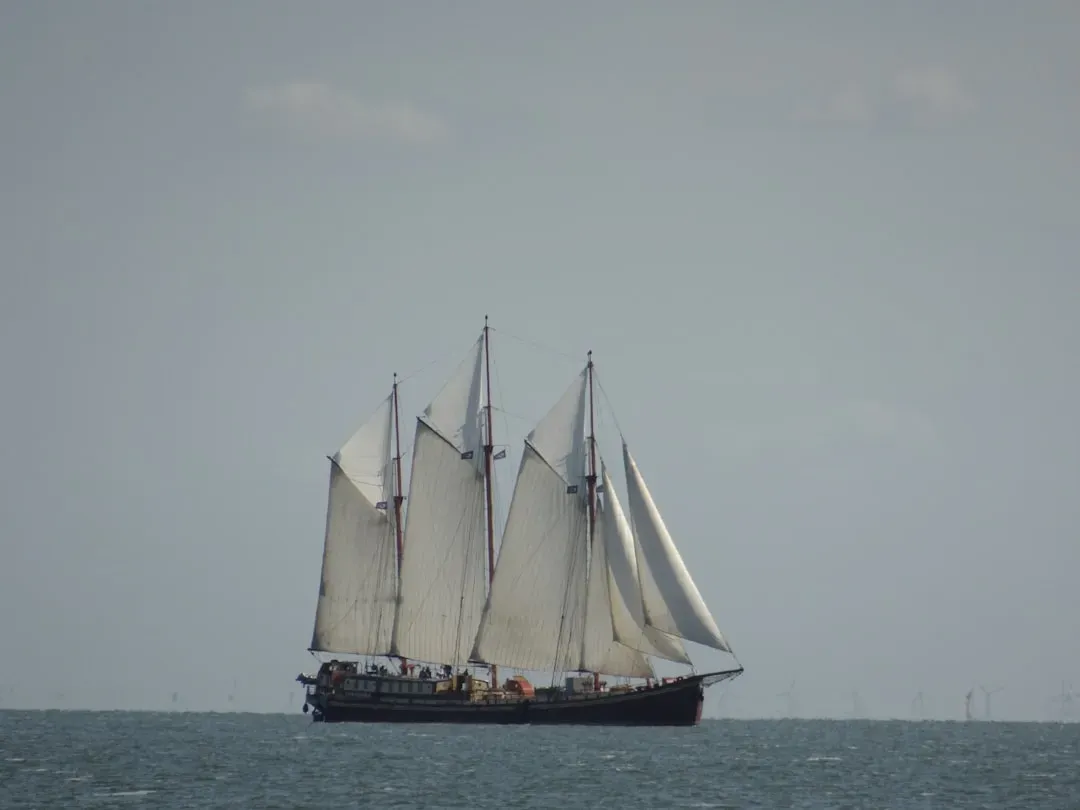
A tattoo of a fully rigged ship from the age of sail meant the sailor had been around Cape Horn, the rough and stormy waters around the southern tip of South America. A fully rigged ship is one with three or more masts, square sails fully deployed. Rounding the Horn was one of the most feared passages a sailor could make. Strong westerly winds, rogue waves, and near-freezing temperatures made it a brutal and genuinely deadly crossing. Travel around the Horn was icy, stormy, and often dangerous.
Partner offer
The sailing ship is one of the most powerful symbols in classic sailor tattoo tradition. For sailors, a ship wasn’t just a means of travel. It was home, livelihood, and survival. So wearing a fully rigged ship on your skin said something specific to anyone who understood the code: this person has been through something most sailors never attempt. It was a credential recognized instantly by peers, without a word exchanged.
The “Rose of No Man’s Land”: A Soldier’s Tribute to the Women Who Saved Them
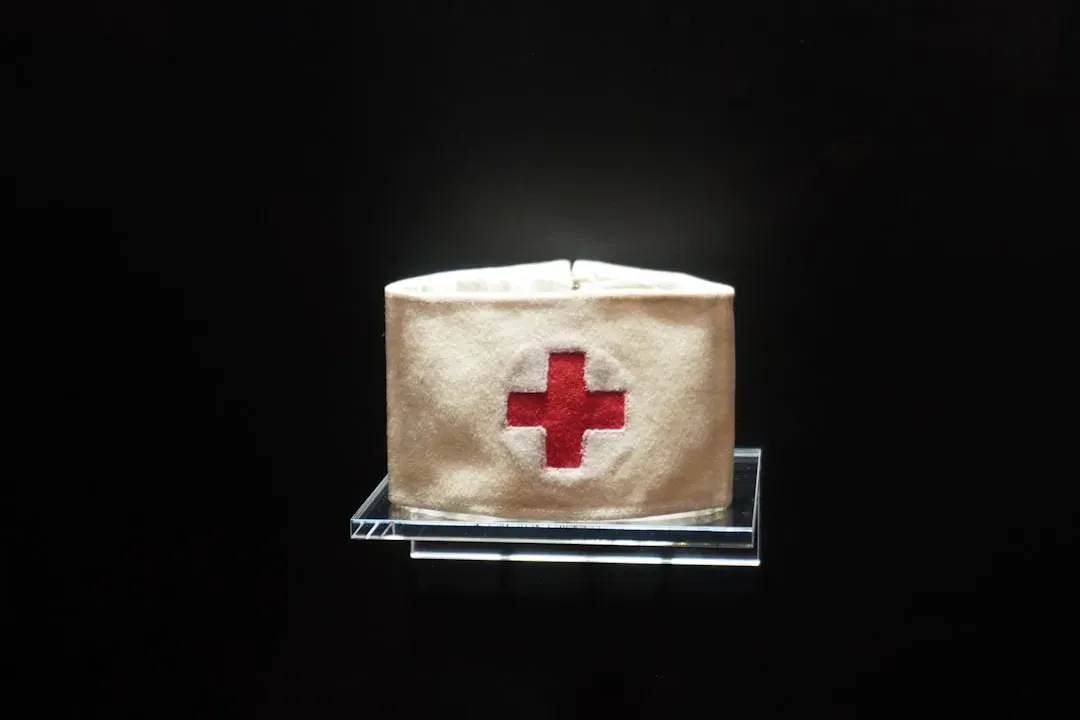
This timeless motif originates from a once popular song written in honor of the Red Cross nurses who volunteered to serve on the front lines during the First World War. The design, a woman’s face set within a rose, carrying the Red Cross emblem on her cap, became a tattoo staple that appeared in the sketchbooks of early artists like Gus Wagner and Norman “Sailor Jerry” Collins. Soldiers felt so indebted, so eternally grateful to these nurses, that they had them immortalized on their bodies. It became a talisman for both their time spent in combat and for the courageous women who kept them alive to live out their days in peacetime.
The “Rose of No Man’s Land” was meant to thank the field nurses who were saving lives during military service, because it took tremendous courage for them to be where they were and to care for servicemen who were losing limbs and suffering from blast injuries. The design honors the appreciation felt toward those female nurses who became the rescuers of so many servicemen. It became a staple among soldiers to memorialize these nurses who were viewed as saviors, and it has continued to be popular as a symbol of appreciation for caregivers around the world. The tattoo was as much about grief and gratitude as it was about war itself.
The Auschwitz Number: A Tattoo Forced on Survivors, Now Reclaimed by Their Descendants
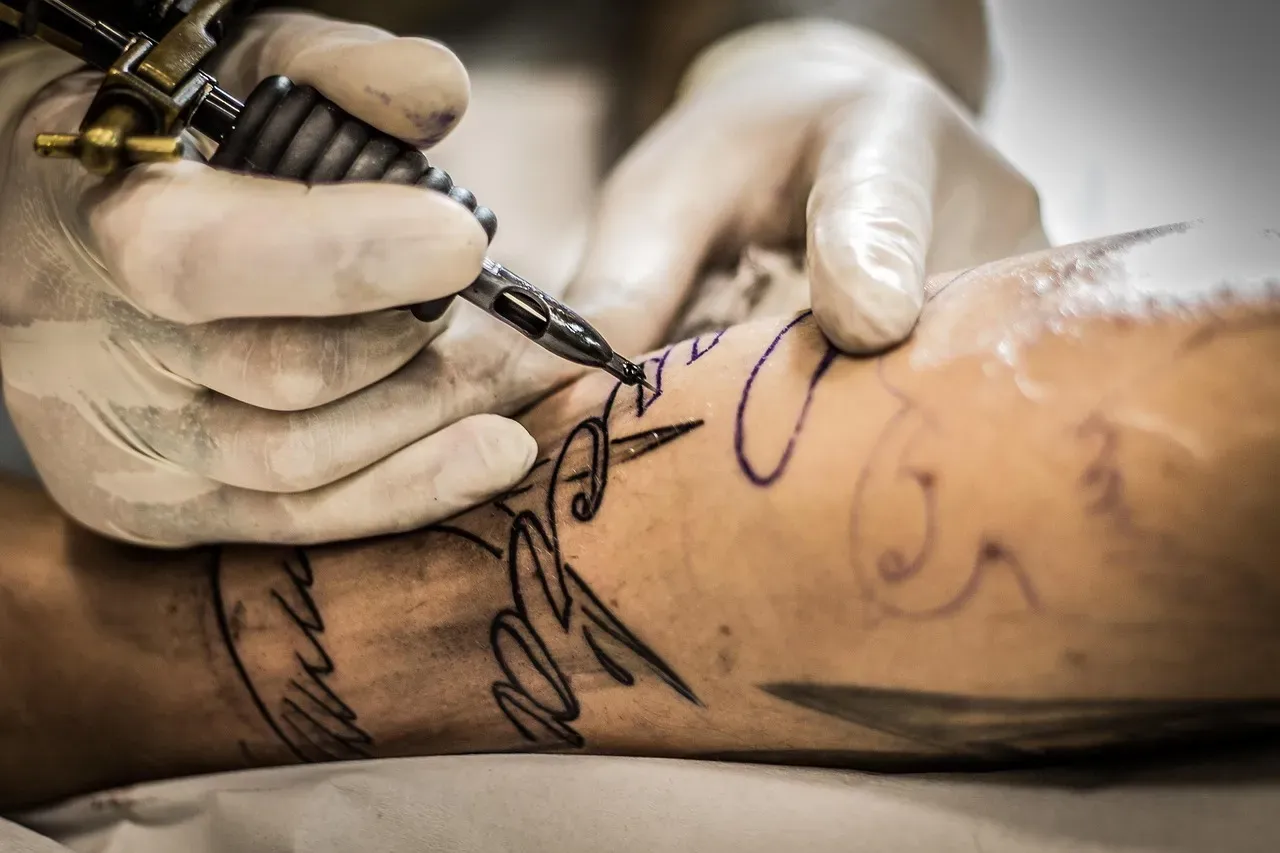
No story in this list carries more weight. During the Holocaust, concentration camp prisoners received tattoos only at one location: the Auschwitz concentration camp complex. Only those prisoners selected for work were issued serial numbers. Those sent directly to the gas chambers were not registered and received no tattoos. The numbers began as a logistical solution to the camp’s horrific death rate. The SS camp leaders faced the problem of identifying corpses after clothing showing registration numbers had been quickly removed for reuse. The tattoo became a way to assist in identifying the victims.
The Nazi practice of tattooing numbers on inmates dehumanized the bearer by taking away their identity. Serial number tattoos were first introduced for prisoners in the Auschwitz concentration camp complex in October 1941. More than four hundred thousand people would be tattooed there. In recent decades, something remarkable has happened with those numbers. Replicating the Auschwitz tattoo has become an expression of love felt toward the survivor relative and a way of keeping the memory of the Holocaust alive, as well as an act of reclaiming a painful family history. For some, it is also about connections to a collective identity. What was designed to erase a person’s name has, for a new generation, become the most personal memorial imaginable.
Old tattoos are compressed history. They asked nothing of the people who saw them but rewarded anyone curious enough to ask why. Sailors documented their miles and mourned their dead in ink. Soldiers carried gratitude and dread on their skin. Survivors bore marks that were forced on them, marks that later generations have chosen to carry forward as acts of love. The needle and pigment haven’t changed much over the centuries. What people put into them never really has either.
Partner offer
Planning a trip to Vegas?
Compare hotel rates and show tickets on VEGAS.com.