There’s a particular kind of frustration that comes not from a bad show ending, but from a great one getting cut off mid-stride. Networks and streaming platforms have done this repeatedly over the decades, axing series that were critically acclaimed, creatively firing on all cylinders, and building passionate audiences that showed no signs of leaving. The wound tends to stay open longer than anyone expects.
Some of these cancellations sparked fan campaigns, petition drives, and viral hashtag movements. Others just left a quiet ache that doesn’t fully go away, no matter how much time passes. Here are nine shows that were cancelled at or near their creative peak, and why fans are still carrying a grudge.
1. Firefly (Fox, 2002)
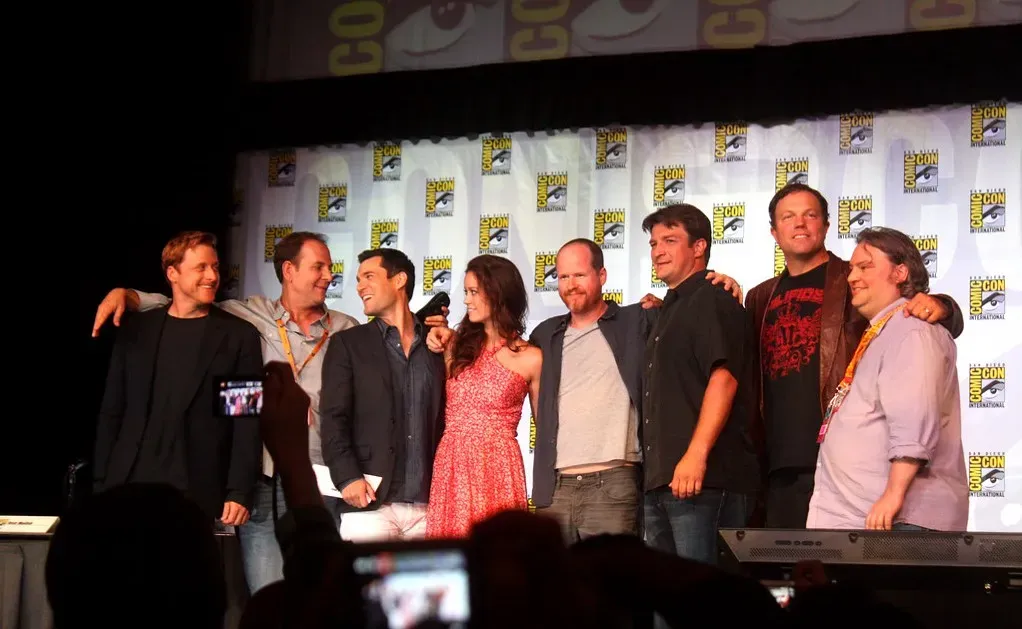
The cancellation of Joss Whedon’s Firefly cuts deeper than disappointment. Fox aired the episodes out of order, starting with the second episode instead of the pilot, barely promoted it, and stuck it in the infamous Friday night death slot. It was cancelled after only 11 of the 14 produced episodes aired, yet despite that short run, it received strong DVD sales and generated large fan support campaigns.
Firefly generated a loyal base of fans during its three-month original broadcast run. These fans, who called themselves Browncoats, used online forums to organize and try to save the series, raising money for an ad in Variety magazine and launching a postcard writing campaign to UPN. As recently as March 2026, star Nathan Fillion confirmed that an animated series was in development, with animation by ShadowMachine, proving the fandom never truly went quiet.
2. Freaks and Geeks (NBC, 2000)

Set in Detroit’s fictional William McKinley High School between 1980 and 1981, Freaks and Geeks only aired for one season before being cancelled by NBC. Developed by comedy legend Judd Apatow, and starring the likes of Linda Cardellini, Seth Rogen, James Franco, and Jason Segel, the show embraced growing pains and real-life situations in a hilarious and relatable fashion, achieving universal acclaim.
Only 15 of its 18 episodes aired before NBC cancelled the series. In the 25 years since its cancellation, Freaks and Geeks has become a cult classic, lauded as one of the greatest shows of all time. Differences between the creative team and NBC, along with poor marketing, helped dig its grave despite its popularity among viewers.
3. Deadwood (HBO, 2006)
Widely considered one of HBO’s finest and most underrated dramas, Deadwood was praised for its layered writing, gritty realism, and extraordinary performances. The show accumulated critical acclaim, setting new standards for prestige television with its intricate character work and Shakespearean profanity. Fans expected it would run long enough to fully explore the political transformation of the frontier.
Instead, HBO cancelled the series after just three seasons. Deadwood found a second life as its 2019 follow-up film, released over a decade after the show’s cancellation, providing some long-awaited narrative closure. A movie wrapping things up is better than nothing, but it’s a thin consolation for what could have been a fully realized final season on its own terms.
4. Pushing Daisies (ABC, 2008)
A whimsical blend of romance, fantasy, and crime-solving mystery, Pushing Daisies stood out as one of the most imaginative shows of its time. Its vivid aesthetic, clever writing, and endearing cast earned it critical acclaim and a devoted cult following. The show was critically acclaimed and won seven Emmys.
The 2007 to 2008 writers’ strike halted production and disrupted the show’s momentum, ultimately leading to its cancellation after just two seasons. Its originality made the loss sting even more, leaving fans longing for the fairy-tale world cut short far too soon. Its fairy tale charm and unresolved plots have left fans wishing for a revival or conclusion ever since.
5. Hannibal (NBC, 2015)

Based on the original novels by Thomas Harris, Hannibal first debuted on NBC in 2013. The show was highly praised during its run, but it was ultimately cancelled by the network after three seasons, airing its series finale in 2015. Even more than a decade later, fans are still hoping that the series will be brought back for a fourth season.
All three seasons received strong acclaim by critics, with the second and third seasons in particular earning near-perfect approval ratings of 98 percent each on Rotten Tomatoes. Critics and fans have even labelled Hannibal as one of the best horror shows of all time, especially among those to have aired on network television. Even with this kind of praise, the ratings were not in line with what NBC executives were wanting to see. All three seasons are now streaming on Netflix as of June 27, 2026, reigniting calls for a revival all over again.
6. Sense8 (Netflix, 2017)
The Wachowskis’ sultry sci-fi drama, which followed eight strangers from around the world who discover they’re inextricably linked, ran for two seasons before Netflix cut the show in June 2017. According to Netflix executive Ted Sarandos, the series was cancelled due to its extremely high production costs, as shooting on location across eight different cities proved unsustainable.
Sense8 fans were quite displeased with the news, many creating online petitions and flooding social media platforms with their #RenewSense8 campaign. The response was forceful enough that Netflix acknowledged it publicly, though the decision stood. It would have been far better for the series to go out on its own terms rather than ending on a cliffhanger with a finale that was truly not meant to be a finale.
7. The Dark Crystal: Age of Resistance (Netflix, 2020)
Through stunning puppetry and visual effects, a star-studded voice cast, and an engrossing story filled with political machinations and fantasy world-building, Age of Resistance told a thrilling tale of how three Gelflings ignited a rebellion against their Skeksis overlords. The show earned an 89 percent critical score and a 94 percent audience score on Rotten Tomatoes, and won an Emmy Award for Outstanding Children’s Program.
Netflix cancelled Age of Resistance in 2020, likely due to the show’s high production costs and the challenges created by the Covid-19 pandemic. Even though it brought Netflix a genuine hit with mainstream accolades, the numbers seemingly didn’t make enough sense to justify a second season. The budget would have always been a problem, especially if Netflix allowed the Henson Company to continue making the show with painstaking practical puppetry.
8. Mindhunter (Netflix, 2019 onward)
Exploring the founding of the FBI’s Behavioral Science Unit and the beginning of criminal profiling in the 1970s, Mindhunter saw Jonathan Groff, Holt McCallany, and Anna Torv deliver some of the performances of their careers. Its first season was a slow burn, but its cinematic visuals and meticulous attention to detail played off a rise in demand for true crime stories, and its second season expanded on the show’s rich concept and intricate character development, receiving critical acclaim.
With David Fincher’s involvement, the series earned praise for its chilling atmosphere, meticulous direction, and deeply unsettling look into the human mind. Fans expected the series to continue expanding its scope, especially with the ongoing teases involving the BTK killer. Instead of a formal cancellation, Netflix quietly released the cast from their contracts while Fincher acknowledged how the show was simply too expensive to continue. As a result, Mindhunter ended abruptly, leaving viewers without answers to its slow-burn mysteries.
9. Futurama (Fox, 2003)
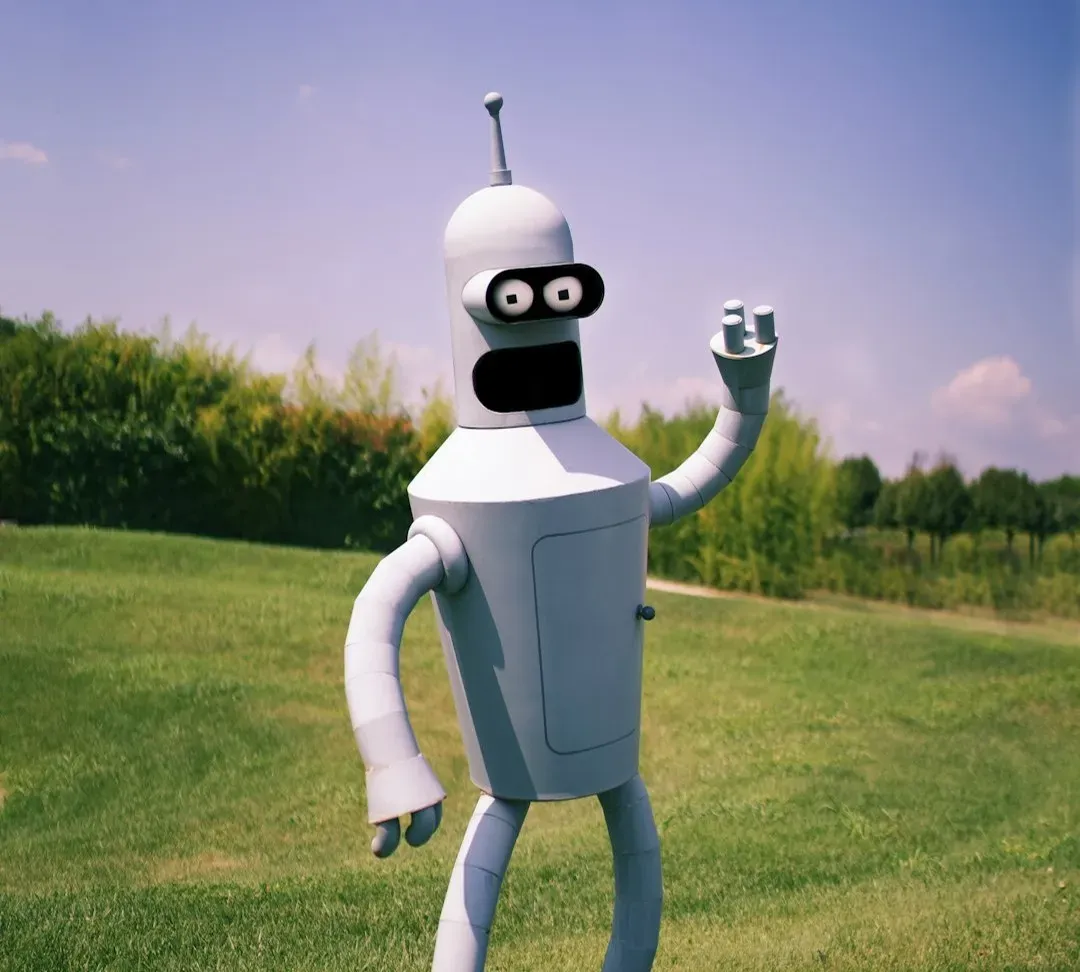
Before its multiple revivals, Futurama was a victim of Fox’s infamous scheduling decisions. Matt Groening’s sci-fi follow-up to The Simpsons was brilliant, nerdy, and had a surprising amount of heart. Fox constantly preempted it for sports, aired episodes out of order, and relegated it to a graveyard time slot, which obviously led to low ratings.
The cancellation was infuriating because the show had found a massive, loyal audience through DVD sales and reruns on Adult Swim, an audience Fox never bothered to cultivate. There was still enormous demand for the program, and Cartoon Network had great success airing reruns. Comedy Central even had four straight-to-DVD movies made, which were later turned into a season of their own. Two more seasons were made by Comedy Central before the show was once again axed. It was revived again in 2022 by Hulu. Few shows have been killed and resurrected this many times, which says everything about how stubbornly fans refused to let it go.
What ties all nine of these cases together is not just anger, but a specific kind of grief that comes from unfinished stories. Networks and streamers will always make decisions based on economics. That’s not going away. What fans keep reminding us, with every petition and hashtag and rewatched episode, is that some creative worlds deserve more than a balance sheet.