The 1990s produced some of the most celebrated films in cinema history. Pulp Fiction, Goodfellas, The Silence of the Lambs – these titles have been analyzed, ranked, and debated endlessly. Yet for every film that entered the cultural canon, several equally worthy ones quietly slipped through the cracks. The decade was remarkable for film, seeing an indie cinema boom as independent studios took off and flourished, and the emergence of the Sundance Film Festival became a portal for risk-taking, character-driven films. There were so many hidden gems in this decade that a good number of them have, sadly, been lost to time. These are ten of the best.
Dark City (1998)

Dark City premiered in the United States on February 27, 1998, and received generally positive critiques. Roger Ebert, in particular, supported the film, appreciating its art direction, set design, cinematography, special effects, and imagination, and even recorded an audio commentary for the film’s home video release. Film critic Roger Ebert cited it as the best film of 1998, and in 2005 he included it on his “Great Movies” list.
The Matrix, which was released one year after Dark City, was also filmed at Fox Studios in Sydney and even used some of Dark City’s sets. Comparisons between the two films have noted similarities in cinematography, atmosphere, and plot. There were tons of excellent sci-fi movies released throughout the 90s, and while most people went to see Keanu Reeves battling robots in The Matrix, far fewer even knew Dark City was a thing – somewhat ironic, as The Matrix reused some of Dark City’s sets and was directly influenced by it.
Barton Fink (1991)

The Coen Brothers’ fourth film won several prizes at the Cannes Film Festival in 1991, including Best Actor for John Turturro, Best Director for Joel Coen, and the festival’s Palme d’Or – the first time in Cannes history these three awards were given to the same film. Winning three major awards at the Cannes Film Festival was extremely rare, and Cannes decided after the 1991 festival to limit each movie to a maximum of two awards going forward.
Although the film was a box office bomb, only grossing six million dollars against its nine million dollar budget, it received positive reviews and was nominated for three Academy Awards. Calling Barton Fink a cult classic today is obvious, but upon release, it failed to draw in a significant audience. This gave it plenty of room to grow in the rental market, though it’s largely forgotten among the Coens’ early classics, despite its brilliant script and universally amazing performances.
The Game (1997)

Starring Michael Douglas as a successful investment banker, this entry saw direction under David Fincher as he dived back into his preferred genre of the psychological thriller. The Game isn’t just among the most underrated movies of the decade, but also throughout the respective careers of Douglas and Fincher.
The Game is one of those films that people often mention but seldom watch. Ask the average person to name David Fincher’s films, and it’s doubtful this would make their list. It is, however, exemplary and worthy of your attention. A complex film within a film, the simple set-up of a rich man bored with his life becoming entangled in a game which may or may not be real acts as a launch-pad for Fincher to have a lot of fun.
Bottle Rocket (1996)
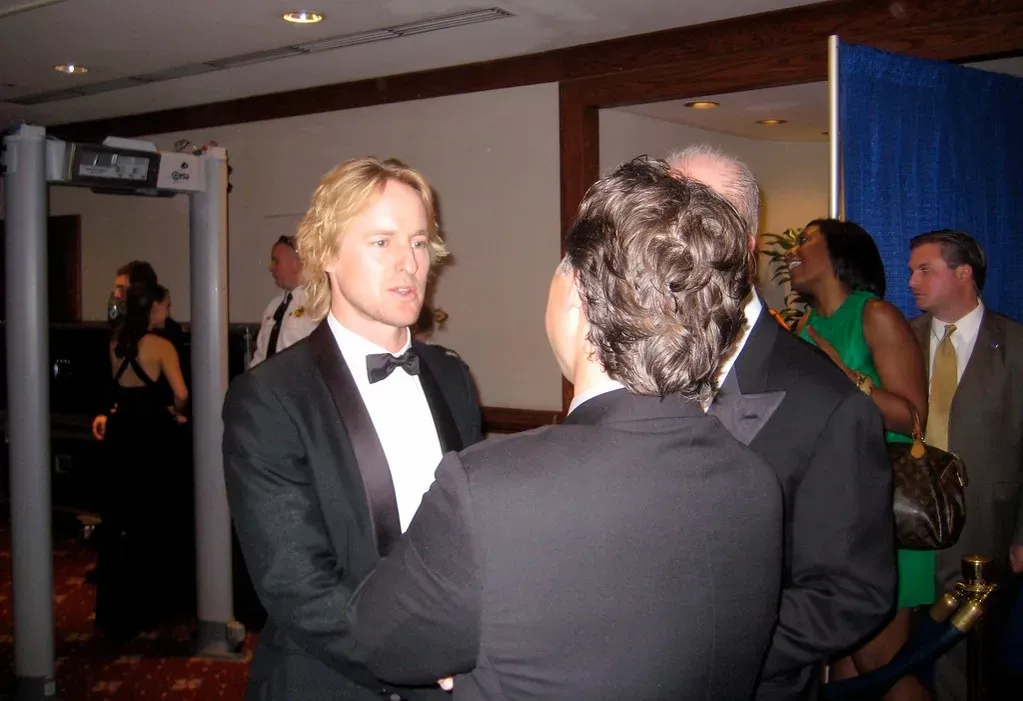
Among the most revered American directors of the twenty-first century, Wes Anderson does have his fair share of underrated titles under his belt – and Bottle Rocket may just be the most overlooked of the bunch. Certain pundits and creatives of the industry championed the film upon release, with it going down among Martin Scorsese’s top ten favorite films of the entire decade.
When people think about the career of Wes Anderson, they may first think of The Royal Tenenbaums, but better than Rushmore is Anderson’s first movie, the underrated Bottle Rocket. It was made on a low budget by unknowns – not just Anderson, but his film’s stars, brothers Luke and Owen Wilson. It remains one of the warmest, most naturally funny films of its era, and it still feels startlingly fresh.
Clockers (1995)

There are several features by American filmmaker Spike Lee that don’t quite get the love they deserve. With regard to his releases throughout the 1990s, one in particular stands out: Clockers. It chronicles a drug dealer operating in New York City who becomes unexpectedly involved in the investigation of a murder, played by Mekhi Phifer, with other notable performers including Harvey Keitel, John Turturro, and Keith David.
When accounting for Lee’s popularity and the critical acclaim of his past projects, Clockers going under the radar seems somehow impossible. The film is gritty, visually inventive, and emotionally honest in ways that most crime dramas of the decade simply weren’t. It deserves far more than its current footnote status.
Partner offer
One False Move (1992)

This tense crime thriller was stunningly overlooked on release. It was only the word-of-mouth success of One False Move on video that led to it gaining a theatrical run, propelling it into the hearts of many, including legendary film critic Gene Siskel. Co-written by star Billy Bob Thornton, it tells the twisty tale of three criminals who, after a string of murders, flee LA to make a drugs deal in Star City, up against a local sheriff who, while on the surface seems a loveable goof, actually has secrets of his own.
The characters are expertly drawn, while the plot builds towards an explosive and rewarding ending. It’s the type of film that leaves you feeling satisfied with how well it’s been executed. For a low-budget crime film that almost never made it to theaters, One False Move punches well above its weight class at every turn.
The Cable Guy (1996)
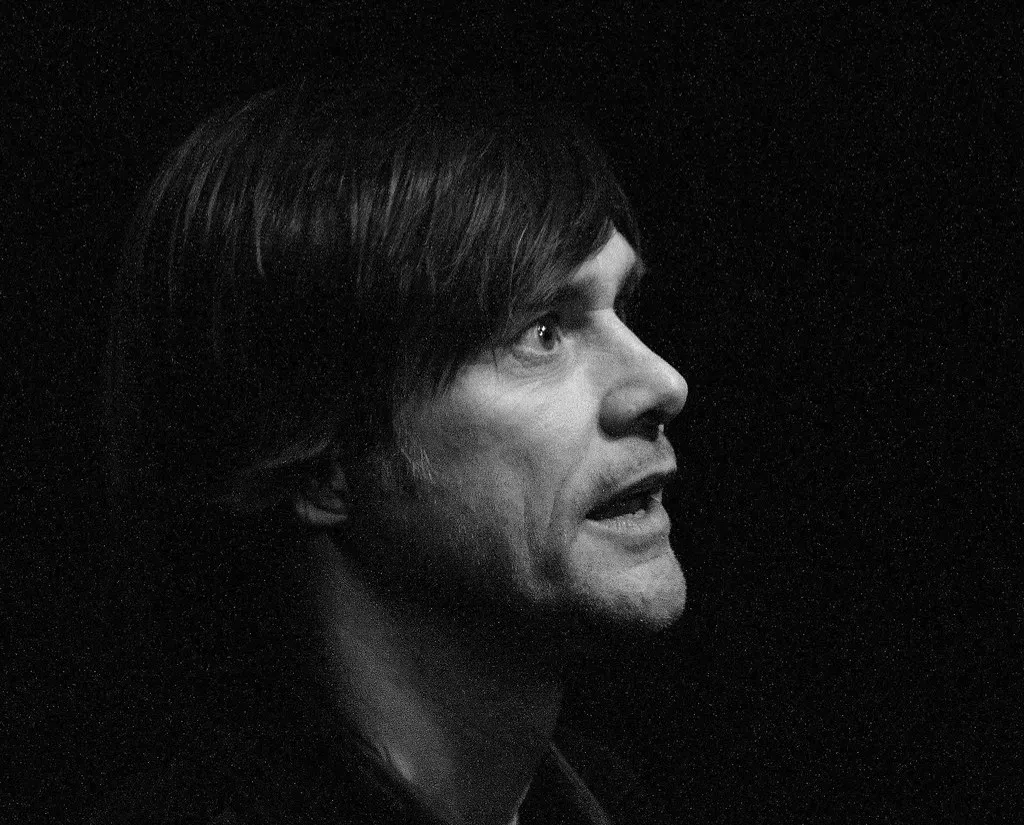
The Cable Guy was not what audiences expected from a Jim Carrey comedy in 1996, but its satirical take on media obsession was ahead of its time. Together with other overlooked titles, it represents an underrated era of cinema whose impact is still felt today. Despite audiences’ initial discomfort with the dark tone, the fact that the biggest comedies today are far more extreme proves that The Cable Guy was simply ahead of its time.
Director Ben Stiller took Jim Carrey into genuinely unsettling territory, and the film’s central premise – an obsessive cable installer who blurs the line between friend and stalker – reads almost like social commentary in the current era of algorithmically curated relationships. It was not what audiences expected from a Jim Carrey comedy in 1996, but its satirical take on media obsession was ahead of its time.
Dead Man (1995)

Dead Man tells a story that is entirely fictional but equally as bewitching as any period piece. One of Johnny Depp’s most underrated and underseen films, it tells the story of a mild-mannered accountant called William Blake who is mistaken for the poet of the same name and is thrust into a series of bizarre misadventures across the Wild West. One of writer-director Jim Jarmusch’s most accessible films, it’s a trippy, thought-provoking exploration of identity with an ace supporting cast including John Hurt, Iggy Pop, and Robert Mitchum in his final role.
The stunning cinematography, immersive production design, and improvised acoustic score by Neil Young make for an incredibly mesmerizing experience. It’s the kind of film that rewards patience and repeat viewing. Shot entirely in black and white, it looks unlike anything else Depp made during a decade when he was frequently taking bold swings.
Go (1999)

Go received widespread critical acclaim and is a truly brilliant movie that’s both well-directed and well-written. This was noted by critics, but when it hit theaters, audiences didn’t go out to see it. The film failed to recover its production budget and marketing costs, making it a bomb. Despite this, Go is an amazingly well-told story that deserves far more attention than it received in the 90s. The movie was underrated, underappreciated, and has since been largely forgotten by the world’s cinephiles.
Directed by Doug Liman, Go tells the same night from three overlapping perspectives, pushing through rave culture, drug deals gone sideways, and sharp ensemble comedy with genuine kinetic energy. The chaotic and largely forgotten energy of Go is part of what makes the decade’s shadow canon so compelling – it captures a specific late-90s feeling that no other film quite managed to bottle.
Jackie Brown (1997)

Quentin Tarantino’s follow-up to Pulp Fiction, Jackie Brown, is underrated – and actually one of his best films. Tarantino is relatively restrained helming this Elmore Leonard adaptation, and both Pam Grier and Robert Forster get to shine in this crime film with a lot of rumination on getting older.
Released between the cultural phenomenon of Pulp Fiction and the anticipation of Kill Bill, Jackie Brown occupied an awkward position that may have cost it its audience. With hindsight, the 90s was the last golden period of originality in Hollywood. Franchises and sequels had yet to truly dominate, and quality, well-written films which didn’t rely on an onslaught of CGI to wow audiences were the order of the day. Jackie Brown is perhaps the purest expression of that spirit in Tarantino’s entire career.
Partner offer
Planning a trip to Vegas?
Compare hotel rates and show tickets on VEGAS.com.