Radio programmers have spent decades deciding what’s too much for public ears, and artists have spent just as long proving them wrong. Every so often a station or a national broadcaster pulls a track, only to watch it climb the charts anyway, sometimes because of the ban rather than despite it. The following nine songs all ran into trouble with radio gatekeepers at some point, yet each one ended up bigger, louder, and more remembered than it likely would have been if nobody had bothered to object.
1. Sex Pistols, “God Save the Queen” (1977)
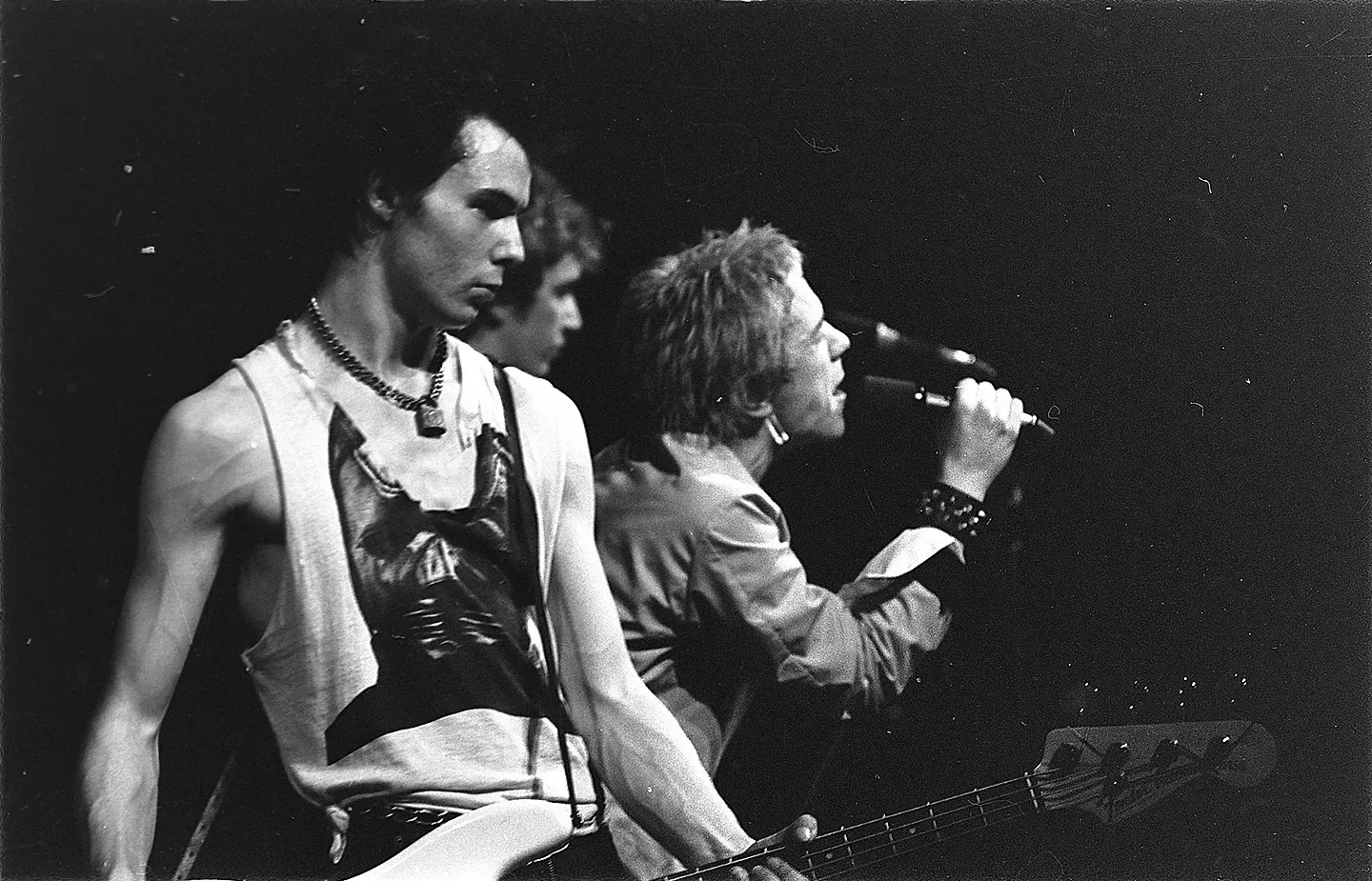
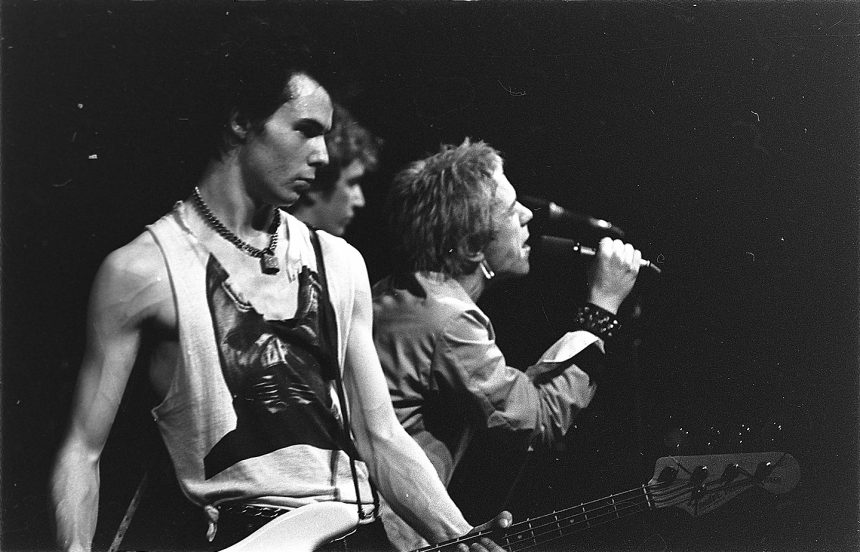
Released right in the middle of Queen Elizabeth II’s Silver Jubilee celebrations, this snarling punk anthem was never going to slip by quietly. On May 31, 1977, the song earned a total ban on radio airplay from the BBC, a move that might signal the kiss of death for a normal pop single but instead proved a powerful endorsement. Major retailers refused to stock it, and the band even got arrested after trying to play the song from a boat on the Thames.
Four weeks after release, the track peaked at number two in the UK, losing out on the top spot to Rod Stewart’s double A side single, despite being blacklisted from BBC airplay and blocked by several major retailers. Fans have long suspected the chart was manipulated to keep the Sex Pistols away from number one during a royal celebration. The song finally got its moment decades later, when a 2022 reissue for the Platinum Jubilee sent it to the top of the UK charts, forty five years after the ban that made it famous.
2. Frankie Goes to Hollywood, “Relax” (1984)
“Relax” was at number six in the UK charts when it was banned by the BBC, reportedly for its overtly sexual lyrics, in 1984. The controversy started when BBC Radio 1 DJ Mike Read reacted live on air to the song’s lyrics and its suggestive artwork, refusing to play it any further. Within days the BBC made the ban official across its stations, and the story of a DJ personally halting a record mid-play became part of pop folklore.
Despite being banned by the BBC and MTV, “Relax” became a chart-topping hit in the UK, holding the number one spot for five weeks and gaining popularity through the scandal. The band’s debut single ended up defining their early career and helped push their producer’s new label into the spotlight. It’s a rare case where a single radio host’s outrage effectively worked as a marketing campaign nobody planned.
3. Serge Gainsbourg & Jane Birkin, “Je t’aime… moi non plus” (1969)
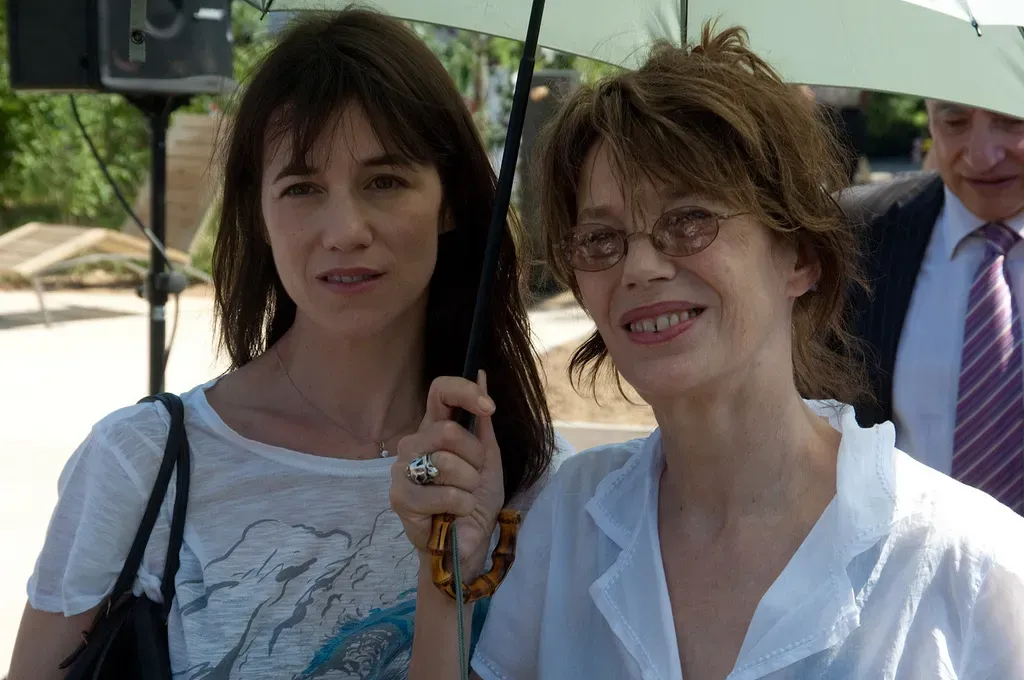
This breathy French duet was too much for British broadcasters almost the moment it landed. Although the song topped the charts in Birkin’s native United Kingdom as the first foreign-language song to do so, and reached number two in Ireland, it was banned in several countries because of its overtly sexual content. The moans and murmured French lyrics scandalized listeners who had never heard anything quite like it on mainstream radio.
The moans, groans, and heavy breathing caused a sensation, leading to a ban from the BBC and even a denouncement from the Vatican, yet in the UK it became the first banned single, and first foreign-language single, to reach the top of the charts. Instrumental cover versions popped up almost immediately to fill the radio gap left by the ban. More than half a century later, the song is still cited as one of the boldest and most successful acts of musical defiance on record.
4. The Kingsmen, “Louie Louie” (1963)
Few banned songs have a stranger backstory than this one. The lyrics were so slurred and muddled on the recording that rumors spread claiming they were secretly obscene, prompting complaints to state officials and even an FBI investigation into whether the song violated interstate obscenity laws. Some radio stations and at least one state governor pulled it from airplay while the matter was sorted out.
The FBI eventually closed its inquiry without finding anything indecent, largely because investigators could not agree on what the words actually were. By then the controversy had already done its work, pushing the garage rock single into the upper reaches of the Billboard chart and turning a regional bar band cover into one of the most recognizable rock songs of its era. The mystery lyrics remain part of the song’s charm to this day.
5. George Michael, “I Want Your Sex” (1987)
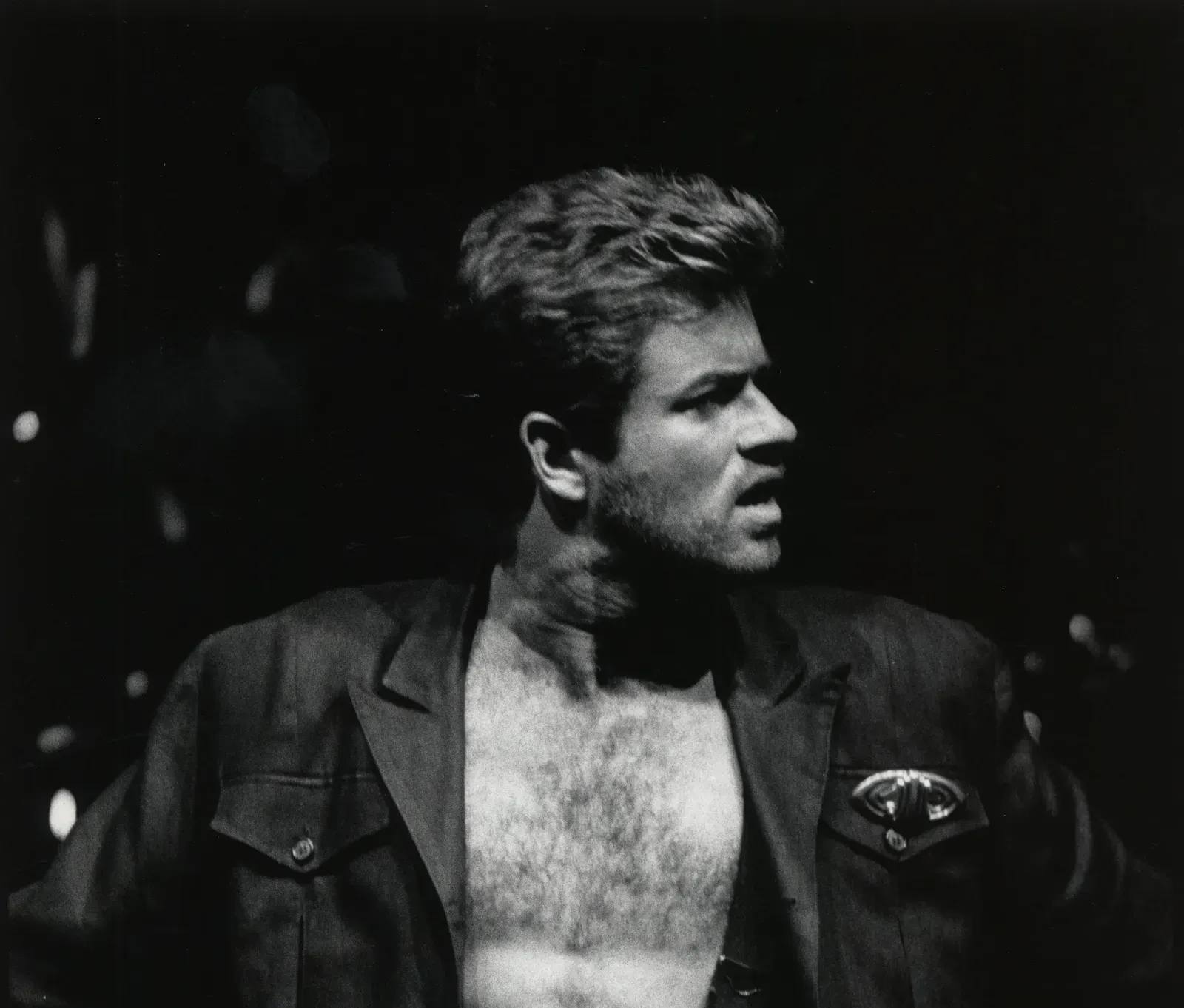
George Michael’s solo breakout single ran straight into BBC Radio 1’s daytime restrictions because of its blunt title and suggestive lyrics. The station limited airplay to evening hours, arguing the song wasn’t suitable for family listening during the day. Michael pushed back publicly, insisting the song was actually about monogamy in the era of the AIDS crisis rather than casual promiscuity.
Partner offer
The restricted daytime play did little to slow the song down. It became one of the biggest hits of Michael’s early solo career, reaching the upper tier of both the UK and US charts and helping establish him as a serious artist outside of Wham. The controversy around the title arguably gave the single more attention than a straightforward release would have earned on its own.
6. Loretta Lynn, “The Pill” (1975)

Country radio in the mid 1970s was not ready for a song celebrating birth control, and dozens of stations across the American South and Midwest refused to add it to their playlists. Lynn wrote from the perspective of a woman finally free from constant pregnancy, a theme that struck many program directors as too controversial for a genre built around traditional family values. Some stations reportedly received listener complaints simply for playing it once.
Despite the pushback, “The Pill” climbed into the upper reaches of the country singles chart and became one of Lynn’s most talked about releases. It has since been recognized as one of the boldest statements of her career, and the controversy only reinforced her reputation as an artist willing to sing about subjects other performers avoided entirely. The song remains a touchstone in discussions of women’s issues in country music.
7. Dire Straits, “Money for Nothing” (1985/2011)

The song was already a massive hit when its trouble began decades after release. The song was number one on U.S. charts for three weeks in 1985, and was the group’s most successful single. That success made the later controversy all the more surprising to longtime fans.
In January 2011, Canada’s radio censor ruled that the use of an anti-gay slur in the lyrics breached industry codes on human rights, prompting the Canadian Broadcast Standards Council to review the earlier decision. Several Canadian classic rock stations protested by playing the unedited version repeatedly for a full hour in defiance. The ruling never banned the song outright, since versions with the offending word edited out remained safe for airplay. The backlash against the ban generated more headlines and streams for the twenty six year old track than it had seen in years.
8. Olivia Newton-John, “Physical” (1981)

What sounds like a fairly tame workout anthem today raised eyebrows in 1981 because of its double entendre lyrics about getting physical rather than just exercising. A handful of conservative American radio stations, particularly in more religiously conservative regions, pulled the song from rotation, and some retailers even refused to stock the accompanying music video. The clean gym aesthetic of the video did little to soften complaints about the suggestive wordplay in the lyrics.
None of that slowed the song’s momentum on mainstream pop and adult contemporary stations willing to play it. “Physical” spent ten consecutive weeks atop the Billboard Hot 100, making it the longest running number one single of the entire decade at the time. The controversy barely registered against the song’s staying power, and it remains one of Newton-John’s most enduring releases.
9. Cardi B featuring Megan Thee Stallion, “WAP” (2020)
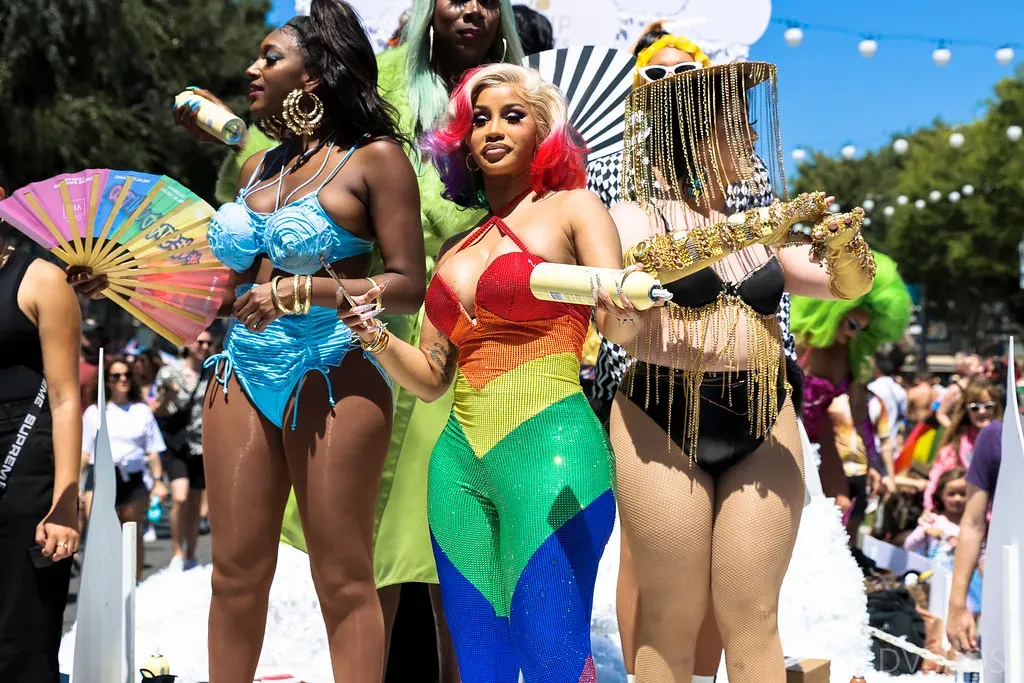
Few recent songs illustrate the pattern better than this one. Atlantic Records knew they had a hit the moment they heard the song, but also knew it needed cleaning up for radio, since stations around the country would not play the original version, leading the label to produce multiple edited versions including “Wet and Gushy” and “Wet, Wet, Wet.” Even those tamer versions still carried enough attitude to keep the song’s identity intact for radio audiences.
The song held number one on Billboard’s Hot 100 chart for four weeks and drew over a billion clicks on streaming platforms. Radio programmers who initially had reservations ultimately embraced the edited version, with one executive noting they were satisfied the edit still preserved the song’s message. What started as a censorship headache for radio turned into one of the defining pop culture moments of 2020, proof that the same pattern from the Sex Pistols era was still playing out more than four decades later.
Looking back across all nine of these records, a pattern becomes hard to ignore. Bans rarely killed a song’s chances, and more often they handed it free publicity that money simply couldn’t buy. Listeners, it turns out, have always been curious about exactly what someone tried to keep them from hearing.Partner offer
Planning a trip to Vegas?
Compare hotel rates and show tickets on VEGAS.com.