
Pop music loves a good mystery, and nothing keeps a song alive quite like an unanswered question about who inspired it. Fans build entire theories around a lyric, gossip columns run with a rumor for decades, and eventually the assumed backstory becomes more famous than the song itself. The strange part is how often those widely accepted stories turn out to be wrong, or at least incomplete.
Some of the most beloved songs in rock and pop history carry exactly this kind of mistaken identity. The public locked onto one name early, repeated it enough times that it hardened into fact, and the actual inspiration got buried underneath. Here are nine songs where the accepted story and the real one do not quite match.
You’re So Vain by Carly Simon
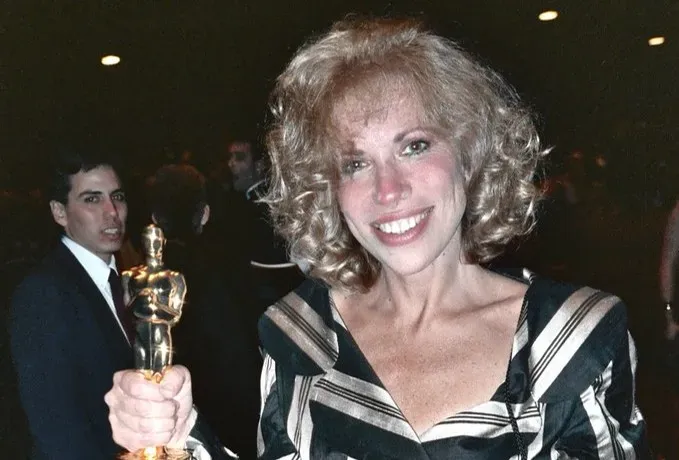
For more than fifty years, casual listeners have treated this as an open and shut case about Warren Beatty. His reputation as a Hollywood ladies’ man made him an easy target, and the song’s swagger seemed to fit him perfectly. Carly Simon did little to discourage the theory for decades, letting the mystery become part of the song’s appeal.
In 2015, Simon finally confirmed that Beatty inspired the second verse, but she has always maintained the song draws on more than one man. The identity behind the rest of the lyrics, including the most quoted lines, has never been fully revealed. So the popular assumption is not entirely wrong, just far less complete than most people think.
Angie by The Rolling Stones
When this ballad hit number one in 1973, listeners immediately assumed it was about Angela Bowie, partly fueled by later claims that she had walked in on her husband David Bowie with Mick Jagger. The big rumor about this song is that it was written about David Bowie’s wife, Angela, and according to the rumor, Jagger wrote this song to appease her. Jagger has repeatedly denied any connection to that story.
Keith Richards, who wrote most of the song, has offered a more grounded explanation tied to his own life. Richards’ girlfriend Anita Pallenberg was down the road giving birth to their daughter, Angela, while he was in a drug treatment clinic. He has also said the name itself was almost arbitrary, chosen for how it sounded rather than for any specific woman, which makes the whole Bowie connection something of a coincidence that snowballed into legend.
Sweet Caroline by Neil Diamond

This is arguably the most famous case of mistaken songwriting identity in American pop. There had also been longtime speculation that the song was about Caroline Kennedy, the daughter of the American president JFK. Diamond leaned into that story for years, even performing it at her fiftieth birthday party in 2007.
The real answer arrived later and shifted the narrative entirely. Neil Diamond wrote the song about his second wife, Marcia Murphey, who he married in 1969. He simply needed a name with three syllables for the melody to work, and Caroline fit better than Marcia ever could, which is how a president’s daughter ended up permanently linked to a song that was never really about her.
Wonderwall by Oasis

Every stadium singalong of this Britpop anthem carries an assumption that it was written for Noel Gallagher’s then girlfriend, Meg Mathews. That belief made sense at the time. Noel Gallagher told NME in 1996 that he wrote Wonderwall for his then girlfriend Meg Mathews, but after the pair divorced in 2001, he said the song was not about her.
Once the marriage ended, Gallagher offered a very different explanation for the song’s real subject. He confessed the true inspiration wasn’t even real, describing it as a song about an imaginary friend who’s gonna come and save you from yourself. It is a strange thing to admit after your wife has spent years believing an anthem belongs to her, and Gallagher himself acknowledged how awkward that conversation must have been.
Daniel by Elton John

Listeners have spent decades guessing whether this song is about a lost lover, a brother, or someone from Elton John’s personal life. Lyricist Bernie Taupin was inspired to write the song after reading a magazine article about Vietnam War veterans, and he wrote it from the point of view of a younger brother missing his disabled war veteran older brother named Daniel.
Partner offer
The romantic misreadings largely happened because of an editing decision made before the song was finished. A final verse that would have made the veteran angle explicit was cut before recording, and losing that explanatory verse transformed a topical lyric into something more open to interpretation. Taupin has called it one of the most misunderstood songs of his career, precisely because the missing context left so much room for listeners to invent their own story.
Nothing Compares 2 U by Prince
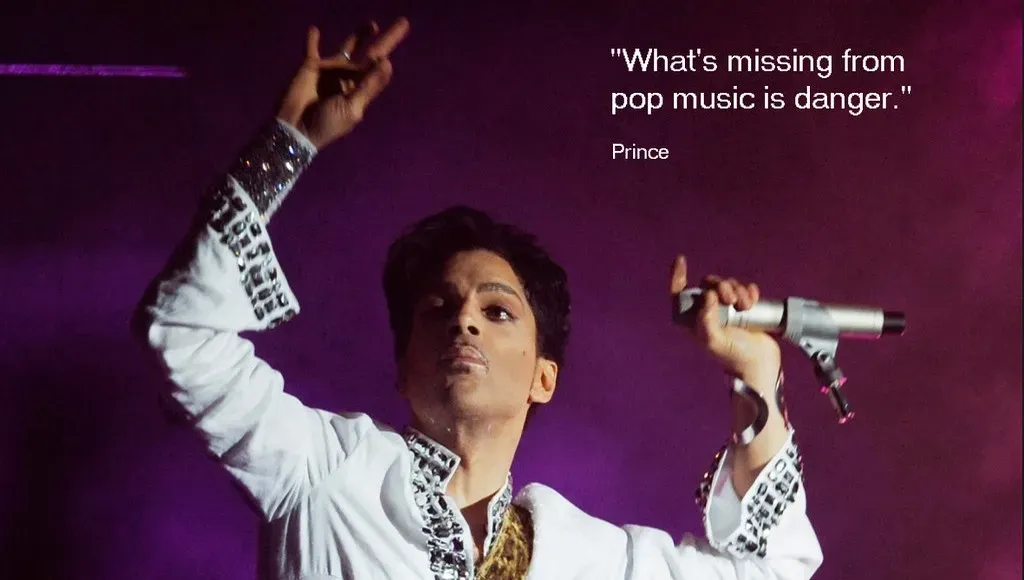
Sinéad O’Connor’s devastating 1990 cover made this song famous, and most people assume it was written about a romantic breakup, possibly even inspired by O’Connor’s own life. In reality, Prince wrote it years earlier in 1984, and the identity behind it has almost nothing to do with romance in the traditional sense.
According to Prince’s longtime engineer, the song traces back to someone entirely different. Susan Rogers theorized that the song was written about Prince’s housekeeper, Sandy Scipioni, who had been forced to quit when her father died, noting that his mood was getting darker and darker and he would just ask, ‘When is Sandy coming back?’ Others close to Prince, including his friend Jerome Benton, believed it was written about Benton’s broken engagement instead, which means even insiders never fully agreed on the answer.
Behind Blue Eyes by The Who

Pete Townshend’s haunting ballad is frequently treated as a raw, personal confession, something fans assume he wrote about his own loneliness or a specific failed relationship. The lyrics certainly sound intimate enough to support that reading, which is likely why the song has been embraced as an autobiographical statement for over fifty years.
The actual origin sits inside a much larger, more theatrical project. Townshend wrote the song for the aborted Lifehouse rock opera, giving voice to a fictional antagonist rather than himself, a character whose inner conflict needed a moment of vulnerability. The public simply never absorbed that context, so the villain’s confession got reheard as Townshend’s own diary entry.
Alison by Elvis Costello

Costello’s tender 1977 single sounds like a song written for an ex-girlfriend, and most listeners have always assumed it documents a real romantic relationship gone quiet with time. The gentle, almost mournful tone supports that reading, and the title itself invites people to picture a specific woman from Costello’s past.
Costello has said the song actually grew out of a much smaller, stranger moment. He has described being inspired by watching a young woman working as a supermarket checkout clerk and imagining the disappointments her life might eventually hold, not from any personal history with someone named Alison. The name and the emotion in the song were essentially a songwriter’s invention layered onto a stranger he never actually knew.
Hey Jude by The Beatles
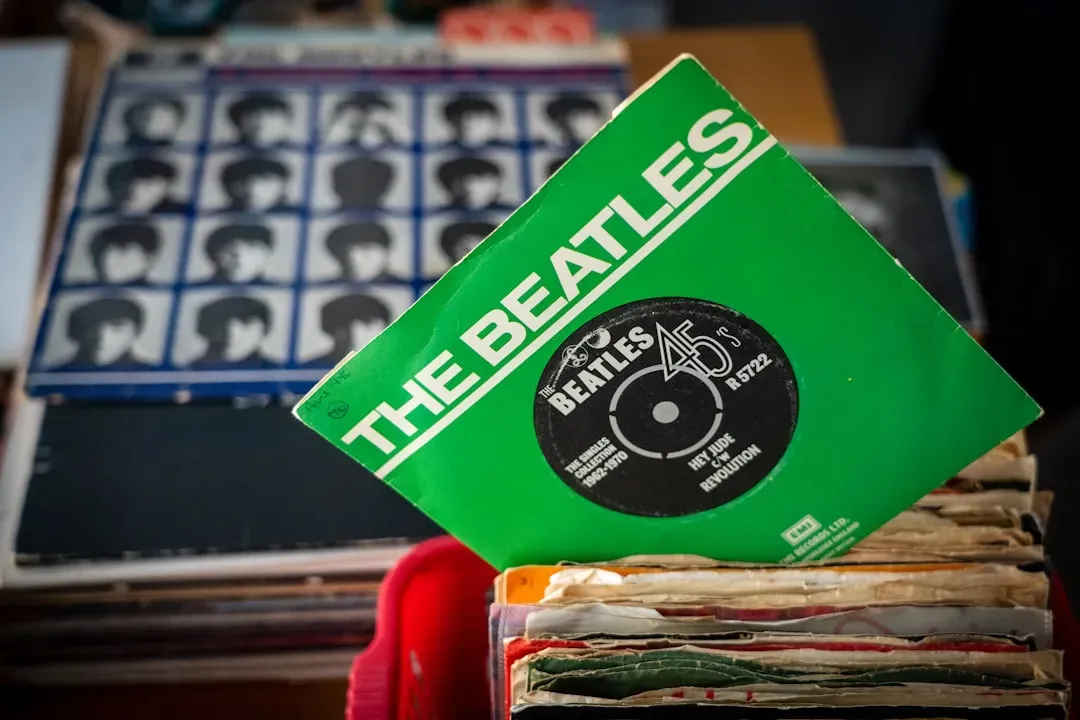
For years after its 1968 release, fans speculated that this song carried a hidden message, some pointing to drug references, others assuming it addressed the fallout between John Lennon and Yoko Ono. The ambiguous, comforting lyrics left plenty of room for interpretation, and the Beatles rarely rushed to clarify their meanings in that era.
Paul McCartney has since explained the song’s real and much simpler origin. He wrote it for Julian Lennon, John’s young son, to comfort him during his parents’ painful divorce, originally calling it Hey Jules before changing the name for the sake of the melody. It remains one of the more touching examples of a song’s true story being far gentler than the rumors that grew around it.
What connects all nine of these songs is not deception exactly, but the way public imagination tends to fill gaps faster than artists can close them. A famous name, a suggestive lyric, or a well timed rumor is often enough to lock in a story that outlives the truth by decades. The real inspirations behind these songs rarely diminish them. If anything, knowing who a song was actually written for adds a quieter, more human layer to melodies that millions of people have been singing along to for the wrong reasons all along.
Partner offer
Planning a trip to Vegas?
Compare hotel rates and show tickets on VEGAS.com.