Most people assume the greatest guitar riffs in rock history came from hours of disciplined songwriting, maybe a candlelit studio session or years of scales practice finally paying off. The truth is often messier and far more interesting. Some of the most recognizable guitar hooks ever recorded were born from sleep, anger, boredom, borrowed inspiration, or outright mistakes.
What follows are nine well documented cases where the riff that changed music history showed up almost by chance, sometimes literally in a dream, sometimes through a broken piece of gear. Each one reshaped a band’s career and, in several cases, an entire genre.
1. “(I Can’t Get No) Satisfaction” by The Rolling Stones

In the early hours of a May morning in 1965, Keith Richards woke up just long enough to grab the cassette recorder beside his bed and play a three note riff that had come to him in his sleep. In the early morning hours of a day in early May 1965, Keith Richards woke up just long enough to grab a cassette recorder beside his bed and play a rough guitar riff that had suddenly come to him in his sleep. He then fell straight back to sleep without any memory of what he had just done.
When he listened to the tape the next morning, he found roughly thirty seconds of the riff followed by nearly an hour of snoring. “I had no idea I’d written it,” Richards recalled in his 2010 memoir Life, according to the History Channel. He originally wanted horns to carry the melody rather than guitar, and it took his bandmates convincing him to keep the fuzz tone that gave the track its signature grit.
2. “Sweet Child O’ Mine” by Guns N’ Roses
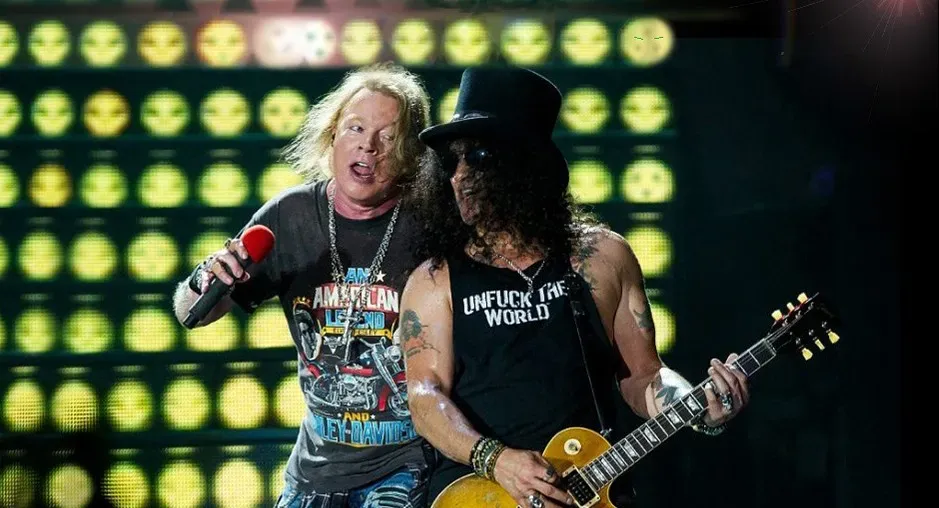
For decades the popular legend held that Slash invented this riff as a throwaway warm up exercise he never intended to keep. Slash himself has pushed back on that specific detail, telling Eddie Trunk directly that “It wasn’t a warm-up exercise. I was sitting around the house where Guns used to live at one point in ’86 I guess it was and I just came up with this riff.”
Even so, Slash has admitted in earlier interviews that he viewed the riff as something of a joke at first, and other bandmates recalled the moment differently. What is not disputed is that Slash was playing what he later described as a silly circular riff he fully intended to throw away, Izzy Stradlin heard it and asked him to keep playing, and the rest of the band started building around it, with Axl Rose eventually coming downstairs with lyrics he had written for his then girlfriend. A riff nobody planned to keep became Guns N’ Roses’ only number one single in America.
3. “Seven Nation Army” by The White Stripes

Jack White stumbled onto this riff while sound checking at the Corner Hotel in Melbourne, Australia, and his first instinct was not to use it for The White Stripes at all. Jack White told The Independent that the main riff was the riff he planned to use if he ever got asked to write the theme to the next James Bond film, and he decided that wasn’t likely to happen, so he went ahead and used it in “Seven Nation Army.”
He tested it on his friend Ben Swank, who was not particularly impressed at the time, and even his own record label was lukewarm about releasing it as a single. Years later White did get his James Bond call, writing “Another Way to Die” for Quantum of Solace, but by then the accidental riff had already become one of the most chanted melodies in sports history across football, basketball, and beyond.
4. “Enter Sandman” by Metallica

Kirk Hammett has described the origin of this riff as something close to spontaneous combustion rather than careful songwriting. “I have a very specific memory,” Hammett said. “It was about 2 or 3 o’clock in the morning and I had just been listening to ‘Louder Than Love,’ a Soundgarden album. This was when Soundgarden still was somewhat underground, on an independent label. I just loved that album. It’s a great Soundgarden album. I was inspired.”
He picked up his guitar with no plan, and the riff simply appeared. The original idea was only two bars long until drummer Lars Ulrich suggested repeating the opening section, a small tweak that turned an unplanned late night sketch into the opening track of one of the best selling metal albums of all time.
5. “You Really Got Me” by The Kinks
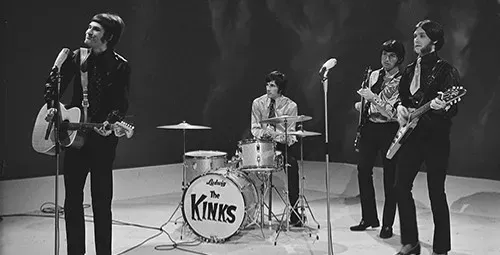
Dave Davies did not set out to invent a distortion sound that would influence heavy metal and punk rock for the next sixty years. He was simply furious after being separated from his girlfriend, and in that mood he took a razor blade to the speaker cone of his small Elpico amplifier out of pure frustration.
Partner offer
As Davies later explained, “I’d had an argument with my girlfriend and I was full of rage and pissed off. Rather than slash my wrists, I thought I’d attack the speaker cone… I sliced the cone down, virtually all the way around, and was quite surprised that it was still working.” The damaged speaker produced a raw, buzzing tone nobody had heard before, and that accidental fuzz became the backbone of a song many historians point to as an early blueprint for hard rock.
6. “Smoke on the Water” by Deep Purple

Deep Purple traveled to the Montreux Casino in Switzerland in December 1971 to record their album Machine Head using a mobile studio setup. While attending a Frank Zappa and the Mothers of Invention concert at the venue, a fire broke out and burned the casino to the ground, forcing the band to scramble for a new place to record.
That literal accident became the entire subject of the song’s lyrics, describing the smoke drifting across Lake Geneva as the building went up in flames. The riff itself, built around a simple descending pattern that guitarist Ritchie Blackmore has said drew loosely on classical phrasing, was worked out quickly in the chaos of relocating the sessions, turning a disastrous night into one of the most recognizable four note phrases in rock history.
7. “Smells Like Teen Spirit” by Nirvana
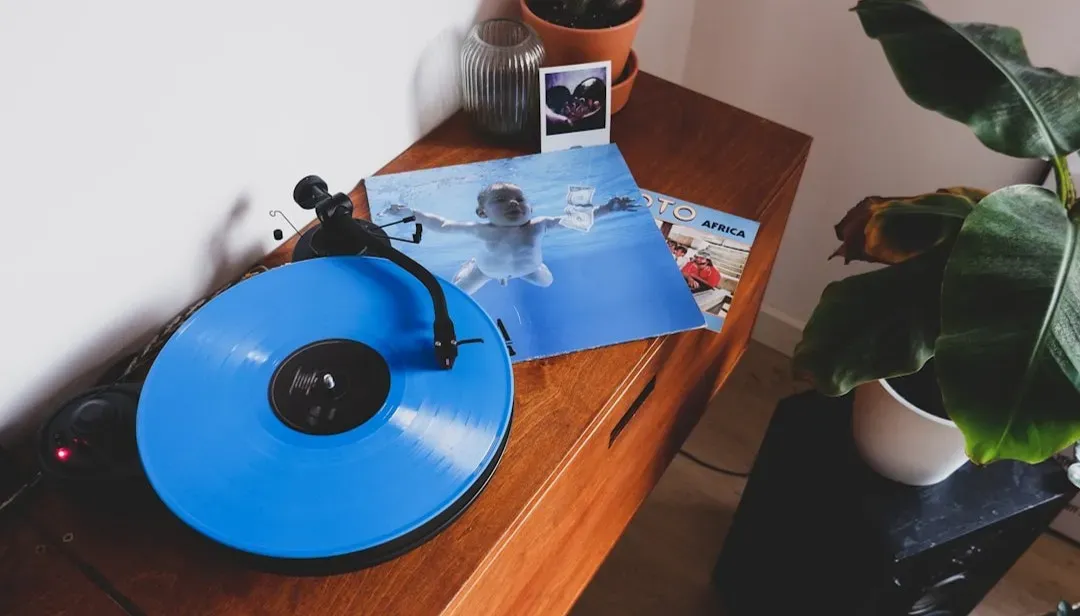
Kurt Cobain never hid the fact that he was consciously trying to write something in the style of Boston’s “More Than a Feeling” when he sat down with the riff that became “Smells Like Teen Spirit.” The plan was closer to imitation than invention, but what came out bore little resemblance to its source material.
Instead of a soft rock anthem, Cobain landed on a four chord grunge riff that critics and fans alike would later call one of the defining guitar moments of the 1990s. The attempted homage missed its mark so completely that it produced something entirely new, an accident of failed mimicry that helped push alternative rock into the mainstream.
8. “Come as You Are” by Nirvana
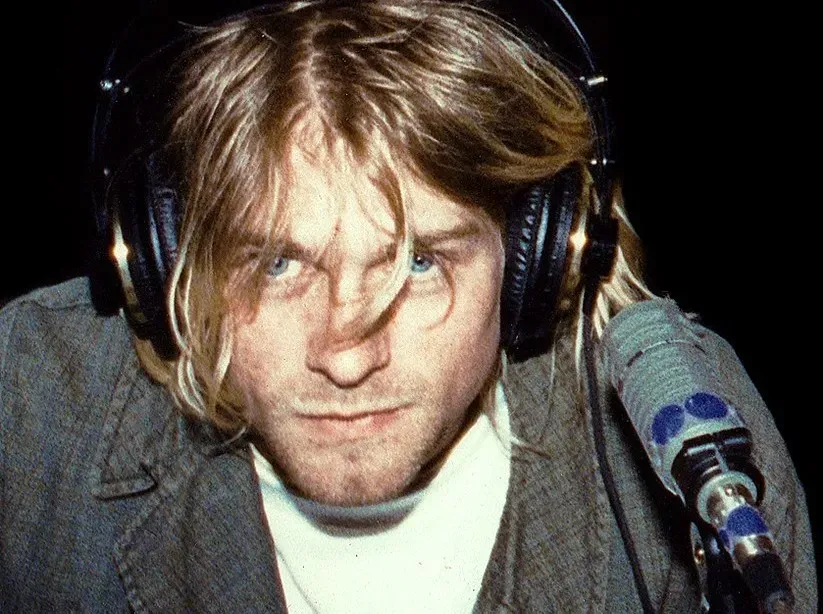
Nirvana ran into a different kind of unplanned overlap with this follow up single from Nevermind. The chorus like guitar line bore a close resemblance to “Eighties,” a track released years earlier by the British post punk band Killing Joke, a similarity that guitarist Geordie Walker himself pointed out publicly at the time.
Cobain maintained he had never deliberately borrowed the pattern and that any resemblance was coincidental rather than intentional theft. Whether it was a case of buried memory or genuine coincidence, the riff went on to become one of Nirvana’s most enduring hooks, proof that even an accidental echo of another song can turn into something that feels entirely original once it reaches the right audience.
9. Tony Iommi’s Riffs for Black Sabbath
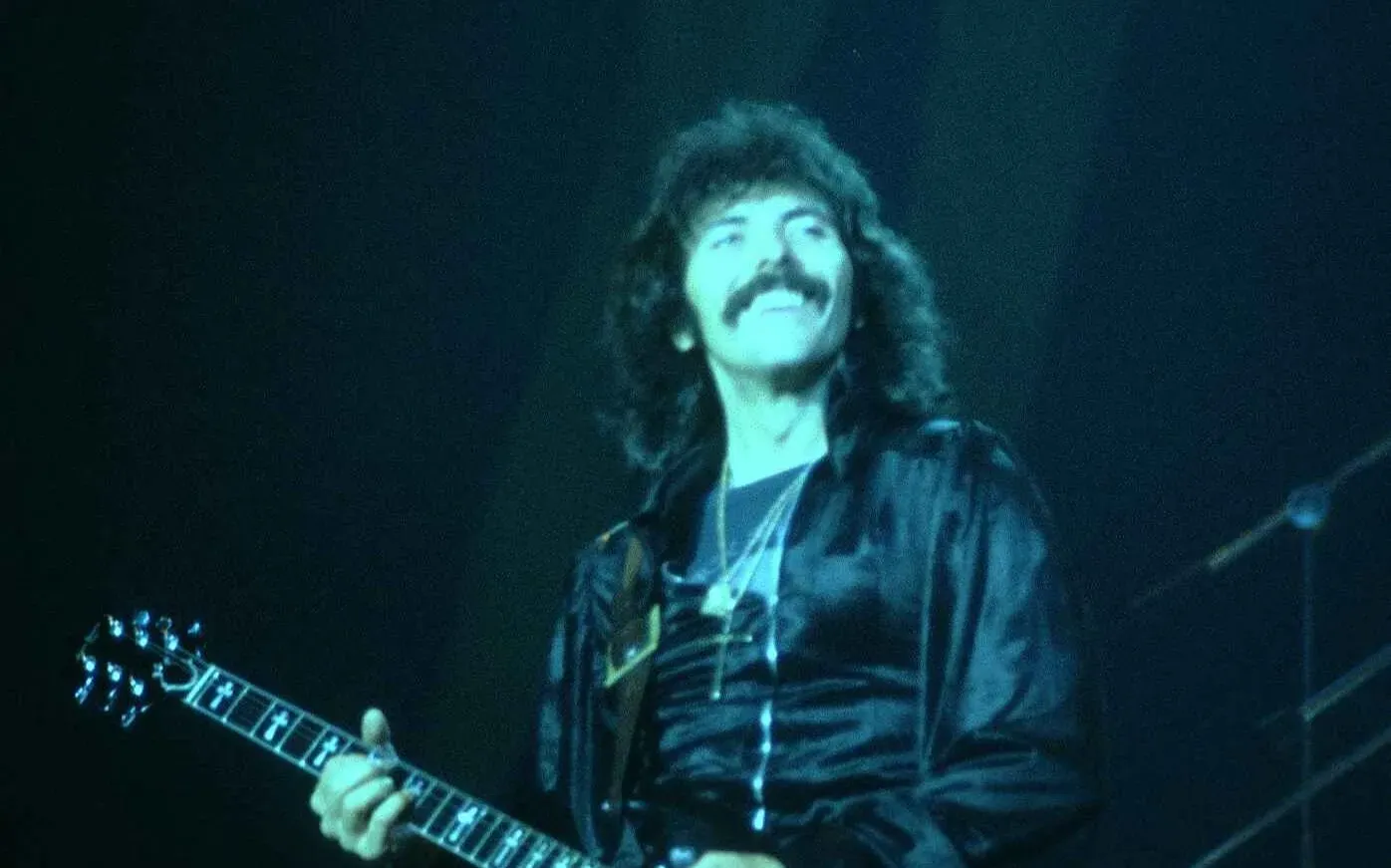
Before Black Sabbath existed, a teenage Tony Iommi lost the tips of two fingers on his right hand in a factory sheet metal accident on what was supposed to be his last day working there before pursuing music full time. Doctors told him his guitar playing days were likely over, but Iommi improvised homemade finger prosthetics and, out of necessity, began down tuning his strings to ease the tension on his damaged hand.
That injury forced adjustment, not artistic ambition, is what produced the heavier, looser, down tuned sound that became the foundation of Black Sabbath’s riffs, including the crawling menace of “Iron Man.” An accident meant to end a guitarist’s career instead created the sonic template for an entire genre that followed, heavy metal itself.
Taken together, these nine stories say something honest about creativity. The riffs that ended up defining entire decades of guitar music rarely arrived through careful planning. They came from a half remembered dream, a fit of temper, a failed attempt to copy someone else, or a piece of gear that broke at exactly the wrong or right moment. Rock history, it turns out, owes a surprising amount to happy accidents nobody saw coming.
Partner offer
Planning a trip to Vegas?
Compare hotel rates and show tickets on VEGAS.com.