Sequels have a rough reputation, and honestly, most of them earn it. But every so often a filmmaker takes a beloved original, studies what worked and what didn’t, and comes back with something sharper, deeper, or just more thrilling. These are the rare follow-ups that didn’t just meet expectations but actually rewired how we think about the franchise entirely.
Below is a rundown of ten sequels that critics, audiences, and time itself have judged as superior to the films that started it all. Some of these might surprise you, others you probably already had in mind.
1. The Godfather Part II (1974)
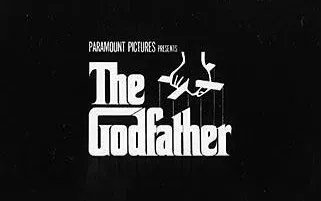
Francis Ford Coppola didn’t just make a sequel, he made a companion piece that expanded the moral universe of the first film while telling two timelines at once. The young Vito Corleone story, carried by Robert De Niro, gave the saga a tragic weight that the original only hinted at. Meanwhile, Michael’s descent into isolation and paranoia turned the story into something closer to a Greek tragedy than a crime drama.
It became the first sequel in history to win the Academy Award for Best Picture, a distinction that still carries enormous weight decades later. Film scholars regularly rank it above the original for its structural ambition and emotional complexity. Even Coppola himself has suggested the two films work best as a single, continuous story, but when forced to choose, most critics point to Part II as the more accomplished piece of filmmaking.
2. The Empire Strikes Back (1980)
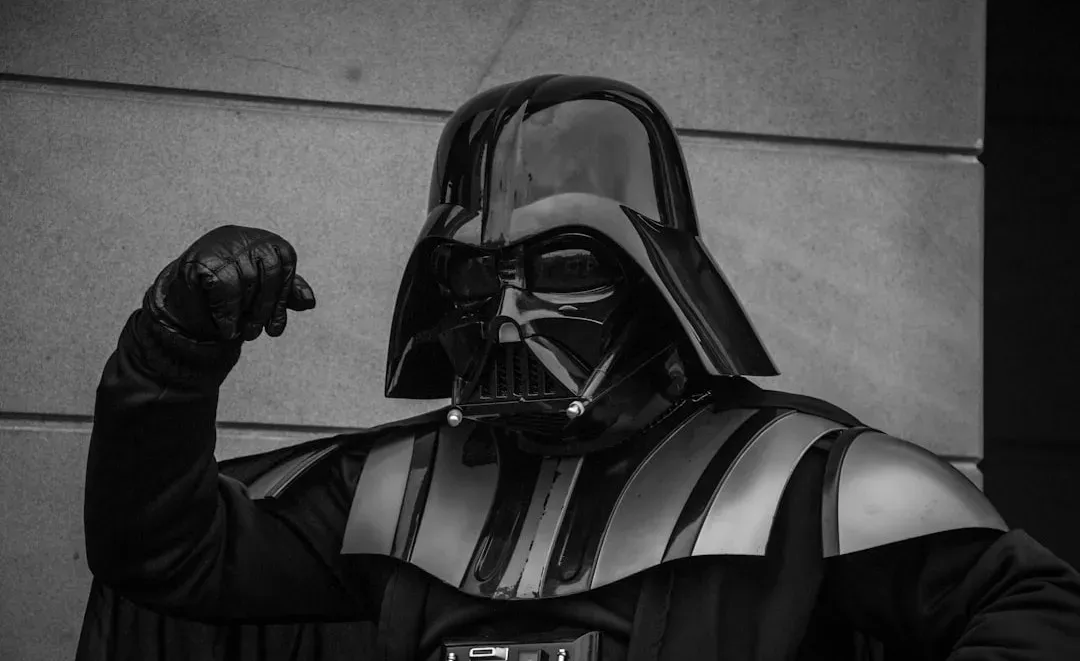
George Lucas handed directing duties to Irvin Kershner for this one, and the result was a darker, more emotionally complicated Star Wars film. The reveal about Darth Vader, the failure of the heroes at nearly every turn, and the bleak, unresolved ending were bold choices for what was still marketed as family entertainment. It’s the entry that gave the franchise its emotional backbone.
Audiences and critics alike have consistently ranked it as the best film in the original trilogy, and often the best Star Wars film period. It leaned into character development in a way the first film, focused mostly on world-building, never quite had room for. Yoda’s introduction alone added a layer of mythology that deepened everything that came after.
3. Terminator 2: Judgment Day (1991)
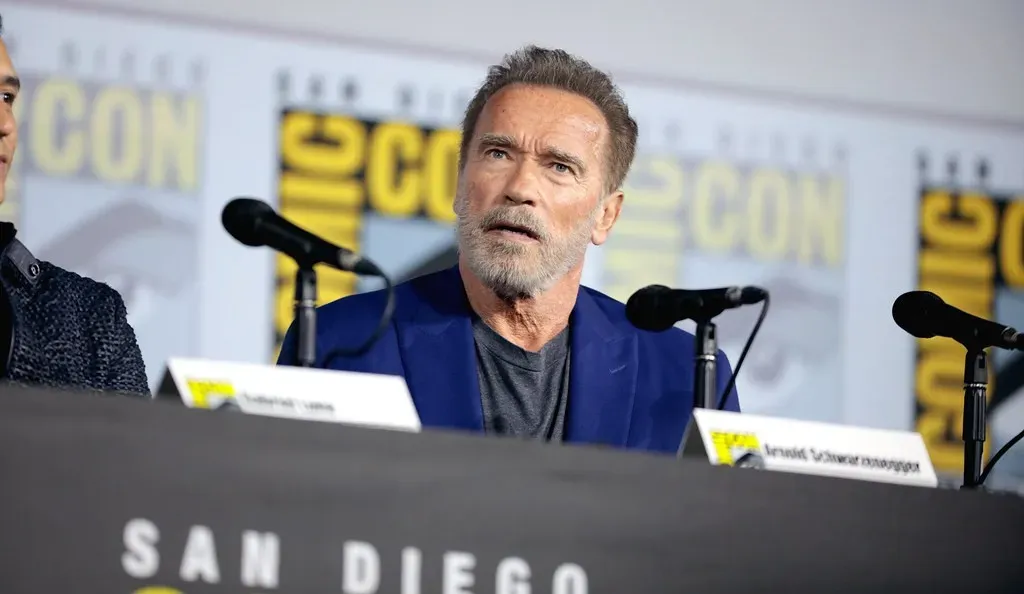
James Cameron flipped the entire premise of his own 1984 original by turning Arnold Schwarzenegger’s killing machine into a protector. The special effects, particularly the liquid-metal T-1000 played by Robert Patrick, were groundbreaking for their era and pushed CGI into mainstream blockbuster filmmaking. It’s a rare case where the technical achievement matched the emotional one.
Linda Hamilton’s Sarah Connor became one of the most physically and psychologically hardened action heroines in film history, a dramatic evolution from her role in the first movie. The film also expanded its themes around fate, free will, and the cost of violence without losing the tension that made the original a cult classic. Many consider it the high point of Cameron’s career, sequel or not.
4. Aliens (1986)
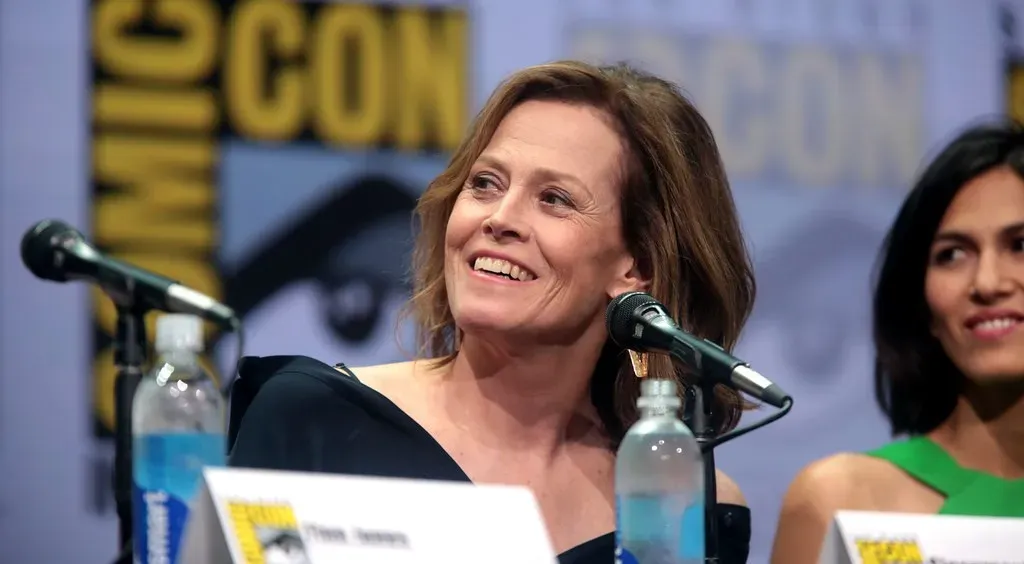
Ridley Scott’s Alien was a slow-burn horror film set in tight corridors. James Cameron took that DNA and rebuilt it as a full-throttle action war movie, and somehow it worked even better. Sigourney Weaver’s Ripley evolved from a survivor into a fierce protector, particularly through her bond with the young character Newt.
The film earned Weaver an Academy Award nomination for Best Actress, an extremely rare feat for an action or horror role at the time. Critics have praised how it managed to honor the atmosphere of the original while introducing an entirely different genre approach. It remains one of the most cited examples of a sequel successfully changing tone without losing what made the source material special.
5. The Dark Knight (2008)
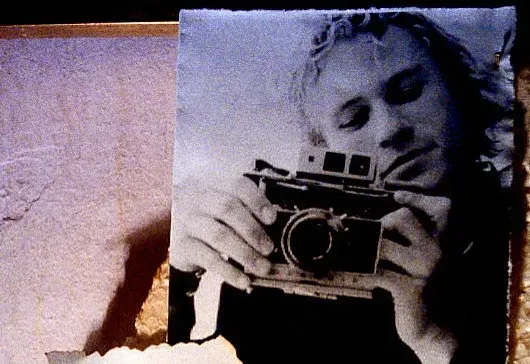
Christopher Nolan’s follow-up to Batman Begins didn’t just improve on its predecessor, it redefined what a superhero film could be. Heath Ledger’s performance as the Joker, released after his death, earned a posthumous Academy Award for Best Supporting Actor and remains one of the most talked-about performances in the genre’s history. The film treated Gotham as a real, morally complicated city rather than a comic book backdrop.
It grossed over one billion dollars worldwide, a milestone that helped legitimize superhero films as awards-worthy cinema rather than just summer entertainment. Critics frequently cite its themes around chaos, order, and moral compromise as more layered than anything in Batman Begins. The film’s influence is still visible in how studios approach comic book adaptations today.
Partner offer
6. Toy Story 2 (1999)
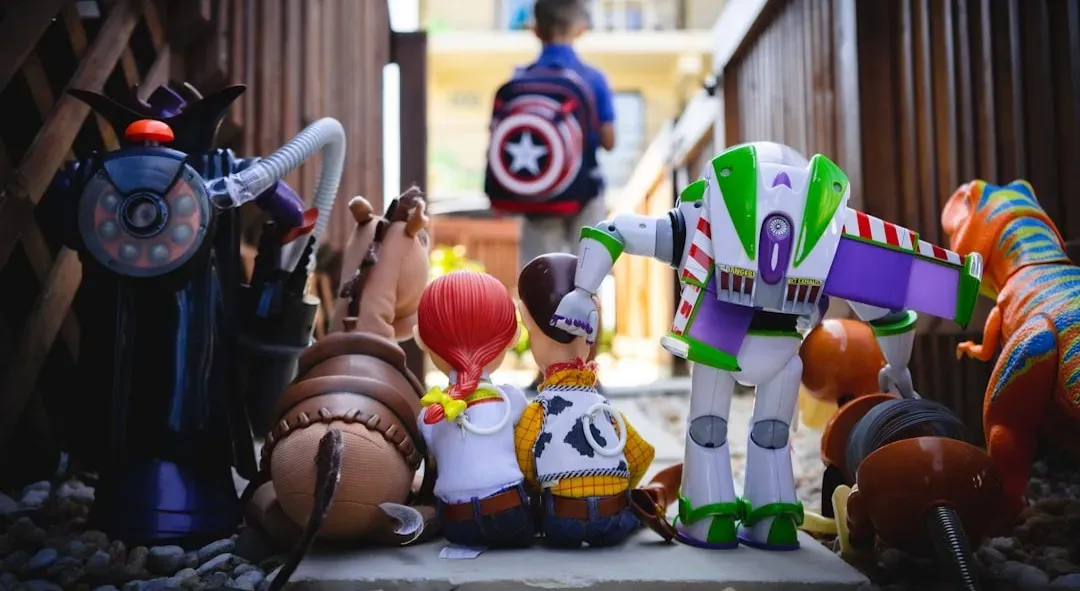
Pixar’s original Toy Story was a technical marvel and a sweet story, but the sequel added genuine emotional stakes that caught audiences off guard. The introduction of Jessie and her backstory, set to a heartbreaking musical sequence, gave the franchise a layer of melancholy about abandonment and growing up. It was a bold choice for what was still considered mainly a kids’ movie.
Critics at the time noted that the sequel outdid the original in both animation quality and narrative depth, a rare combination for a film made on a tighter turnaround than its predecessor. It holds a near-perfect critical score on aggregator sites and is frequently ranked above the first film in retrospective lists. Pixar would go on to prove this wasn’t a fluke, with Toy Story 3 later matching that same emotional ambition.
7. Mad Max: Fury Road (2015)
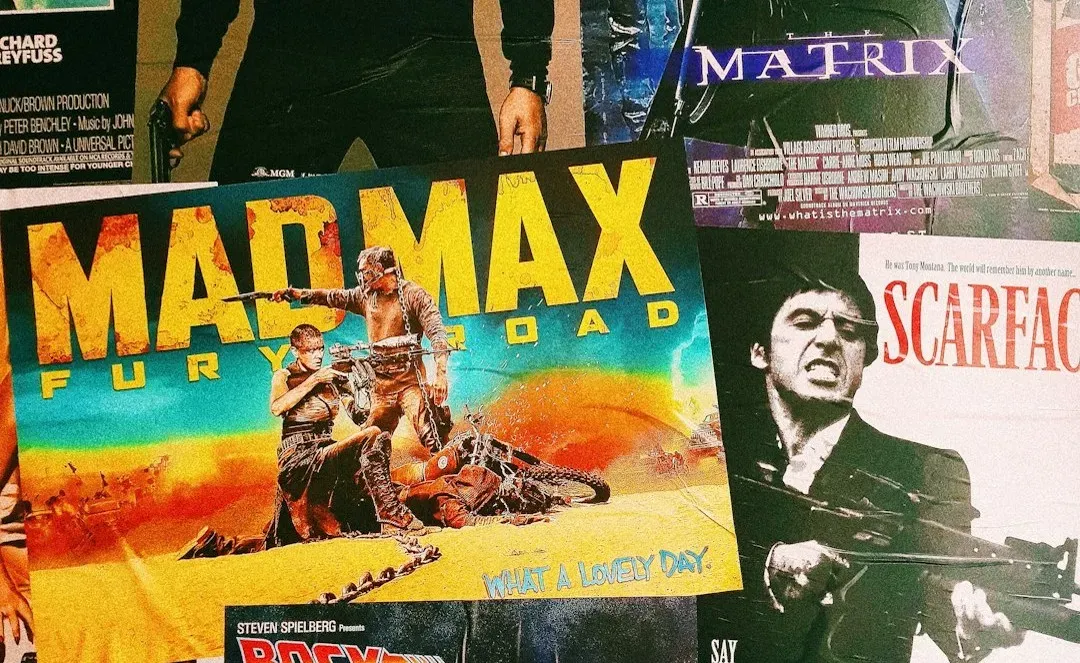
George Miller returned to his own franchise three decades after the original trilogy wrapped, and delivered something almost unrecognizable in scope and craft. The practical stunt work, the desert cinematography, and Charlize Theron’s Furiosa gave the film a ferocity that the earlier, lower-budget Mad Max films could never have achieved. It became an instant benchmark for how action sequences should be shot and edited.
The film received ten Academy Award nominations and won six, an extraordinary result for an action film in a genre often overlooked come awards season. Critics praised its minimal dialogue and maximal visual storytelling as a masterclass in pure cinema. It reinvigorated a franchise that many assumed had run its course decades earlier.
8. Spider-Man 2 (2004)
Sam Raimi’s second Spider-Man film is often held up as the gold standard for superhero sequels, balancing Peter Parker’s personal struggles with genuinely thrilling action. The train sequence involving Doctor Octopus remains one of the most praised action set pieces in the genre. Tobey Maguire’s performance also matured, showing a more exhausted, conflicted version of the hero than the first film allowed.
It won the Academy Award for Best Visual Effects and is frequently cited in critic polls as one of the best superhero films ever made. The emotional core, centered on identity and sacrifice, gave it a resonance the original film only partially achieved. Decades later, it’s still used as a reference point for how to structure a hero’s internal conflict.
9. Before Sunset (2004)
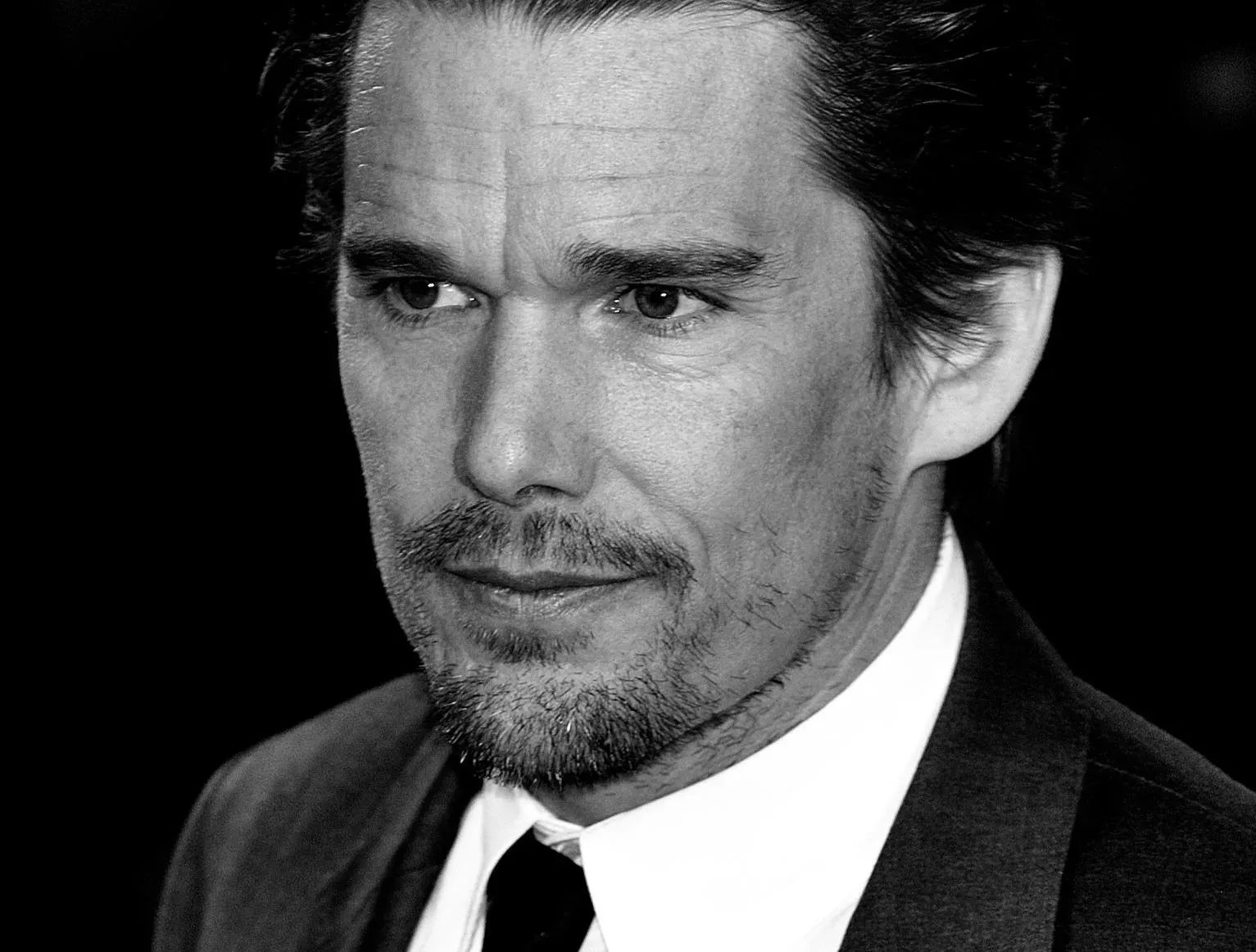
Richard Linklater’s follow-up to Before Sunrise reunited Ethan Hawke and Julie Delpy nine years after their characters first met, and the result felt startlingly real. Shot in near real time around Paris, the film carried a wistfulness and maturity that the youthful romance of the original couldn’t have contained. It’s a rare sequel that gains power specifically because time has passed for both the characters and the actors playing them.
Critics have often called it an improvement on the original for its unflinching honesty about regret and missed chances. The screenplay, co-written by Hawke and Delpy alongside Linklater, earned an Academy Award nomination for Best Adapted Screenplay. Its quiet, conversation-driven structure remains influential in independent filmmaking.
10. Dawn of the Planet of the Apes (2014)
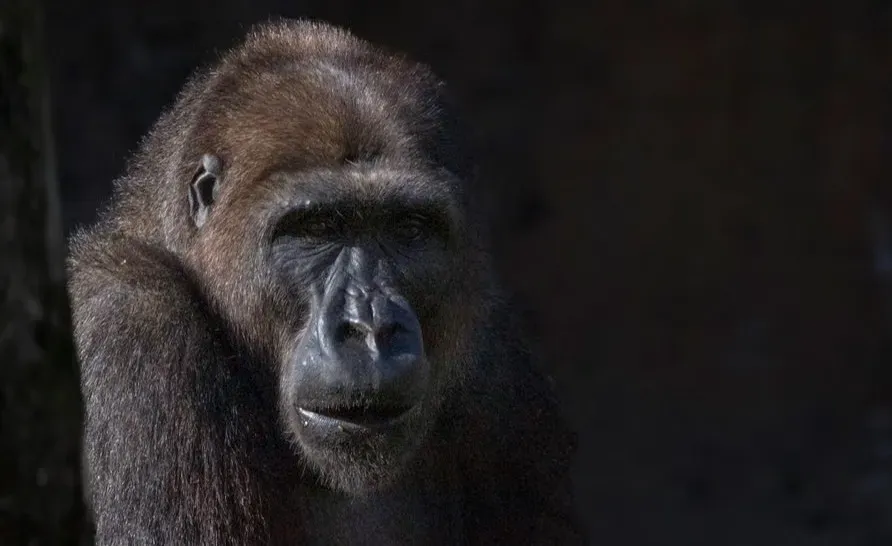
Matt Reeves took over from Rupert Wyatt’s Rise of the Planet of the Apes and delivered a sequel with far greater emotional and political depth. Andy Serkis’s motion-capture performance as Caesar became a benchmark for how effective the technology could be in conveying complex character work. The film explored themes of trust, leadership, and the fragile line between coexistence and conflict with more nuance than its predecessor attempted.
Critics widely praised it for balancing large-scale spectacle with intimate character drama, something the franchise reboot had only partially managed. It holds strong standing among critics as one of the best entries in the modern iteration of the franchise. The film’s success also paved the way for War for the Planet of the Apes, which many view as closing out one of the strongest trilogies in recent blockbuster history.
Great sequels tend to share a few things in common: filmmakers willing to take risks, characters given room to grow rather than repeat themselves, and a willingness to shift tone or genre when the story calls for it. The ten films above didn’t just avoid the usual sequel pitfalls, they used the extra space to tell stories the originals never could.
Partner offer
Planning a trip to Vegas?
Compare hotel rates and show tickets on VEGAS.com.