Most superstitions get written off as irrational folklore, the kind of thing you follow out of habit without really thinking about it. Yet a closer look at where many of them came from reveals something more interesting: a lot of these so-called irrational beliefs started as genuinely sensible advice.
More often than not, among all the supernatural folklore, a practical reason can be found for the creation of these beliefs. Many began as safety warnings, cultural traditions, or attempts to explain the unknown. Over time, the practical logic faded, the supernatural gloss stuck, and a superstition was born. Here are nine that trace back to something very real.
1. Don’t Open an Umbrella Indoors
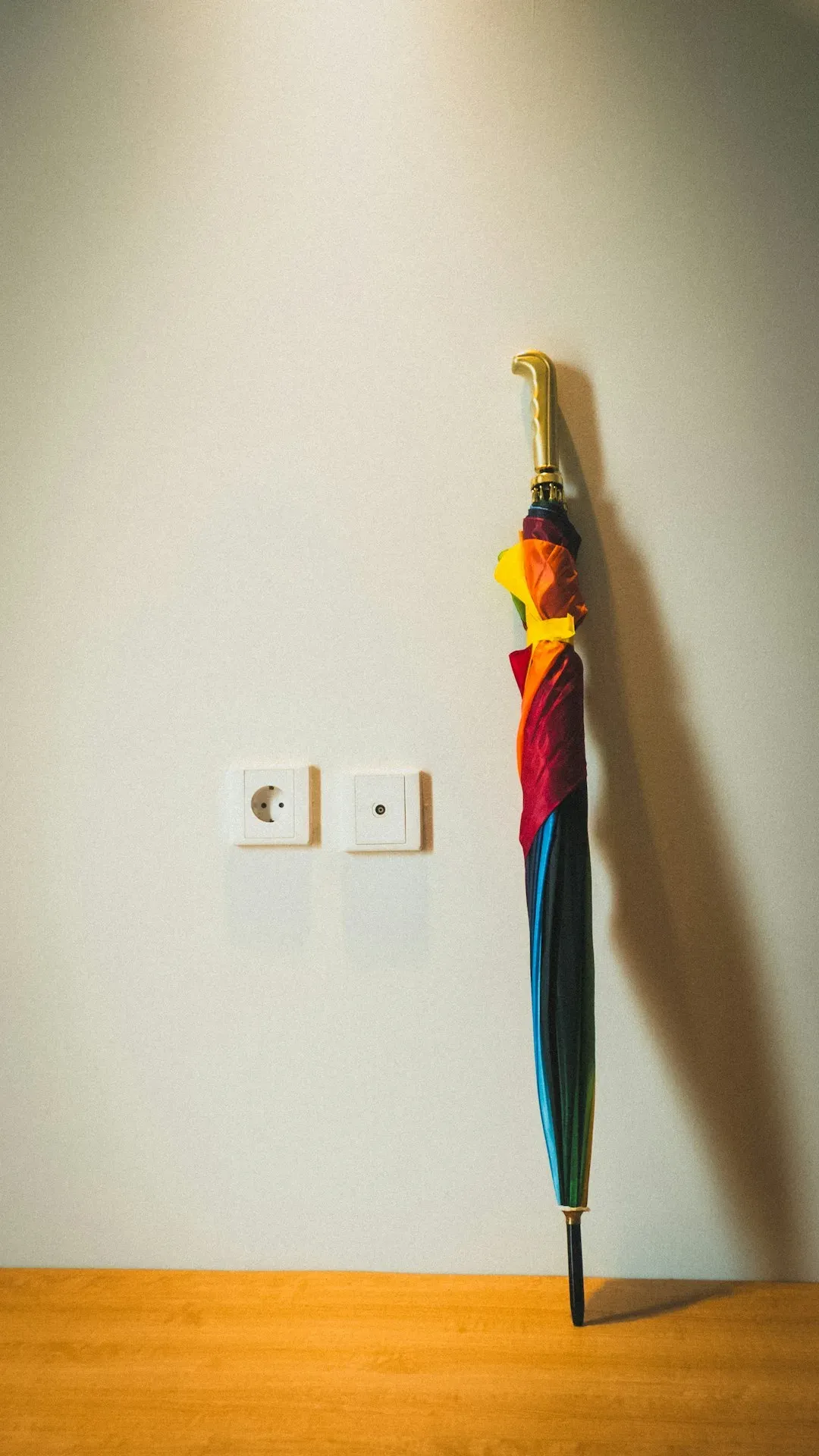
In the 18th century, when umbrellas first became popular in Europe, they were much larger and equipped with stiff metal spokes. Opening one indoors could cause damage or injure someone in close quarters. The mechanisms were spring-loaded and unpredictable, which made deploying one in a cramped Victorian hallway a genuinely hazardous act.
What started as a practical warning likely evolved into a superstition about attracting bad luck. The idea that you shouldn’t open an umbrella indoors is an interesting example of a superstition many people follow but few know why. It seems to be a case of practical good advice that morphed into a superstition over time.
2. Never Walk Under a Ladder

This superstition really does originate 5,000 years ago in ancient Egypt. A ladder leaning against a wall forms a triangle, and Egyptians regarded this shape as sacred. To them, triangles represented the trinity of the gods, and to pass through a triangle was to desecrate them. The religious meaning gave it staying power, but it wasn’t the only reason to heed the warning.
The more immediate concern was plain physical danger. Medieval construction was chaotic. Workers were constantly dropping things. Walking under a ladder wasn’t tempting fate – it was just stupidly risky. People actually died from this stuff. In England in the 1600s, criminals were even forced to walk under a ladder on their way to the gallows.
3. Spilling Salt Brings Bad Luck

Salt wasn’t seasoning. It was currency. The word salary comes from the Latin salarium, meaning a soldier’s salt payment, making spilled salt, historically, the equivalent of dropping cash on the floor. The superstition has roots reaching all the way back to ancient Sumer, around 3,500 B.C., when salt was so valuable it was used to pay workers and was seen as a sacred offering to the gods.
Long ago, salt was an expensive commodity with many useful purposes. Wasting salt was frowned upon, and so it is suggested that people just started saying it was bad luck so they would be more careful with it. The remedy, throwing a pinch over the left shoulder, came later. The left side was believed to be the haunt of evil spirits, and this quick gesture was supposed to blind any lurking demons.
4. Three on a Match Is Bad Luck

Known as “three on a match” or “third on a match,” this is a superstition among soldiers dating from the Crimean War through World War II. The belief holds that if three soldiers light their cigarettes from the same match, the third person will be shot. The logic was not supernatural at all.
The belief was that when the first soldier lit his cigarette, the enemy would see the light; when the second soldier lit his cigarette from the same match, the enemy would take aim; and when the third soldier lit his cigarette, the enemy would fire. The belief subsequently broadened into a general taboo against three people sharing a single match, and has been referenced in Western popular culture, including films and novels.
5. Black Cats Crossing Your Path
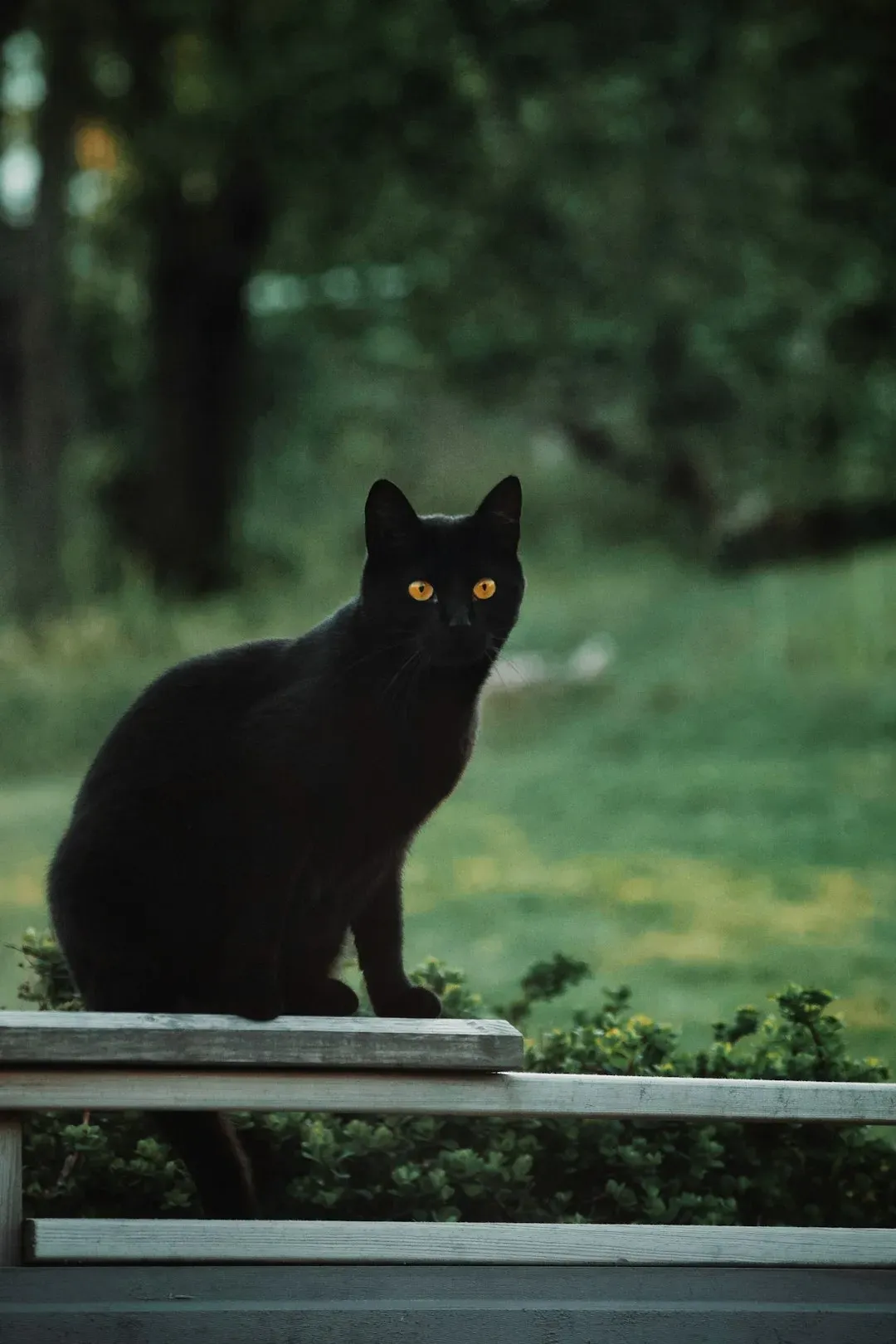
Black cats were worshipped long before they were seen as unlucky. In ancient Egypt, cats were sacred animals linked to the goddess Bastet, who represented home, fertility, and protection. Harming a cat was considered a serious crime. Black cats were often welcomed into homes because they were believed to bring blessings and guard against harm.
Partner offer
During the Middle Ages, it wasn’t uncommon for cats to be killed, given their association with evil. Some people even went as far as blaming cats for spreading the Bubonic plague and used that as another reason to get rid of them. However, their ill-conceived plan backfired. The killing of the cats helped fuel the spread of the plague – by removing the animals that were keeping the rat population in check. What began as a practical matter of pest control had become dangerously entangled with superstition, with fatal consequences.
6. Knocking on Wood

This is one of those strange superstitions that dates back to ancient pagan cultures across Europe, who believed that spirits and gods inhabited trees. Knocking was a way to communicate with those spirits, to ask for protection or give thanks. It wasn’t arbitrary noise – it was a specific, intentional act directed at something people genuinely believed was there.
The reason that people knock on wood comes from the pagan belief that good spirits lived in the trees. In order to get something that you want, ask for protection, or show gratitude, you were to knock on the tree to communicate with the spirit. On the flip side, some people believed that you knock on wood to ward off bad spirits. In the Christian tradition, the superstition may also have ties to the idea of invoking the holy power of the cross.
7. Breaking a Mirror Means Seven Years of Bad Luck

In ancient Greece, it was common for people to consult “mirror seers,” who told their fortunes by analyzing their reflections. Divination was performed by means of water and a looking glass, called catoptromancy. The mirror was dipped into the water and a sick person was asked to look into the glass. If his image appeared distorted, he was likely to die; if clear, he would live.
Some people believe the reason breaking a mirror causes all those years of bad luck comes from an age when mirrors were considered luxury items and the cost of replacing a broken one would be equal to seven years of a peasant’s salary. Romans also believed that the human body completely renewed itself every seven years, so if you broke a mirror, you would face seven years of bad health. Two separate fears converged into one very durable superstition.
8. Whistling at Night Is Dangerous

The superstition against whistling at night reflects ancient beliefs about the dangers of the dark. In medieval Europe, the night was perceived as inhabited by witches, demons, and other malevolent entities. Whistling was seen as an invitation to these supernatural beings, potentially leading to illness, possession, or other misfortunes.
Whistling at night on land is bad, but doing it at sea is even worse. Sailors are a superstitious group by nature, and they historically regarded night whistling as an ill omen on the high seas. The eerie sound of whistling wind in the dark was seen as a forewarning of impending storms or other maritime disasters. For sailors navigating by experience and limited instruments, a sudden loud noise at night that masked approaching sounds of wind or weather was a genuinely risky thing to do.
9. The Evil Eye
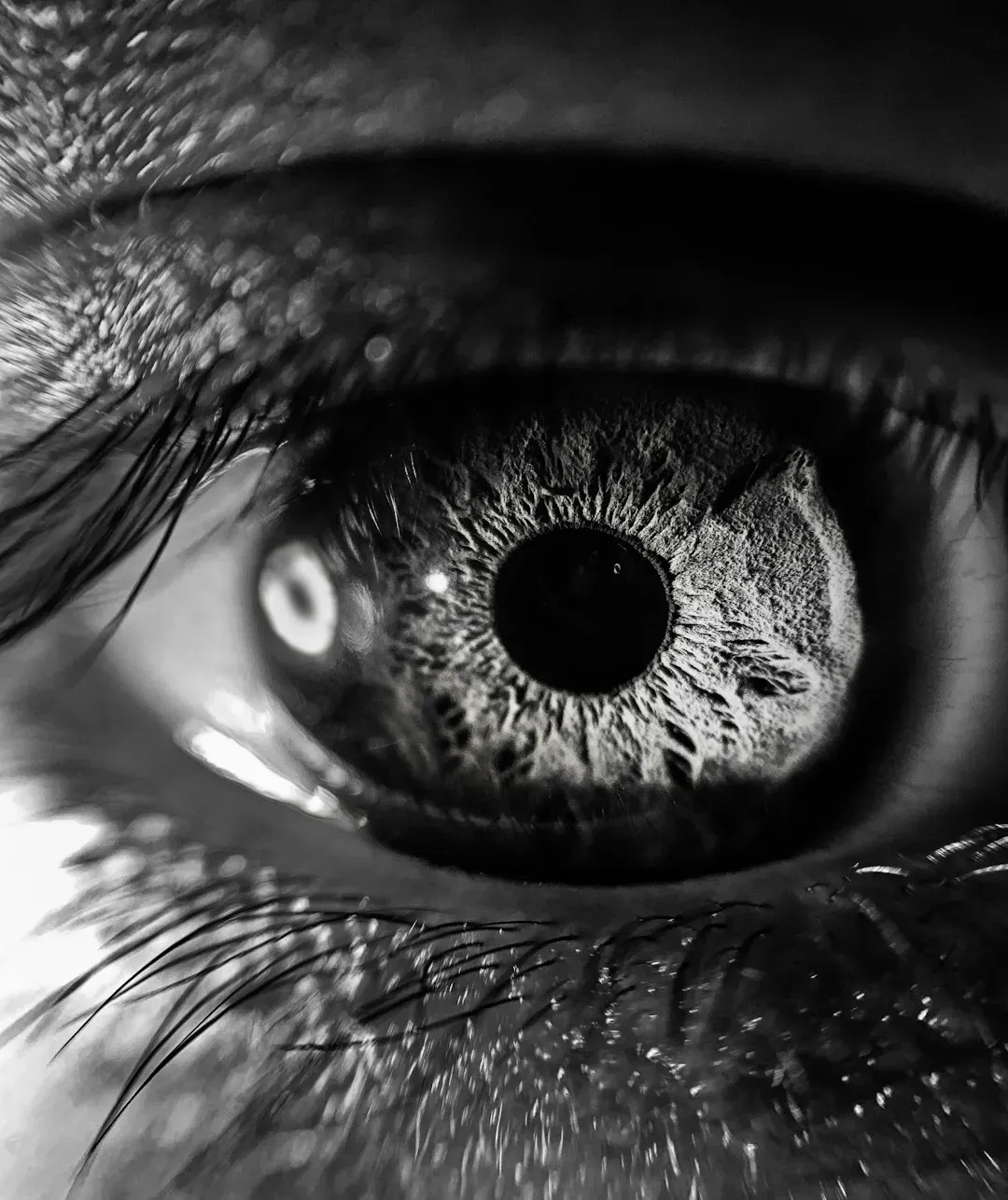
One of the world’s most widespread ancient superstitions is perhaps that of the evil eye. Deeply rooted in human history, with origins stretching back over 3,000 years, this is a belief that malevolent glares can bring down harm and misfortune on unsuspecting victims. The belief traces back to ancient Mesopotamia. Clay tablets unearthed from the 7th century B.C. provide evidence of this superstition and the incantations used to ward off its effects.
Over time, the belief spread across cultures, leading to the creation of protective symbols like the blue and white “eye” commonly found in Greece and Egypt. The real warning embedded in this belief was social in nature: envy and admiration from others could lead to visible behavioral changes, acts of sabotage, or social competition that genuinely threatened a person’s standing or safety. Turning that social tension into a spiritual concept gave communities a shared framework for managing it.
What makes these nine superstitions genuinely interesting is not that they survived for centuries, but why they did. Superstitions aren’t random. They are survival codes we kept, even long after we outgrew the danger. The supernatural packaging was essentially a delivery system – a way of making sure practical advice stuck across generations that had no written manuals, no safety regulations, and no occupational health guidelines. The rule outlasted the reason, but sometimes the rule was the whole point.
Partner offer
Planning a trip to Vegas?
Compare hotel rates and show tickets on VEGAS.com.