Music history is quietly littered with records that arrived and disappeared almost instantly. No fanfare, minimal radio play, indifferent distributors, critics who either ignored them or got it wrong. Some of these albums sold only a few hundred copies. Others were shelved before they could breathe.
It’s a strange truth of music culture: what later defines entire genres can initially slip past critics, record buyers, and even the artists’ own labels. The reasons are often as revealing as the music itself. Sometimes the sound is too raw, too strange, or too far ahead of its time to find a home in the mainstream. Sometimes poor promotion or distribution leaves masterpieces stranded in obscurity. What follows are ten of the most remarkable redemption stories in recorded music.
The Velvet Underground & Nico – The Velvet Underground & Nico (1967)

The Velvet Underground’s debut album with German vocalist Nico bombed spectacularly when it dropped in 1967, barely scraping to number 199 on the Billboard charts. Critics found its experimental sound and taboo subjects like drug use and sexual deviance too “abrasive” to handle, as it was just too far outside what people thought pop music should be. To make matters worse, Verve Records barely promoted it, and then had to recall it due to legal issues.
At its release in 1967, the record sold poorly and baffled critics. Its confrontational sound was far removed from the psychedelic optimism dominating the era, and although Andy Warhol’s iconic banana cover drew attention, little translated into commercial sales. For years, the album seemed like a cult artefact, appreciated by only a small circle of avant-garde enthusiasts, before later generations recognized its revolutionary power. Brian Eno famously remarked that “not many people bought it, but everyone who did started a band,” highlighting the outsized impact that the Velvets’ debut had on generations of musicians.
Big Star – #1 Record (1972)

Given Alex Chilton’s teenage fame as the voice of the Box Tops’ Hot 100 chart-topper “The Letter,” there was good reason in 1972 to believe that his new band, whose label Ardent was distributed by soul powerhouse Stax Records, had a bright future. While #1 Record’s homespun sound and insistent hooks gained positive reviews from the press, Big Star struggled to tour or land radio airplay, and few copies were stocked on record store shelves.
The title was a hopeful irony that turned into a tragedy. Despite glowing reviews, crippling distribution issues meant that almost no one could actually buy the album when it came out. Alex Chilton’s perfect power-pop songs became a secret handshake among musicians, eventually influencing everyone from R.E.M. to The Replacements. It is now regarded as the blueprint for alternative guitar pop, though the band never saw the benefits of its fame.
Pixies – Surfer Rosa (1988)

Despite its overwhelming retrospective praise, Surfer Rosa was a commercial dud in the United States at the time of its release in the late 1980s and, at its best, a modestly successful indie-rock record. The debut, released through the British label 4AD on March 21, 1988, later distributed to the United States through Rough Trade Records, got considerably more buzz abroad than domestically. As 4AD was an independent label, distribution in the United States was handled by Rough Trade Records; however, it failed to chart in either country. Only one single was released, a re-recorded version of “Gigantic,” and it reached number 93 on the UK Singles Chart.
Today, Surfer Rosa is seen as one of the most influential albums of the 1980s, shaping the DNA of grunge, indie rock, and beyond. Its abrasive sound, cryptic lyrics, and sudden dynamic shifts – especially the quiet/loud/quiet approach – became a hallmark of alternative rock, influencing bands from Nirvana to Radiohead. Many alternative rock artists, including Billy Corgan and PJ Harvey, have cited the album as inspirational; Nirvana’s Kurt Cobain frequently acknowledged that Surfer Rosa was a strong influence on Nevermind, and in 1993, Cobain hired the album’s recording engineer Steve Albini to record his band’s album In Utero.
Rodriguez – Cold Fact (1970)

The debut album of Sixto Rodriguez was released on March 13, 1970 via Sussex Records. Despite Billboard giving Cold Fact a four-star review, the album only sold a few hundred copies in the United States. The album sank without trace, thanks in part to some of Rodriguez’s more idiosyncratic behavior, like performing at an industry showcase with his back to the audience throughout. When the follow-up, 1972’s Coming From Reality, also sold poorly, Rodriguez called an end to his recording career.
Unbeknownst to Rodriguez, his album became a massive, multi-platinum success in South Africa, where he was considered as famous as Elvis or The Beatles. The story of his discovery by his own fans and his eventual return to the stage was immortalized in the documentary Searching for Sugar Man, turning a forgotten folk singer into a global icon. In 1998, Cold Fact was awarded a platinum disc in South Africa, and was five-times platinum in Australia.
Nick Drake – Pink Moon (1972)

During his lifetime, Nick Drake’s Pink Moon went almost entirely unnoticed, with minimal sales and little critical attention. The album’s spare arrangements and melancholic songwriting were quietly powerful, but only found appreciation years later. The album’s minimalistic and haunting folk sound was too subdued for the era’s rock and roll landscape. Drake recorded the entire album alone in just two sessions, with no other musicians present.
Partner offer
Rediscovered by new generations, its haunting beauty and intimate atmosphere have inspired countless artists and listeners alike. Today, Pink Moon is celebrated as a masterpiece of minimalist folk and a poignant testament to Drake’s enduring legacy. As Drake’s tragic story and unique sound gained attention posthumously, Pink Moon was reevaluated and is now hailed as a masterpiece of melancholy and introspection. Its influence can be heard in the work of countless singer-songwriters today.
The Stooges – Fun House (1970)

At the time of its release, Fun House by The Stooges was largely ignored by critics and failed to gain traction commercially. Its wild energy and abrasive sound proved too much for many listeners, but its raw power would soon prove prophetic. Iggy Pop’s band had already been written off as a novelty act by many, and this second album, even rawer than their debut, confirmed most critics’ worst fears.
As punk rock exploded later in the decade, Fun House was rediscovered as a foundational proto-punk record, revered for its ferocity and influence on the genre’s pioneers. Today it sits near the top of nearly every serious list of pre-punk essentials, a live-in-the-studio document of a band completely unleashed. The album’s influence reaches from The Ramones through to the no-wave movement and well into the noise rock of the 1990s.
Joy Division – Unknown Pleasures (1979)

On release in 1979, Joy Division’s debut LP initially sold modestly, confined to independent circles. Its bleak soundscapes and Ian Curtis’s stark vocals alienated mainstream listeners expecting punk energy or pop accessibility. Even critics were divided, some finding it simply too dour.
After Curtis’s death in 1980, however, the album took on an almost mythic status. By the mid-1980s, it was seen as the founding statement of post-punk, inspiring a generation of bands including The Cure, the Bunnymen, and U2 with its icy production and emotional depth. Its reassessment grew further with the rise of alternative rock and later with films and documentaries that cemented Joy Division’s legacy. Today, it stands as one of the most iconic debuts in rock history.
Weezer – Pinkerton (1996)

When Pinkerton arrived, it caught both critics and fans off guard. The album’s confessional lyrics and gritty production were a stark contrast to Weezer’s polished debut. Initially, the raw emotion and vulnerability led to harsh reviews and disappointing sales. Rolling Stone readers even voted it the third worst album of the year, and the backlash hit frontman Rivers Cuomo so hard that he publicly called the record “a hideous mistake.”
Something strange happened over the next decade, though: a passionate cult following developed around the album, connecting deeply with its emotional rawness. By the early 2000s, the same publications that had ripped it to shreds were now hailing it as a misunderstood emo masterpiece that had influenced a whole generation of introspective rock bands. Over time, listeners grew to appreciate its honesty and intensity, hailing it as a foundational emo and alternative rock album. Today, Pinkerton is seen as a cult classic, influencing countless bands and earning its place in music history.
The Zombies – Odessey and Oracle (1968)
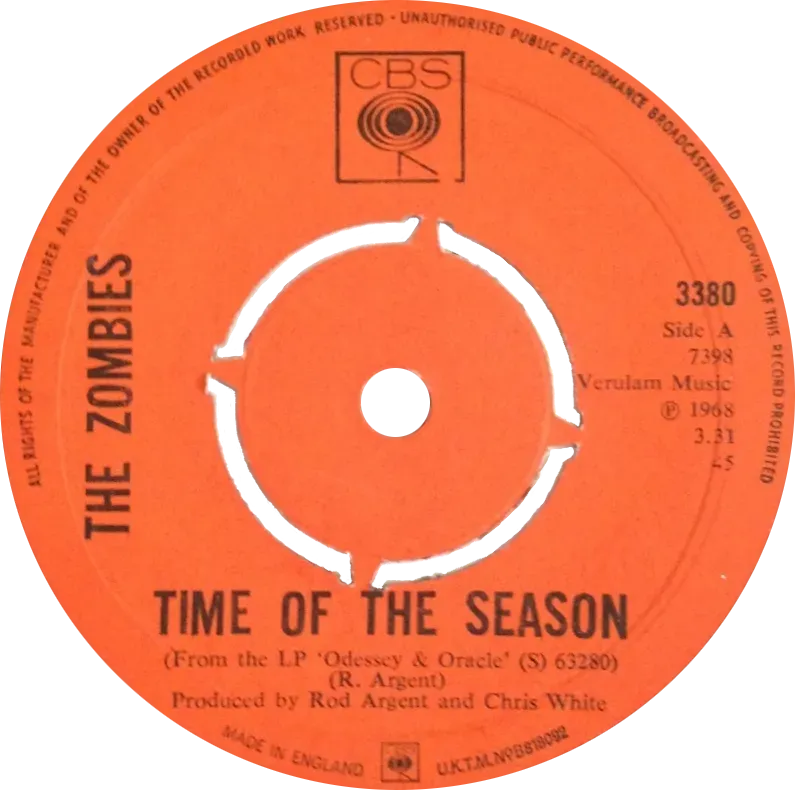
Released after The Zombies had already disbanded, Odessey and Oracle was nearly lost to time. Its lush harmonies and inventive songwriting went largely unnoticed at first, overshadowed by bigger names of the psychedelic era. The band had actually broken up before the album even came out, meaning there was no one left to promote it or tour behind it. It sold almost nothing in its initial run.
Years later, the album’s vibrant melodies and intricate arrangements earned it cult status, with fans and musicians alike praising its beauty. The album’s vibrant melodies and intricate arrangements earned it cult status with fans and musicians alike praising its beauty. Today, it’s widely recognized as a classic of psychedelic pop. Its song “Time of the Season” became a top-ten hit in the United States years after its original release, introducing the band to an entirely new generation.
Wilco – Yankee Hotel Foxtrot (2001)

Yankee Hotel Foxtrot nearly didn’t see the light of day. Wilco’s label famously rejected the album, forcing the band to stream it online for free. Despite this rocky start, the record slowly caught fire, resonating with listeners through its experimental blend of Americana and art rock. The label’s rejection was so definitive that the band essentially gave the album away before eventually finding a new home for it.
Critics and fans alike now hail Yankee Hotel Foxtrot as a defining work of 21st-century indie music, marking Wilco’s creative peak. The story of its rejection and eventual triumph became as legendary as the music itself, a case study in how institutional gatekeeping can completely miss the point. The music world is full of stories about misunderstood albums that critics and fans initially rejected but later embraced as groundbreaking masterpieces. These musical revelations often challenged conventions, arrived ahead of their time, or marked such dramatic departures from artists’ previous work that listeners simply weren’t ready for them.
Partner offer
Planning a trip to Vegas?
Compare hotel rates and show tickets on VEGAS.com.