Sitting on the other side of the table, casting directors see something most actors don’t fully appreciate: the patterns. After watching hundreds, sometimes thousands, of auditions for a single project, they start to notice not just who’s talented, but how talent reveals itself, and how it gets buried. The things they pick up on are rarely as dramatic as a missed line or a cracked voice.
Much of what registers happens before a single word of the script is spoken. It lives in the walk to the mark, the energy in the room, the way an actor holds eye contact or avoids it. These are the nine things that come up again and again, in sessions from New York to London, from independent theatre to network television.
1. Whether You Walk In Prepared or Just Hope for the Best


The audition starts the moment you walk into the room, not just when you start performing the lines. Casting directors are looking for actors who are going to be easy to work with as much as they’re looking at how they perform the part. That distinction matters more than most people realize. There’s a difference between an actor who has genuinely lived inside the material and one who’s skimmed it that morning.
Many actors enter the audition room underprepared, relying heavily on their ability to improvise or their natural charm to impress. This approach not only underestimates the complexity of the role but also risks portraying a lack of professionalism and dedication. Audition panels can easily distinguish between an actor who has invested time in their preparation and one who hopes to skate by on spontaneity. It shows, every single time.
2. The Presence You Carry Before the Scene Begins


It’s a type of confidence that isn’t arrogant or displayed by over-the-top shows of bravado. Instead, it comes across as a grounded and compelling presence that has the power to command the attention of the audience. Casting professionals describe this quality repeatedly, even when they struggle to name it precisely.
Many casting professionals describe a certain type of quality in promising actors that can be hard to put into words. Casting director Christine Sheaks has noted that actors need to know who they are and be connected to it before they get in the room, and that what makes an actor different is what’s going to get them the job. That self-knowledge reads immediately, even in a brief slate.
3. Whether Your Choices Are Bold or Borrowed


The ability to bring your own new perspective and insight into a role is key, even if you’ve seen dozens of other actors play the same role. Casting directors sit through an enormous volume of identical interpretations. An actor who comes in with a genuine, specific point of view stands out immediately, not because they’re eccentric, but because they’re committed.
Casting director Ani Avetyan has advised actors to make bold choices, making sure they fit within the story and the life of the character, and stressing that actors should not go with the same clichéd choices that every other actor is going to make. Actors should make strong, confident choices and slow down to stay present and deliver a clear performance. The room notices when someone commits.
4. How You Handle a Redirect

Following directions is crucial in an audition, yet it’s a mistake that actors often make. When you’re given a direction, make sure you understand it fully and ask questions if you’re unsure. Don’t be afraid to make bold choices, but also be open to feedback and adjustments. This is one of the fastest tests of whether someone is genuinely coachable or just performing coachability.
Of course, you should be prepared and make strong choices with the material. However, you must not be so attached to your choices that you can’t take direction in the room. If a casting director gives you a direction, the advice is to breathe deep, see how it lands, and go for it. The willingness to genuinely shift, rather than just slightly adjust your original take, is something casting directors notice every time.
5. Whether You’re Actually Listening
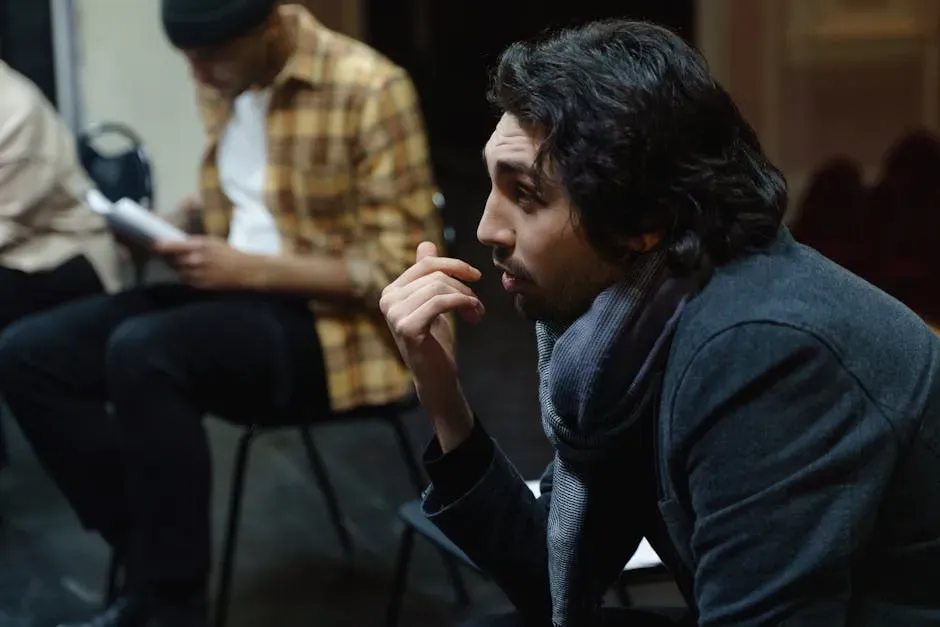
Casting director Jessica Sherman has pointed to listening as one of the most essential skills in the room, noting that actors should listen to the reader when in the scene and then listen to the direction given about it. Listening sounds passive, but in an audition context it’s an active, observable skill. An actor who is truly receiving what their scene partner gives them looks and feels completely different from one who’s simply waiting for their next line.
Virtual sessions allow the casting director to get a sense of how the actor listens and responds, and to stop and start them in real time to give direction or clarification. Whether in person or on screen, the quality of listening shapes everything around it. It affects timing, emotional authenticity, and the sense that something real is happening in the scene rather than something rehearsed.
6. Apologies, Excuses, and Stopping Mid-Scene

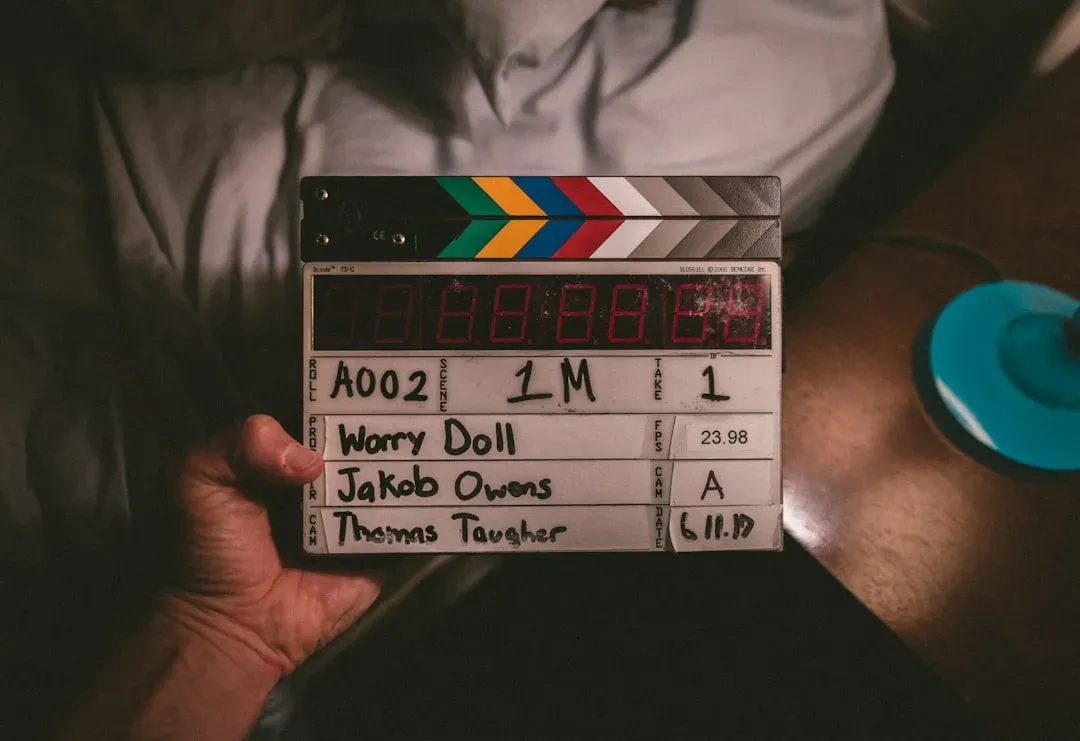
Many actors come in for an audition where they stumble over lines and keep asking to restart the scene. Humans make mistakes, and there are going to be times when we stumble over words, and that’s okay. If you really feel it’s important to start over, do it, but don’t apologize for making a mistake. When someone apologizes, it makes casting directors think they’ll have to hand-hold them through the project.
Stopping in the middle of your scene conveys to the casting director that you are not prepared and that you’re trying to find something. It also puts unnecessary pressure on you, the actor, to follow up with something absolutely superb. The instinct to pause and apologize is understandable, but it tends to derail what might have been a perfectly usable read.
7. The Energy You Bring Into the Room

An actor’s low energy can be felt the moment he or she walks into the room. Actors can be prone to playing it safe, which is an attempt at acting “natural” when it comes to auditioning. This can manifest itself into low energy. The need to act natural often comes from being insecure about taking chances and making bold choices. Playing it safe is rarely the safe option.
There’s a clear difference between somebody who comes in with a sense of desperation and someone who comes in to do the work and have fun with the opportunity. If someone is fighting direction or just not being a pleasant human being, they probably won’t be brought in again. It’s the casting director’s job to create a safe environment in the room, and the actor’s job to bring in good energy.
8. Self-Tape Quality and Technical Awareness


As casting directors sift through thousands of digital submissions, the bar for quality continues to rise. A strong self-tape in 2025 requires more than just a clear read of the lines. It’s about presentation, authenticity, and technical execution. Poor audio or unflattering lighting can undercut an otherwise compelling performance before anyone has focused on the acting itself.
You don’t need to own lights, but you do need to make sure you’re in a well-lit room with lots of natural light that will be even on your face. Casting directors want to see your whole face, so shadows are worth avoiding. Sound matters too: find a quiet place with little to no background noise, since even a loud fan or air conditioner can distract from the quality of the self-tape. Social media has become a key part of the casting process, with casting directors often reviewing an actor’s online presence before making decisions.
9. Whether You Seem Like Someone They Can Work With

Casting directors and their clients, the producers and directors, don’t take the process lightly and look for key details in the audition process. Age, height, how well they read the copy, and chemistry are all big factors that lead to decision-making. Chemistry isn’t just about pairing well with another actor. It includes how at ease you make the room feel.
The relationship between an actor and a casting director is a long-term one. If you come in with that mentality, every audition is not so precious and not so stressful. Casting director Dan Hubbard has noted that he likes people to be calm, with a sense of belonging and a sense of purpose, because he has called them in and deemed them talented and up to the job. That sense of ease, the feeling that an actor belongs in the room, is one of the quietest and most decisive signals casting directors say they notice across the board.
The recurring theme across everything casting directors describe isn’t technical perfection. It’s the quality of attention an actor brings, to the material, to the room, and to themselves. Success still hinges on professionalism, preparation, and presence. Those three things don’t cancel out natural talent. They’re what allow it to actually land.