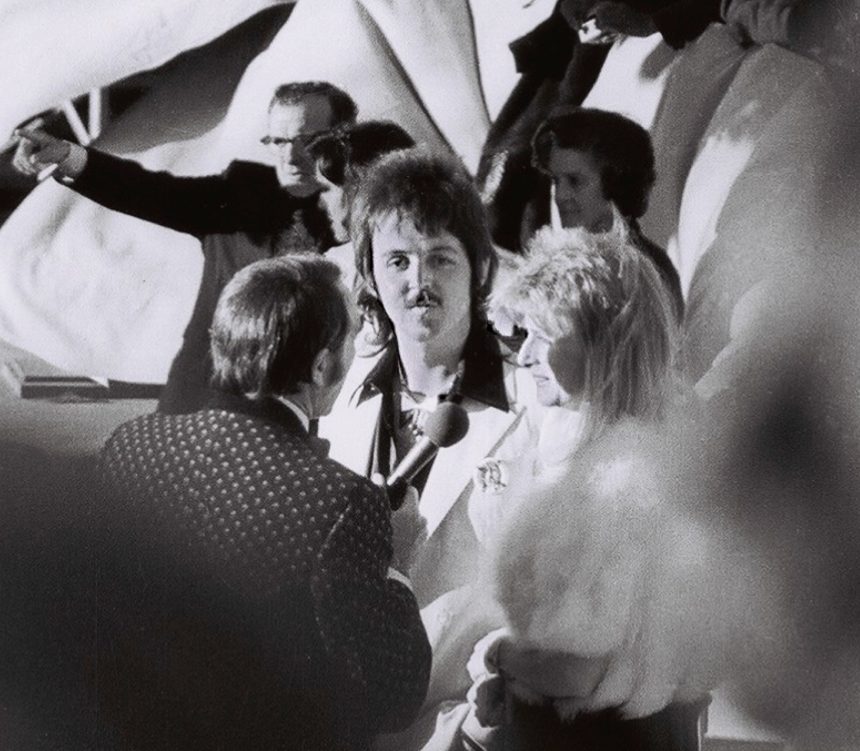
Every celebrity has a story about the fan who did not ask for anything. No selfie, no signature, no request at all. In interviews scattered across the last few years, actors keep circling back to this same small moment, describing it as one of the few times fame feels light instead of heavy. What follows is a look at the recurring themes that show up when movie stars talk about the fans who choose to just say hello.
1. It lets them feel like a regular person for a minute

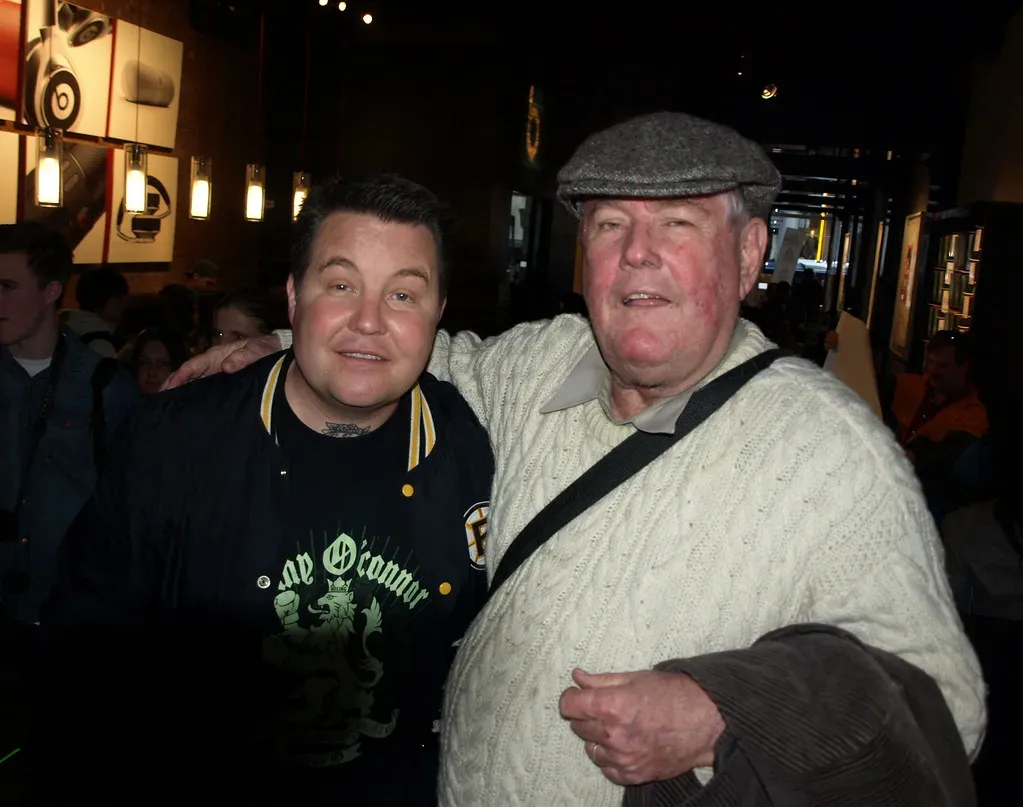
Several actors have described the constant recognition of fame as a kind of performance that never fully switches off. The glamorous lifestyle of a movie star comes with a cost, the almost total loss of privacy, and being recognized wherever they go even during something as ordinary as an afternoon stroll in the park. When a fan walks past without asking for anything, that brief window of anonymity becomes its own kind of gift.
It is a small thing, but stars have talked about how rare it feels to just exist in public without being turned into a photo opportunity. A nod or a smile, without a phone coming out, lets them stay present in whatever they were already doing, whether that is grabbing coffee or walking their dog.
2. It removes a layer of safety concern

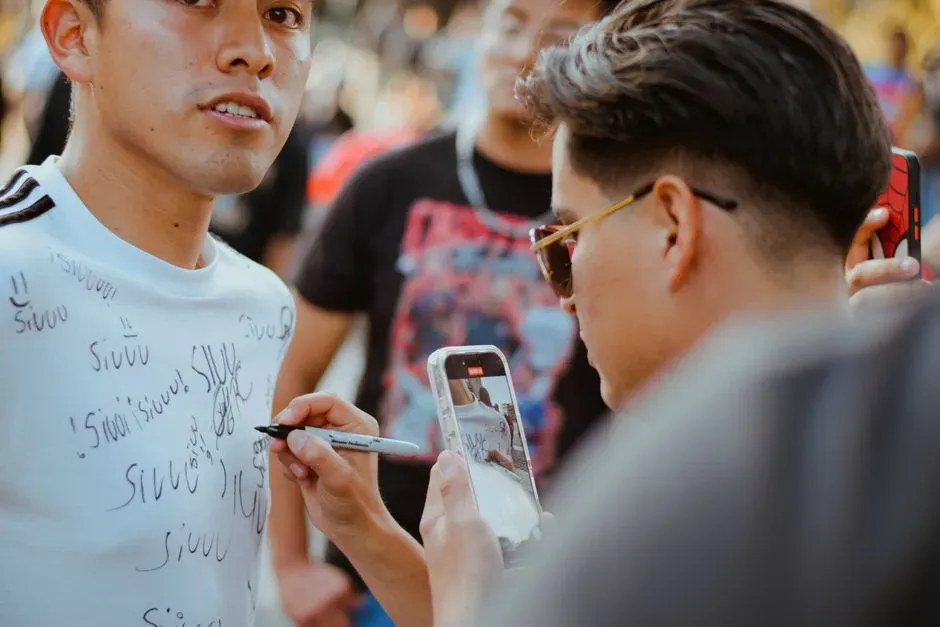
Fame does not just cost privacy, it sometimes raises real safety questions, and several actors have pointed to this directly. Bill Hader has talked about how uncomfortable encounters pushed him away from signing altogether, describing a late night incident where a parent kept a child up until three in the morning just to get an autograph, which he called deeply unsettling. Hader said autograph people do not like him and he will not sign things anymore, recalling one time a fan brought their child up to him at three in the morning to sign a BB-8 toy.
Fans who skip the ask entirely remove that pressure completely. There is no crowd forming, no scramble, no risk of a quiet moment turning into a mob of people all wanting the same thing at once.
3. It feels like a quiet stand against the resale market

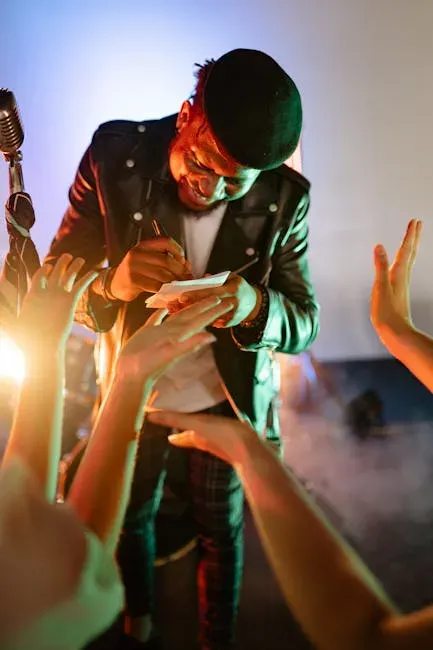
A growing frustration among celebrities involves signed items showing up for sale online within hours of being signed. Charlize Theron addressed this directly during a public moment outside a boutique in Paris, refusing one fan’s request while signing for another. She was seen autographing a photo for one fan and thanking them, while another fan who approached shortly after was refused.
Fans who never bother asking are, in a strange way, opting out of a system that has made some stars suspicious of every request. It signals that the person cares about the actor’s work rather than the resale value of their signature.
4. They notice who treats them as more than a transaction

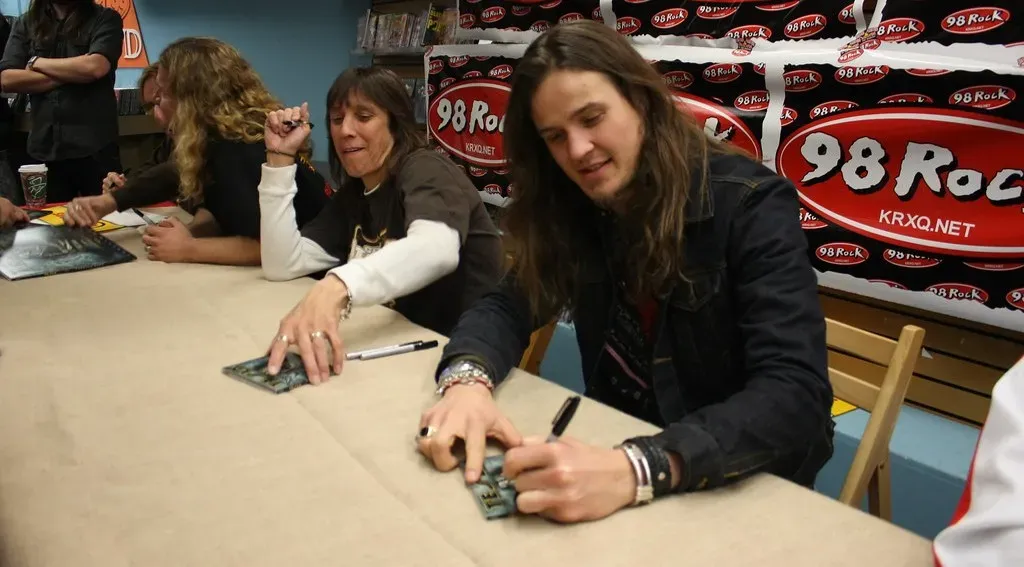
The idea of authenticity comes up again and again in how stars describe fan interactions. Shia LaBeouf has been known to decline autographs from people he suspects are professional collectors rather than genuine fans, and multiple reports note this pattern. He has been filmed declining autographs from people he suspected were professional collectors, explaining that he finds the commercialization of signatures troubling and prefers authentic interactions with actual fans.
A fan who does not ask for anything at all sidesteps that entire calculation. There is nothing to evaluate, no signature to weigh against intent, just a passing human interaction with no strings attached.
5. It opens the door to an actual conversation

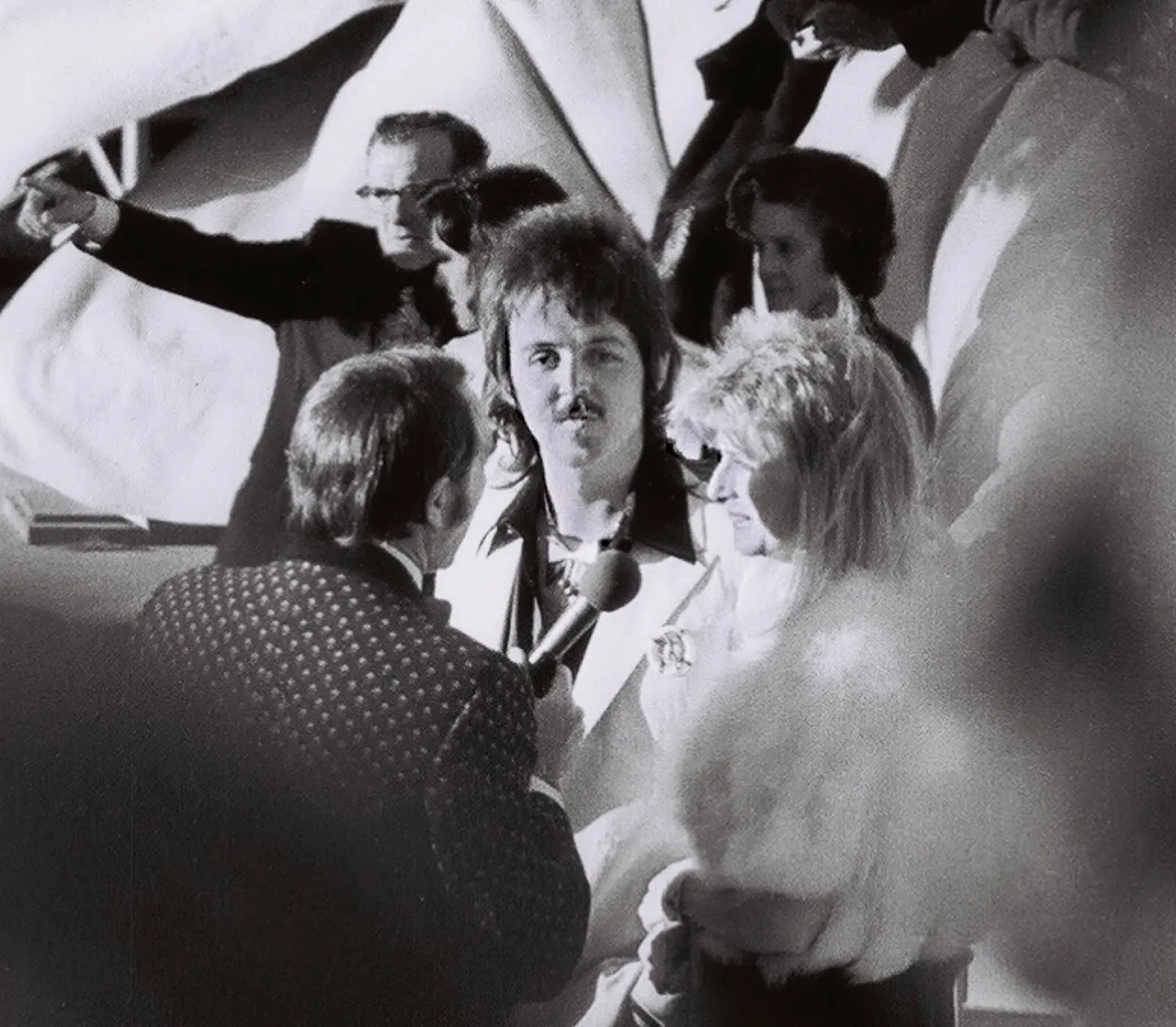
Paul McCartney has spoken about preferring genuine exchanges over the ritual of signing a scrap of paper someone found in their pocket. He has described the process as strange, noting that fans already know exactly who he is without needing proof on paper, and has said he would rather talk with someone than pose for another rushed photo. He explained that what usually results is a poor quality photo with him looking miserable, and instead offered that he would rather chat and exchange stories.
Fans who skip the autograph request sometimes end up having the better encounter without realizing it. A short, unscripted exchange tends to leave a stronger impression on both sides than a hurried signature ever could.
6. It respects the difference between work time and personal time

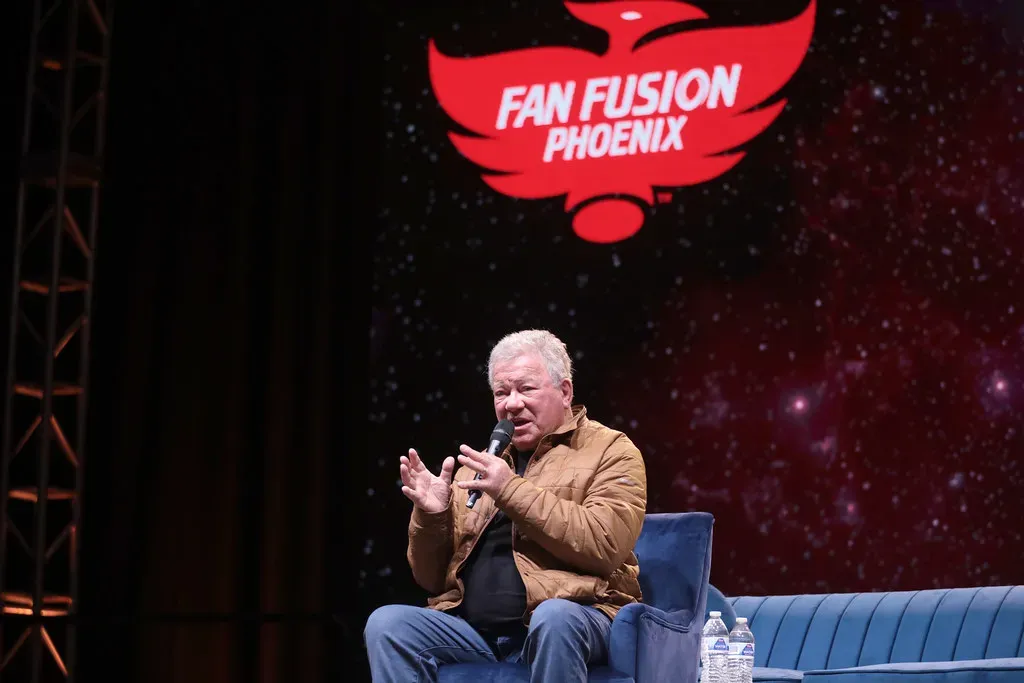
William Shatner has been especially vocal about drawing a line between convention appearances, which he treats as paid work, and his private life. He firmly stated that most who follow him know he does not give autographs in public, and defended the policy by explaining that when he is out and about with family, signing is not appropriate.
Fans who recognize a celebrity is off duty, maybe grocery shopping or picking up their kids, and choose not to interrupt are effectively honoring that same boundary. It is a small courtesy that a surprising number of stars have said they notice and appreciate.
7. It shows an understanding that fame is not a public service

Some actors have pushed back on the idea that being recognizable obligates them to sign anything, anywhere, on demand. Shatner faced criticism online for this stance, with fans arguing that a signature costs nothing but means everything to a devoted fan, yet he held firm that constant requests intrude on ordinary life. His broader point, echoed by other celebrities, is that recognition does not erase the right to a private errand or a quiet dinner.
Fans who understand this distinction, and act on it by simply not asking, are essentially agreeing with that boundary before it even needs to be stated. It removes the awkward negotiation entirely.
8. It gives them back a small sense of control

Bryan Cranston’s decision to stop signing after nearly two decades came from feeling overwhelmed by the sheer volume of requests, not from any dislike of fans. He announced officially in 2018 that he would be retiring from signing autographs after 18 years of doing it, saying he was overwhelmed by requests and could not do it anymore, though he still loves meeting fans and will personalize pictures in person.
Every fan who chooses not to ask, even when they easily could, hands a small amount of that control back. It is one less decision an actor has to make in a day that is often already full of them.
9. It fits how fan culture has quietly shifted
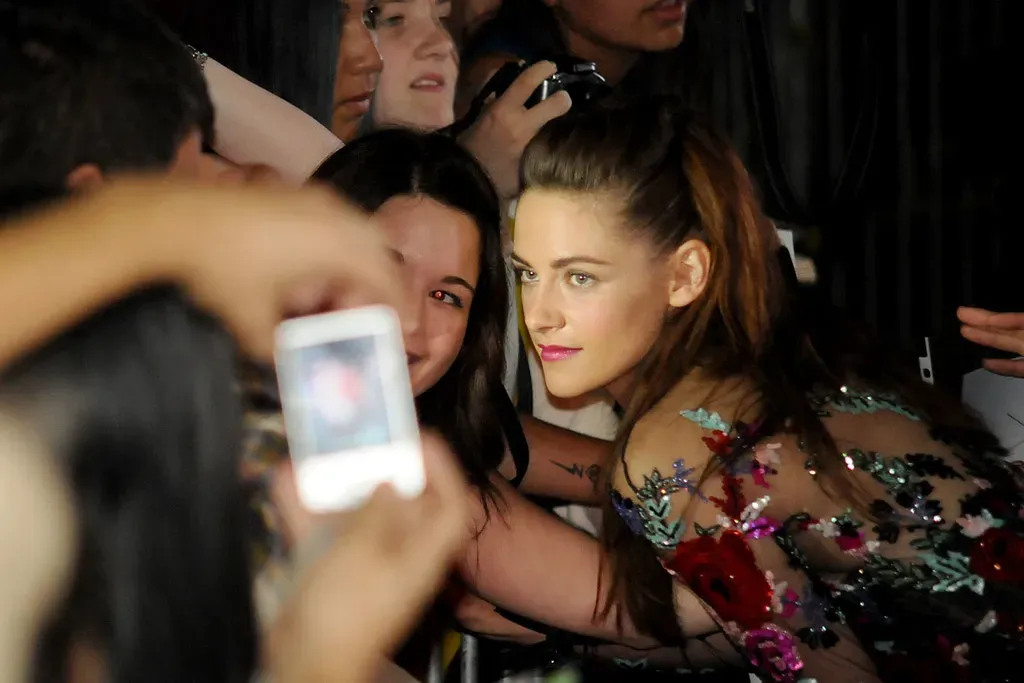
The rise of smartphones has changed what fans actually want from a chance encounter, and several actors have noticed the pen matters less than it used to. Kristen Stewart has spoken about finding the whole signing ritual increasingly outdated, preferring a real conversation or a quick photo over a formal autograph. She finds the whole process uncomfortable and somewhat outdated in the age of smartphones and social media, mentioning in interviews that signing autographs feels impersonal and awkward, and that she would rather have a real conversation or take a quick photo if fans approach respectfully.
Fans who skip the autograph question entirely are, whether they mean to or not, moving with that shift rather than against it. A brief, respectful exchange has quietly become the version of fandom that many stars say they value most.
Across dozens of interviews and public moments, the pattern holds steady. Fans who never ask for an autograph are not seen as less devoted. If anything, actors tend to describe these encounters as the ones that stick with them, precisely because nothing was expected in return.