Watch enough old movies and you start noticing patterns that have nothing to do with plot or acting style. A phone ringing a certain way, a haircut that never quite comes back, the way a character lights a cigarette indoors without anyone blinking. These little details work like fingerprints, quietly stamping a film with its era even when the story itself feels timeless. Some of these markers are obvious once you know what to look for, while others hide in plain sight until someone points them out. Below are nine details that consistently give away the decade a movie was made, whether the filmmakers intended it or not.
1. The Presence (or Absence) of Cell Phones


Nothing dates a film faster than how characters communicate. Movies from the 1990s and earlier rely on payphones, landlines, and answering machines, often building entire plot tensions around missed calls or busy signals. Once cell phones show up in the late 1990s and early 2000s, they start as clunky brick-shaped novelties before shrinking into flip phones by the mid 2000s.
By the 2010s, smartphones become so integrated into scripts that writers have to invent reasons for characters to lose signal or battery just to create suspense. A film with a flip phone practically screams early-to-mid 2000s, while a bulky antenna phone pins it to the 1990s. Even the ringtone can be a giveaway, since early digital tones sound nothing like the polyphonic melodies that followed a few years later.
2. Hairstyles That Never Left Their Decade
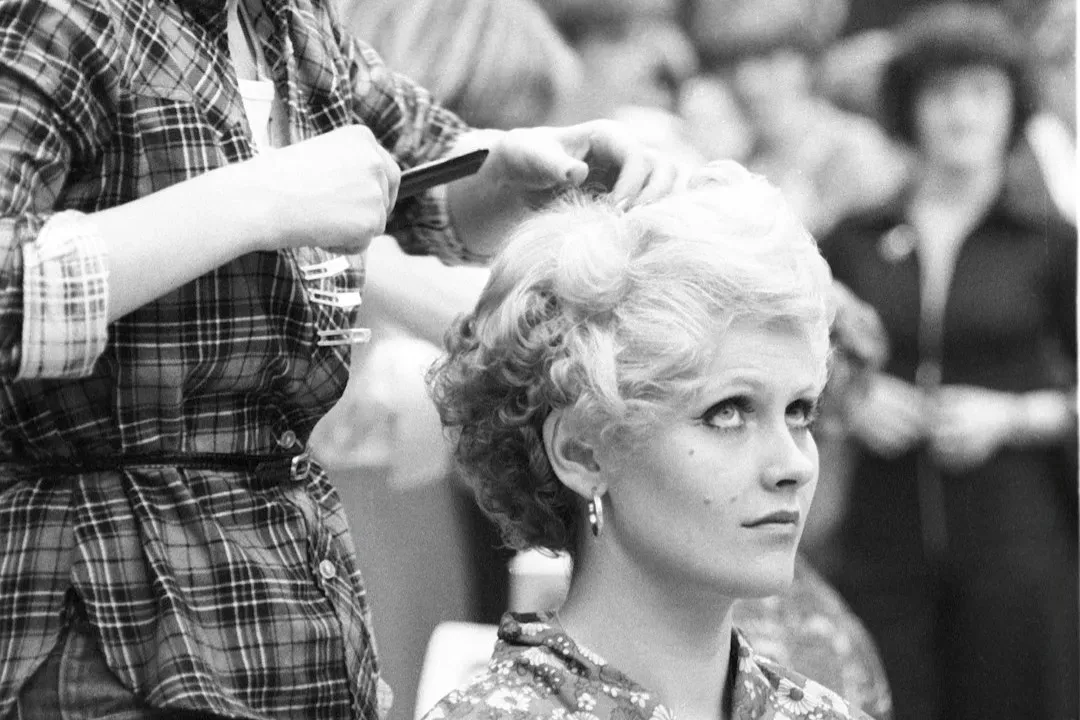
Hair is one of the most reliable time stamps in film, because trends shift fast and actors rarely age out of them mid-shoot. Feathered layers and perms dominate the late 1970s and 1980s, while the choppy, heavily gelled looks of the late 1990s and early 2000s are almost impossible to mistake for anything else. Even side-swept bangs and flat-ironed styles tend to anchor a film firmly in the mid-to-late 2000s.
Men’s hairstyles are just as telling, from the mullets of the 1980s to the spiky, product-heavy cuts of the early 2000s. Costume designers and stylists often try to keep hair timeless for films meant to feel classic, but background actors and extras usually slip through with era-specific cuts. That inconsistency alone can help viewers narrow down a shooting decade even when the main cast looks polished.
3. Technology Visible in the Background

Set dressing often reveals more than the dialogue does. A bulky CRT television, a VCR sitting under it, or a desktop computer with a beige tower instantly signals the 1990s or early 2000s, long before anyone mentions a date on screen. Once flat-screen monitors and laptops with visible webcams start appearing, the film is almost certainly from the mid-2000s onward.
Even small props like digital cameras, portable music players, or car stereos carry strong decade markers. A character fumbling with a CD case in a movie instantly reads differently than one swiping through a phone, and production designers rarely bother updating background tech once a film is locked. These background objects often survive continuity checks because nobody expects audiences to study a bookshelf that closely.
4. The Aspect Ratio and Film Grain
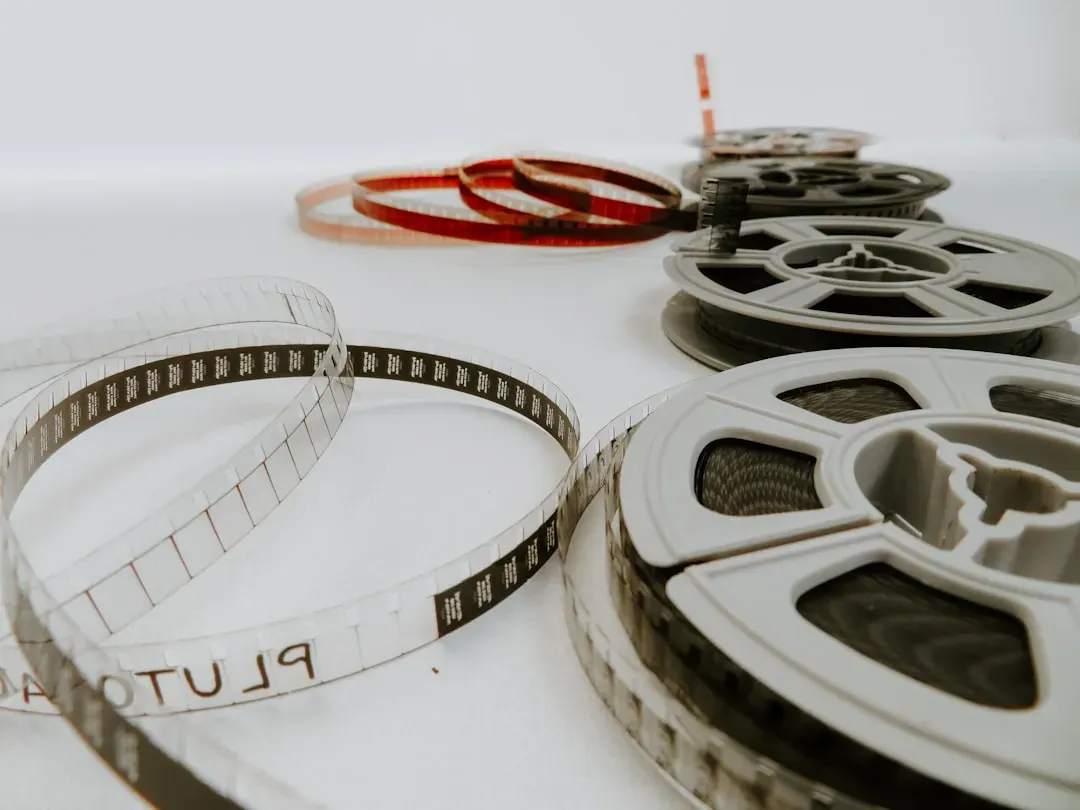
Visually, the shape and texture of a film can tell a trained eye exactly when it was shot. Movies from the 1950s through the 1970s often use wider theatrical ratios paired with visible film grain, since digital color correction did not exist yet. The 1980s and 1990s introduce sharper contrast and more saturated colors as film stock improved, giving movies from that era a distinct warmth compared to earlier decades.
Once digital cinematography becomes standard in the 2000s, grain disappears almost entirely, replaced by a cleaner, occasionally colder look. The teal-and-orange color grading that became popular in the 2010s is its own giveaway, showing up across countless action and thriller films from that period. Even without knowing the plot, a colorist can usually place a film within a five-year window just from its palette and texture.
5. Music Cues and Score Style
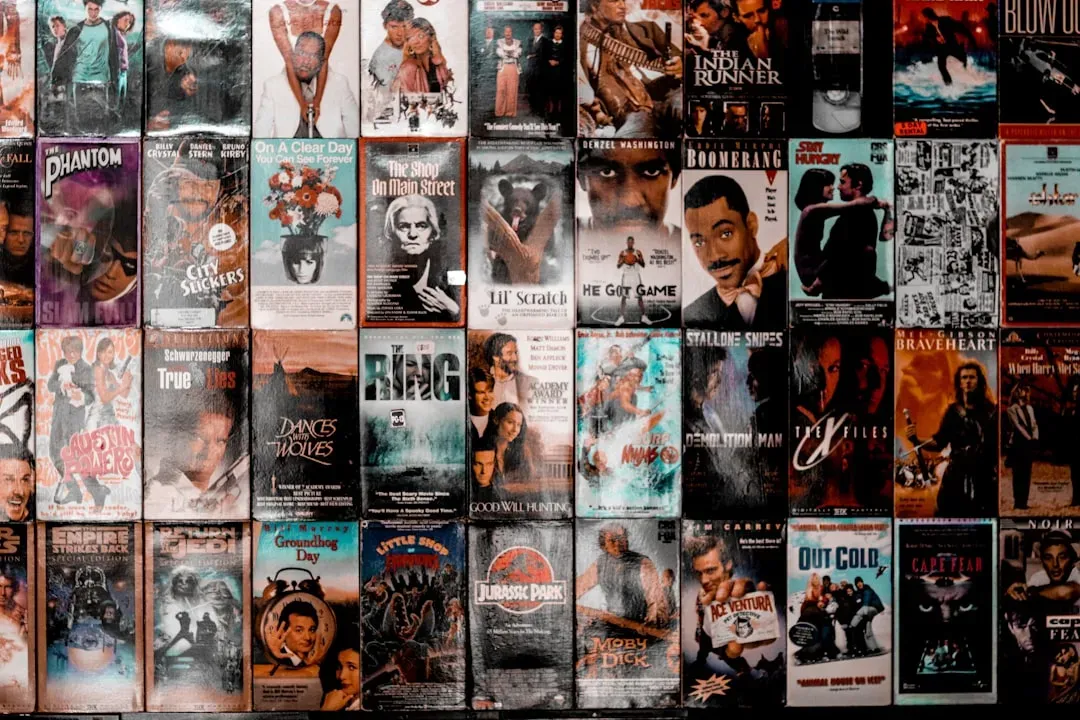
Film scores follow trends just as much as fashion does, and composers rarely escape the sonic fingerprints of their time. Synth-heavy scores dominate the 1980s, while sweeping orchestral pieces make a strong comeback in the 1990s alongside the rise of blockbuster filmmaking. The early 2000s bring a wave of nu-metal and pop-punk soundtrack placements, especially in teen-focused films, which almost never appear outside that narrow window.
Partner offer

By the 2010s, trailer-style bass drops and stripped-down piano themes become shorthand for tension, a style so common it eventually became a cliché critics openly mocked. Licensed songs used in soundtracks are even more specific, since studios typically choose tracks that were popular within a year or two of release. A single needle drop can sometimes date a film more precisely than any visual clue in the frame.
6. Smoking Indoors Without Comment

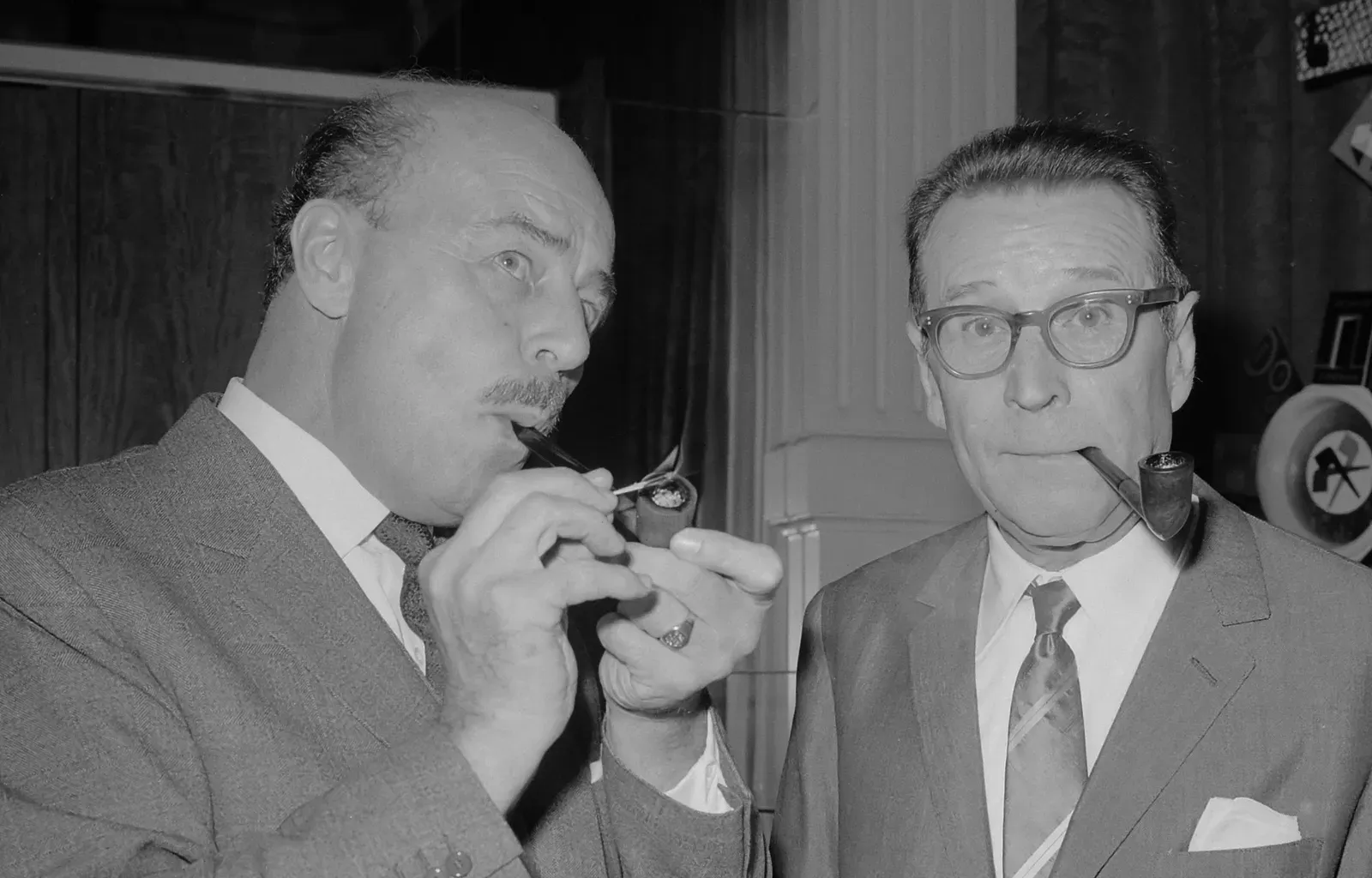
Few details separate older films from newer ones as clearly as smoking habits. Characters lighting cigarettes in offices, restaurants, airplanes, or hospital waiting rooms without anyone reacting almost always places a film before the mid-1990s, when indoor smoking bans began spreading across the United States and much of Europe. Once those laws took hold, filmmakers largely stopped depicting casual indoor smoking unless it served a specific narrative purpose.
Films from the 2000s onward that still show heavy smoking tend to frame it as a character flaw or period detail rather than a background norm. This shift reflects broader public health messaging, and many studios began voluntarily reducing tobacco depictions after health advocacy groups pushed for change in the early 2000s. A movie that treats a lit cigarette as unremarkable is quietly telling you it was likely made before that cultural turn.
7. Seatbelt and Safety Habits in Cars


Car scenes are surprisingly rich with decade clues, mostly because safety norms changed significantly over time. Films from the 1970s and 1980s frequently show characters driving without seatbelts, sometimes with kids standing in the back seat, reflecting a period before such laws were widely enforced. Once seatbelt laws tightened across most states by the late 1980s and 1990s, films start showing characters buckling in almost reflexively, even in minor scenes.
Car seat styles for children follow a similar arc, evolving from simple booster setups to the bulkier, rear-facing designs required by more recent regulations. Dashboard technology adds another layer, since GPS units, backup cameras, and touchscreen infotainment systems all arrived in stages between the 2000s and 2010s. A single shot of a dashboard can sometimes narrow a film’s production window down to a specific five-year stretch.
8. Fashion Silhouettes and Fabric Choices

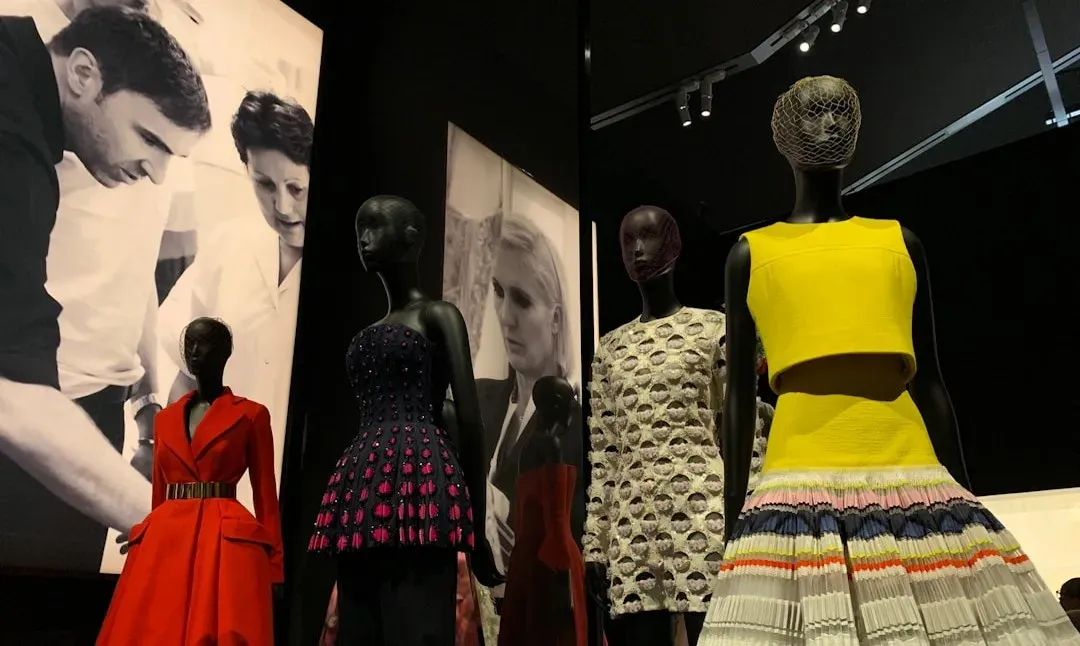
Clothing shapes shift in ways that are hard to disguise, even with a talented costume department. High-waisted, wide-leg pants and oversized blazers dominate the late 1980s, while baggy jeans and logo-heavy streetwear define much of the 1990s and early 2000s. Skinny jeans and fitted silhouettes take over by the late 2000s and into the 2010s, marking a clear visual pivot from the decade before.
Fabric technology matters too, since the rise of fleece, moisture-wicking athletic wear, and mass-market fast fashion all correspond to specific stretches of time. Even accessories like scrunchies, chunky sneakers, or bucket hats tend to cycle in and out of relevance within tight windows. Costume designers working on period pieces study these details closely, which is part of why a well-researched film can convincingly fake an earlier decade despite being shot recently.
9. References to Real-World Events or Prices


Sometimes the giveaway is not visual at all but verbal, tucked into throwaway dialogue about gas prices, rent, or current events. A character casually mentioning a movie ticket price, a specific news headline, or an election cycle can instantly anchor a film to a narrow timeframe. These references are often unintentional continuity markers, inserted by writers reflecting the world around them rather than deliberately dating the story.
Technology references in dialogue work the same way, whether it is a joke about dial-up internet speeds or a passing mention of a now-defunct social media platform. Economic details, like a character complaining about a specific minimum wage or housing cost, tend to age especially fast compared to almost any other detail in a script. These small verbal slips often reveal more about production timing than any visual effect or costume choice ever could.
Taken together, these nine details show how much information a film quietly carries about its own moment in time, often without anyone on set intending it. Technology, fashion, health norms, and even background props all leave a trail that becomes easier to read the further removed we get from the decade in question.Partner offer
Planning a trip to Vegas?
Compare hotel rates and show tickets on VEGAS.com.