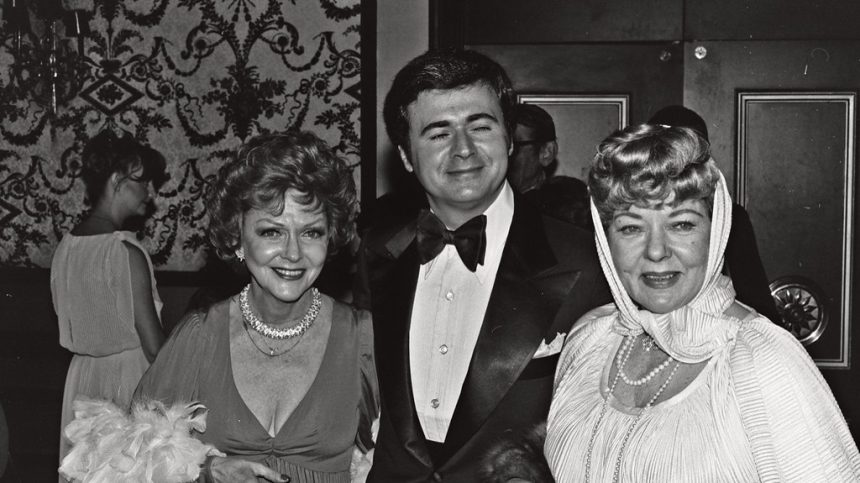
Hollywood’s early decades are often described as a men’s club, yet women were behind the camera from the very start. Some of them ran studios, wrote their own scripts, and directed hundreds of titles before sound arrived. Others pushed through the studio system decades later, when opportunities had narrowed sharply.
The nine directors below span roughly seven decades of American film. Each one has a distinct claim: a first, a record, a box office hit, or a style that outlasted her era.
Alice Guy-Blaché, The Pioneer Who Started Early
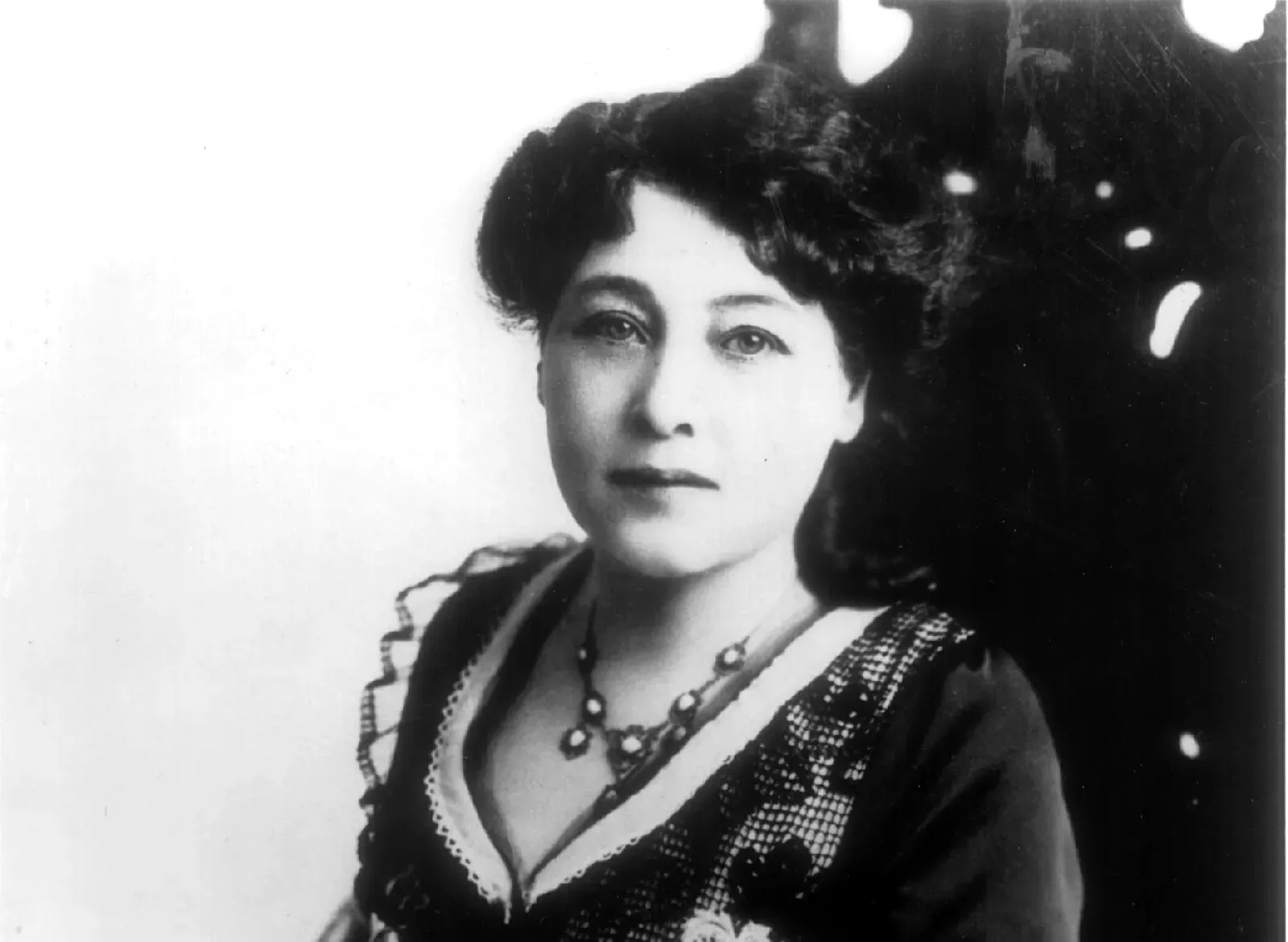
Alice Guy-Blaché began directing in France in the mid 1890s while working for Gaumont. She is widely credited as one of the first filmmakers to make a narrative fiction film. In 1910 she moved her work to the United States and founded Solax Company in Fort Lee, New Jersey.
Solax built a large studio complex, and Guy-Blaché produced and directed a long run of shorts and features there. Film historians have spent decades restoring her reputation after her name was left out of many early histories. Her American work makes her a natural starting point for any list like this.
Lois Weber, Hollywood’s First Major Female Auteur
Lois Weber became one of the most prominent directors in the American silent era. She tackled social subjects such as birth control, poverty, and capital punishment at a time when many studios preferred lighter fare. Her 1916 film Shoes, about a shopgirl’s hardship, is among her best known.
At Universal she was given real creative authority, and she later ran her own production company. Her films were often commercial successes, which helped her argue for bigger budgets. Her career faded in the sound era, but her influence on socially minded filmmaking is well documented.
Dorothy Arzner, The Only Woman Working Through the Sound Transition
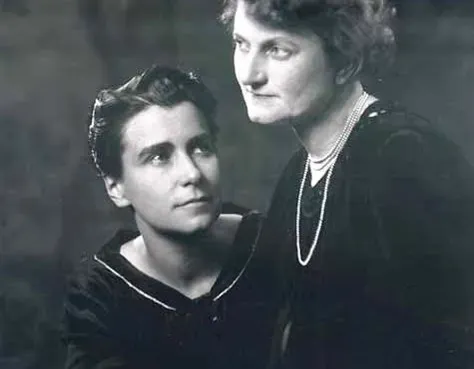
Dorothy Arzner started in the industry as a typist and moved up to editor and then director. Her first feature, Fashions for Women, came out in 1927. She was the leading woman director of the 1930s, working at Paramount, Columbia, and RKO.
She directed stars including Katharine Hepburn in Christopher Strong and Lucille Ball in Dance, Girls, Dance. Arzner is also credited with inventing the boom microphone setup during production of The Wild Party, though accounts of that story vary. She retired from features in the early 1940s after an impressive run of about twenty films.
Ida Lupino, The Actress Who Became a Director
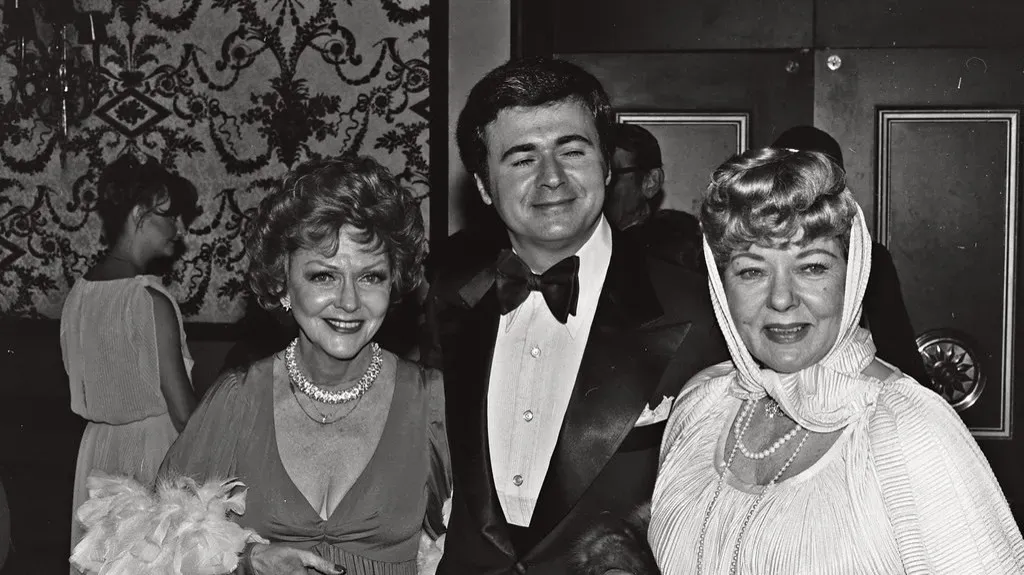
Ida Lupino was already a well known actress when she moved behind the camera in the early 1950s. Her independent company, The Filmakers, produced low budget dramas on difficult topics. Not Wanted, which she took over directing after the original director fell ill, dealt with unmarried pregnancy.
Outage and The Hitch-Hiker followed, and the latter is often described as the first film noir directed by a woman. She later directed a great deal of television, including episodes of well known series. Her blend of studio craft and sharp subject matter gave her a long career.
Elaine May, Comedy Writer With a Directing Streak
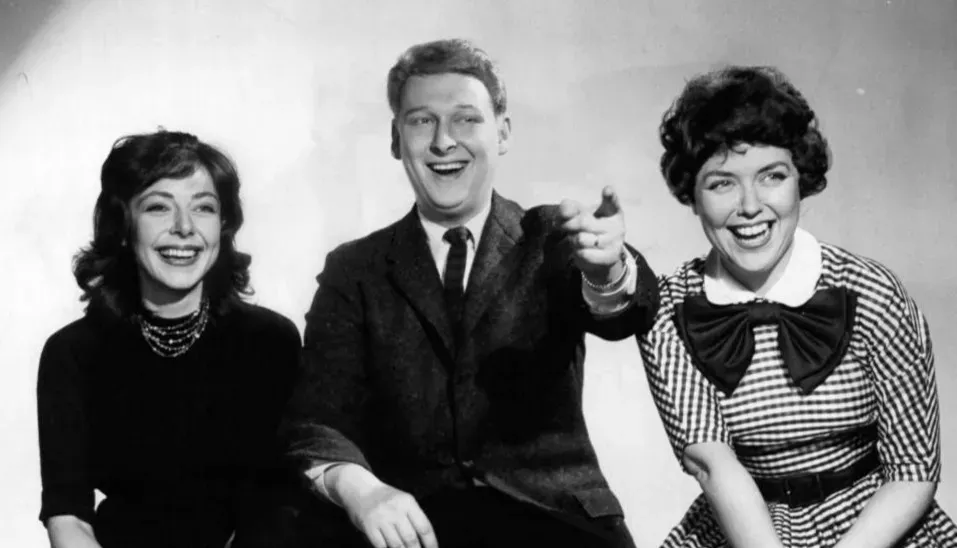
Elaine May came out of improvisational comedy and wrote as sharply as she performed. She directed A New Leaf in 1971, a dark comedy in which she also appeared. A battle with Paramount over the final cut became part of the film’s legend.
Partner offer
She followed it with The Heartbreak Kid in 1972, which earned Oscar nominations for its supporting actors. Mikey and Nicky and the infamous Ishtar came later. Her reputation has been reassessed in recent years, and several of her films now get serious retrospectives.
Joan Micklin Silver, Independent Success Stories
Joan Micklin Silver broke through with Hester Street in 1975, a period drama about Jewish immigrants in New York. The film was made on a small budget and earned a Best Actress Oscar nomination for Carol Kane. Silver and her husband, producer Raphael Silver, found ways to distribute it themselves.
She went on to direct Between the Lines and Crossing Delancey. Her films tended to be intimate, character focused, and outside the studio blockbuster mold. That path helped inspire later independent directors.
Amy Heckerling, Defining the Teen Movie
Amy Heckerling directed Fast Times at Ridgemont High in 1982, which launched a number of young actors into stardom. The film, written by Cameron Crowe from his own book, mixed humor with a frank look at teenage life. It remains a reference point for teen comedies.
She later directed National Lampoon’s European Vacation and Look Who’s Talking, the latter a big hit in 1989. Clueless followed in 1995, but her 1980s work already put her among the few women regularly directing studio comedies. Her pacing and dialogue became widely imitated.
Penny Marshall, From Sitcom Star to Box Office Record
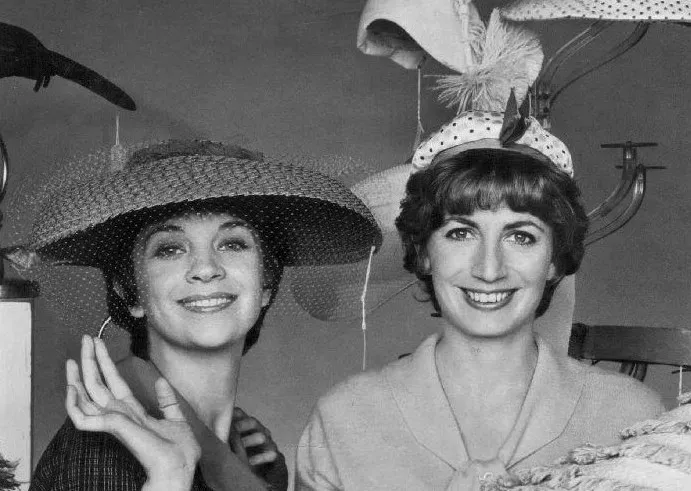
Penny Marshall was famous for the sitcom Laverne and Shirley before she directed Jumpin’ Jack Flash in 1986. Her next film, Big, released in 1988, became a major hit and made Tom Hanks a leading man. It was the first film directed by a woman to gross over one hundred million dollars in the United States.
Big earned two Oscar nominations, including one for Hanks. She followed with Awakenings in 1990, which was nominated for Best Picture. Her comedic instincts and warmth gave her a distinctive voice in mainstream Hollywood.
Randa Haines, A Drama Breakthrough With Children of a Lesser God
Randa Haines directed Children of a Lesser God in 1986, a romantic drama centered on a teacher at a school for the deaf. The film earned five Oscar nominations. Marlee Matlin won Best Actress for her performance, becoming the youngest winner in that category at the time.
Haines was also nominated for a Directors Guild of America award for the film. She continued working in feature films and television in the years that followed. Her debut stands out as a rare prestige drama directed by a woman during the decade.
Together, these nine directors show that women have shaped American film from its earliest silent shorts to the studio hits of the late 1980s.
Partner offer
Planning a trip to Vegas?
Compare hotel rates and show tickets on VEGAS.com.