Imagine opening a book that knows exactly what you want to read. Not just the genre, but the pacing you prefer, the complexity level that challenges you without overwhelming you, and even the writing style that resonates with your mood. This isn’t science fiction anymore. E-readers are adjusting font styles, layouts, and writing styles based on user preferences and reading habits in real-time, and the transformation goes far deeper than simple formatting tweaks.
The technology has moved beyond recommending what book you might enjoy next. We’re now entering an era where the books themselves are being crafted specifically for individual readers, pulling from vast datasets about how we read, when we read, and what keeps us turning pages. It’s a shift that feels both exciting and slightly unsettling.
Sophisticated Algorithms Analyzing Your Every Reading Move

Modern systems employ sophisticated algorithms to analyze a user’s reading history, preferences, and reading speed to curate highly relevant book suggestions. What makes this particularly fascinating is the sheer volume of data being processed. These platforms don’t just look at which books you finished or abandoned. They track how quickly you read certain chapters, where you pause, which passages you highlight, and even the time of day when you’re most engaged with particular content types.
Platforms like BookBub use machine learning to curate book recommendations based on past purchases and reading habits, analyzing reader preferences and taking into account factors such as genre, author, and price. The algorithms have become so refined that they can predict with surprising accuracy whether you’ll enjoy a book based on patterns you didn’t even know you had. Maybe you tend to read lighter fiction on weekday evenings but gravitate toward dense nonfiction on Sunday afternoons. The system notices.
Dynamic Reading Experiences That Adapt While You Read

Here’s where things get really interesting. Smart reading apps now use AI to analyze reading patterns and optimize reading experience, adjusting text formatting, suggesting optimal reading times based on schedule and attention patterns, and even modifying content presentation to match learning style and comprehension preferences. Think about that for a moment. The book you’re reading could theoretically adjust its difficulty level mid-chapter if the AI detects you’re struggling with comprehension.
AI-powered reading assistants provide real-time support during the reading process, offering contextual information about historical references, explaining complex concepts, or providing background information about authors and cultural contexts. This enhanced reading experience is particularly valuable for readers exploring literature outside their familiar cultural or historical contexts, making challenging works more accessible without interrupting the flow.
Personalized Book Creation From Scratch

Some platforms have taken personalization to what feels like an extreme endpoint. TailoredRead creates personalized nonfiction books tailored to specific goals, interests, and skill level, with AI-crafted books precisely tailored to your goals, interests, and background. You’re not selecting from existing books anymore. You’re essentially commissioning a unique manuscript written just for you.
AI can generate bespoke explanations, answer specific questions, or even assemble custom content based on a reader’s interests or level of prior knowledge. The very definition of a book is evolving from a static document to an interactive knowledge database. For someone trying to learn a new skill or dive deep into a specialized topic, this approach eliminates the frustration of wading through irrelevant material. The book contains only what you need, structured exactly how you need it.
Partner offer
Machine Learning Models Understanding Narrative Preferences
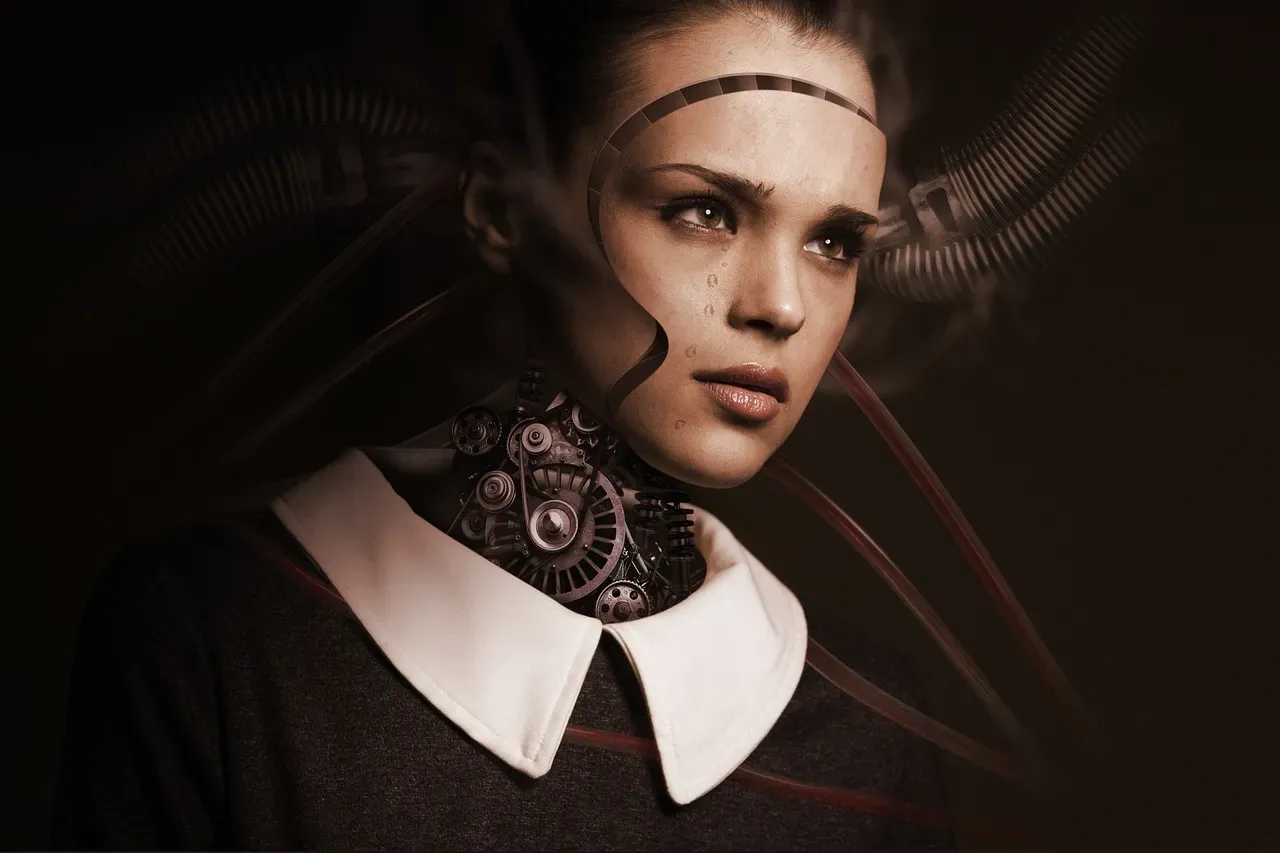
The technology isn’t just analyzing what topics interest you. AI systems create customized reading lists for specific purposes or time periods, curating selections that match both preferences and current life circumstances. Whether you’re planning a vacation and want books that complement your destination, seeking comfort reads during stressful periods, or looking for intellectually challenging material during periods of personal growth, AI can curate selections accordingly.
Publishers are catching on too. AI analytics provide authors with unprecedented insights into reader preferences, helping them understand which elements of their writing resonate most strongly with different audience segments, while publishers increasingly use AI to predict book success and identify emerging genres or themes. This feedback loop means future books will be written with these insights baked in from the start.
Children’s Books Customized With Personal Details

The children’s book market has embraced personalization with particular enthusiasm. Through advanced AI technology, not only is the child’s photo incorporated into the illustrations, but the AI writes a completely unique story with all personal details such as hobbies, character traits, and favorite activities woven into an engaging adventure. No two stories are the same.
Platforms create stunning AI-generated children’s books with personalized characters and unique illustrations, transforming stories into beautiful books perfect for parents, teachers, and storytellers. Parents report that children become far more engaged with reading when they see themselves as the protagonist. It’s one thing to read about a generic character having an adventure. It’s another entirely to read about yourself, with your actual interests and personality traits, navigating a story custom-built around you.
Publishing Industry Investment Reflecting The Shift

Amazon is increasing its capital expenditure to over $100 billion in 2025, primarily focusing on AI for AWS, indicating massive industry investment in these technologies. The tech industry’s massive investment in AI indicates a future where AI permeates every aspect of digital life, including reading. This isn’t a passing trend that publishers are cautiously exploring. It’s a fundamental restructuring of how content gets created and distributed.
The global AI in publishing market was valued at $2.8 billion in 2023 and is projected to reach $41.2 billion by 2033, growing at a CAGR of 30.8 percent from 2024 to 2033, with AI having the potential to reshape academic publishing and offer new solutions for growth. Those numbers reflect genuine transformation rather than speculative hype. Publishers who don’t adapt risk becoming irrelevant.
The Balance Between Automation And Human Touch
Perhaps the most critical question isn’t whether AI can create personalized books, but whether it should. While AI tools are not replacing human creativity, they are augmenting the industry by improving efficiency and opening new avenues for innovation, as publishers and authors need to adapt by balancing automation with the human touch that makes storytelling meaningful. There’s something irreplaceable about a book written by someone who has lived, struggled, and felt deeply.
According to the World Economic Forum, AI and machine learning specialist jobs are projected to have a net increase of more than 80 percent between 2025 and 2030, suggesting the technology isn’t disappearing regardless of our comfort level. The readers who embrace these personalized experiences will have access to content tailored with precision that would have seemed impossible just a few years ago. Yet the risk remains that we lose something essential in the process. Books have always been about connecting with another human mind across time and space. When that mind is algorithmic rather than human, does the connection still matter? That’s the question we’ll all be wrestling with as these technologies become increasingly sophisticated and ubiquitous.
Partner offer
Planning a trip to Vegas?
Compare hotel rates and show tickets on VEGAS.com.