There’s a certain kind of song that doesn’t just live in your memory, it lives in your muscle memory. You hear the first three notes and your mouth starts moving before your brain even catches up. These are the tracks that turned bedrooms into concert stages and car rides into full-blown performances, whether anyone else was listening or not. What follows isn’t a ranking of the “best” songs ever made. It’s a look at nine tracks that earned a permanent spot in the sing-along canon, songs so deeply wired into pop culture that entire generations can recite them word for word without trying. See how many still live rent-free in your head.
1. Bohemian Rhapsody – Queen (1975)
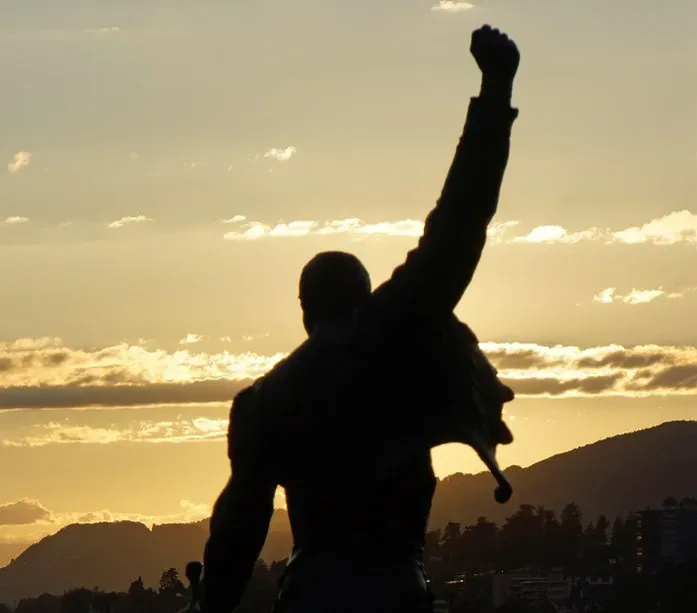
There’s a reason this one still gets belted out in cars, karaoke bars, and stadiums fifty years after it first hit airwaves. The epic single, which Queen front-man Freddie Mercury liked to call a “mock opera,” was recorded in late August and September 1975 and was released on Oct. 31, 1975. It broke every rule of what a pop single was supposed to be, and somehow that’s exactly why it worked.
“Bohemian Rhapsody” was Queen’s fourth single and their first to reach No. 1 on the U.K. Singles Chart, where it remained for nine consecutive weeks, including the Christmas No. 1 spot. The song has refused to fade quietly into history, either. In November 2025, Forbes reported that the track had topped the Official Singles Sales and Official Physical Singles in the United Kingdom, more than 50 years after it was first released, thanks to a vinyl re-release celebrating its 50th anniversary.
2. Don’t Stop Believin’ – Journey (1981)
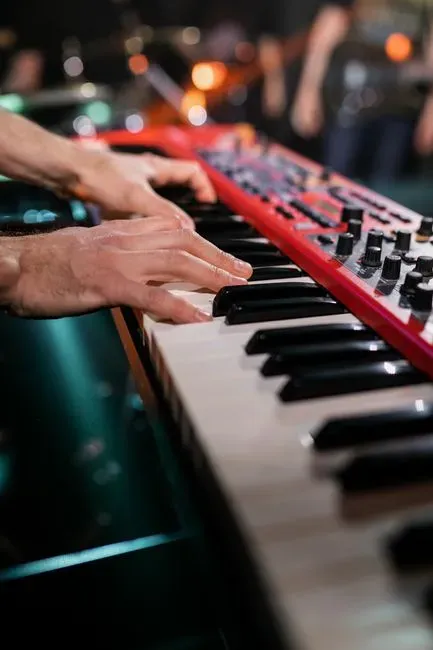
Few songs have crossed as many generational lines as this one. It came out of the early eighties arena rock scene, built around Steve Perry’s soaring vocals and that unmistakable piano intro, and somehow it never left. Wedding DJs, sports arenas, and karaoke nights have kept it alive for over four decades now, and it shows no sign of slowing down.
Part of its staying power comes from the way it builds. The song starts small, almost conversational, then swells into that massive, wordless “whoa-oh-oh” chorus that everyone can join in on even if they’ve forgotten the verses. It’s less a rock anthem than a shared moment, which might explain why it keeps popping up in movies, TV finales, and family road trips decades after its original run.
3. Livin’ on a Prayer – Bon Jovi (1986)
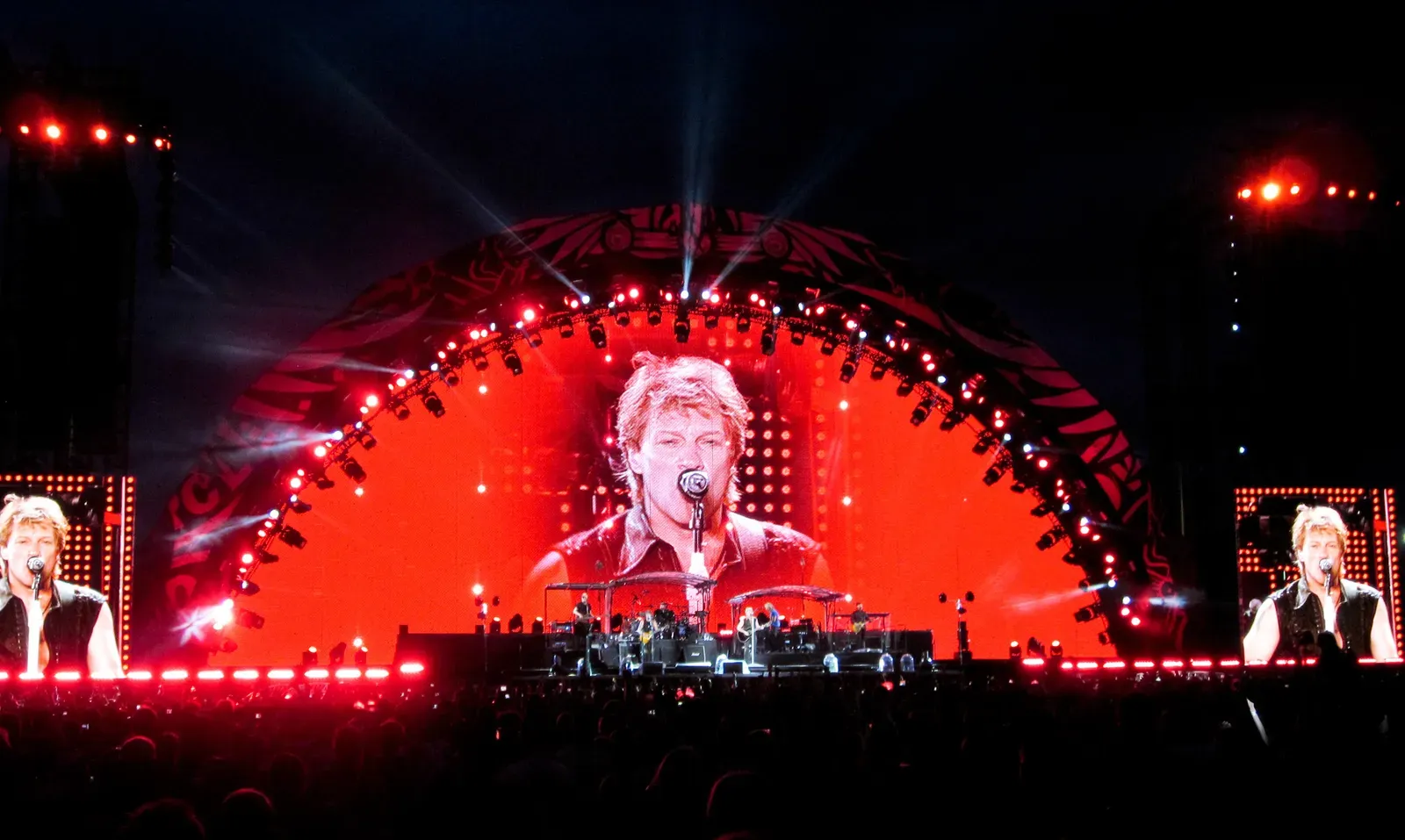
Tommy and Gina became household names not because anyone knew them personally, but because millions of people spent the late eighties singing about their fictional struggles like they were real. The song’s working class narrative, wrapped in glam metal guitar hooks and Jon Bon Jovi’s gritty delivery, turned it into one of the defining rock anthems of its decade.
What keeps this one in rotation decades later isn’t nostalgia alone. The key change before the final chorus is one of the most recognizable moments in rock radio history, and it still gets a reaction every single time it plays. It’s a song built for shouting along with strangers, which is probably why it never really left sports arenas or bar jukeboxes.
4. Wonderwall – Oasis (1995)
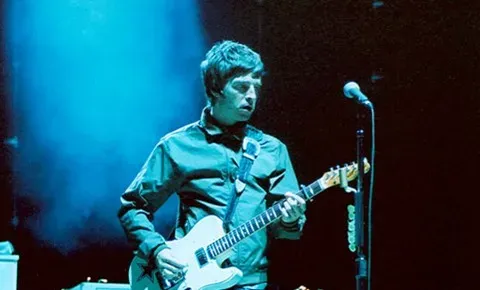
This one has become shorthand for an entire era of Britpop, acoustic guitars in college dorm rooms, and mid-nineties melancholy. Written by Noel Gallagher and delivered with his brother Liam’s distinctive sneer, the song turned into one of the defining anthems of nineties alternative rock almost by accident, since it was never even released as the album’s lead single in some markets.
For years, it held a quiet distinction in the UK as one of the biggest hits to never officially reach the very top of the singles chart, a title it eventually lost to a newer generation’s favorite, which we’ll get to. On its 20th anniversary, “Mr Brightside” eclipsed Oasis’ 1995 ballad “Wonderwall” for the unusual honor, since “Wonderwall,” lifted from the Manchester rock band’s sophomore album, had peaked at No. 2. Either way, the song remains a rite of passage for anyone who’s ever picked up an acoustic guitar.
5. Mr. Brightside – The Killers (2004)
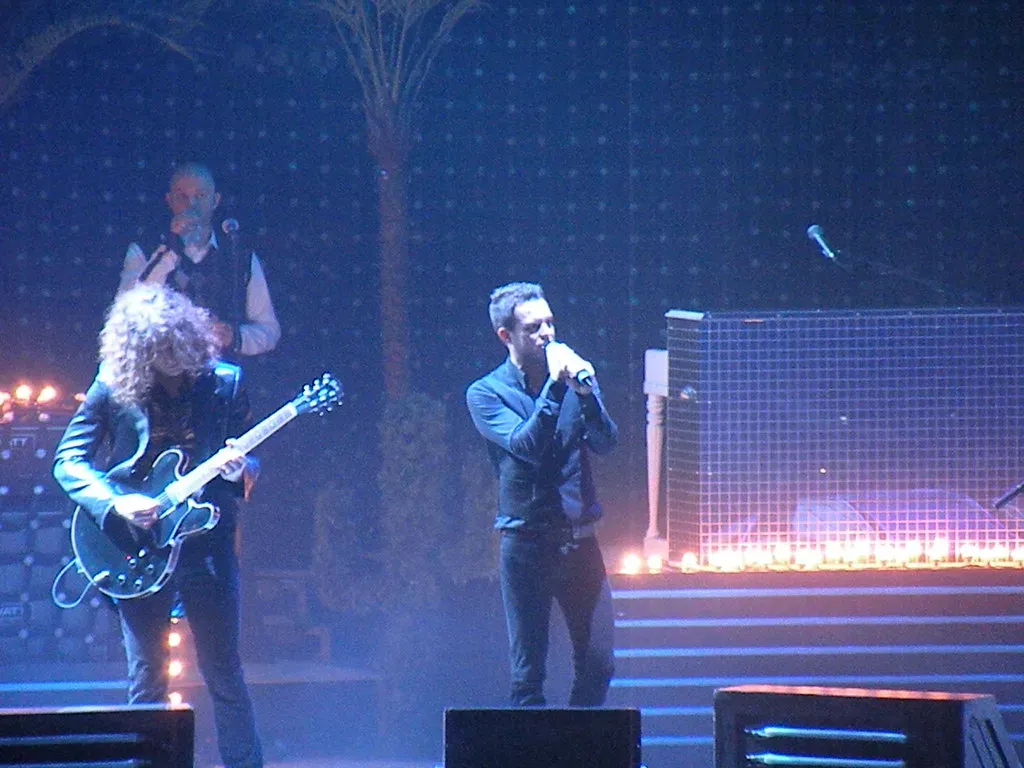
“Brightside” is a song by American rock band the Killers that appears on their debut studio album, Hot Fuss, and was written by band members Brandon Flowers and Dave Keuning. It never soared to the top of the charts, but it didn’t need to. The song was released as the Killers’ debut single on September 29, 2003, but became more popular when re-released in 2004, peaking at number 10 in both the United States and the United Kingdom.
What happened after that peak is the real story. In the United Kingdom, it is the third biggest selling and streaming song of all time and is the longest charting single on the UK Official Singles Chart Top 100, having spent 508 weeks on the chart as of W/E June 5, 2026. It’s the kind of song that never really left the airwaves, and two decades on, crowds still shout every syllable of that final chorus like it’s brand new.
6. Since U Been Gone – Kelly Clarkson (2004)
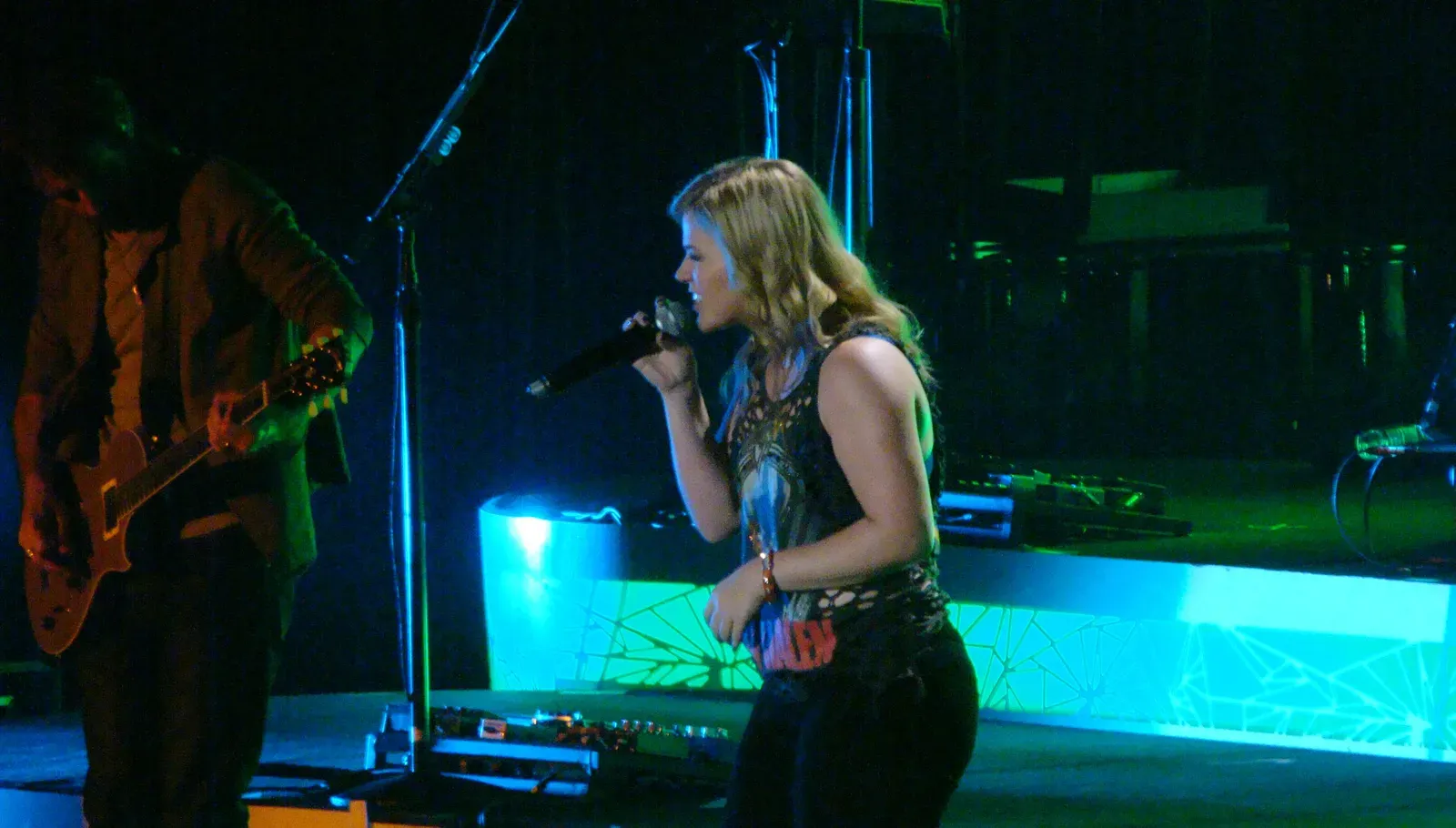
Produced by Max Martin and Lukasz Gottwald, this track marked a turning point for Kelly Clarkson’s career and, in a lot of ways, for pop-rock crossover songs in general. It blended pop production with punk-adjacent guitar riffs, giving it an edge that set it apart from typical mid-2000s radio pop. The chorus alone is a masterclass in cathartic songwriting, built for shouting at the top of your lungs after a bad breakup.
Two decades later, it still shows up constantly in movie soundtracks, TV commercials, and viral video clips, proof that the song’s appeal never really needed nostalgia to survive. It’s one of those rare tracks that sounds just as fresh blasting from a phone speaker today as it did coming out of a car stereo in 2004. That kind of durability is hard to manufacture.
7. Party in the U.S.A. – Miley Cyrus (2009)
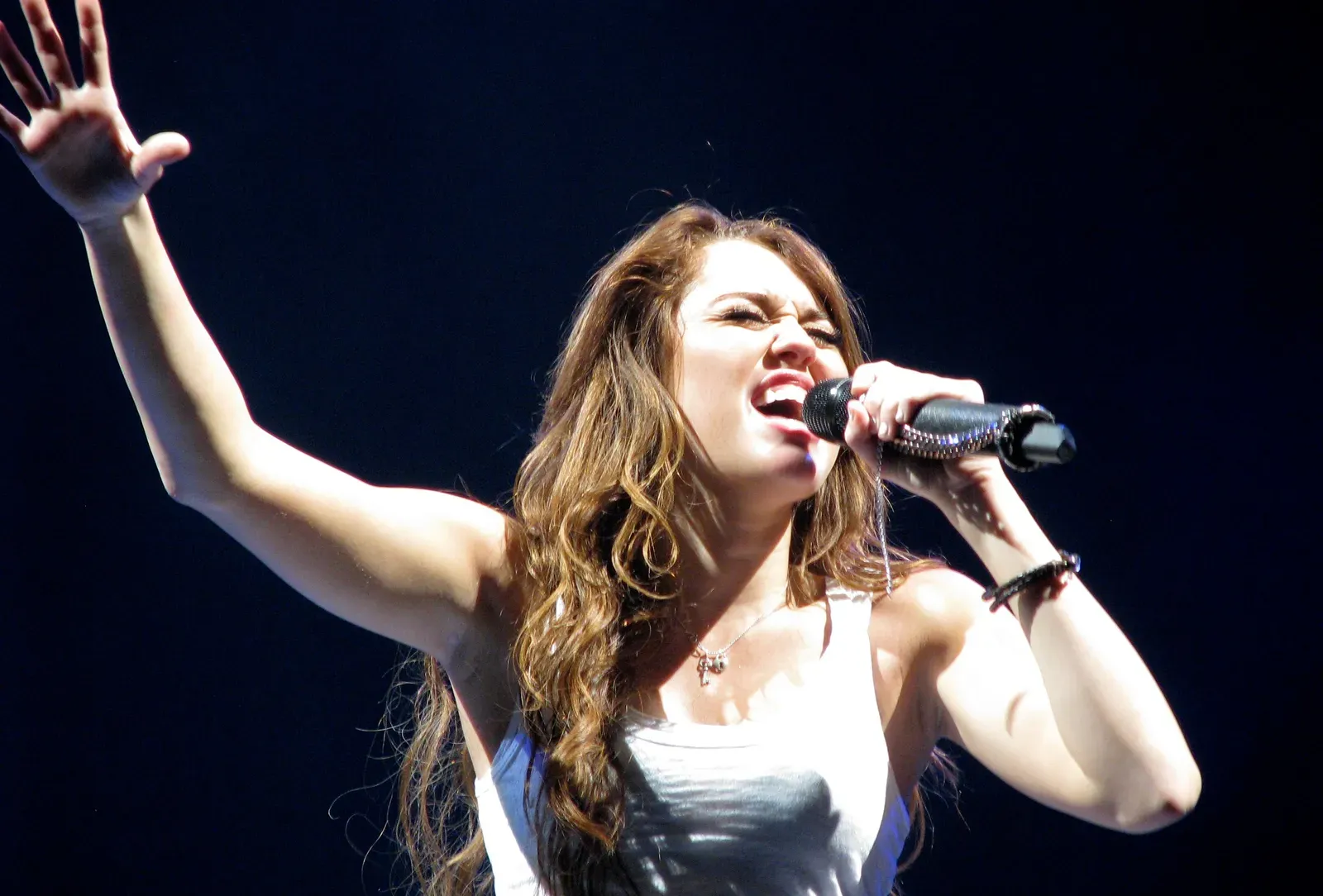
This one arrived at the exact moment pop culture needed a bridge between teen idol and adult artist, and it worked almost too well. The song’s simple, hooky structure and its very specific geography, name-checking Hollywood Boulevard and the Jay-Z reference, made it instantly quotable in a way few pop songs manage. It became less about Miley Cyrus specifically and more about a shared cultural moment for anyone who was a teenager in that era.
Even now, it pops up constantly at parties, weddings, and karaoke nights, usually met with immediate and enthusiastic recognition. Few songs from the late 2000s have aged into pure nostalgia quite this cleanly. It’s a snapshot of a very specific pop moment that somehow never stopped feeling relevant.
8. Shut Up and Dance – Walk the Moon (2014)

This one snuck up on a lot of people. It wasn’t an instant smash, but it built momentum slowly through radio play and word of mouth until it became one of the most inescapable songs of the mid-2010s. The synth-heavy production and shout-along chorus gave it an eighties throwback feel while still sounding thoroughly modern for its release year.
What makes it stick in memory is the way the entire song feels engineered for group singing, from the “oh come on girl” opening line to the massive chorus hook. It became a fixture at weddings and school dances almost immediately, and that hasn’t really changed a decade later. There’s something almost universally likable about a song that refuses to take itself too seriously.
9. Uptown Funk – Mark Ronson ft. Bruno Mars (2015)
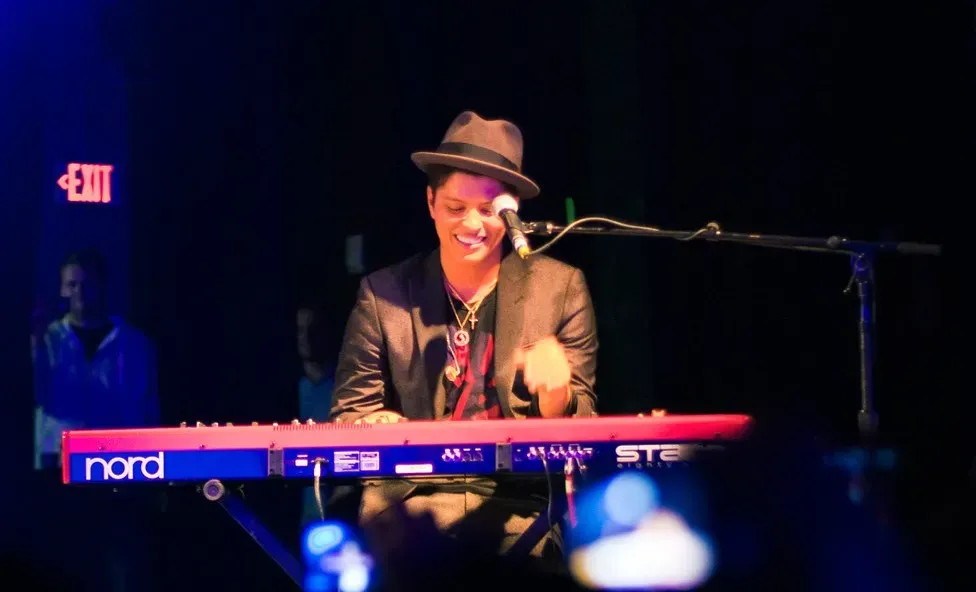
Few songs in recent memory have managed to dominate radio, weddings, and gym playlists all at once quite like this one. The funk-inspired production, drawing heavily on influences from the seventies and eighties, gave it a timeless quality that helped it cross generational lines almost immediately upon release. Bruno Mars’ delivery, paired with Mark Ronson’s production instincts, turned it into one of the defining pop hits of the mid-2010s.
The song’s charm lies in how specific and quotable its lyrics are, full of playful boasts and rhythmic wordplay that practically demand to be shouted rather than sung quietly. It topped charts across multiple countries and became a staple at nearly every kind of celebration imaginable. A decade later, it still gets dance floors moving the second those opening horns hit.
There’s something worth noticing in the spread of these nine songs. They come from five different decades, five different genres, and five very different cultural moments, yet they all share the same basic trick: they turn listening into participation. That’s a harder thing to engineer than most people realize, and it’s probably why so few songs from any given year actually manage to pull it off.