History doesn’t just happen. It pivots on moments when someone made a choice that changed everything. Some decisions were made in boardrooms, others in laboratories, and a few on battlefields. What’s fascinating is how often these turning points weren’t recognized as earth-shattering at the time.
Think about it. The world we live in today, with its smartphones, global commerce, and interconnected societies, didn’t emerge by accident. Specific choices by specific people set us on this path. Let’s explore five decisions that fundamentally altered the course of human civilization. Be prepared to see how a handful of calculated risks and bold moves created the world as we know it.
1. The Decision to Split the Atom for Energy

When scientists in the 1930s and 1940s chose to pursue nuclear fission not just as a theoretical concept but as a practical energy source, they opened Pandora’s box. The Manhattan Project wasn’t just about ending World War II. It represented humanity’s decision to harness power at the atomic level, fundamentally changing our relationship with energy itself.
This choice gave us both nuclear power plants and nuclear weapons. Cities could suddenly be vaporized in seconds, yet entire nations could also be powered with minimal carbon emissions. The duality is staggering. We’re still dealing with the consequences today, from nuclear waste disposal to the constant threat of atomic warfare.
What strikes me most is how this decision forced humanity into a new era of responsibility. We had to create international treaties, oversight organizations, and entirely new diplomatic frameworks. The Nuclear Non-Proliferation Treaty exists because scientists made this choice decades ago.
Love it or hate it, nuclear technology defines modern geopolitics. Countries with nuclear capabilities operate under different rules than those without them. That’s a direct result of choosing to pursue atomic energy when we did.
2. The Marshall Plan’s Implementation
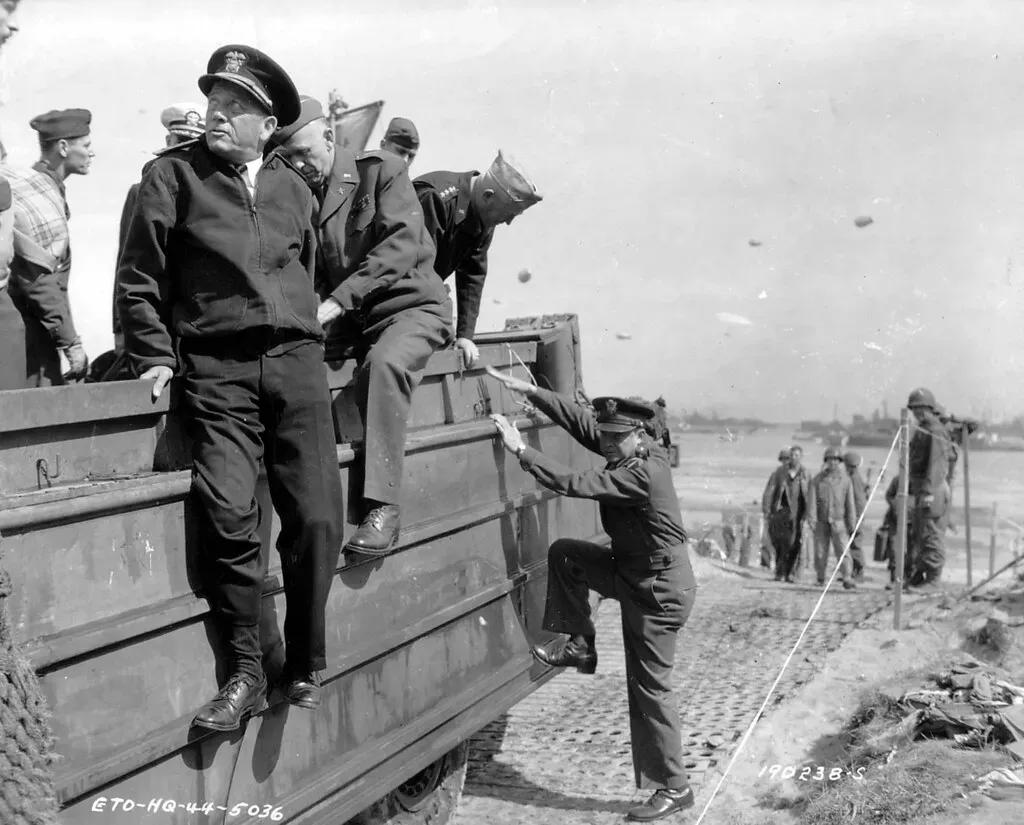
After World War II, the United States faced a choice. They could let Europe crumble into economic chaos and potential communist revolution, or they could invest massive resources into rebuilding their former enemies. Secretary of State George Marshall pushed for the latter, and honestly, it sounds crazy when you think about it.
Roughly about thirteen billion dollars (equivalent to over one hundred fifty billion today) flowed into war-torn Europe between 1948 and 1952. Germany, which had just been defeated, received American aid to rebuild. This wasn’t charity. It was strategic brilliance that reshaped global economics.
The Marshall Plan created the framework for modern international development and established the United States as the world’s economic superpower. It also prevented the spread of Soviet influence across Western Europe. Without this decision, the Cold War could have gone very differently.
European integration, which eventually led to the European Union, has its roots in Marshall Plan cooperation. Countries that had been slaughtering each other for centuries started working together economically. That’s not a small thing.
3. Deng Xiaoping’s Market Reforms in China
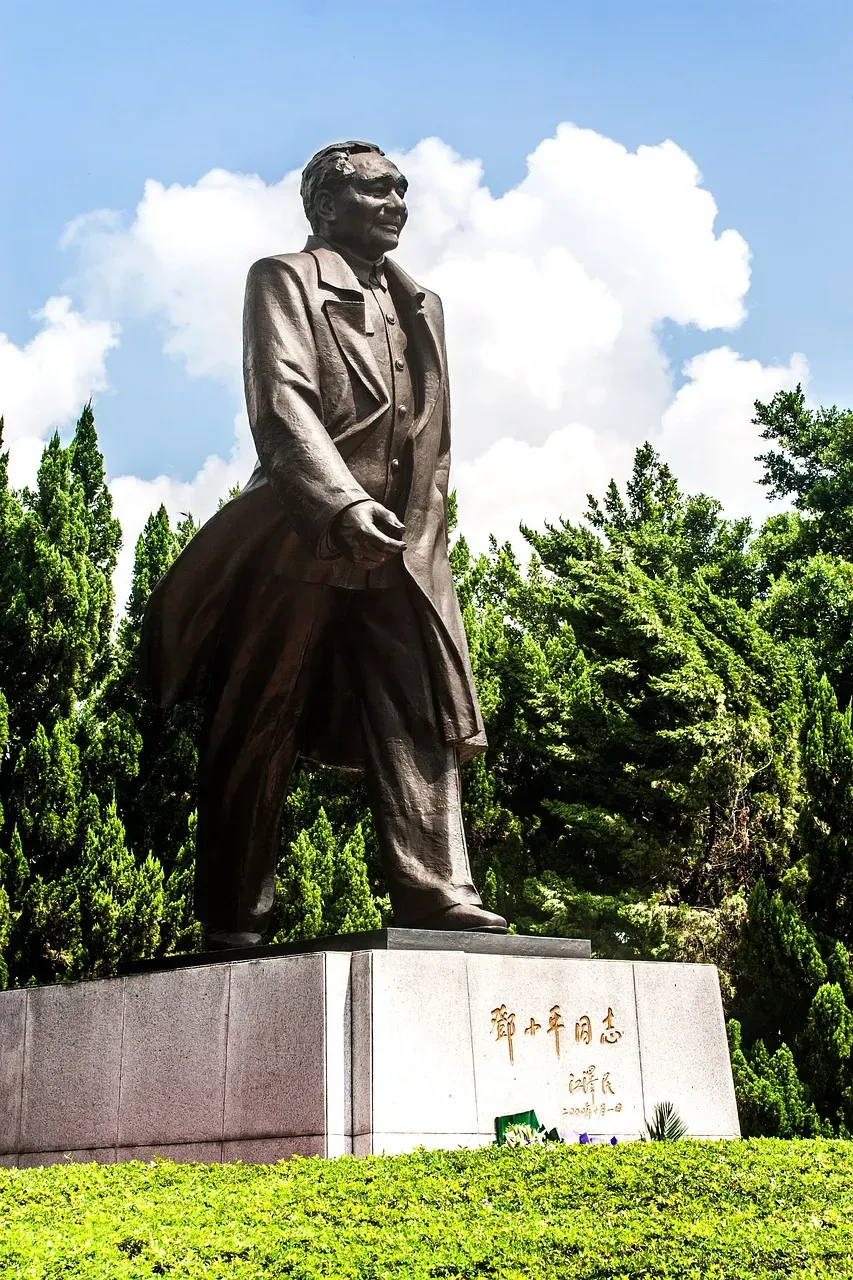
When Deng Xiaoping decided to open China’s economy to market forces in 1978, he wasn’t just tweaking policy. He was fundamentally reversing decades of Maoist ideology and risking his political life. The slogan “to get rich is glorious” marked a complete ideological shift for the world’s most populous nation.
Special Economic Zones allowed capitalism to flourish in designated areas while maintaining communist political control. It’s hard to overstate how radical this was. China went from agricultural poverty to becoming the world’s second-largest economy in roughly four decades.
This decision affected everyone. Your smartphone was probably assembled in China. The global supply chain we depend on emerged largely because Deng opened China’s doors. Nearly every major corporation now has Chinese operations or partnerships.
The economic transformation lifted hundreds of millions of people out of poverty. Yet it also created new global tensions as China’s economic power translated into geopolitical influence. We’re watching this play out right now with trade disputes and technological competition.
4. The Creation of ARPANET and the Internet

Military researchers in the late 1960s decided to create a decentralized communication network that could survive nuclear attack. They probably didn’t imagine it would become the foundation of modern civilization. ARPANET connected four university computers in 1969, and that choice changed literally everything about how humans interact.
The decision to make the internet’s protocols open and accessible rather than proprietary was equally crucial. Tim Berners-Lee chose not to patent the World Wide Web in 1989. These choices created a platform for innovation that no single company or government controlled.
Think about your daily life. How much of it happens through internet-connected devices? Banking, shopping, entertainment, education, communication. The vast majority of modern economic activity touches the internet at some point. That’s the result of choosing to build this network and keep it open.
Social movements, political revolutions, and global commerce now operate primarily through digital networks. Information spreads instantly worldwide. That’s fundamentally different from any previous era of human history, and it stems directly from deciding to create this technology and make it universally accessible.
5. The Bretton Woods Agreement

In 1944, representatives from forty-four nations met in New Hampshire and decided to create a new international monetary system. They established the US dollar as the world’s reserve currency, backed by gold. This might sound like boring economic policy, but it’s actually the foundation of modern global finance.
The International Monetary Fund and World Bank emerged from this conference. These institutions have shaped economic development worldwide ever since. Whether you approve of their policies or not, they’re major players in how capital flows globally.
By pegging currencies to the dollar and the dollar to gold, they created stability after the economic chaos of the Great Depression and war. This system allowed for unprecedented international trade growth. Global commerce exploded because businesses could confidently trade across borders with predictable currency values.
Even after the gold standard ended in 1971, the dollar maintained its reserve currency status. That gives the United States enormous economic advantages and makes Federal Reserve decisions globally significant. Oil trades in dollars. International debt is denominated in dollars. This all traces back to Bretton Woods.
The system isn’t perfect and has its critics. Developing nations often feel constrained by IMF conditions. But the framework for how international money moves was established in that New Hampshire hotel, and we’re still operating within it.
Conclusion

These five decisions share something in common. They were all calculated risks taken at pivotal moments by people who understood they were making history. Some were driven by necessity, others by vision, but all fundamentally altered the trajectory of human civilization.
What’s remarkable is how interconnected these choices are. The Marshall Plan required the Bretton Woods monetary system. China’s economic rise depended on internet-enabled global supply chains. Nuclear technology influenced geopolitical decisions that shaped economic policies.
We’re living in the world these decisions created. The challenges we face today stem partly from consequences those decision-makers couldn’t have fully anticipated. Climate change, economic inequality, nuclear proliferation, digital privacy concerns. They’re all downstream effects of choices made decades ago.
Looking back, it’s easy to judge whether these were good or bad decisions. The reality is more complex. Each brought tremendous benefits and serious problems. They made our modern world possible, with all its conveniences and complications.
Which of these decisions do you think had the biggest impact? Would you add others to the list? The conversation about how we got here helps us think about where we’re going next.