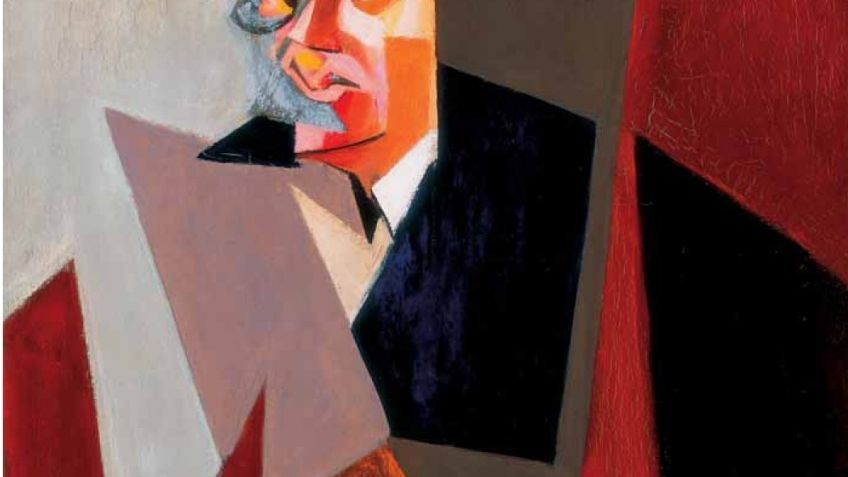
A name on a book cover can feel like the most natural thing in the world. We assume it belongs to the person who wrote the words inside. History, though, is full of cases where that assumption was wrong, sometimes deliberately so. Pen names can have an intriguing effect on a writer’s career by enabling them to experiment with various genres, conceal their true identity, or defy social expectations.
For poets especially, a pseudonym could mean the difference between publishing and silence. The reasons range from family shame and political danger to bruised relationships and a fear of being seen too clearly. Here are five poets whose chosen names carried the weight of everything they couldn’t say out loud.
Pablo Neruda: A Name to Hide From His Father
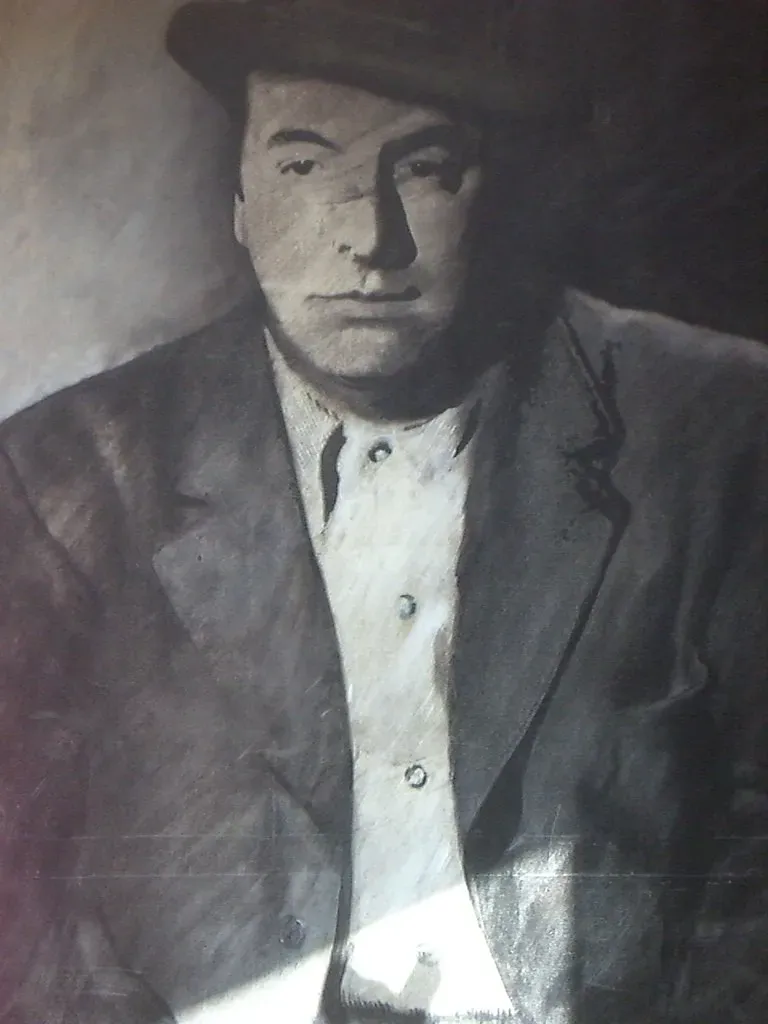
Born Ricardo Eliécer Neftalí Reyes Basoalto in Chile, he selected “Pablo Neruda” as a shield against his father’s disapproval, an act of defiance and longing. A young Neruda adopted his pen name around 1920 when he started writing for the literary journal “Selva Austral.” To avoid conflict with his family, who disapproved of his occupation, Neruda crafted his alias from the deceased Czechoslovak poet Jan Neruda.
With this mask, Neruda could pour his soul into sensual and political verse, exploring forbidden love, revolution, and despair. His secret identity protected him in turbulent times, especially during Chile’s political upheavals. By 1946, Neruda legally changed his name to match and embrace the poetic and politically charged identity he had created for himself over the years. Over time, the pseudonym became his true self, so much so that when he won the Nobel Prize for Literature in 1971, it was Neruda’s name, not Basoalto’s, that was immortalized.
Anna Akhmatova: Protecting a Family That Did Not Protect Her
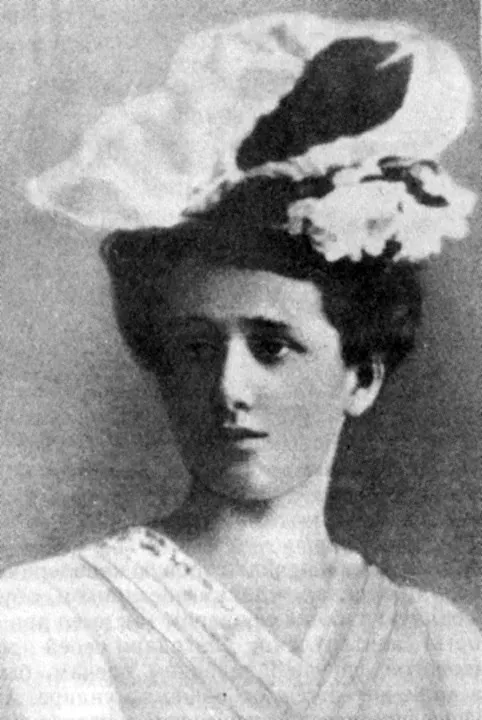
Anna Andreyevna Gorenko, known by her pen name Anna Akhmatova, was a Russian and Soviet poet. Born into the minor aristocracy in 1889, Anna Andreyevna Gorenko took the pseudonym Akhmatova from her Tatar ancestor, Khan Akhmat, after her father warned her not to publish and disgrace the family name. Her father objected that she used his name, because he also was a writer, and even met Fyodor Dostoevsky and corresponded with Anton Chekhov. Then Anna made up the pseudonym “Akhmatova” and invented a poetic myth of her connection to the Tatar Khan Akhmat.
Her personal life was marked by tumult, including her marriage to poet Nikolai Gumilyov and the later challenges of Soviet repression. Akhmatova’s poetry reflected the social and political upheaval of her time, particularly during the Russian Revolution and World War II. Publication of her works was banned from 1925 to 1953. The pseudonym that began as a domestic compromise eventually carried an entire civilization’s grief, sheltering verse that the state itself tried to erase.
Sylvia Plath: “Victoria Lucas” and the Novel She Couldn’t Own
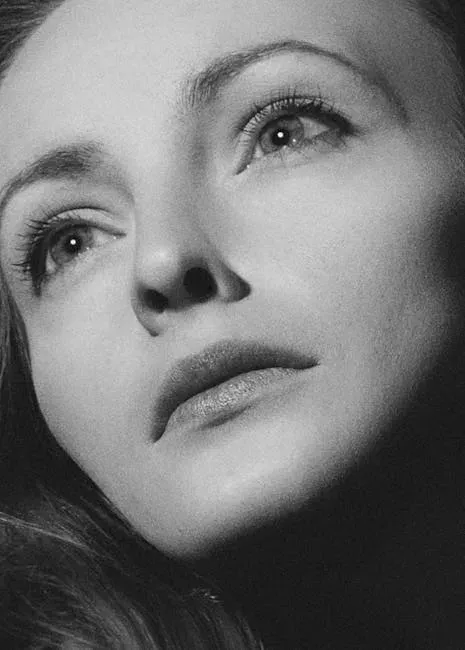
The Bell Jar is the only novel written by the American writer and poet Sylvia Plath. Originally published under the pseudonym “Victoria Lucas” in 1963, the novel is supposedly semi-autobiographical, with the names of places and people changed. Her only novel was published in January 1963 under the pen name Victoria Lucas, to protect the identities of the real people the characters were based on and Plath herself in case of poor reception.
According to a close friend of Plath’s, she published the book under a pseudonym because she didn’t want to upset her mother or anyone who was mentioned in the book. Plath’s mother prevented the book from being published in the US until 1971, because she didn’t want people she knew to recognize themselves in the book. When these poems were posthumously published as the collection “Ariel” in 1965, they caused a sensation, and after her death Plath became a famous poet. When “The Bell Jar” was republished under Plath’s name in 1966, it was no longer a first novel by an unknown writer, but an autobiographical novel by a tragic and celebrated poet.
Anna Wickham: Writing as a Man to Earn the Right to Be Heard
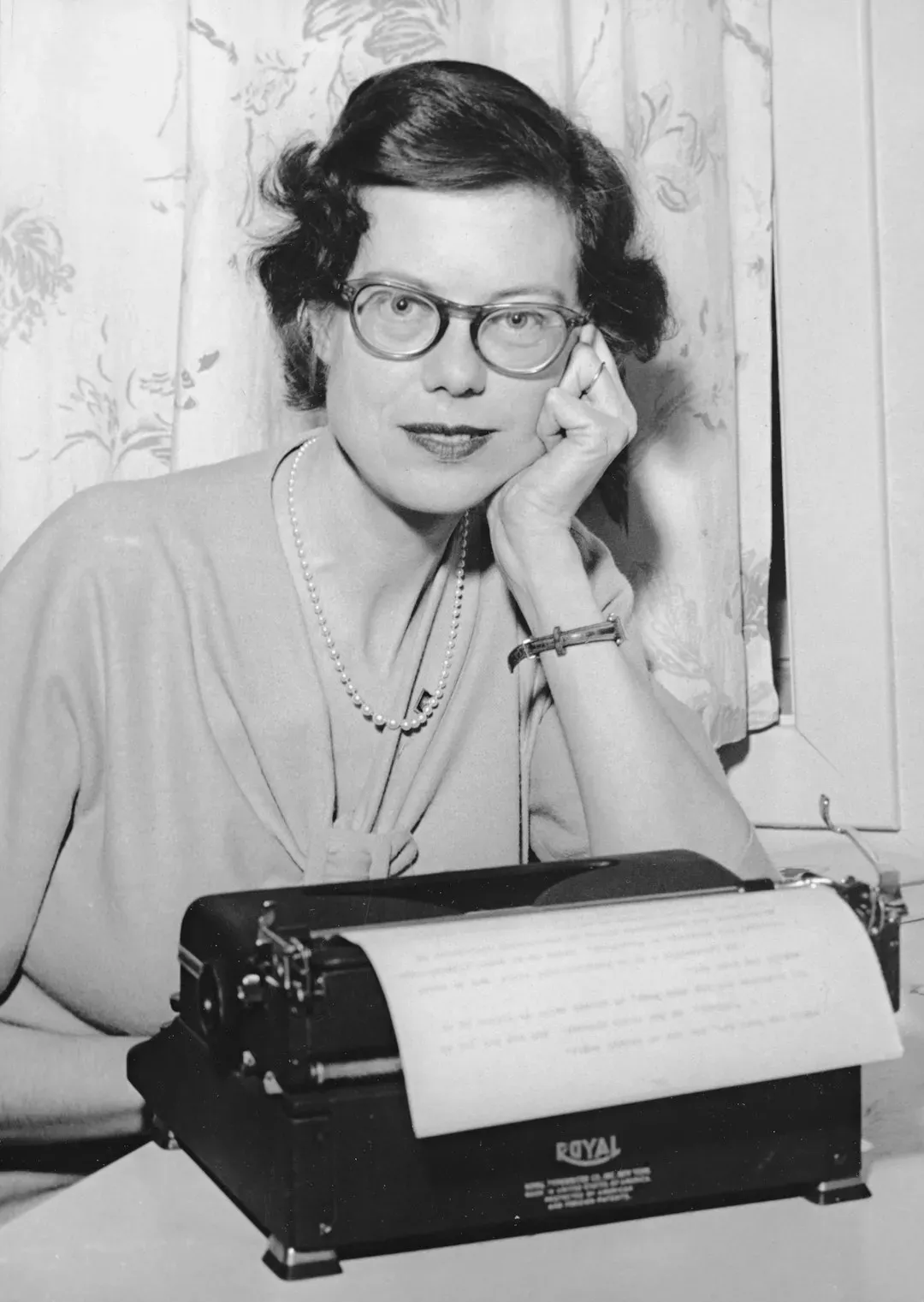
Born Edith Alice Mary Harper, she first appeared in print as “John Oland,” a male pseudonym designed to bypass the prejudice of early 20th-century publishers. This disguise let her tackle feminist themes without fear of dismissal or mockery. Wickham’s poetry wrestled openly with gender roles, marital oppression, and personal freedom, topics considered taboo for women.
Her later embrace of the name Anna Wickham signaled a bold reclamation of her own identity, and her writing became even more unapologetic. Her dual identities reflect the high cost women paid for creative freedom. Her collection of poems “The Little Old House” and “The Contemplative Quarry” are of great significance. Wickham’s story is a reminder that for many women writers of her era, the very act of publishing required a disguise, and the real drama was simply wanting to write at all.
Tristan Tzara: A New Name as a Formal Break With the Past
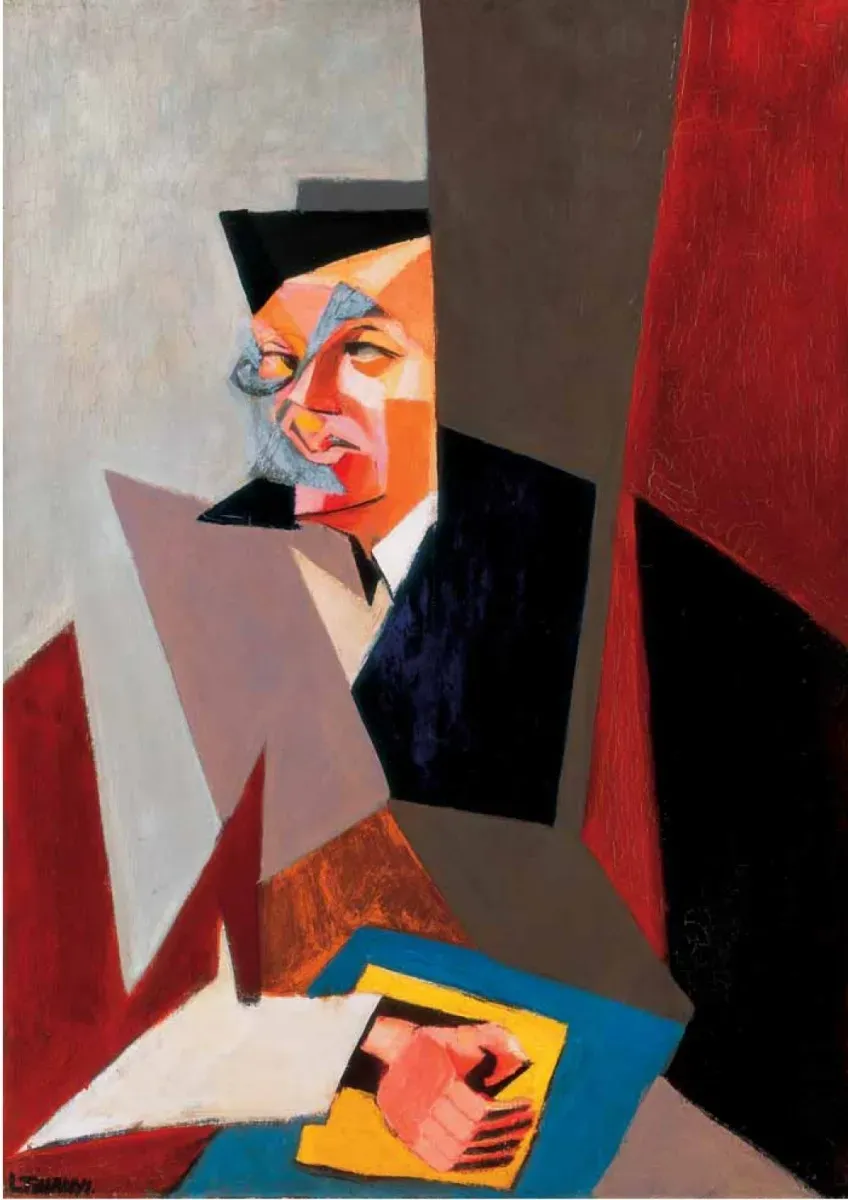
Born Samuel Rosenstock, Tristan Tzara was born to a Romanian Jewish family. His anti-bourgeois principles resulted in painful clashes with his family, leading his father to disown him. As he wrote later, “I was dead to him.” To symbolize the formal break with his past life, he decided to change his name. There are plenty of theories about why he chose his pen name. In Hebrew, Tzara’at means exiled by the community. In Romanian, it means “sad in the countryside.”
Tzara became one of the founding figures of the Dada movement, using his invented identity to build an entirely new artistic philosophy from scratch. The name itself was a kind of manifesto. Authors can use pseudonyms to explore difficult societal problems without jeopardizing their personal lives, allowing them to express themselves more freely. For Tzara, that freedom came at the price of his birth name, his family, and the life he had been expected to lead. What remained was a poet who helped reshape European art in the 20th century, under a name that had been constructed out of loss.