When Johannes Gutenberg introduced his printing press around 1440, he probably didn’t imagine teenagers would one day be printing concert tickets at home or that his invention would lay the groundwork for modern democracy. Most people know the printing press made books accessible, but that’s just scratching the surface. The real story is far wilder.
This mechanical marvel didn’t just put words on paper faster. It rewired how humans share ideas, organize societies, and even think about their place in the world. From sparking revolutions to standardizing languages that were previously a chaotic mess, the printing press touched nearly every corner of human existence. Let’s dive into the unexpected ways this invention reshaped our world.
The Birth of Mass Communication
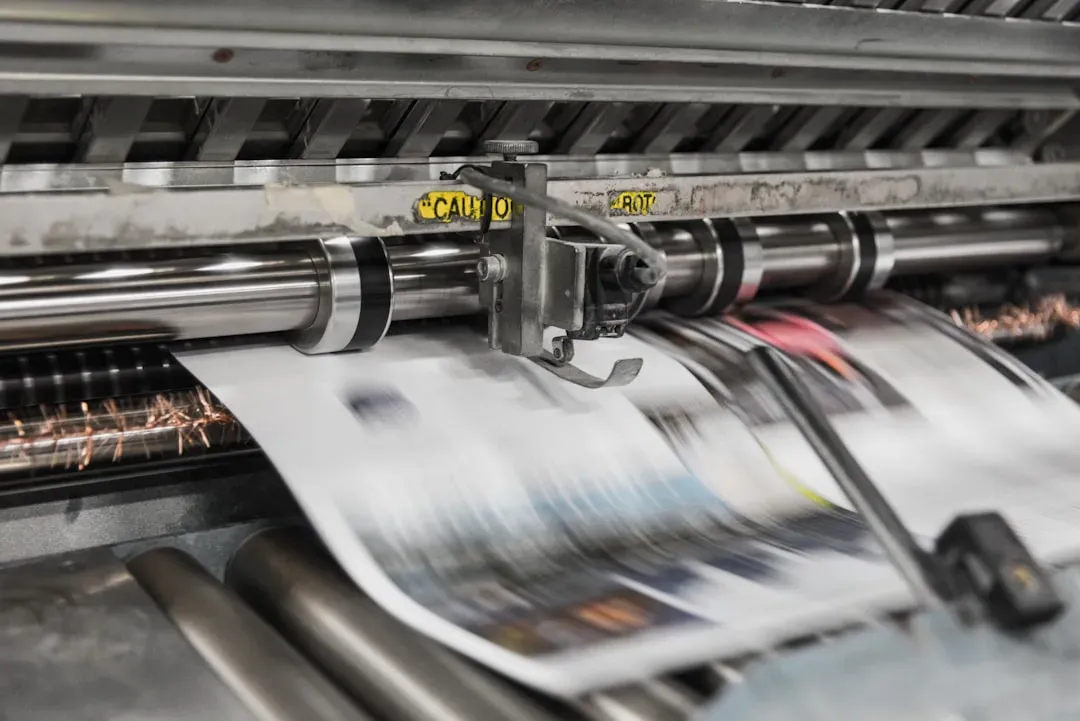
Before Gutenberg’s press, copying a single book took months of painstaking handwork by scribes. Information moved at a crawl. The printing press changed that overnight, relatively speaking. Suddenly, you could produce hundreds of identical copies in the time it once took to make one.
This wasn’t just about speed. It created the first true mass media. Pamphlets, newspapers, and broadsheets could spread news across entire continents within weeks instead of years. When something important happened in Rome, people in London would actually hear about it while it still mattered.
The press turned information into a commodity anyone could access. Ideas that once stayed locked in monastery libraries or noble courts were suddenly available to merchants, craftsmen, and even peasants who could read. That shift in information flow was more revolutionary than most military conquests.
Standardizing Languages Nobody Could Agree On
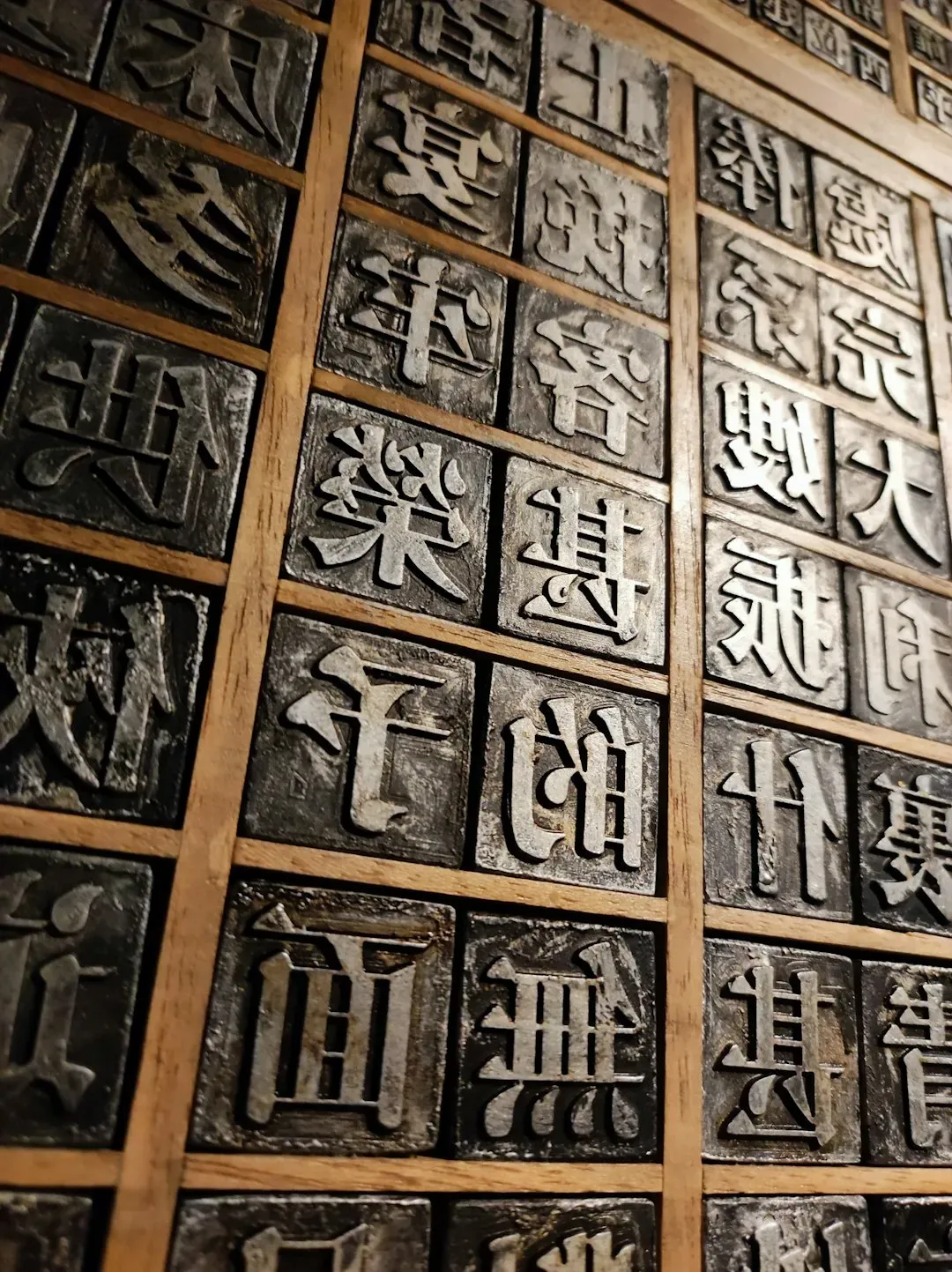
Here’s something that doesn’t get enough credit. Before printing, languages were absolute chaos. Medieval English varied so dramatically from region to region that people from different counties sometimes couldn’t understand each other. There was no “correct” way to spell anything.
Printers needed consistency to be efficient, so they started making choices. They picked specific spellings, grammatical rules, and dialects to use in their books. Those printed versions became the standard simply because they were everywhere. If you learned to read, you learned the printer’s version of the language.
This standardization helped forge national identities. When everyone in England read the same English, or everyone in France read the same French, it created a shared linguistic culture that hadn’t existed before. Languages stopped evolving quite so wildly and started looking more like what we recognize today.
Fueling Scientific Revolution Through Collaboration
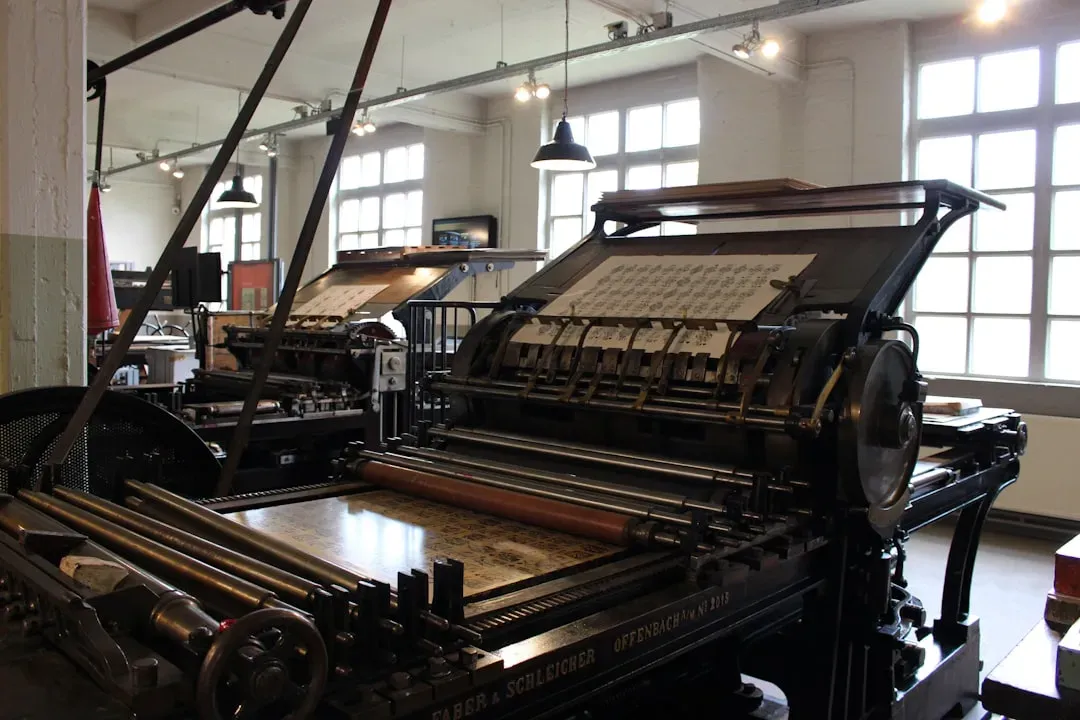
Scientists before the printing press worked mostly in isolation. A mathematician in Poland might spend years solving a problem that someone in Italy had already figured out, but neither would know about the other’s work. Progress happened in disconnected bursts.
Printing changed the entire game. Scientists could publish their findings, and others could build on that work immediately. Isaac Newton famously said he stood on the shoulders of giants, but without printing, he wouldn’t have known those giants existed. Printed journals and books created an ongoing conversation across borders and generations.
Diagrams, illustrations, and mathematical notation could be reproduced accurately, which was nearly impossible with hand copying. A detailed anatomical drawing or complex equation looked the same in every copy. This reliability accelerated discovery in ways that are hard to overstate.
The Reformation’s Unlikely Wingman
Martin Luther’s 95 Theses might have stayed nailed to that church door in Wittenberg if not for the printing press. Instead, they spread across Europe in a matter of weeks. Suddenly, a local religious dispute became an international movement that split Christianity forever.
The Catholic Church had maintained power partly through controlling religious texts and their interpretation. When Luther’s ideas and eventually full Bibles in common languages hit the presses, that monopoly shattered. People could read scripture themselves and form their own opinions about what it meant.
Religious pamphlets became bestsellers, which sounds almost funny now. But these cheap printed materials allowed reform ideas to reach millions. The Reformation wouldn’t have been possible, or at least nowhere near as successful, without mass-produced printed materials spreading the message.
Democratizing Knowledge and Threatening Power
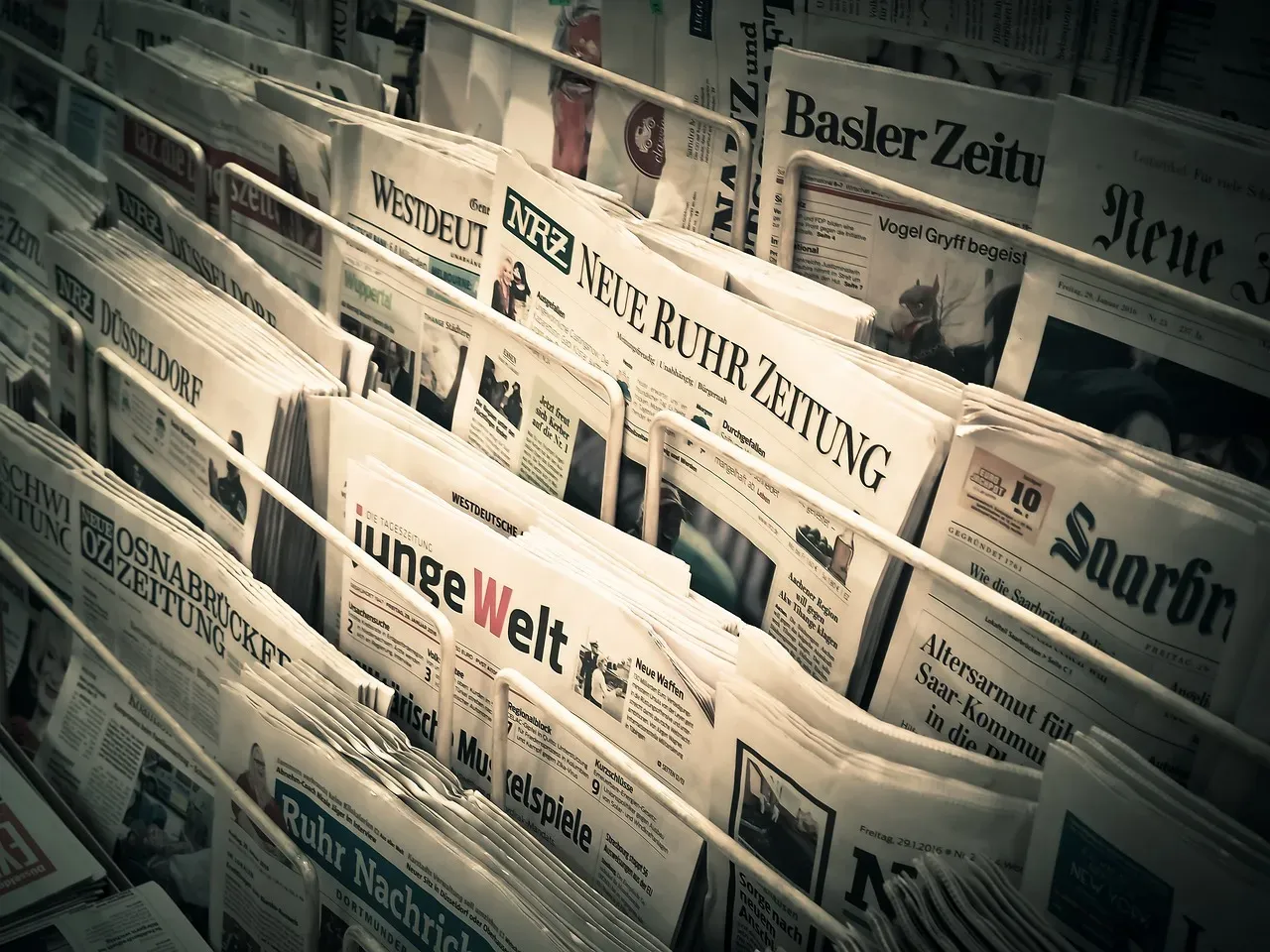
Knowledge is power, and for most of human history, those in power worked hard to keep knowledge scarce. The printing press made that impossible to maintain. Educational materials, philosophical treatises, and political writings could reach anyone with basic literacy and a few coins.
Authorities immediately recognized the threat. Governments and religious institutions scrambled to control what could be printed, creating censorship systems and lists of banned books. The fact they tried so hard to control printing proves how dangerous they found it to their grip on power.
This democratization laid groundwork for Enlightenment thinking and eventually modern democracy. When common people could access the same information as elites, the old justifications for rigid social hierarchies started falling apart. Ideas about human rights, representative government, and individual liberty spread through printed materials.
Creating the Modern Concept of Copyright

Before printing, copying a manuscript was so labor-intensive that ownership of ideas wasn’t really an issue. The printing press made copying cheap and fast, which immediately created problems. Who had the right to print a particular text? Could printers just copy anything they wanted?
These questions led to the world’s first copyright laws, starting with the Statute of Anne in England in 1710. Suddenly, creators had legal ownership of their intellectual work. This might seem like dry legal stuff, but it fundamentally changed how we think about ideas and creativity.
Copyright law encouraged people to create new works because they could profit from them. It also sparked ongoing debates we’re still having today about balancing creators’ rights with public access to information. Every argument about music piracy or academic journal paywalls traces back to problems the printing press created.
Transforming Education From Elite to Accessible

Medieval education happened mostly through oral teaching and rare, expensive manuscripts. Universities existed, but they were for the wealthy few. The printing press didn’t immediately make education universal, but it started that long process.
Textbooks became affordable enough that middle-class families could own them. Students could study at home with printed materials instead of relying entirely on lectures. The spread of printed educational materials created pressure for expanded literacy, which in turn created pressure for more schools.
By the 18th and 19th centuries, printed books had made mass education economically feasible in a way that hand-copied manuscripts never could. The relatively educated populations that drove the Industrial Revolution wouldn’t have existed without centuries of increasingly accessible printed materials.
Standardizing Everything From Maps to Music
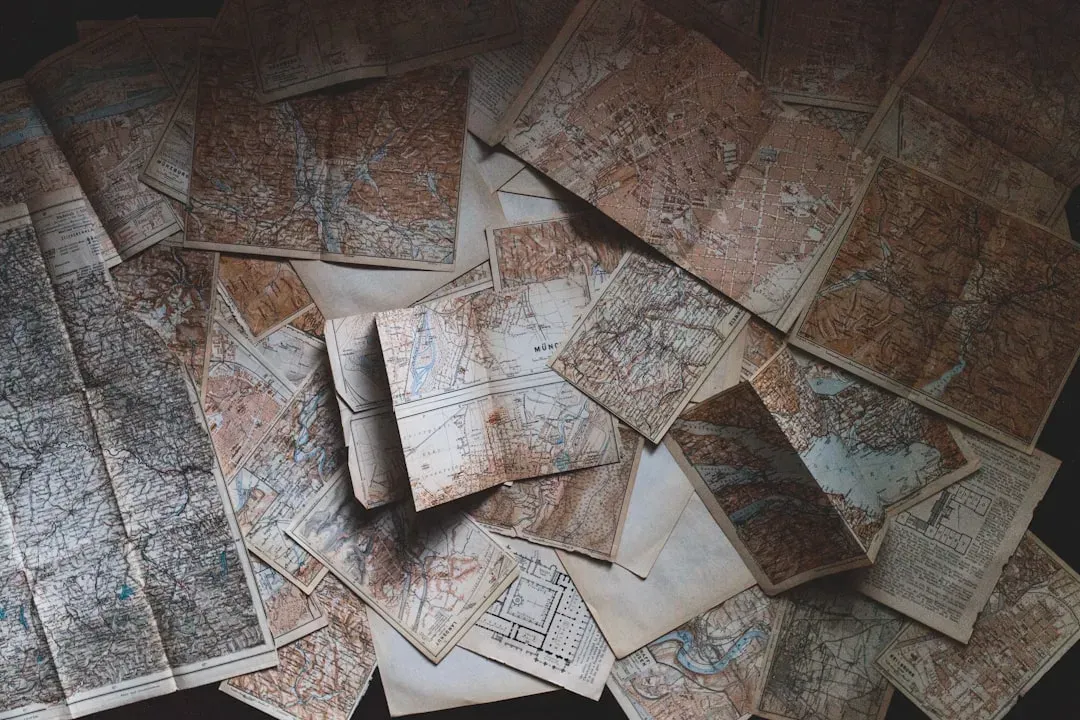
The printing press didn’t just standardize language. It brought consistency to nearly every field that relied on visual or written information. Maps became reliable references instead of hand-drawn approximations that varied wildly in accuracy.
Musical notation could be printed, allowing composers to share complex works that performers could accurately reproduce. Before this, music transmission happened mostly through in-person teaching and performance. Printed sheet music created a permanent record of musical ideas.
Technical drawings, architectural plans, and instructional diagrams could be distributed identically to multiple craftsmen or builders. This standardization enabled more ambitious projects and faster spread of technical innovations. When everyone was working from the same printed plans, collaboration became infinitely easier.
Enabling Bureaucracy and Modern Government

Modern government administration would be impossible without printing. Tax forms, legal codes, census records, and official documents all depend on printed materials that can be distributed identically to thousands of government offices and millions of citizens.
The printing press made complex legal systems manageable. Laws could be published so everyone theoretically had access to the same rules. Court decisions could be printed and referenced in future cases, creating consistent legal precedents. Bureaucratic procedures could be standardized through printed manuals and forms.
This might not sound exciting, but organized bureaucracy enabled larger, more effective governments. The nation-states that came to dominate modern history needed printing to function at scale. Imagine trying to run a country of millions using only hand-written documents. It simply wouldn’t work.
The printing press didn’t just change what we read. It transformed how we think, organize ourselves, and understand our world. From enabling scientific breakthroughs to sparking political revolutions, from standardizing education to creating mass media, Gutenberg’s invention touched virtually every aspect of modern life. Next time you scroll through news on your phone or share an article online, remember you’re participating in a tradition of mass information sharing that started with metal type and a wooden press more than 580 years ago. What would you say was the printing press’s biggest impact? The answer probably depends on what you value most, which is exactly the kind of diverse thinking that printing made possible in the first place.