Ever find yourself daydreaming about sipping champagne in a 1920s speakeasy or cruising down Route 66 in a cherry-red convertible during the golden age of Vegas? You’re not alone. We’ve all got that one era we secretly wish we could time-travel back to, even though deep down we know the reality was probably a lot less glamorous than what plays out in our heads.
Here’s the thing: our brains are ridiculously good at filtering out the messy parts of history and keeping only the shiny bits. It’s like Instagram for the past. And when it comes to places like Las Vegas, this phenomenon kicks into overdrive. The nostalgia for old Vegas, with its Rat Pack charm and neon-lit mystique, is so powerful that entire casino themes are built around it.
So why do we do this? What makes us romanticize bygone eras when logically we know they had their own share of problems? Let’s dive into the fascinating psychology behind our rose-tinted view of history.
The Selective Memory Filter We All Have
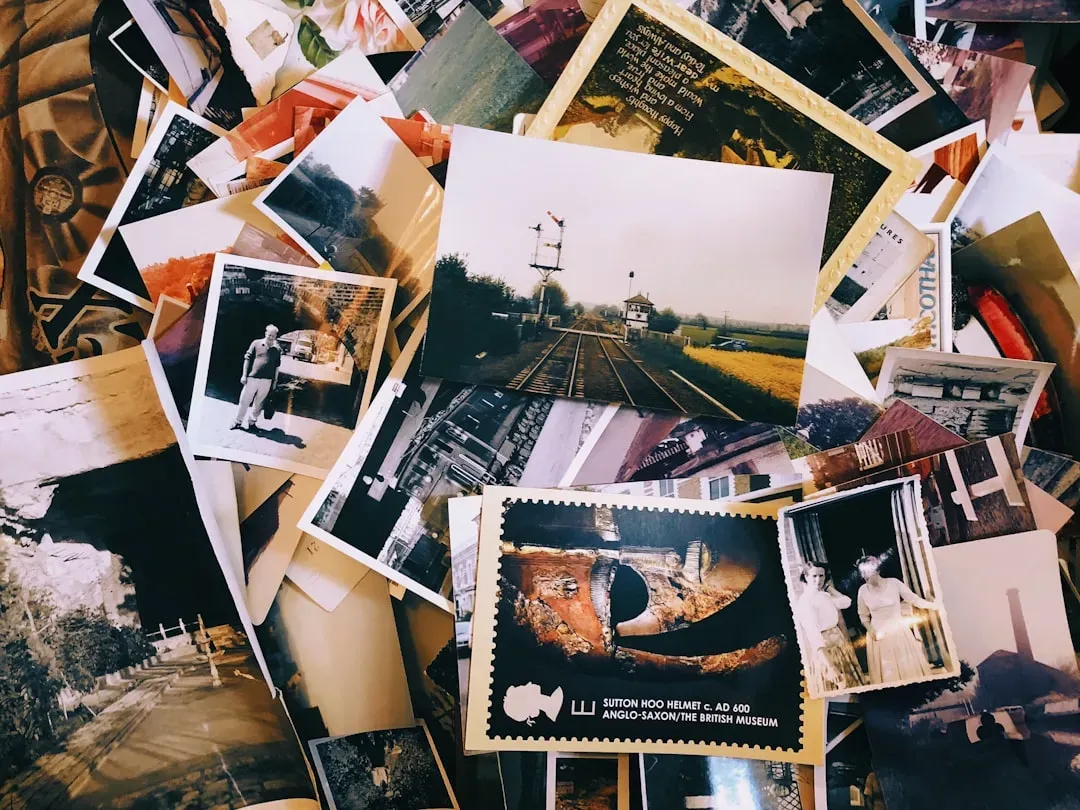
Our brains are terrible historians. Seriously. When we think back to any time period, whether it’s our own childhood or the Roaring Twenties, we unconsciously cherry-pick the good stuff and toss out everything else. Psychologists call this “rosy retrospection,” and it’s basically your mind’s way of making the past more appealing than it actually was.
Think about it. When you picture the 1950s, you probably imagine perfectly coiffed housewives and wholesome family dinners, not the rampant discrimination and Cold War paranoia. Your brain literally edits out the uncomfortable parts like a movie director cutting bad scenes.
This selective memory doesn’t just apply to distant history either. It happens with your own past too. That “simpler time” you remember from your childhood? Yeah, your parents were probably stressed about bills and world events just like today.
In Vegas specifically, we romanticize the glamorous casino openings and legendary performers while conveniently forgetting about the mob violence and exploitation that ran rampant behind the scenes. It’s easier to focus on Frank Sinatra’s smooth voice than the darker underbelly of old Vegas.
Nostalgia as an Emotional Comfort Blanket

Nostalgia feels good. Like, really good. Research shows that nostalgic thinking actually triggers the reward centers in our brain, releasing feel-good chemicals that make us temporarily happier. When life gets overwhelming or uncertain, our minds naturally drift back to idealized versions of “better times.”
It’s no coincidence that nostalgia tends to spike during periods of social upheaval or personal stress. The past feels safer because we already know how the story ends. There’s comfort in that certainty, even if the version we’re remembering never really existed.
Vegas has always understood this on a deep level. The city constantly reinvents itself while simultaneously capitalizing on nostalgia for its own golden age. Casinos recreate vintage aesthetics because they know it makes people feel something warm and familiar.
What’s wild is that we can feel nostalgic for times we never even lived through. Ever felt wistful about the 1960s counterculture or wished you’d experienced Woodstock, despite being born decades later? That’s called “historical nostalgia,” and it’s just as powerful as personal nostalgia.
The Media’s Role in Shaping Our Historical Fantasies
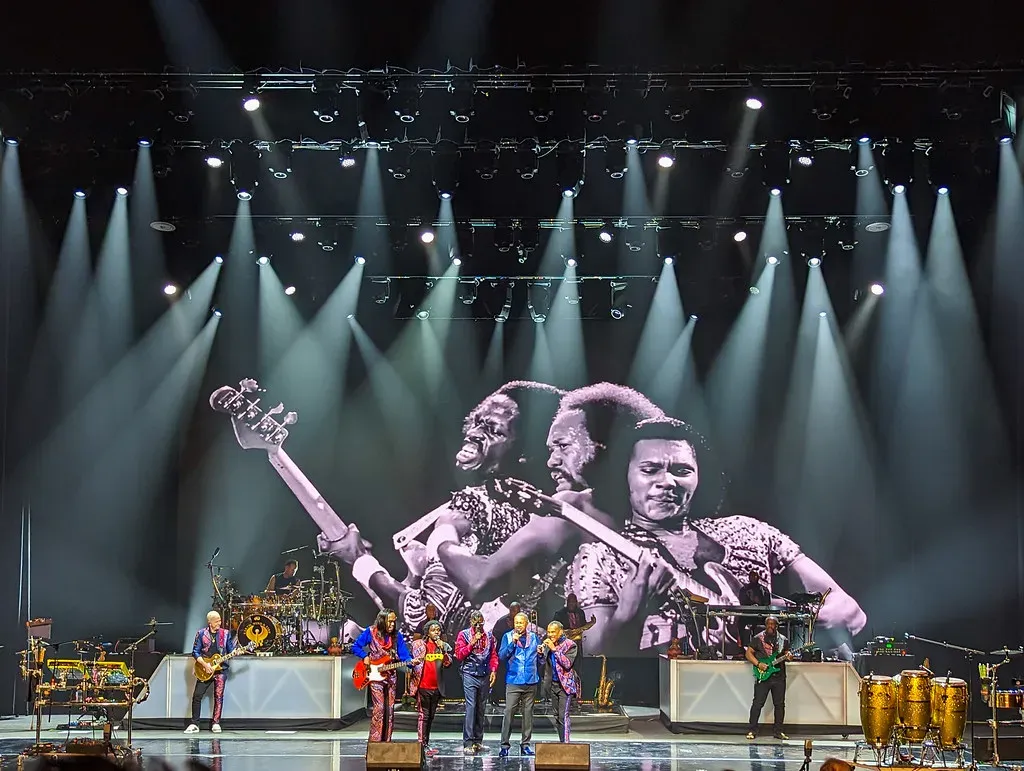
Movies, TV shows, and music don’t just reflect history. They actively reshape how we remember it. Every period piece you watch is someone’s interpretation, filtered through modern sensibilities and usually prettied up for entertainment value.
Take any show set in the past and you’ll notice everyone has perfect teeth, flawless skin, and impeccable style. The reality? Most people throughout history dealt with poor hygiene, limited medical care, and way less variety in their wardrobes. But that doesn’t make for good television.
Las Vegas has been particularly influenced by this media effect. Films like “Ocean’s Eleven” (both versions) and shows like “Vegas” have created a mythology around the city’s past that’s part truth, part Hollywood magic. We remember the sparkle and forget the sweat.
Social media has amplified this effect to ridiculous levels. Vintage photographs get filtered, colorized, and shared with captions that emphasize the romance while ignoring historical context. A picture of old Fremont Street looks absolutely enchanting until you remember there was no air conditioning and everyone was probably miserable in the desert heat.
The Escape From Modern Complexities
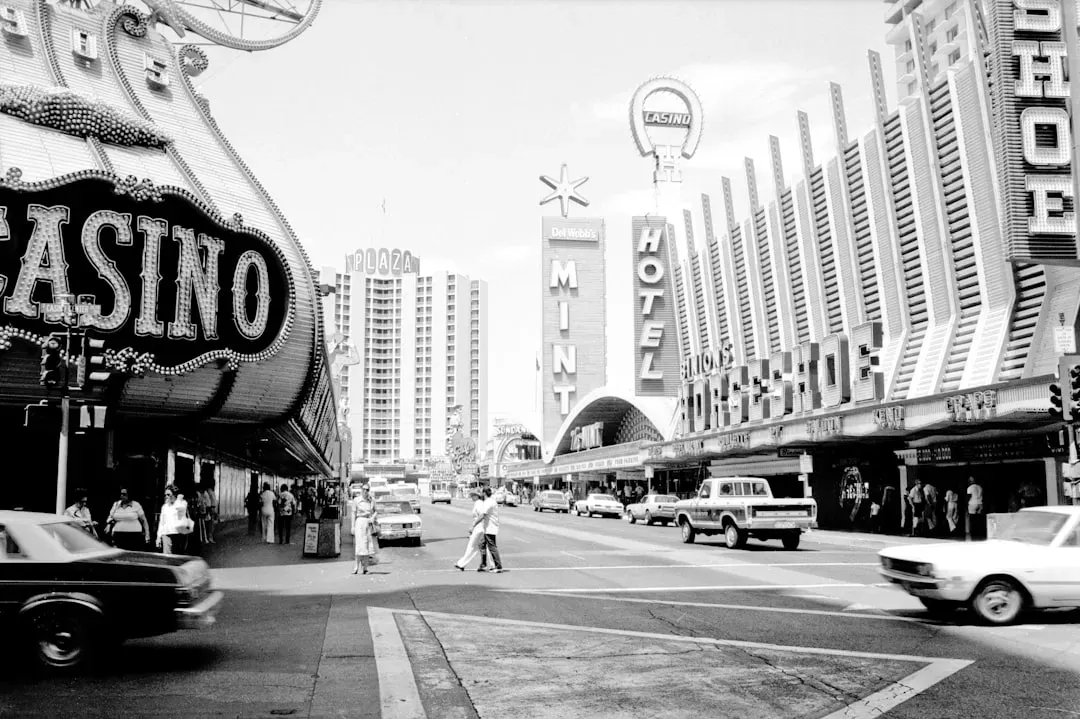
Let’s be real. Modern life is complicated and exhausting. We’re constantly connected, endlessly bombarded with information, and facing problems that feel impossibly big and systemic. Romanticizing the past offers a mental escape hatch from all that noise.
Past eras seem simpler because we only see them in hindsight, stripped of their real-time uncertainties. The 1950s looks straightforward now, but people living through it didn’t know what would come next. They had their own anxieties and complexities.
This escapism is particularly strong when it comes to places like Las Vegas, which has always marketed itself as a fantasy destination. Combining that fantasy element with nostalgia for a “better” Vegas creates a double layer of escapism that’s incredibly appealing.
Partner offer
The irony? People in those romanticized eras probably looked back at even earlier times with the same wistful longing. Your grandparents might have fantasized about the 1920s the same way you daydream about the 1960s. It’s a never-ending cycle.
Identity Formation Through Historical Association

The historical periods we romanticize often say more about us than about the actual era. We gravitate toward times that reflect values or aesthetics we wish we embodied. Someone drawn to the 1920s might value rebellion and artistic innovation. A person nostalgic for the 1950s might crave stability and traditional structures.
This psychological projection lets us build an identity around an idealized past. You’re not just someone who likes vintage fashion. You’re someone who appreciates the “elegance and sophistication” of a bygone era. See how that works? It adds depth to how we see ourselves.
In Vegas culture, this is massive. People who identify with the Rat Pack era often see themselves as cooler and more suave by association. Wearing a fedora and drinking an old fashioned becomes a way of channeling that imagined sophistication.
The truth is, we’re constructing fantasy versions of ourselves alongside fantasy versions of history. And honestly? There’s nothing inherently wrong with that, as long as we recognize what we’re doing.
The Grass Is Always Greener Effect
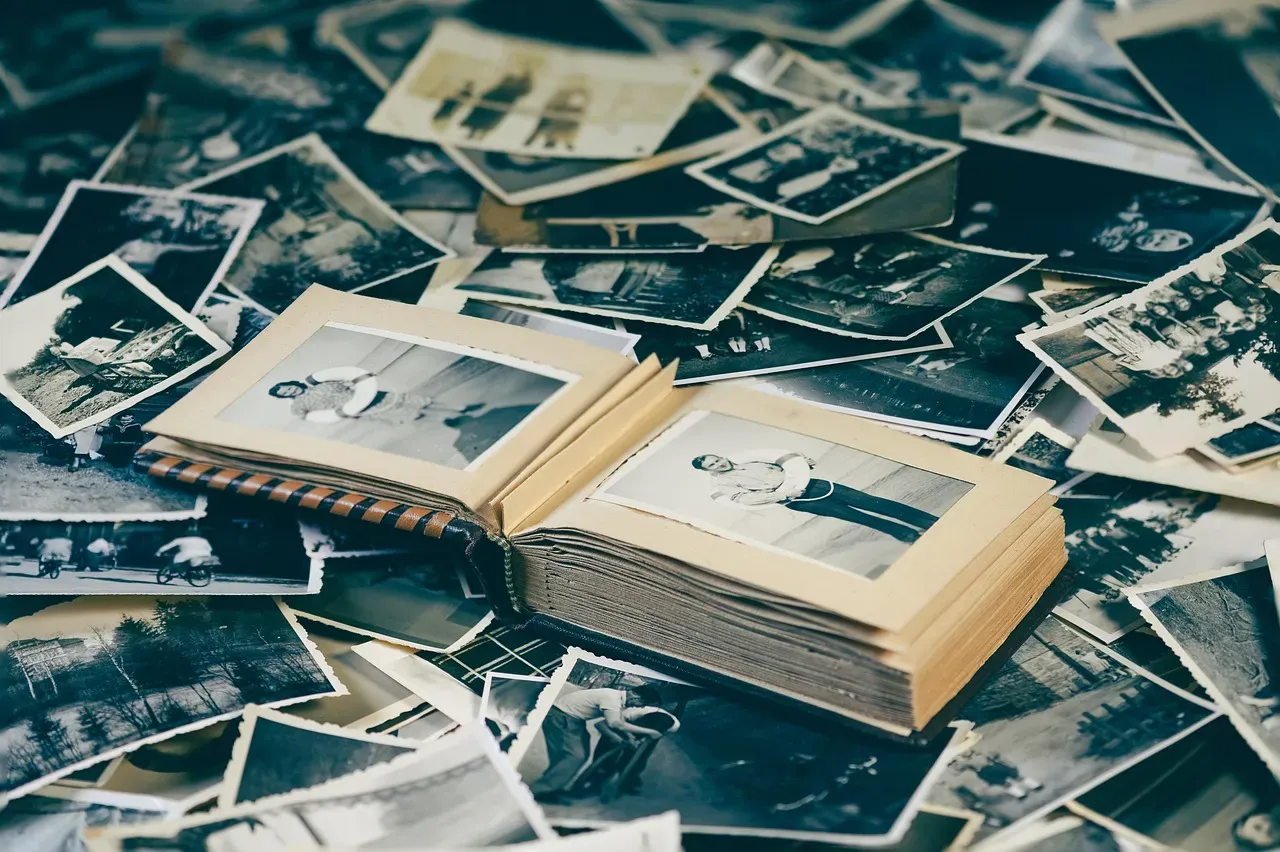
Human beings are hardwired to think things were better somewhere else or somewhen else. It’s the same psychology that makes you think your neighbor’s life is more interesting or that moving to a new city will solve all your problems.
When we’re dissatisfied with the present, the past becomes this shimmering alternative reality where everything was supposedly better. The music was more authentic. People were more genuine. Life had more meaning. Never mind that people in those eras probably complained about the exact same things.
This effect is amplified in cities like Las Vegas that have undergone dramatic transformations. Old-timers insist the city has lost its soul, that corporate mega-resorts have replaced authentic Vegas character. Maybe there’s some truth to that, but guaranteed people said the same thing when those now-nostalgic establishments first opened.
Every generation thinks the previous one had it better in some fundamental way. It’s a psychological pattern as old as humanity itself. Even ancient Romans complained about how things were better in the “good old days.”
The Aesthetic Appeal of Vintage Imagery
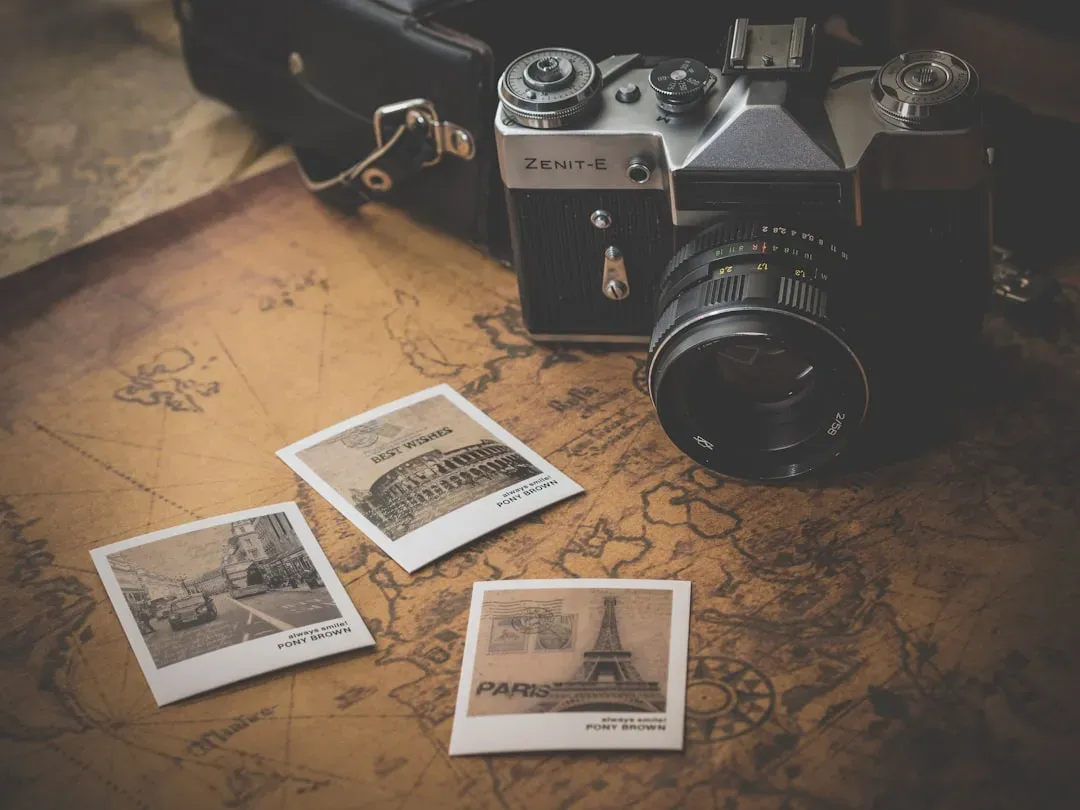
There’s something undeniably attractive about old photographs, vintage fashion, and retro design. Part of this is purely visual. The grain of old film, the color palettes of different eras, the craftsmanship of older objects all have an aesthetic quality that appeals to us.
But there’s more to it than just pretty pictures. Vintage aesthetics carry an aura of authenticity that mass-produced modern items often lack. A hand-tailored suit from the 1940s feels more “real” than something bought off a rack today, even though both are just clothes.
Las Vegas has capitalized on this aesthetic appeal brilliantly. Vintage casino chips, old neon signs, and retro-themed bars all trade on our attraction to the visual language of the past. The Neon Museum downtown literally preserves old signs as art, acknowledging their power to evoke emotion and memory.
What’s fascinating is how quickly aesthetics cycle through nostalgia. Things that were tacky twenty years ago suddenly become charmingly retro. Today’s Instagram filters that mimic old film prove we’re still actively trying to make our present look like someone else’s past.
Conclusion: The Beautiful Lie We Tell Ourselves
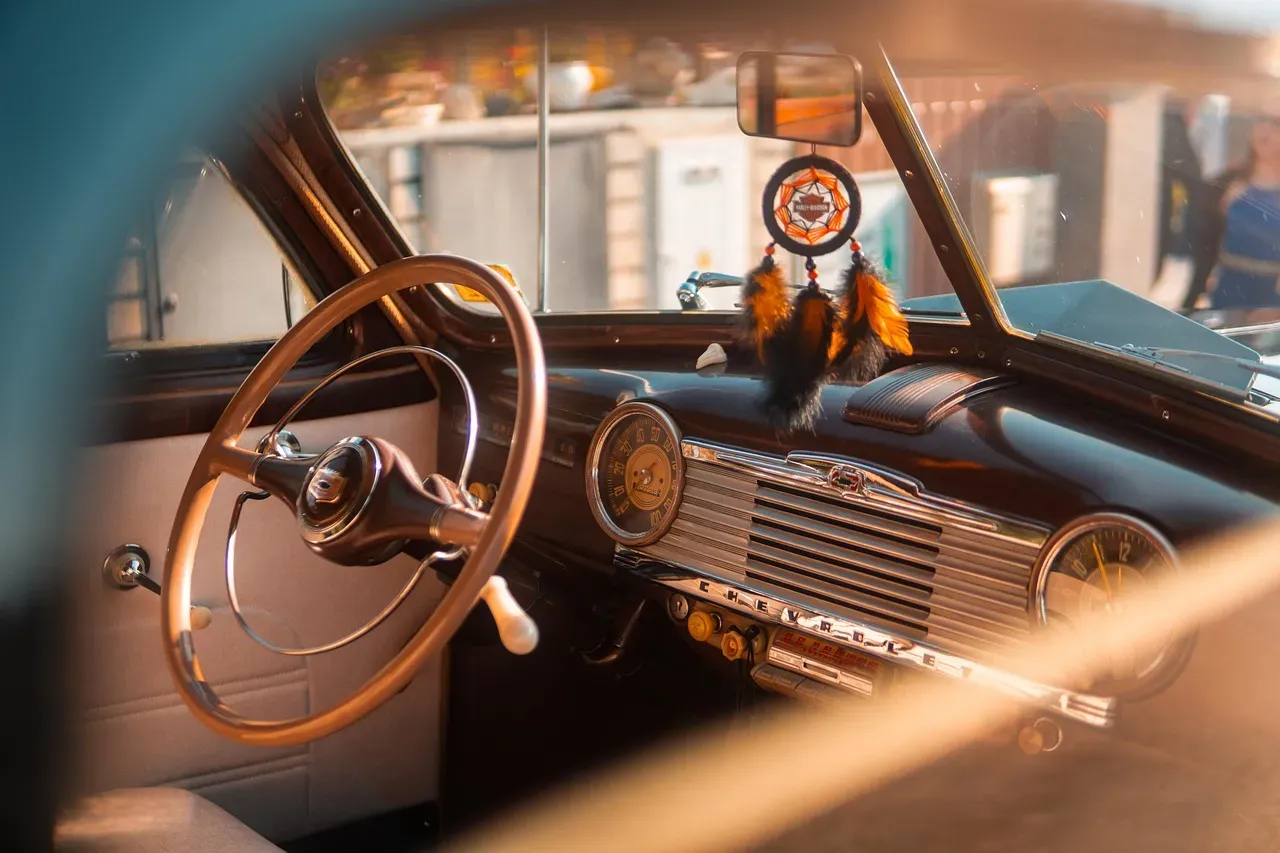
Romanticizing historical periods isn’t really about the past at all. It’s about us, right now, using curated versions of history to make sense of our present and dream about alternatives. We construct these rose-tinted visions because they serve psychological needs: comfort, identity, escape, and connection.
Does any of this make our nostalgia less valid? Not really. Understanding why we romanticize the past doesn’t rob it of its emotional power. You can know intellectually that old Vegas was run by mobsters and still feel something warm and wonderful when you see a vintage photograph of the Strip.
The key is balance. Enjoy the aesthetics, embrace the nostalgia, but don’t let idealized versions of the past blind you to the very real problems those eras had or the genuine good things happening right now. History is complicated, messy, and human, just like today.
What’s your favorite historical period to romanticize? Let us know in the comments.
Partner offer
Planning a trip to Vegas?
Compare hotel rates and show tickets on VEGAS.com.