Every so often, an album lands and the reviews come in cold. Critics call it self-indulgent, incoherent, a career misstep, sometimes worse. Then a strange thing happens over the following years or decades: the same record that got dragged through the press starts showing up on greatest-albums lists, taught in music classes, and cited as an influence by artists who weren’t even born when it came out. This kind of reversal isn’t rare, but it is instructive. It says something about how critical consensus forms in real time versus how it settles once an album has had years to breathe. Here are nine records that went from critical punching bags to certified classics.
1. Lou Reed – Berlin (1973)
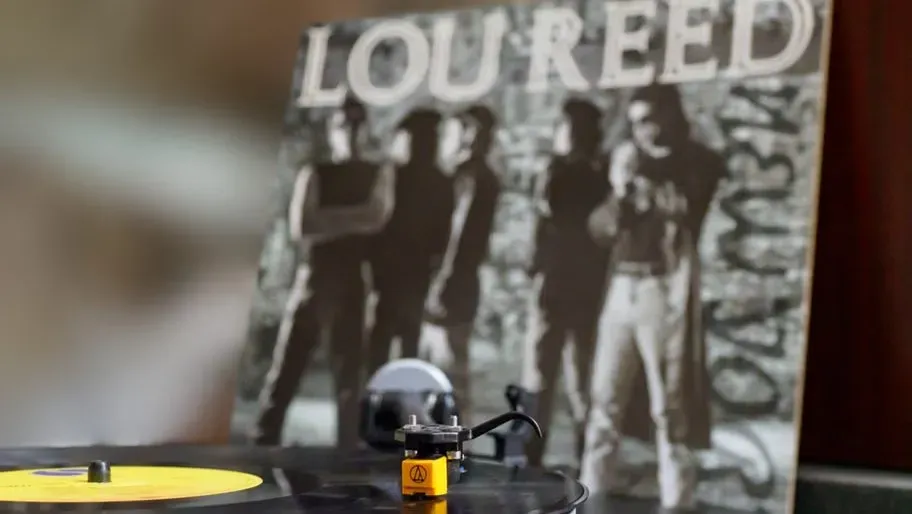
When Lou Reed released this bleak concept album about a doomed couple spiraling through addiction, abuse, and suicide, the reaction from the era’s most influential outlet was brutal. Rolling Stone called it a disaster, taking the listener into a distorted and degenerate world of paranoia, schizophrenia, degradation, pill-induced violence and suicide, adding that there are certain records so patently offensive that one wishes to take physical vengeance on the artists who made them. The review reportedly ended with a farewell to Reed’s career entirely.
Decades of reassessment tell a different story. Initial critical reception was mixed, but appraisals warmed over the years, and by 2012 Rolling Stone itself ranked the album No. 344 on its list of the 500 greatest albums of all time. The same publication that wished physical harm on its creator now treats it as essential listening, a reversal about as complete as pop music criticism gets.
2. Fleetwood Mac – Tusk (1979)
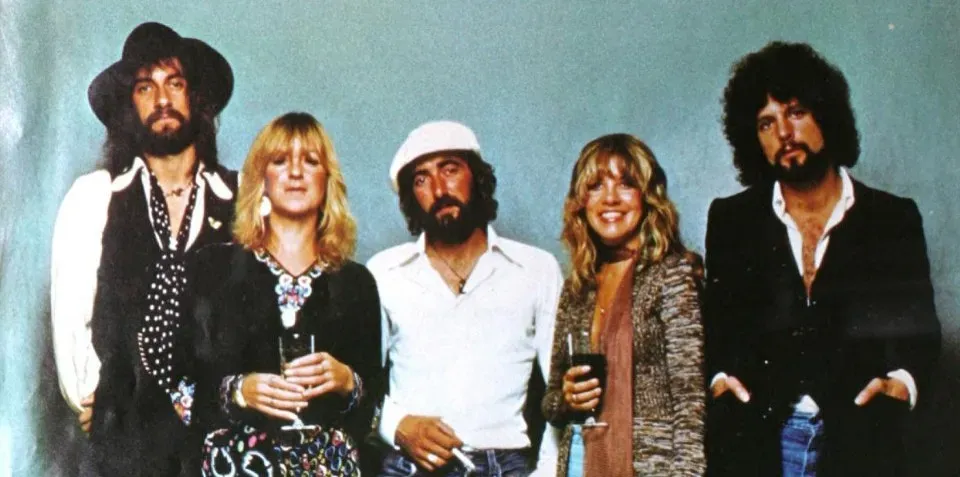
Following the multi-platinum juggernaut of Rumours, Fleetwood Mac’s next move was a sprawling, deliberately uncommercial double album. Upon its release, Tusk received mixed reviews, with some critics praising its innovation and others questioning its departure from Rumours, and over time it has been re-evaluated and is now regarded as a classic. Commercially, it was seen as a letdown, even though it still sold millions of copies.
Behind the scenes, the band was officially broken and shattered during the making of Tusk, and that disconnect resulted in a sprawling, incoherent, and utterly brilliant twenty-track double album that was a flop at the time, never reaching the top of the charts or spawning a true hit single. Today critics regularly cite it as one of the boldest artistic swings any band made at the height of their commercial power, a strange, sprawling document of a band falling apart while somehow still creating something cohesive underneath the chaos.
3. Weezer – Pinkerton (1996)

Weezer’s raw, confessional follow-up to their breakout debut confused just about everyone in 1996. The 1996 Rolling Stone Critics Poll labelled Pinkerton one of the worst albums of the year, though the original review was significantly less vitriolic than the poll suggested. Fans expecting more novelty hits in the vein of the debut got something rawer, messier, and far more emotionally exposed instead.
The turnaround here is almost comical in its speed and scale. The same magazine that called it the third worst album of 1996 named it the sixteenth greatest album of all time in 2002, and the album currently holds a perfect one hundred score on Metacritic. Rivers Cuomo himself has admitted mixed feelings about the record’s cult status, but there’s no denying it’s now regarded as one of the defining albums of nineties alternative rock.
4. The Beach Boys – Pet Sounds (1966)
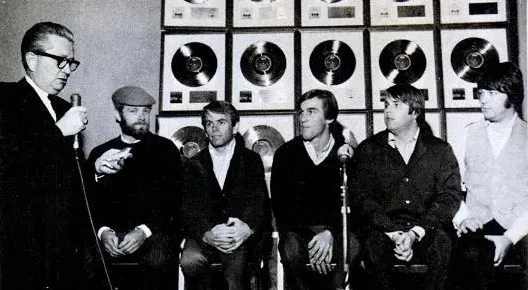
It’s easy to forget now, given its reputation as one of the most influential pop records ever made, that Pet Sounds initially confused American audiences and underperformed compared to the band’s earlier surf hits. Capitol Records, the band’s own label, was reportedly lukewarm about promoting an album that abandoned surfboards and convertibles for orchestral arrangements and introspective lyrics about love and anxiety. Radio programmers didn’t know what to do with it, and sales in the United States lagged well behind expectations.
The album found its champions abroad first, particularly in Britain, where critics and musicians recognized what Brian Wilson had accomplished. It took years for American critical opinion to fully catch up, but catch up it did. Pet Sounds now routinely tops lists of the greatest albums ever recorded, and its influence on artists from Paul McCartney to countless indie acts is treated as a matter of settled fact rather than debate.
5. The Velvet Underground & Nico (1967)
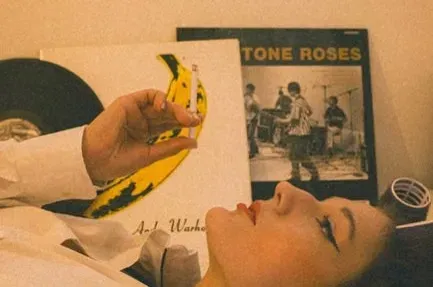
Few debut albums have been as thoroughly ignored, or actively dismissed, as this one. The Velvet Underground’s first record, produced with Andy Warhol’s backing and Nico’s detached vocals layered over songs about heroin and sadomasochism, barely registered on the charts and drew confused or hostile reviews from a mainstream press unprepared for its subject matter and abrasive sound. It sold poorly enough that the band’s label reportedly considered it a commercial disappointment almost immediately. Its rehabilitation happened slowly, through generations of musicians who discovered it secondhand and cited it as a formative influence. Punk, art rock, and much of alternative music’s DNA can be traced back to this record, and it’s now near-universally recognized as one of the most important albums in rock history, a case where influence eventually outpaced initial commercial and critical reception entirely.
6. Big Star – Third/Sister Lovers (1978)
Big Star’s third album was barely released at all when it was finished. The band had already broken up, the recordings sat unfinished for years, and when a version finally reached the public, it did so quietly, with little critical attention and even less commercial traction. Its dark, fragmented songwriting felt out of step with what was happening in rock at the time, and most listeners simply never encountered it.
Reassessment came through cult word of mouth rather than any single critical event. Musicians in the alternative and indie scenes of the eighties and nineties treated it as a hidden touchstone, and eventually mainstream critics followed suit. It’s now frequently ranked among the most emotionally raw and influential albums of the seventies, despite having almost no impact at all when it first limped into stores.
7. Van Morrison – Astral Weeks (1968)

When Van Morrison released this loosely structured, jazz-inflected album following his more conventional pop hit “Brown Eyed Girl,” listeners and critics alike weren’t sure what to make of it. It sold modestly and didn’t produce any hit singles, and its stream-of-consciousness lyrics and unconventional song structures left much of the contemporary press unimpressed or simply indifferent. For a while, it looked like a commercial dead end for an artist who had just tasted mainstream success. Over the following decades, though, the album’s reputation grew steadily until it became a fixture on best-albums-ever lists, admired for exactly the qualities that once made it a hard sell. Its loose, improvisational feel is now cited as a precursor to entire strands of folk and singer-songwriter music that came after it, and Morrison himself has spoken of it as a deeply personal work he never expected to be understood right away.
8. My Bloody Valentine – Loveless (1991)

Loveless nearly bankrupted its record label and took so long to make that it became something of an industry joke before it was even finished. When it arrived, reviews were mixed at best, with some critics baffled by its wall-of-noise guitar textures and buried, ghostly vocals. It sold poorly on release and struggled to find an audience beyond a small circle of devoted fans.
Its reputation transformed almost entirely through retrospective influence. The shoegaze genre it helped define went on to shape decades of alternative and dream pop music, and critics eventually circled back to recognize just how radical the album’s production techniques really were for their time. Loveless now appears near the top of countless “best of the nineties” and “most influential albums” lists, a complete reversal from the confusion that greeted it in 1991.
9. Neutral Milk Hotel – In the Aeroplane Over the Sea (1998)

This album’s initial reception wasn’t hostile so much as muted. It arrived on a small independent label, sold modestly, and drew a scattering of positive but hardly rapturous reviews. Its lo-fi production, surreal lyrics loosely inspired by Anne Frank’s diary, and unusual instrumentation made it a hard record to categorize, and it slipped by largely unnoticed outside a niche indie audience.
The album’s slow-burn rise to acclaim happened almost entirely through fan devotion and word of mouth in the years after its release, particularly as internet music communities grew and helped surface it to new listeners. By the 2000s it had become one of the most beloved and frequently cited indie rock albums of its era, regularly appearing on best-albums-of-the-decade lists that barely mentioned it, if at all, when it first came out.
These reversals share a common thread. In nearly every case, the album that critics initially rejected was doing something its contemporary audience simply hadn’t caught up to yet, whether that meant abandoning a proven commercial formula, embracing rawer emotional honesty, or experimenting with sounds nobody had quite heard put together that way before. Critical consensus, it turns out, is often less a verdict than a snapshot, one that time is perfectly willing to revise.