
Origins of the Sudden Offensive (Image Credits: Unsplash)
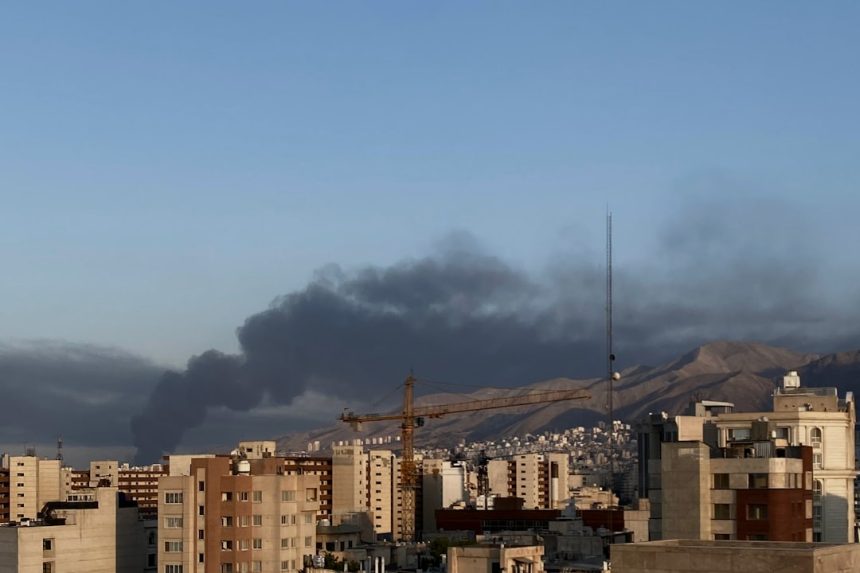
Tehran – Israel ramped up airstrikes across Iran’s capital on the fourth day of a rapidly intensifying conflict that drew in the United States and prompted widespread regional retaliation.[1][2]
Origins of the Sudden Offensive
The war erupted on February 28 when Israel and the United States initiated a series of precision strikes against key Iranian targets. Military installations, nuclear facilities, and leadership figures bore the brunt of the initial assaults. Iranian authorities reported significant damage to their ballistic missile program and security apparatus.[3]
Among the high-profile losses stood Iran’s Supreme Leader Ayatollah Ali Khamenei, whose death President Donald Trump confirmed in early statements. The operation aimed to neutralize threats posed by Tehran’s regime, according to U.S. and Israeli officials. Netanyahu defended the preemptive nature of the attacks, emphasizing long-standing security concerns.[4][5]
By Tuesday, operations had expanded, with sources indicating a planned campaign of up to two weeks to exhaust Iran’s primary target list. The rapid progression caught regional observers off guard, as markets reacted sharply to the unrest.[6]
Israel Heightens Pressure on Tehran
Israeli forces escalated their campaign, focusing renewed airstrikes on Tehran and other strategic sites. Reports detailed hits on command centers and infrastructure vital to Iran’s military response. Concurrent strikes targeted Beirut, broadening the scope of operations.[7]
The intensified barrages followed Iran’s initial counterstrikes, signaling Israel’s determination to maintain momentum. U.S. support played a pivotal role, with joint efforts disrupting Tehran’s defensive capabilities. Officials described the strikes as methodical, prioritizing high-value assets.[8]
Iran’s Retaliation Spreads Across Borders
Iran responded by launching drones and missiles at U.S. and allied positions. A notable attack struck the American embassy in Riyadh, Saudi Arabia, prompting immediate closures of U.S. diplomatic outposts across the Middle East. Fire broke out at the U.S. consulate in Dubai, though it was later contained.[9][10]
Tehran also fired projectiles toward Israel, with one missile impacting near Jerusalem and causing civilian casualties. Iran’s Red Crescent tallied extensive damage from the ongoing exchanges. The widened scope raised fears of further proxy involvement in the region.[11]
Casualties Mount and Trump Weighs In
The human cost climbed steadily, with Iranian reports citing nearly 800 deaths, the overwhelming majority within their borders. Additional fatalities included at least 11 in Israel, six U.S. service members, and eight in Gulf states. Mass funerals underscored the scale of devastation in affected areas.[12][7][13]
President Trump addressed the duration, stating the conflict could extend several weeks, if not longer, while rejecting notions of a protracted “forever war.” He emphasized preemptive aims and noted that potential post-regime leaders in Iran had perished in the strikes. Diplomatic channels remained tense as allies monitored oil supplies and refugee flows.[8][12]
- Nearly 800 confirmed dead in Iran from airstrikes.
- U.S. embassies shuttered in response to drone assaults.
- Israeli strikes now target expanded military nodes.
- Trump projects weeks-long timeline for operations.
- Regional markets volatile amid supply disruptions.
Key Takeaways:
- Death toll exceeds 800 across the region, predominantly in Iran.[14]
- Iran’s leadership decimated, complicating succession.
- U.S.-Israel alliance drives core strikes, faces retaliatory risks.
This volatile standoff tests international resolve and humanitarian networks alike. As strikes persist, the path to de-escalation remains obscured. What implications do you see for global stability? Share your thoughts in the comments.