Stand in front of any great royal portrait and you’ll notice the same thing sooner or later: the hands. They’re never simply resting. They hold objects, point at things, press against clothing, or fold with deliberate intent. These weren’t accidents or artistic whims. During the Renaissance period, hands were as important a focus of attention as the face, because they were the only other visible area of the body. The representation of the position of the hands became a decorative element that was almost as important as the face itself, making hand gestures in portraits one of the most effective ways of conveying secrets, codes, and messages. Royalty, artists, and courts all understood this silent language – and learning to read it changes the way you look at history altogether.
Royal portraits have long been more than just paintings hanging on palace walls. They are potent symbols, political tools, and intimate glimpses into the lives of monarchs, capturing the essence of power, identity, and legacy. Over the centuries, these portraits evolved, shaped by technological advancements, artistic trends, and changing societal values. The hands, as we’re about to see, carried much of that meaning.
The Benediction Gesture – Divine Authority Encoded in Two Fingers
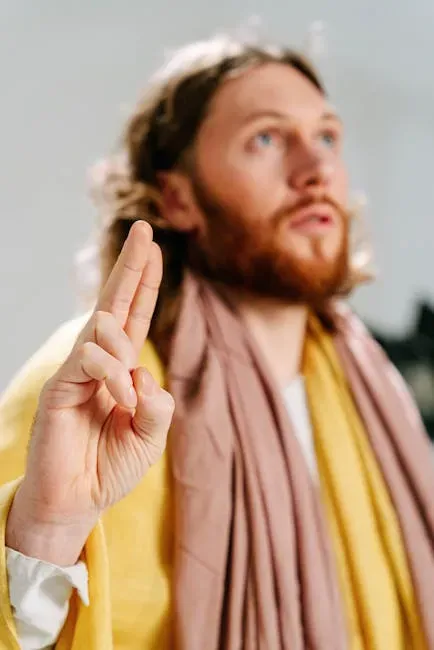
Extending two fingers in a manner reminiscent of a priest’s blessing is a gesture loaded with religious significance. In royal portraiture, it reinforces the idea that a monarch’s right to rule is sanctioned by a higher power. This pose, sometimes called the “benediction,” traces its roots to Christian iconography, where saints and Christ are depicted bestowing blessings. The message to any viewer in a cathedral or throne room was immediate and unmistakable – this ruler has God’s permission.
In the Middle Ages and Renaissance, this symbolism was crucial to legitimizing a ruler’s authority, especially in Christian monarchies. Spanish and French kings frequently used this gesture in their official portraits. Not only did this reassure subjects of the monarch’s chosen status, but it also discouraged dissent by implying that opposition was ungodly. Hand gestures play a crucial role in religious art. An examination of Judeo-Christian art finds an ecclesiastical language concealed in metaphors and expressed by unique hand gestures. Many of these hand signs convey messages that are not familiar to most people admiring these paintings.
The Hand Resting on the Sword – Protector of the Realm
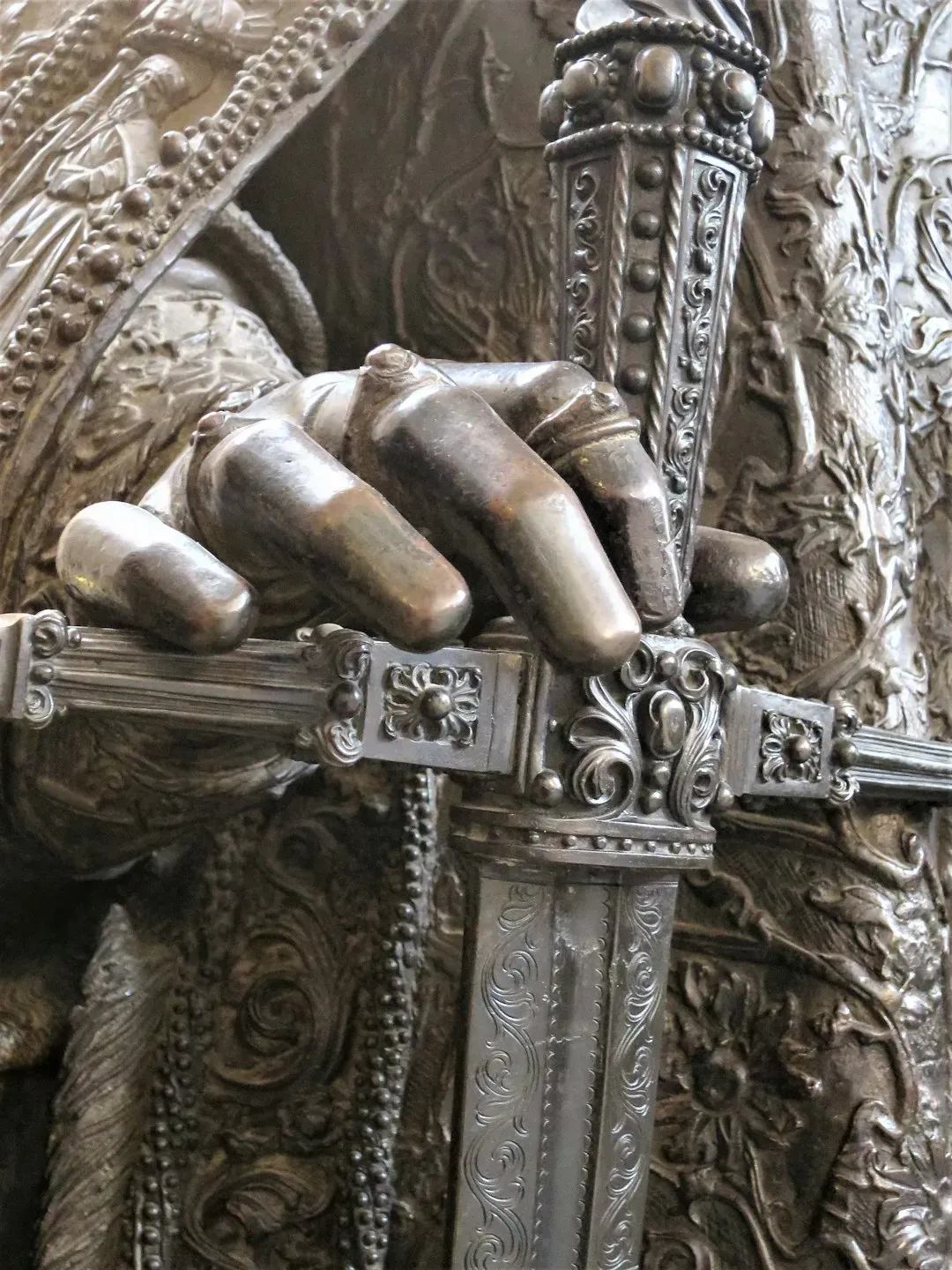
When a monarch is depicted with one hand resting confidently on the hilt of a sword, it’s more than a fashion statement – it’s a promise of protection. This gesture signals readiness, telling viewers the ruler is always prepared to defend the kingdom. In times of political instability or war, this pose reassured subjects that their leader had both the will and the means to safeguard the realm. The sword itself is a symbol of power, justice, and military prowess; holding it subtly, rather than brandishing it, suggests control and responsibility.
Portraits of Henry VIII, for example, famously feature this pose, emphasizing his dual role as both king and military commander. This gesture also appeared in the portraits of female monarchs like Elizabeth I, asserting their authority in a male-dominated world. A standing pose with hand on hip projected confidence and command, while gestures like the benediction sign linked monarchs to divine authority. When the sword replaced the hip, the symbolism turned from composure to readiness for combat, a distinction courtly audiences read clearly.
Holding the Orb – Christ’s Dominion Literally in Royal Hands
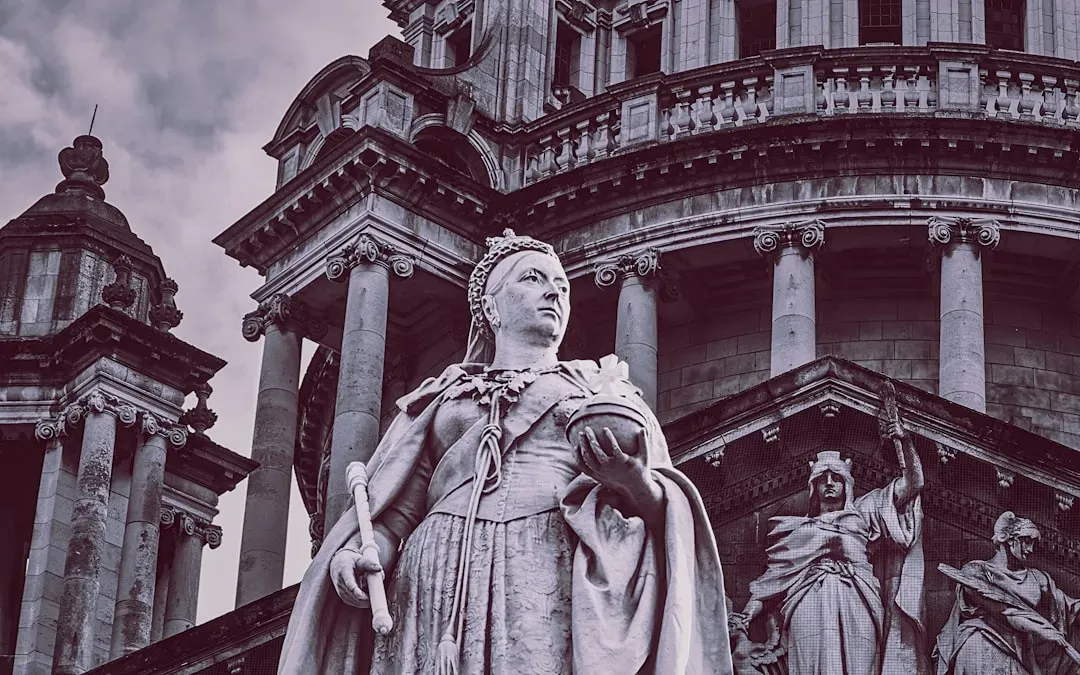
The globus cruciger, the orb topped with a cross, has been a Christian symbol of authority since the Middle Ages, used on coins, in iconography, and with a sceptre as royal regalia. The cross laid over the orb represents Christ’s dominion over the world, literally held in the hand of a worthy earthly ruler. It was one of the most loaded gestures a painted monarch could make – sovereignty over land, people, and faith all compressed into a single object cradled in the palm.
Even in the modern era in the United Kingdom, the Sovereign’s Orb symbolizes both the state and Church of England under the protection and domain of the monarchy. The scepter originated from an ancient shepherd’s staff, symbolizing guidance and protection. Different scepter types indicated various aspects of rule – justice, mercy, and military command – while holding both scepter and orb showed balance between earthly and spiritual authority. The careful choreography of these objects in royal portraits was never left to chance.
The Hand in the Waistcoat – Restrained Power and Noble Composure

The hand-in-waistcoat, also referred to as hand-inside-vest or hidden hand, is a gesture commonly found in portraiture during the 18th and 19th centuries. The pose appeared by the 1750s to indicate leadership in a calm and firm manner. In 1738, François Nivelon’s publication on genteel behavior formalized the gesture’s significance, describing it as emblematic of “manly boldness tempered with modesty,” which influenced its adoption in formal portraiture among statesmen, military leaders, and intellectuals.
The pose was used in 18th-century British portraiture as a sign that the sitter was from the upper class. An early 18th-century guide on “genteel behavior” indicates that it denotes “manly boldness tempered with modesty.” Art historian Arline Meyer has argued that the pose became a visualization of English national character in the post-Restoration period, promoting “a natural, modest, and reticent image that was sanctioned by classical precedent.” Keeping one hand in a robe also helped prevent nervous gestures while speaking, making the pose commonplace among powerful men and great orators.
The Gloved Hand – Elite Status, Chivalry, and Dueling Readiness
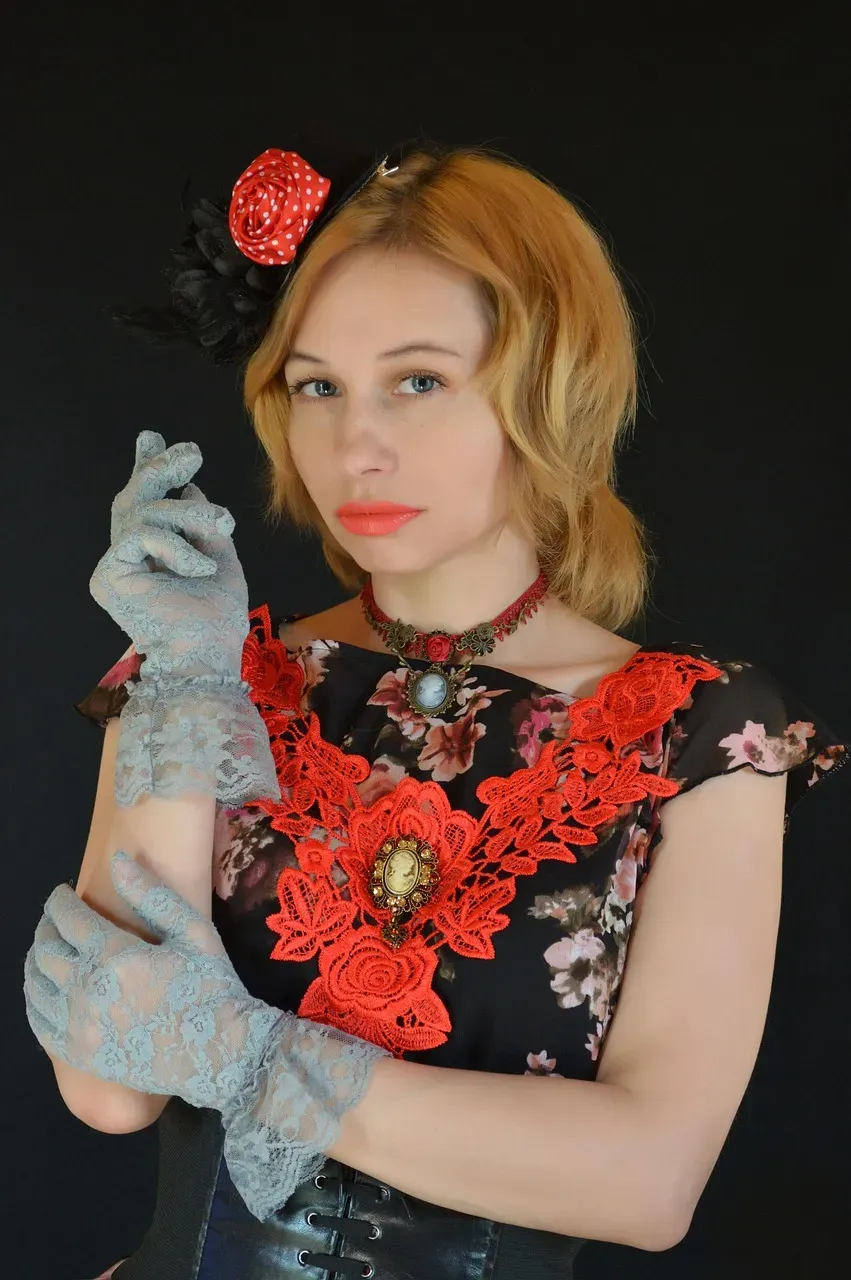
Wearing gloves was historically a privilege reserved for the elite, signifying high social rank and refinement. Holding a glove, rather than wearing it, could indicate readiness for a duel – a centuries-old way for nobles to defend their honor. In Elizabethan and Renaissance portraits, this gesture was used to underscore the wearer’s adherence to noble codes like chivalry and proper conduct. It’s a detail many modern viewers pass right over, but a Tudor or Baroque audience would have caught it instantly.
Portraits of Charles I often feature the monarch with a gloved hand, reinforcing his regal status and readiness to uphold the dignity of the crown. This gesture also hints at a ruler’s restraint, suggesting they possess power but exercise it with control and grace. While gloves represented elegance and olive branches symbolised peace, crowns, orbs and sceptres all signified monarchy – each element layered carefully into the overall composition to build a complete portrait of royal identity.
Clasped Hands and the Finger to the Lips – Grief, Secrecy, and Hidden Knowledge

The gesture of clasped hands can signify a monarch’s piety, showing their devotion to God and reliance on spiritual guidance. In times of mourning, clasped hands serve as a public display of grief, humility, or remembrance, helping to humanize the ruler. After the death of Prince Albert, Queen Victoria was frequently depicted with clasped hands to communicate her profound sorrow. It’s a reminder that royal portraiture wasn’t only propaganda – it was also a record of genuine human feeling.
A finger pressed gently to the lips is a gesture shrouded in mystery, indicating secrecy, discretion, or even hidden knowledge. In royal portraits, this pose might hint at the existence of state secrets or sensitive political intrigues that the monarch must keep confidential. This gesture also carries religious overtones; in some traditions, silence is a virtue and a path to spiritual enlightenment. Art historians have identified this pose in portraits of Empresses and Queens, suggesting their wisdom in knowing when to speak and when to remain silent. Sometimes, this gesture was used to communicate coded messages to those “in the know,” a subtle reminder of the constant dance of diplomacy and intrigue at royal courts.
According to research published in Acta Biomedica, physical depictions in artwork could be an artistic convention, a hallmark of the artist’s school, an intentional or inadvertent depiction of a real condition affecting the sitter, or symbolic and religious iconographical attributes. The meanings of secret hand signs and their hidden messages in artworks have intrigued art experts since the Renaissance. Every time you look at a royal portrait now, the hands are speaking – and they always were.