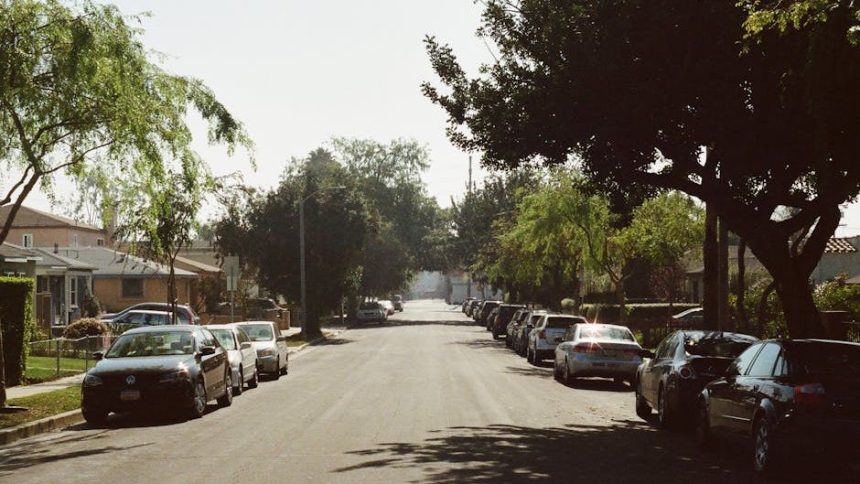
There’s a stretch of the Phoenix metro area that people in real estate circles have quietly started calling the “golden zip code” zone. You won’t see it splashed across a luxury magazine spread. It doesn’t have the glitzy reputation of Scottsdale or the historic identity of central Phoenix. Yet somehow, it keeps showing up at the top of every serious migration report, every housing activity index, every conversation between buyers, agents, and analysts who track where people are actually putting down roots.
Something is happening out here in the northwest corners of the Valley that feels more than just trend-driven. It feels structural. It feels permanent. If you haven’t paid attention yet, here is why you absolutely should.
A Valley Within the Valley: The Pocket Everyone Is Talking About
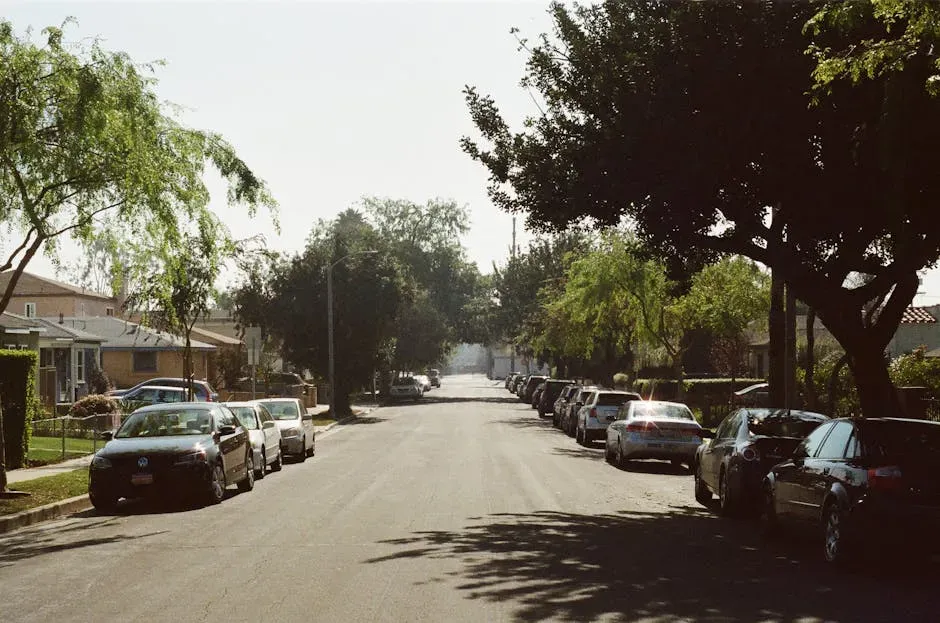
Two very different Valley zip codes have emerged among the nation’s hottest areas for moving activity, with 85387 in Surprise and 85054 in north Phoenix both grabbing top ten positions in MovingPlace’s Hottest ZIP Codes Report. That’s not a small thing. In a country of tens of thousands of zip codes, landing in the top ten nationally is like winning a regional sports championship when no one expected you to qualify.
The data shows that people are being much more strategic about where they move. While the massive surge of migration to the Sun Belt remains a primary driver of growth, moving to a particular state or region is taking a back seat to moving to very specific neighborhoods, with people increasingly heading toward the commutable edges of major metropolitan areas where new construction and affordability offer relief from high-cost urban centers. The Valley, it turns out, has several of those edges. The northwest corner is leading the pack.
New Jobs Changed Everything

In Deer Valley and along Interstate 17 from Loop 101 to Carefree Highway, the massive Taiwan Semiconductor Manufacturing Company (TSMC) semiconductor fabrication facilities and supporting industries are coming online. Honestly, it’s hard to overstate how significant this is. A single anchor employer of that scale doesn’t just create jobs. It creates an entire ecosystem of suppliers, engineers, service workers, and knock-on demand for housing.
That part of the West Valley is attractive for its new home affordability and relatively manageable commute to the TSMC Arizona chipmaking campus in north Phoenix, according to Tina Tamboer, senior housing analyst for The Cromford Report. Data shows that single-family home sales have jumped in areas within close commuting distance of these emerging jobs. The job-to-housing feedback loop is running at full speed here.
Affordability That Still Makes Sense
Houses can be found in the Surprise area in the $300,000s and $400,000s, which has made it a first-time homebuyer hotspot in the single-family range. Think about that for a second. In a national housing market where seven of the top ten hottest zip codes have median listing prices above the national average of $441,000, finding a growth zone where working families can still buy feels almost too good to be true.
While home prices in Phoenix have risen significantly over the past five years, the market remains more affordable than coastal counterparts. With a median sale price around $413,000, buyers and investors continue to find better value here than in cities like Los Angeles or Seattle, and this affordability supports continued inbound demand, especially from remote workers and retirees seeking lower-cost living. The Valley’s golden zip codes sit right in that sweet spot of relative affordability.
The Remote Work Effect Is Still Very Real

Here’s the thing that a lot of people got wrong about remote work: they thought it was a temporary blip. It wasn’t. The overall consensus is that remote and hybrid work will remain far more common than before, with many experts believing the future will be flexible, allowing many families to live in suburbs or regions that were once out of reach. That is exactly the demographic flooding the northwest Valley right now.
The enduring popularity of remote work requires more space for a home office, which is cheaper in the suburbs, and commuting only a couple of days per week makes living further from city centers more palatable. When you only need to drive into the office twice a week, a forty-minute commute from Surprise doesn’t feel like a sacrifice. It feels like a trade-off you’re happy to make in exchange for a backyard, a bigger kitchen, and a mortgage you can actually afford.
Population Growth Is Not Slowing Down

Phoenix remains one of the fastest-growing cities in the United States, adding approximately 80,000 new residents in 2024 alone, driven by inbound migration from California, the Midwest, and other higher-cost regions. This surge in population fuels consistent demand for both rental housing and for-sale properties, especially in affordable and suburban neighborhoods. That’s not just a lot of people. That’s an entire mid-size city arriving in the metro in a single year.
Sun Belt states like Texas, Florida, and Arizona continue to dominate due to their warmer climates, lower taxes, and expanding job markets. Between July 2020 and July 2024, the South gained a staggering 2,685,000 net domestic migrants, as reported by Newgeography. Arizona sits comfortably in the path of this larger migration wave, and specific Valley zip codes are soaking up the overflow from the broader Sun Belt tide.
Inventory, Supply, and the Competition for Space

Phoenix has experienced steady inventory growth, with a 39% increase in active listings from January 2024 to January 2025. That sounds like relief for buyers, and in many ways it is. Yet the most desirable pockets in the northwest Valley tell a more competitive sub-story. Although national housing inventory rose significantly year-over-year in 2025, inventory levels in the hottest markets are still dramatically below 2019 levels, far below the national average, and this scarcity drives urgency, with fewer choices leading to fast decisions and competitive bids.
It’s a bit like a sale at a popular store. Yes, the stock room is fuller than it was two years ago. The stuff you actually want still flies off the shelf in hours. In the first four months of a recent measurement year, homes in the hottest markets sold for an average of over three percent above asking price, while nationally homes sold for an average below asking price in the same period. The Valley’s golden pocket is no different.
Schools, Walkability, and the Invisible Magnets
Let’s be real: nobody talks about schools quite as honestly as buyers do when they think no one is listening. The northwest Valley has been steadily building out its educational infrastructure alongside its residential growth, and that matters enormously. Young families move to the suburbs to seek more space and because the local school funding system in the United States tends to mean suburban schools are better funded. It’s a self-reinforcing cycle that rarely breaks.
All top zip codes in 2025 share a key feature: suburban settings with close ties to major cities. These areas offer more space and flexibility while maintaining commuting access. Add rising walkability scores, new retail corridors, and mixed-use developments pushing into the northwest Valley, and you start to understand why the urban amenity gap that once made suburban living feel like a compromise is closing fast.
What the Numbers Say About Where This Is Headed
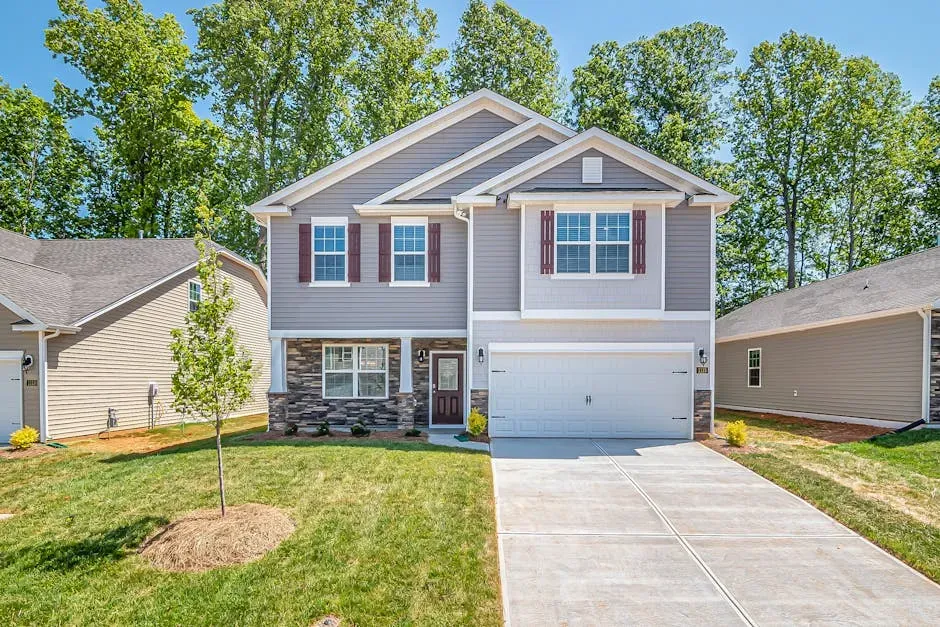
Greater Phoenix showed a nearly four percent increase in closed sales compared to the first ten months of 2024, and comparing recent months to the same period last year, locally closed sales increased by nearly five percent, compared to a rise of just one and a half percent nationwide. The Valley is not just keeping pace with national recovery. It’s running ahead of it.
Making its debut in the national top ten, zip code 85383 in Peoria officially became the hottest spot in the Phoenix metro area, with the northwest Valley pocket surging with a substantial month-over-month increase in move volume. In Surprise, numbers were generally strong through 2025, with closed sales up over six percent, pending sales rising nearly four percent, and new listings shooting up by over fourteen percent compared to the same period in 2024. The momentum here is not a spike. It’s a sustained climb.
Conclusion: Is This the Smartest Corner of the Valley?
I think the honest answer is yes, at least for right now. The northwest Valley’s “golden zip code” zone has managed to do something rare in modern real estate: stay affordable while becoming desirable, attract major employers while keeping a suburban feel, and draw first-time buyers alongside seasoned investors without alienating either group.
Migration patterns tell a broader story, that Americans are redefining their relationship with urban life, prioritizing quality of life over proximity. The suburban shift is a defining feature of today’s housing market, reshaping communities and driving growth along the edges of the country’s most dynamic cities. The northwest Valley is not a fluke. It’s a feature of this larger national story, just playing out more dramatically than anywhere else in Arizona.
The families moving in seem to understand something that still catches outsiders off guard: the best time to get into a market is before everyone agrees it’s great. In the northwest Valley’s golden zip codes, that window is narrowing fast. What would you have done if you’d known this two years earlier?