There’s something quietly wild happening right now at toy stores, online auction sites, and collector fairs across the world. Adults in their forties and fifties are snatching up action figures, Hot Wheels, and retro playsets, not for their kids, but for themselves. We’re talking about Generation X, the people who grew up in the golden age of Saturday morning cartoons and neon plastic.
This isn’t a quirky hobby for a handful of fanatics. It’s a full-blown economic phenomenon, backed by real data, serious money, and one of the most powerful forces in human psychology: nostalgia. Let’s dive in.
The Numbers Don’t Lie: Adults Are Officially Toy Buyers Now
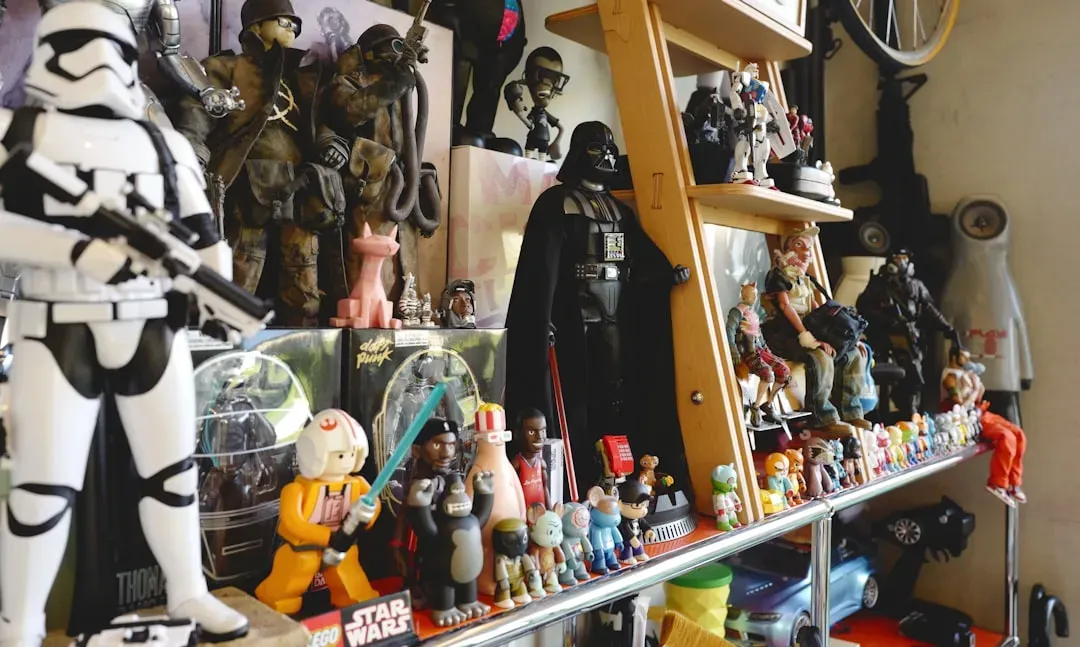
Here’s a fact that would have sounded completely absurd twenty years ago. The toy audience has officially expanded beyond kids, with adults now serving as one of the fastest growing segments of the market, accounting for roughly one-quarter of all U.S. toy sales, according to Circana. That is not a rounding error. That is a seismic shift in who toys are actually made for.
According to Circana, toy recipients ages 18 and up grew 8 percent in 2023, making it the strongest growth segment for U.S. toy sales that year, and that trend continued into 2024 and is projected to do the same in 2025. Think about that for a second. In a year when overall toy sales were under pressure globally, adults quietly became the engine keeping the whole industry moving.
According to Circana, U.S. toy sales driven by adults reached $1.5 billion in Q1 2024 alone, while in Europe, kidults generated over $4.8 billion in toy purchases throughout 2023. These are not small numbers. This is a category redefining itself in real time.
What is “Kidulting” and Why Gen X is at the Center of It
The industry has a name for this now. “Kidulting,” where adults engage with toys, games, and nostalgic items, has evolved from a niche interest into a significant market force. This demographic, primarily adults aged 25 to 55, is motivated by a desire for escapism, nostalgia, stress relief, and self-expression, often possessing disposable income for premium and collectible items.
Gen X sits right at the sweet spot of that age range. Born between the mid-1960s and early 1980s, they grew up during one of the most commercially explosive decades in toy history. Kidult culture, a trend of fans from Gen Z to Gen X purchasing toys for themselves, has grown into one of the primary drivers of toy sales in 2024 worldwide. But let’s be real: nobody has the same emotional stake in 1980s toys as the people who actually played with them as children.
43% of adults in the U.S. purchased a toy for themselves in the last year, driving new activity around brands like Hot Wheels, Pokémon Trading Cards and NFL and NBA sports cards. The decade that gave us He-Man, Optimus Prime, and G.I. Joe is paying dividends, decades later.
The Psychology of Buying Back Your Childhood
Honestly, nostalgia is more than just a warm fuzzy feeling. It does something measurable to the brain, and marketers figured that out a long time ago. Research published in the Journal of Consumer Research found that nostalgic feelings made study participants more willing to spend money on consumer goods.
According to research by Wildschut et al., nostalgia enhances psychological well-being by increasing social connectedness and existential meaning, which may influence consumption behavior as a coping mechanism. In other words, when life feels uncertain or overwhelming, people reach for objects that carry the emotional weight of simpler times. A mint-in-box Skeletor figure becomes more than a toy. It becomes a time machine.
When macro anxiety rises, consumers often shift to small indulgences that deliver outsized emotional payoff. Deloitte’s 2025 consumer tracking shows financial well-being sliding but value-seeking “treat” behavior persisting, which is consistent with affordable-luxury substitution. For a lot of Gen Xers, the indulgence of choice is a piece of their childhood, boxed up and delivered to their door.
How Toy Giants Are Feeding the Frenzy
Hasbro and Mattel did not stumble into this trend by accident. They saw it, studied it, and then doubled down with everything they had. Mattel and Hasbro are reviving 1980s and 1990s classics, upgrading them with better materials and exclusive accessories to appeal to buyers who want nostalgia without compromise.
Hasbro went full retro in 2024, launching what it called Transformers ’80s Week. Hasbro announced Transformers ’80s Week to celebrate the 40th anniversary of the beloved franchise, featuring new product reveals, pre-orders and retro content allowing new generations to discover the decade where it all began. Limited edition releases sold out rapidly, landing almost immediately on resale markets at premium prices.
Then there is the unprecedented crossover nobody saw coming. The unprecedented collaboration between Mattel and Hasbro resulted in a groundbreaking crossover between the Masters of the Universe and the Transformers franchises, marking the first official partnership between these rival toy giants. Two iconic 80s brands combining forces? For any Gen Xer who grew up with both, that is basically a cultural event.
The Collectibles Market Is Exploding
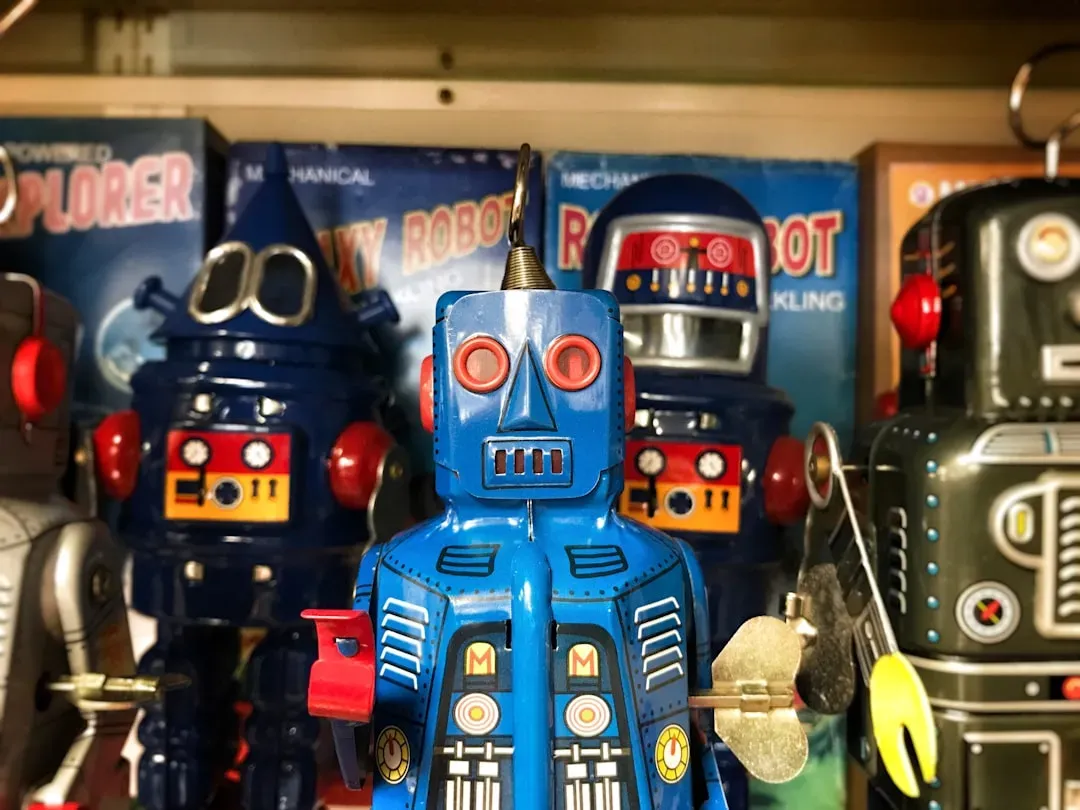
This is where things get genuinely mind-blowing for anyone who thought toys were just kid stuff. The Toy Collectibles Market was valued at $19.2 billion in 2024 and is projected to reach $45.2 billion by 2032, growing at a compound annual growth rate of 10.6%. That kind of growth rate would make most financial analysts very interested.
The adults subsegment, frequently referred to as the “kidult” demographic, has emerged as the clear market leader, commanding a significant revenue share of approximately 34% in 2025. This dominance is primarily driven by a powerful intersection of nostalgia driven consumption and the increasing recognition of high-end collectibles as viable alternative investment assets.
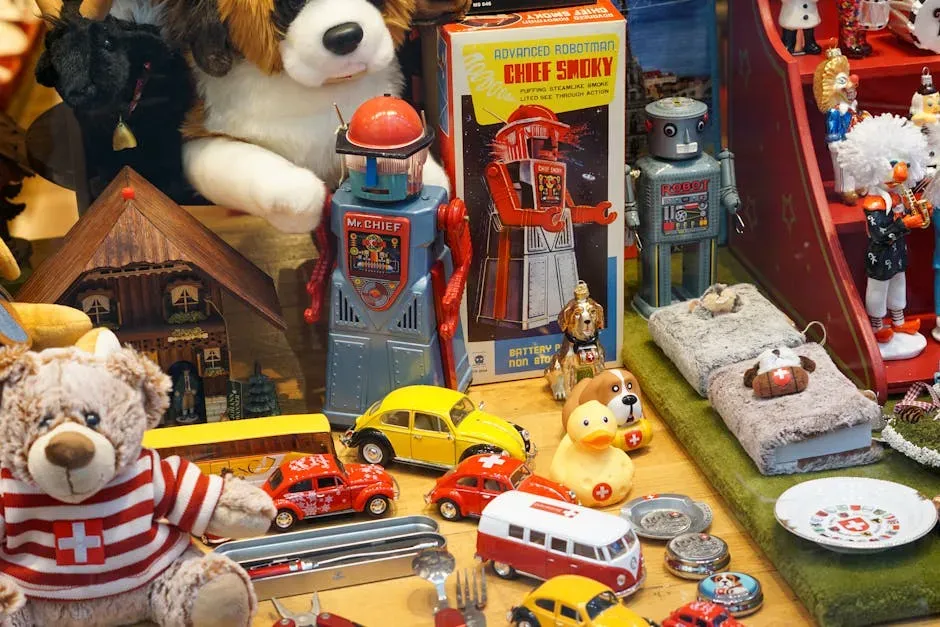
Vintage toys from the 80s are where things get especially dramatic. Sealed vintage toys from the 80s and 90s regularly sell for thousands of dollars at auction. A mint-condition 1985 Optimus Prime could fetch $2,000 or more. That old Transformer gathering dust in someone’s parents’ attic might actually be worth a small fortune right now.
Streaming and Reboots Are Pouring Fuel on the Fire
You can’t fully understand this phenomenon without talking about what’s happening on screen. Reboots and movies based on retro brands such as Barbie and Teenage Mutant Ninja Turtles are driving significant toy sales, with film-related licensed toys accounting for 32% of the total toy market in the first half of 2024, a 6% growth compared to the previous year.
Streaming is doing something equally powerful, and possibly more lasting. The real game-changer is streaming. Binge-watching keeps franchises relevant long after their theatrical run, turning series like Stranger Things, The Mandalorian, and Wednesday into merchandising goldmines. Every time a nostalgic show drops a new season, the search traffic for related vintage toys spikes almost immediately.
Nostalgia continues to fuel consumer interest in toys, but today’s throwbacks aren’t necessarily being fueled by childhood memories. Teens and young adults who didn’t grow up with these toys are tapping into cultural relics from decades past as a form of exploration, inspired by aesthetics, fashion, and social media. That means the audience for 80s properties is actually wider than just Gen X. It now spans multiple generations.
The Online Marketplace Revolution: eBay, Etsy, and the Hunt
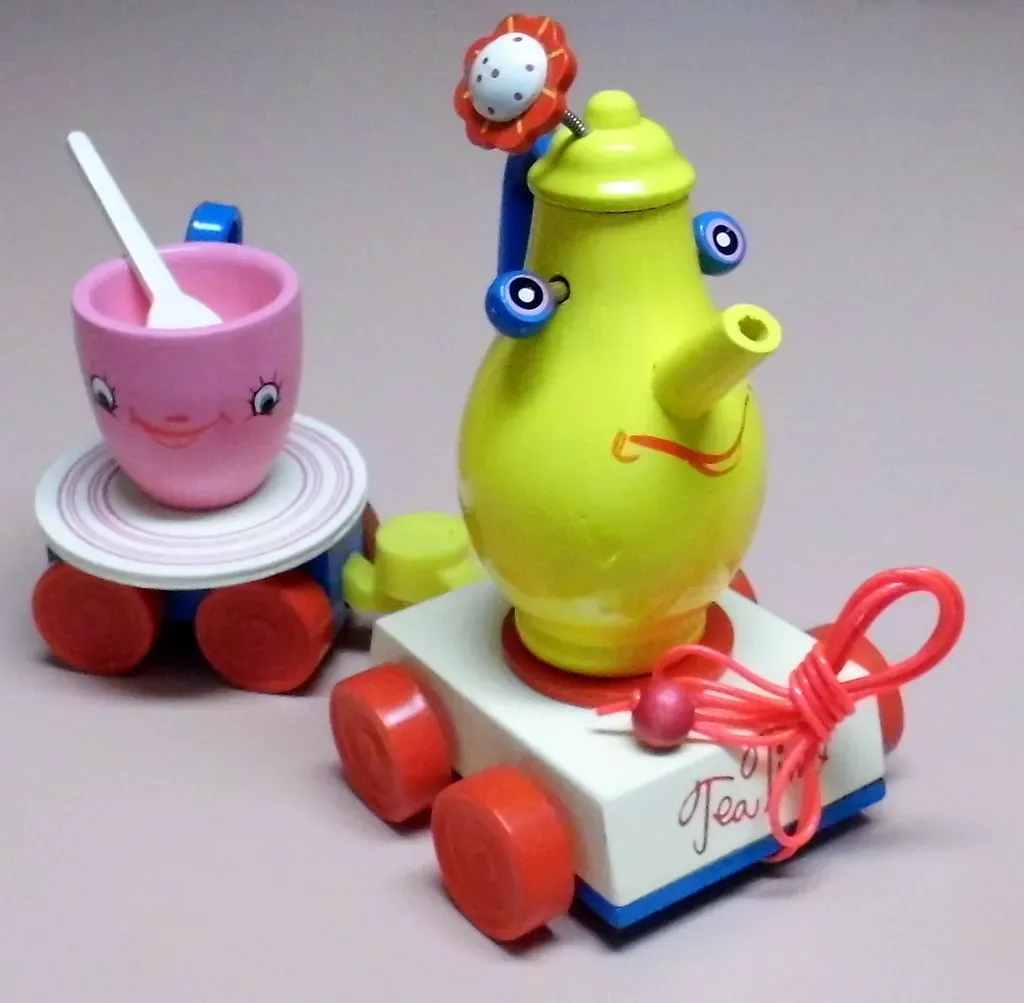
Let’s be honest, the internet completely changed what it means to be a collector. Before platforms like eBay existed, tracking down a vintage toy meant scouring thrift stores and garage sales for years. Now, it takes about twelve seconds and a credit card. Online marketplaces, social media groups, and digital platforms facilitate reconnecting with nostalgic passions and building communities around vintage toys and retro pop culture.
Vintage toys, collectible cards, and limited-edition memorabilia dominate the mid-range collectibles segment, especially as platforms like eBay and Etsy continue to offer a wide selection of sought-after items for mid-range buyers. The numbers are significant too. Etsy reports vintage toy searches up 40% year-over-year, while resale platforms like eBay see 90s icons fetching substantial premiums.
The appeal of nostalgia-driven marketing campaigns has led to a resurgence of interest in classic toy franchises from the 80s and 90s. The tight-knit community of collectors, fueled by online forums, social media groups, and conventions, contributes to the growth of the toy collectibles market by fostering engagement, knowledge sharing, and trading opportunities. What used to be a lonely hobby is now a deeply social one.
Where Is All of This Heading?
The nostalgia economy shows no signs of cooling down. In fact, based on the most current data available in 2026, the trend is accelerating. The kidult cohort was responsible for driving a turnaround in the toys and collectibles retail segment, with sales across G12 countries rising by 7% from January through June of 2025, to $27.5 billion, versus the year prior. That’s a remarkable rebound for an industry that had seen back-to-back annual declines.
The Toy Association’s own research shows that 81% of parents in 2025 were likely to add a toy or game for themselves to their holiday shopping list, up from 72% the year prior. That is a generation of adults who have completely shed any self-consciousness about buying toys for themselves. The stigma is gone. The market is here.
Longevity will depend on brands treating nostalgia as a launchpad for innovation, not a safety net for sales. That’s probably the wisest observation anyone in this industry has made. Gen X will eventually move on, or simply run out of childhood toys to repurchase. The brands that will win long-term are those that can use the emotional power of the past to build something genuinely new.
The nostalgia economy is real, it’s massive, and it’s rewriting the rules of an entire industry. Whether you see it as a beautiful reunion with childhood or a clever marketing loop designed to harvest feelings, one thing is certain: that Transformer you threw away in 1992 is worth a lot more than it used to be. What would you have kept if you’d known?